

What is the difference between red light versus blue light therapy?
Red light versus blue light therapy comes down to treatment goals. Blue light therapy for acne targets acne-causing bacteria on the skin's surface, while red light therapy for smoother skin supports collagen production, recovery, and visible skin rejuvenation. Many modern LED devices combine both wavelengths to address breakouts and signs of aging simultaneously.
Red Light Versus Blue Light Therapy: Which Fits Your Skin?
⏱ 8 min read
Red light versus blue light therapy can feel confusing when every device promises better skin. This guide breaks down how blue light therapy for acne targets blemish-causing bacteria, while red light therapy for smoother skin supports collagen and recovery. You'll also learn the difference between infrared versus red light skincare and get led mask benefits explained in plain language. The surprising winner may depend less on your skin type than you think—so which light delivers the results you're really after?
If your main frustration is breakouts, one option may work faster. If aging, dullness, or texture concerns bother you most, another wavelength could be the better fit. Keep reading to find out.
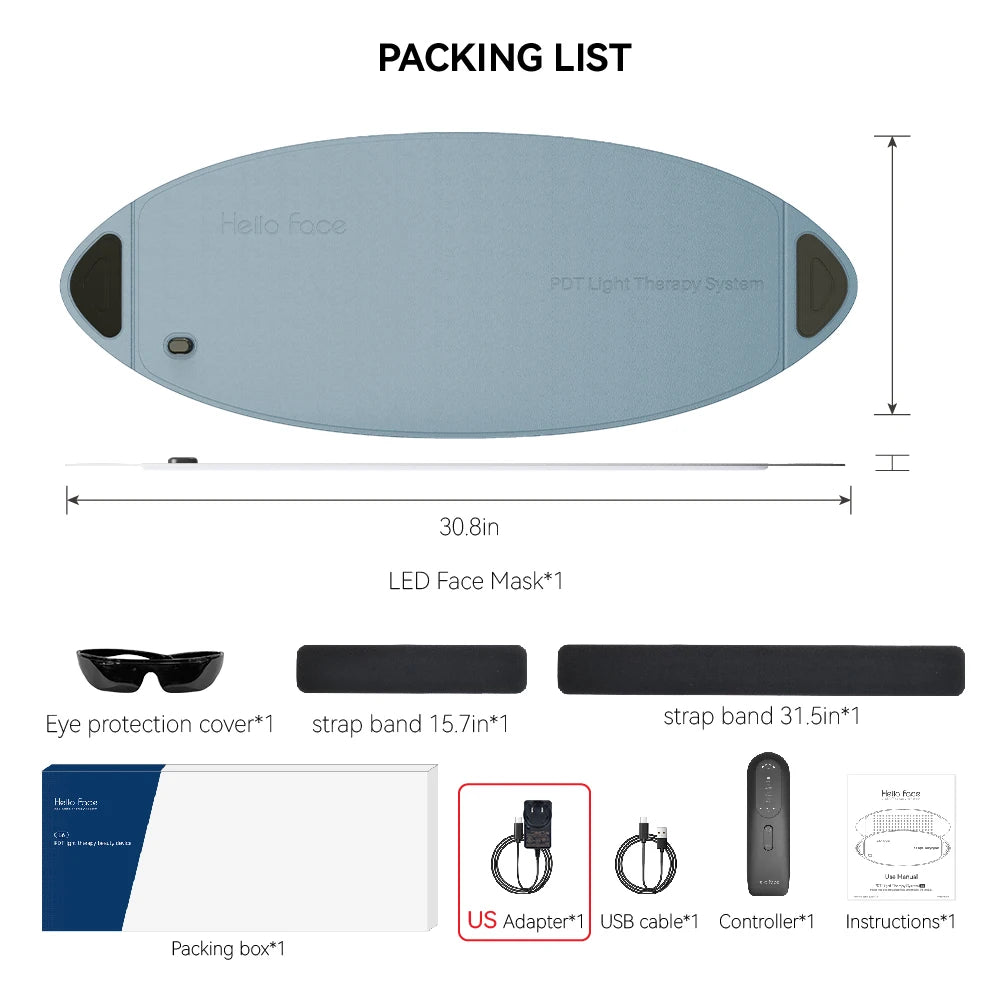
💡 See it in action - red light versus blue light therapy / blue light therapy for acne, red light therapy for smoother skin, infrared versus red light skincare, led mask benefits explained
Explore the Red Light Therapy Mask 720 LED to see how modern light therapy devices combine convenience with advanced skincare technology.
How Each Light Therapy Delivers Different Skin Benefits
When comparing red light versus blue light therapy, the biggest difference is where each wavelength works and what it targets. Blue wavelengths focus on acne-causing bacteria near the skin surface, while red wavelengths penetrate deeper to support repair, recovery, and collagen activity.
That means the best choice often depends on your primary concern rather than your age or skin type.
Quick Comparison Table
| Feature | Blue Light Therapy | Red Light Therapy |
|---|---|---|
| Main Goal | Reduce acne breakouts | Improve skin texture and firmness |
| Best For | Oily and acne-prone skin | Fine lines, dullness, aging concerns |
| Primary Action | Targets acne-causing bacteria | Supports collagen production |
| Visible Results | Clearer skin over time | Smoother and brighter appearance |
| Downtime | None | None |
| Can Be Combined? | Yes | Yes |
How Blue Light Therapy Helps Clear Acne Faster
Blue light therapy for acne has become popular because it addresses one of the underlying contributors to breakouts rather than simply drying out the skin.
Many acne-causing bacteria produce compounds called porphyrins. When exposed to specific blue wavelengths, these compounds react and help reduce bacterial activity on the skin.
Benefits of Blue Light Therapy
- Helps reduce acne-causing bacteria
- Supports clearer-looking skin
- Non-invasive and painless
- Suitable for many acne-prone skin types
- Can complement existing skincare routines
Potential Limitations
- May not address deep wrinkles or texture concerns
- Results often require consistent use
- Best suited for acne-related goals
For users frustrated by recurring blemishes despite trying multiple cleansers and spot treatments, blue light therapy may offer a more targeted approach.
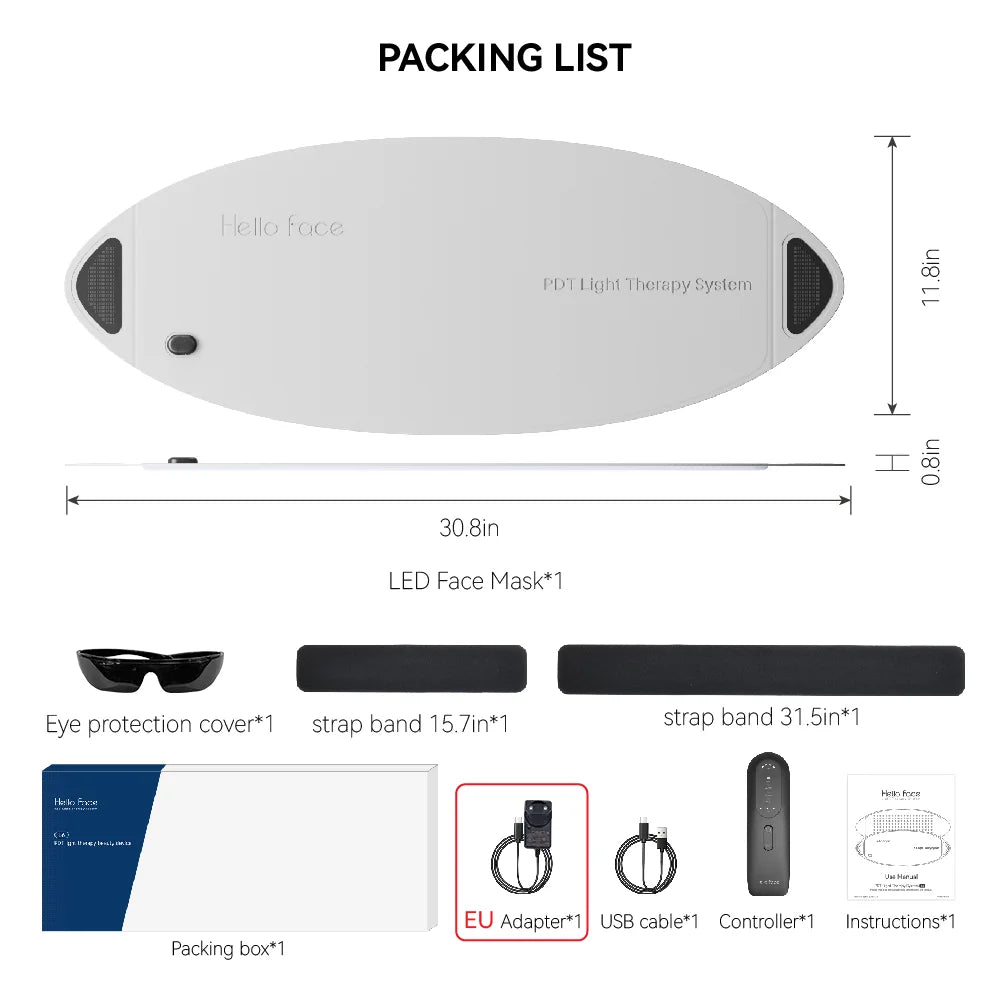
💡 See it in action - red light versus blue light therapy / blue light therapy for acne, red light therapy for smoother skin, infrared versus red light skincare, led mask benefits explained
How Red Light Therapy Supports Smoother Younger-Looking Skin
Red light therapy for smoother skin is often chosen by people concerned about fine lines, uneven texture, and loss of firmness.
Unlike blue light, red wavelengths penetrate deeper into the skin. This deeper reach supports cellular activity associated with skin recovery and collagen production.
Benefits of Red Light Therapy
- Supports smoother-looking skin
- Helps improve the appearance of fine lines
- Promotes a brighter complexion
- May reduce the appearance of redness
- Fits easily into home skincare routines
Common User Experiences
Many users report that their skin appears healthier, more radiant, and more refreshed after several weeks of consistent treatment. While results vary, smoother texture and improved glow are among the most commonly reported benefits.
✅ "My skin looked brighter after about three weeks."
✅ "Fine lines around my cheeks appeared softer."
✅ "The treatment became an easy part of my evening routine."
Infrared Versus Red Light Skincare Explained
One of the most misunderstood topics in LED skincare is infrared versus red light skincare.
Although they are often grouped together, they are not identical.
| Type | Visible? | Primary Focus |
|---|---|---|
| Red Light | Yes | Surface and mid-layer skin rejuvenation |
| Near Infrared Light | No | Deeper tissue support |
Many advanced LED masks combine both wavelengths because they may complement one another. Red light focuses on visible skin improvements, while near infrared reaches deeper layers that red light may not fully reach.
This combination is one reason premium devices often include multiple wavelengths instead of relying on a single color.
LED Mask Benefits Explained for Home Users
Understanding led mask benefits explained in simple terms helps remove much of the confusion around at-home devices.
- Hands-free treatment sessions.
- Easy integration into existing skincare routines.
- No recovery time required.
- Multiple wavelengths available in one device.
- Consistent treatments without scheduling appointments.
Many consumers who once relied exclusively on professional treatments now appreciate the convenience of at-home LED technology.
Those exploring additional wellness and beauty solutions often browse the Skin and Beauty Care Devices collection for complementary options.
Learn how the Red Light Therapy Mask 720 LED combines advanced light technology into a simple daily routine.
How to Choose the Best Option for Your Skin Goals
The easiest way to decide between red light versus blue light therapy is to identify your primary concern.
| Your Goal | Recommended Light |
|---|---|
| Frequent breakouts | Blue Light |
| Fine lines and texture concerns | Red Light |
| Overall skin rejuvenation | Red Light |
| Acne and aging concerns together | Combination Device |
For many adults, the answer is not choosing one over the other. Skin concerns often overlap. Adult acne, uneven texture, and early signs of aging frequently appear at the same time.
Why Many Users Prefer Combined Red and Blue Light Devices
Modern LED masks increasingly include multiple wavelengths because skin rarely has just one concern.
A combined device can potentially help:
- Address breakouts and blemishes
- Support smoother-looking skin
- Improve overall skin appearance
- Simplify daily routines
Users interested in broader wellness routines often explore related categories such as Body Care and Health Devices , Lifestyle , and educational resources within the Beauty & Self-Care Blog .
For individuals seeking a comprehensive LED solution, the Red Light Therapy Mask 720 LED offers a convenient way to incorporate advanced light therapy into a consistent skincare routine.
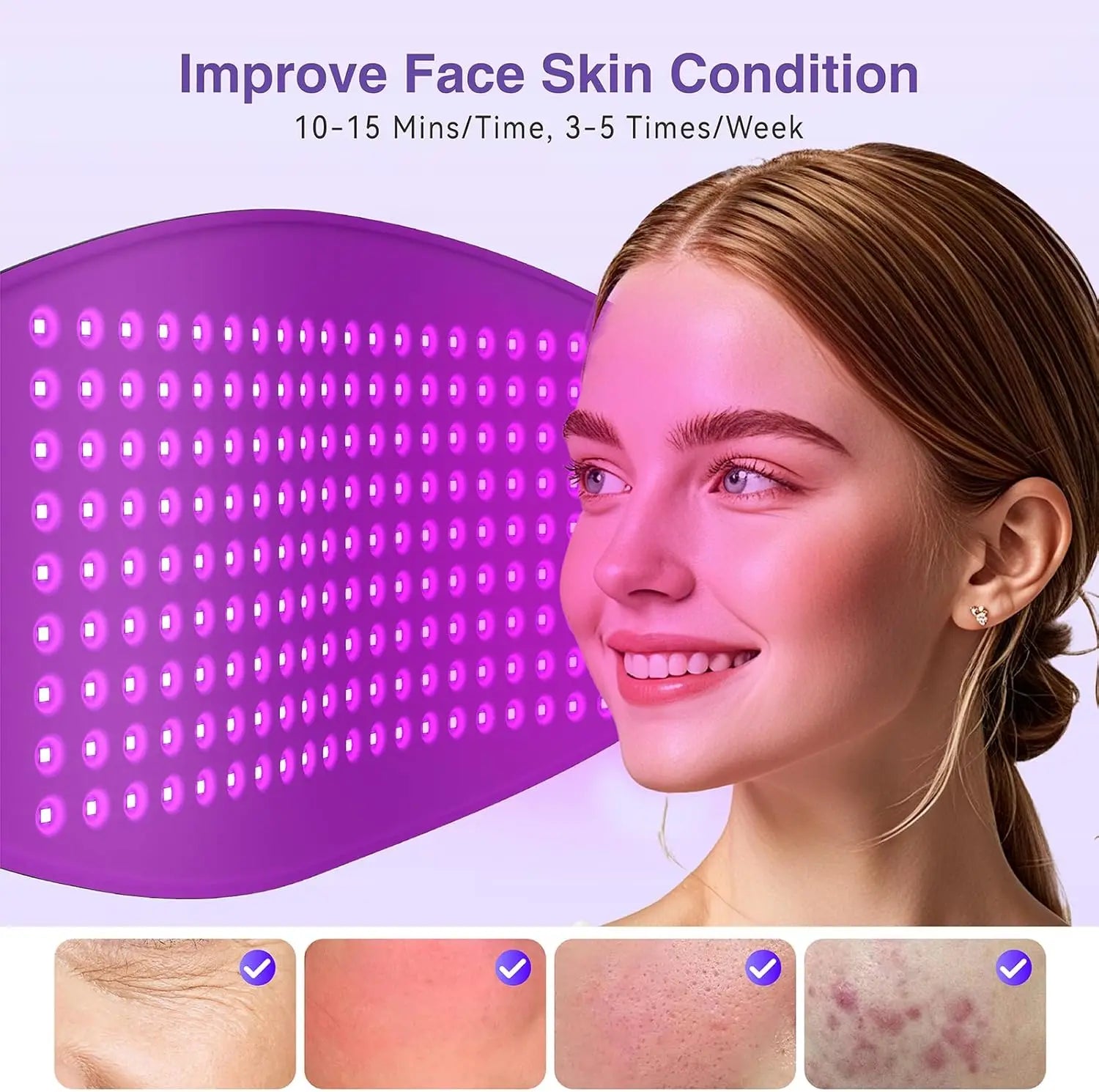
💡 See it in action - red light versus blue light therapy / blue light therapy for acne, red light therapy for smoother skin, infrared versus red light skincare, led mask benefits explained
Final Thoughts
Choosing between red light versus blue light therapy becomes much easier when you focus on outcomes instead of marketing claims. Blue light therapy for acne is generally preferred for breakouts and blemish-prone skin. Red light therapy for smoother skin is often favored for texture, firmness, and visible rejuvenation.
If your skin goals include both clearer and younger-looking skin, a device that combines multiple wavelengths may provide the most versatile solution.
Discover how the Red Light Therapy Mask 720 LED can help support clearer, smoother, and healthier-looking skin from the comfort of home.
Frequently Asked Questions
Is red light or blue light therapy better?
Neither is universally better. Blue light therapy is often preferred for acne-related concerns, while red light therapy is commonly chosen for smoother-looking skin and visible rejuvenation.
Can I use red and blue light therapy together?
Yes. Many LED devices combine both wavelengths to address multiple skin concerns during the same treatment plan.
How long does it take to see results?
Results vary by individual and treatment consistency. Many users notice visible improvements after several weeks of regular use.
What is the difference between red light and infrared light?
Red light is visible and primarily targets skin rejuvenation, while near infrared light is invisible and penetrates deeper beneath the skin's surface.
Are LED masks safe for home use?
Most quality LED masks are designed for home use when operated according to manufacturer instructions and recommended treatment schedules.
Related Articles:
- Are Red Light Masks Safe? Comparing Features and Risks
- Red Light Face Mask Reviews: 7 Models Tested Side by Side
- Top LED Face Masks Compared: Which One Delivers More?
- The Best Red Light Therapy Devices Ranked for 2026
- Red Light Versus Blue Light Therapy: Which Fits Your Skin?
Pillar Articles:













