Does red light versus blue light therapy work?
Red light versus blue light therapy works in different ways. Blue light therapy for acne targets acne-causing bacteria to help reduce breakouts, while red light therapy for smoother skin supports collagen production, recovery, and visible skin rejuvenation. The best choice depends on your primary skin concern, not just your skin type.
Red Light Versus Blue Light Therapy: Which Fits Your Skin?
⏱ 9 min read
Red light versus blue light therapy can feel confusing when every device promises clearer, younger-looking skin. If you're tired of breakouts, frustrated by fine lines, or overwhelmed by conflicting skincare advice, you're not alone. Understanding how each wavelength works can help you choose a treatment that matches your goals and delivers more meaningful results at home.
👉 Curious which light is best for your skin goals? Explore the possibilities and discover how targeted LED therapy may fit into your routine.
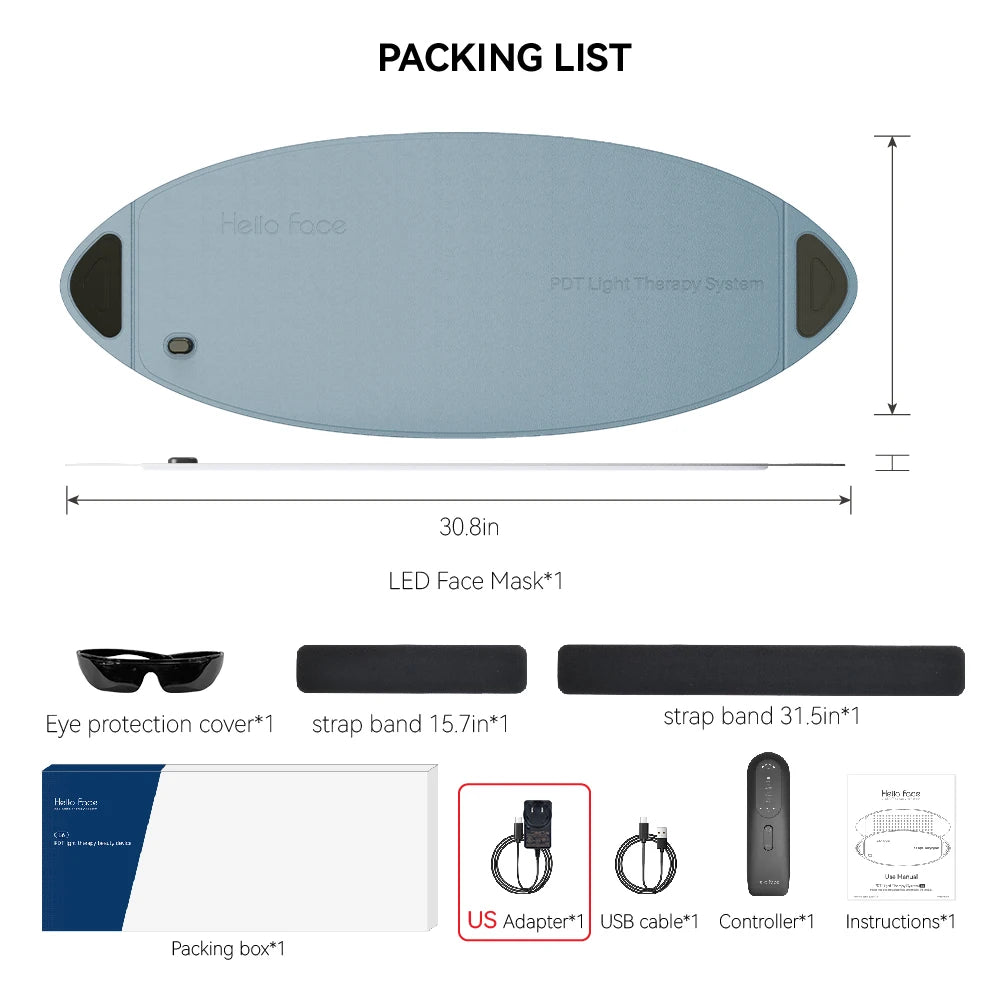
💡 See it in action - red light versus blue light therapy / blue light therapy for acne, red light therapy for smoother skin, infrared versus red light skincare, led mask benefits explained
Which light suits your biggest skincare challenge? Whether you're fighting stubborn acne or seeking smoother, firmer skin, the answer may surprise you.
How Red and Blue Light Deliver Different Results
Red light versus blue light therapy comes down to treatment goals. Blue light therapy for acne primarily targets acne-causing bacteria on the skin's surface, while red light therapy for smoother skin works deeper to support collagen production, reduce visible signs of aging, and encourage skin recovery.
| Feature | Blue Light Therapy | Red Light Therapy |
|---|---|---|
| Main Goal | Reduce acne breakouts | Support skin rejuvenation |
| Primary Target | Acne-causing bacteria | Collagen and skin cells |
| Best For | Oily and acne-prone skin | Fine lines and uneven texture |
| Visible Benefits | Fewer blemishes | Smoother, firmer appearance |
| Can Be Combined? | Yes | Yes |
Pros and Cons at a Glance
| Therapy | Pros | Cons |
|---|---|---|
| Blue Light |
✅ Targets acne bacteria
✅ Non-invasive ✅ Quick sessions |
❌ Limited anti-aging support
❌ May not address texture concerns |
| Red Light |
✅ Supports collagen
✅ Helps recovery ✅ Improves overall skin appearance |
❌ Results require consistency
❌ Less focused on active acne bacteria |
How Blue Light Therapy Helps Reduce Breakouts Faster
Blue light therapy for acne has become popular because it directly targets bacteria associated with breakouts. Instead of relying solely on creams or harsh treatments, light energy helps create an environment where acne-causing bacteria struggle to thrive.
- Reduces visible blemishes
- Supports cleaner-looking skin
- Works without physical exfoliation
- Can complement existing skincare routines
- Suitable for many acne-prone individuals
For someone dealing with recurring breakouts before important events, blue light treatments may offer a convenient addition to a consistent skincare routine.
Many users report noticing fewer new blemishes after several weeks of regular use, especially when treatments are combined with gentle cleansing and sun protection habits.
How Red Light Therapy Supports Smoother, Younger-Looking Skin
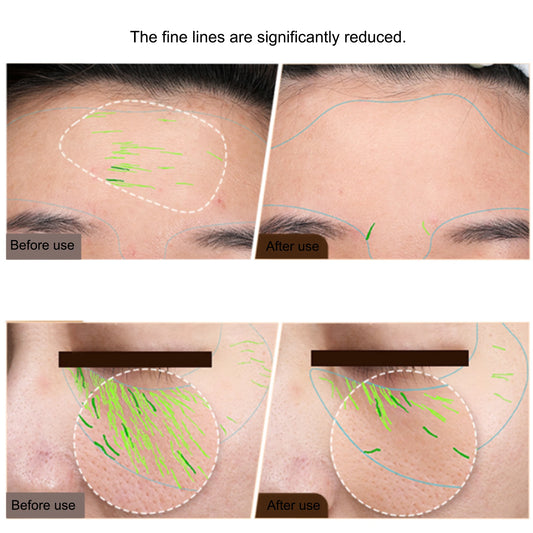
Red light therapy for smoother skin appeals to people who want visible improvements without adding complicated treatments. The wavelength penetrates deeper than blue light, supporting cellular processes linked to skin renewal and recovery.
- Helps improve skin texture
- Supports a firmer appearance
- Reduces the look of fine lines
- Promotes a healthy glow
- Encourages recovery after environmental stress
Users focused on anti-aging often choose red light because it addresses multiple concerns simultaneously. Instead of targeting one specific issue, it supports overall skin quality and appearance.
👉 Learn how consistent LED sessions can fit into your skincare routine. Many users see the greatest improvements when treatments become a regular weekly habit.
Those exploring at-home LED devices frequently compare different options within the Skin and Beauty Care Devices collection when looking for tools that support long-term skin maintenance.
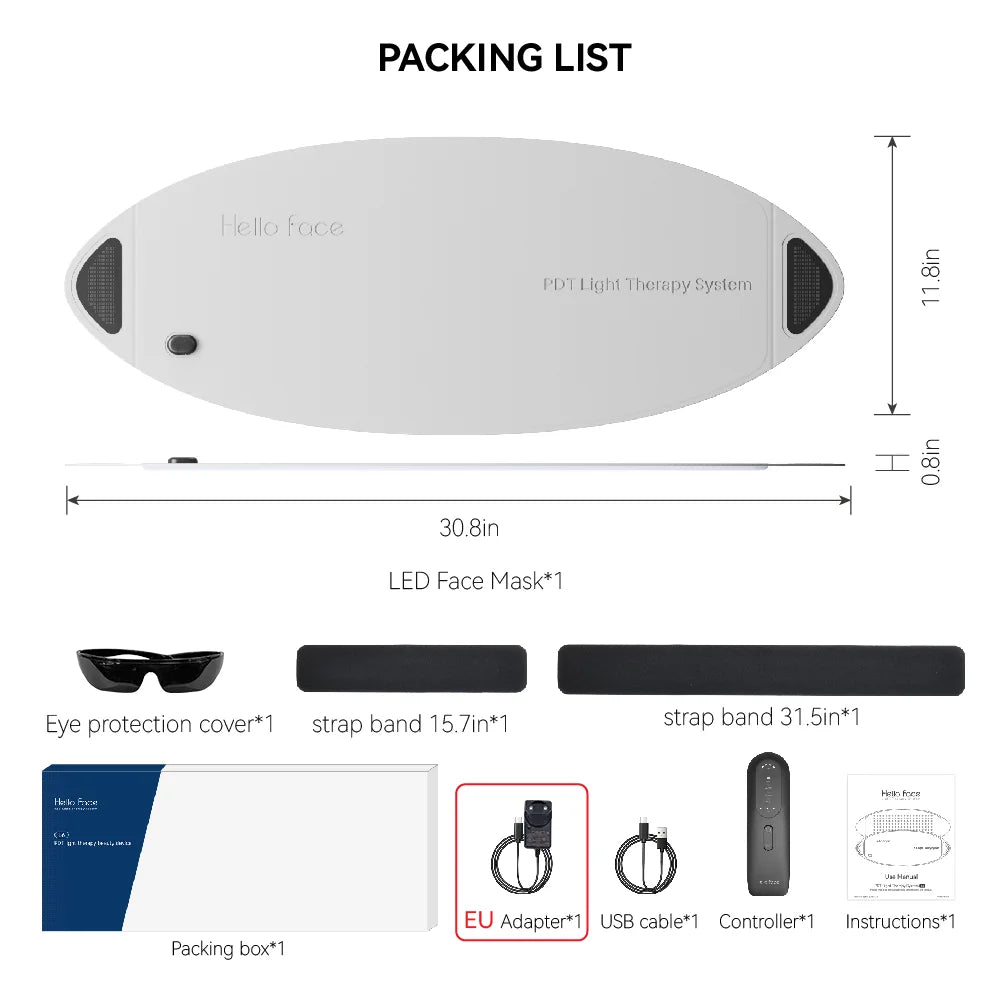
💡 See it in action - red light versus blue light therapy / blue light therapy for acne, red light therapy for smoother skin, infrared versus red light skincare, led mask benefits explained
How Infrared Versus Red Light Skincare Changes Treatment Depth
One of the most misunderstood topics in LED therapy is infrared versus red light skincare. While both belong to the light spectrum used in beauty devices, they interact with skin differently.
| Characteristic | Red Light | Infrared Light |
|---|---|---|
| Visibility | Visible red glow | Mostly invisible |
| Treatment Depth | Moderate | Deeper penetration |
| Primary Focus | Skin appearance | Deeper tissue support |
| Common Use | Anti-aging skincare | Recovery and wellness support |
Many modern devices combine both wavelengths because they complement one another. Red light supports visible skin concerns, while infrared light may help reach deeper layers that contribute to overall skin wellness.
This combination is one reason advanced LED masks continue gaining popularity among home beauty enthusiasts.
LED Mask Benefits Explained for Simpler Home Treatments
LED mask benefits explained in simple terms come down to convenience, consistency, and targeted treatment. Instead of scheduling frequent appointments, users can perform treatments from home while reading, relaxing, or watching television.
- Place the mask comfortably on clean skin.
- Select the recommended light mode.
- Complete the treatment session.
- Apply moisturizer and sunscreen as needed.
- Repeat consistently according to instructions.
Many people appreciate the ability to address multiple concerns using a single device. Acne-prone users may prefer blue light sessions, while those concerned about aging often focus on red light modes.
A popular example is the Red Light Therapy Mask 720 LED , which is frequently considered by users seeking flexible at-home LED treatments.
How to Choose the Right Therapy for Your Skin Goals
The best choice depends on what outcome matters most to you.
| Your Goal | Recommended Option |
|---|---|
| Reduce active acne | Blue Light Therapy |
| Improve texture and firmness | Red Light Therapy |
| Support multiple concerns | Combined LED Device |
| Recovery-focused wellness routine | Red + Infrared Combination |
If you're unsure where to begin, devices that offer multiple wavelengths can provide flexibility as your skincare needs change over time.
Many readers also explore related wellness solutions through the Body Care and Health Devices collection and educational resources within the Beauty & Self-Care Blog .
What Real Users Notice Most After Consistent LED Use
Although experiences vary, recurring themes appear across user feedback:
- Visible reduction in occasional breakouts
- Smoother-looking skin texture
- Improved confidence without extensive routines
- More consistent skincare habits
- Convenient treatment schedules at home
User feedback example: "I originally purchased an LED mask for breakouts, but after several weeks I noticed my skin looked smoother and more refreshed overall."
Another common observation is that consistency matters more than intensity. Short, regular sessions often produce better results than sporadic use.
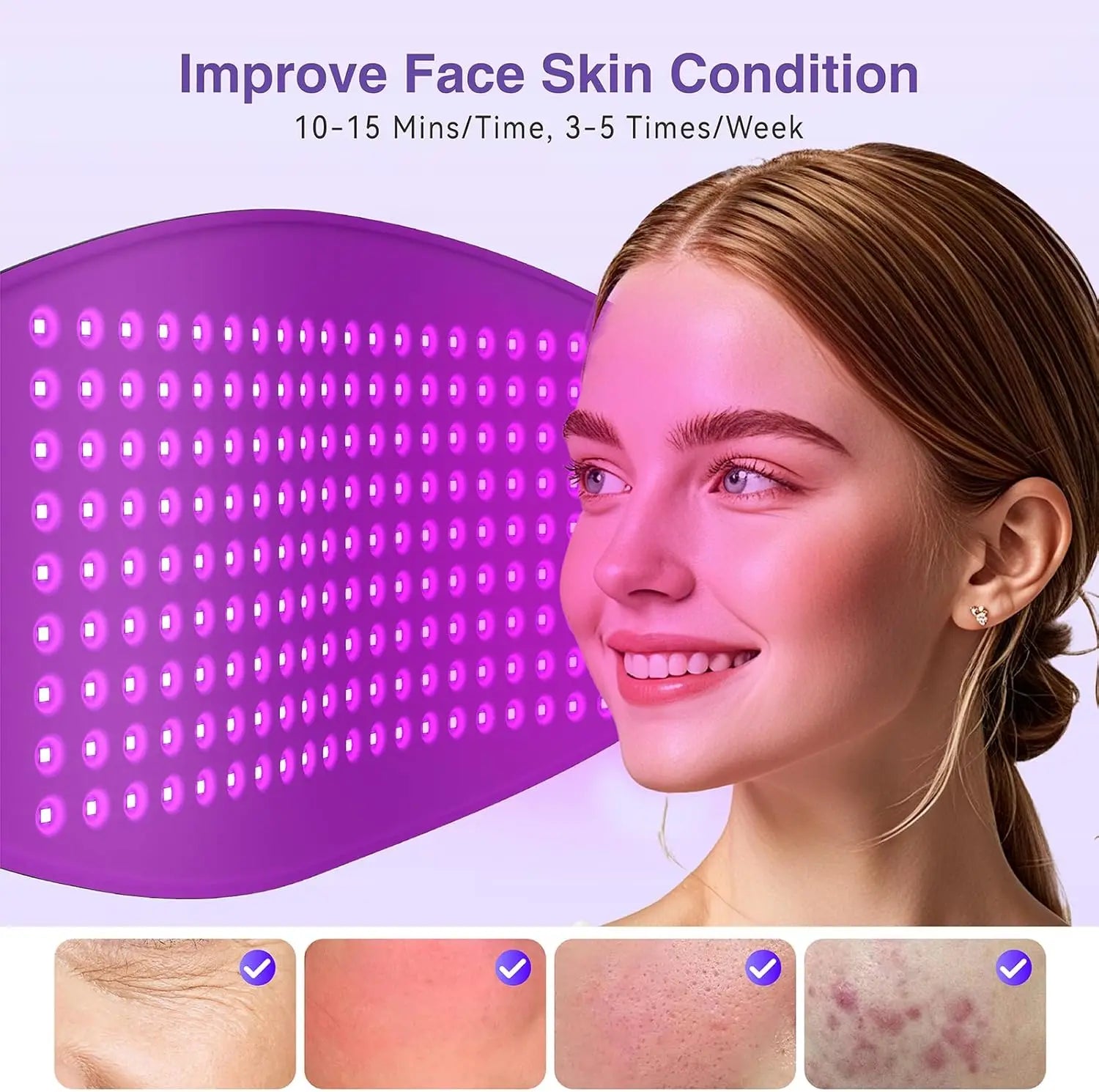
💡 See it in action - red light versus blue light therapy / blue light therapy for acne, red light therapy for smoother skin, infrared versus red light skincare, led mask benefits explained
Final Thoughts: Which Light Fits Your Skin Best?
Red light versus blue light therapy isn't about finding a universal winner. Blue light therapy for acne excels at targeting blemish-causing bacteria, while red light therapy for smoother skin focuses on collagen support and visible rejuvenation.
If breakouts are your primary concern, blue light may be the better starting point. If your focus is texture, firmness, and recovery, red light often delivers broader cosmetic benefits. For many users, combination devices offer the most versatile approach.
👉 Get yours now — limited stock! Explore the Red Light Therapy Mask 720 LED and discover how multi-wavelength LED technology can support your skincare goals from home.
Frequently Asked Questions
Is red light or blue light therapy better?
Neither is universally better. Blue light is commonly used for acne-related concerns, while red light is preferred for smoother-looking skin and visible anti-aging support.
Can I use red and blue light therapy together?
Yes. Many LED devices combine both wavelengths so users can address acne concerns while also supporting skin rejuvenation.
How long does it take to see results?
Results vary, but many users report visible changes after several weeks of consistent use according to device instructions.
What is the difference between infrared and red light?
Red light is visible and commonly used for skincare applications. Infrared light penetrates deeper and is often included to support deeper tissue wellness and recovery.
Are LED masks safe for home use?
Most consumer LED masks are designed for home use when used according to manufacturer guidelines and safety instructions.
Pillar Article: Red Light Therapy Does It Work? Top Devices Compared
Other Related Articles:
- Are Red Light Masks Safe? Comparing Features and Risks
- Red Light Face Mask Reviews: 7 Models Tested Side by Side
- Top LED Face Masks Compared: Which One Delivers More?
- The Best Red Light Therapy Devices Ranked for 2026
Explore More: