

How do you keep a bonnet on at night?
The best way to keep a bonnet on at night is to use an adjustable satin bonnet, position it slightly behind your hairline, secure your hair using a loose pineapple or braid method, and choose a bonnet with a wide adjustable band. Combining a bonnet with a satin pillowcase provides the highest level of overnight hair protection.
How to Keep a Bonnet On at Night: 11 Proven Ways to Stop It From Falling Off While Sleeping
If your bonnet keeps falling off while you sleep, you're not doing anything wrong. Bonnet slippage is one of the most common nighttime hair care problems, especially for people with curly hair, braids, locs, or long hair. In this expert guide, you'll learn exactly why bonnets fall off, how to wear a satin bonnet correctly, how tight it should be, and the most effective ways to keep your bonnet secure all night long.
Meta Description: Learn how to keep a bonnet on at night with 11 proven methods. Discover why satin bonnets slip off, how tight a bonnet should be, and the best bonnet styles for every sleeper.
⏱ 8 min read
Why Does My Bonnet Keep Falling Off at Night?
If your bonnet falls off at night, you're not alone. Most bonnet slippage happens because of one of five issues: incorrect sizing, poor fit, sleeping position, hair volume, or the bonnet material itself. Identifying the cause first makes it much easier to keep your bonnet on while sleeping.
Your Bonnet Is the Wrong Size
A bonnet that's too large slides around during sleep, while one that's too small gets pushed off by your hair. Your bonnet should comfortably contain your hairstyle without excessive extra fabric.
The Elastic Band Is Too Loose or Too Tight
Loose elastic allows the bonnet to shift during movement, while overly tight elastic can slowly roll upward and slip off overnight.
Your Sleeping Position Causes Friction
Side sleepers and restless sleepers experience more friction against pillows, increasing the chance that a bonnet slips off at night.
Your Hair Style Creates Too Much Bulk
Very thick hair, braids, locs, or loose curls can create uneven pressure that pushes bonnets upward while you sleep.
The Bonnet Material Affects Grip
Lightweight silk and satin fabrics reduce friction on hair but may also reduce friction against bedding, making some bonnet styles more likely to slide.

Adjustable satin bonnet – see how it transforms your nightly routine
How to Keep a Bonnet On at Night (Ranked From Most Effective to Least)
If your bonnet keeps falling off while sleeping, try these solutions in order. Most people solve the problem using one or two of these methods.
Use an Adjustable Bonnet Instead of Standard Elastic
Adjustable bonnets provide the best balance between comfort and security because you can customize the fit without creating pressure points.
Wear the Bonnet Slightly Behind Your Hairline
Positioning the bonnet just behind your hairline creates a more secure anchor point and reduces upward slippage.
Secure Long Hair Using the Pineapple Method
Gathering curls or long hair loosely at the crown reduces internal movement and prevents the bonnet from shifting. See our internal guide on nighttime curly hair routines for additional curl preservation techniques.
Layer a Silk Scarf Under Your Bonnet
Wrapping a silk scarf first creates additional friction and helps hold the bonnet in place throughout the night.
Choose a Bonnet With a Wide Band
Wide bands distribute pressure more evenly and are less likely to roll or slide than narrow elastic bands.
Sleep on a Silk or Satin Pillowcase as Backup
If your bonnet slips off overnight, a silk or satin pillowcase still protects your hair from friction and moisture loss.
Use Bonnet Grip Bands for Restless Sleepers
Specialized bonnet grip bands can significantly improve retention for active sleepers who move frequently.
How to Wear a Bonnet Properly (Quick Beginner Guide)
If you're wondering how to wear a bonnet correctly, the process is simple. The key is placing the bonnet securely while keeping your hair loose enough to avoid flattening curls or causing tension.
The 3 Things to Do Before Putting On a Bonnet
- Hair should be fully dry or lightly moisturized.
- Use a satin or silk bonnet to reduce friction.
- Gather hair loosely instead of compressing it tightly.
Quick 5-Step Method to Wear a Bonnet at Night
- Flip your head forward and gently gather your hair.
- Hold the bonnet open with both hands.
- Place the front band slightly behind your hairline.
- Pull the bonnet over the rest of your hair.
- Adjust the band so it stays secure without pressure.
Step-by-Step: How to Wear a Satin Bonnet at Night
Step 1: Prepare Your Hair for Sleeping
Brush or finger-detangle your hair and apply a light moisturizer or leave-in conditioner if needed. This helps your hair retain moisture overnight. Consider following a dedicated overnight hair care routine for best results.
Step 2: Gather Hair Without Flattening It
Pull your hair into a loose ponytail, braid, or pineapple style. Avoid tight hairstyles that can cause tension while you sleep.
Step 3: Place the Bonnet From Front to Back
Hold the bonnet open and place the elastic band along your hairline first. Then pull the bonnet backward over your hair so everything is covered.
Step 4: Adjust the Band for a Secure Fit
The bonnet should sit snugly around your head without leaving deep marks. If your bonnet has adjustable straps, tighten them slightly until it stays in place.
Step 5: Tuck in Loose Hair and Check Coverage
Make sure all of your hair fits inside the bonnet. Long hair, braids, or curls should not stick out.
How Tight Should a Bonnet Be?
A bonnet should feel secure enough to stay in place but loose enough that you forget you're wearing it after a few minutes.
Signs Your Bonnet Is Too Tight
- Headaches after waking up
- Indentation marks on the forehead
- Hairline irritation
- Difficulty sleeping comfortably
Signs Your Bonnet Is Too Loose
- The bonnet slides when you move your head
- Your hair escapes overnight
- The bonnet falls off regularly
- The elastic gaps around your hairline
The Perfect Bonnet Fit Test
Shake your head gently while wearing the bonnet. It should stay in place without creating pressure or discomfort. You should also be able to fit one finger comfortably beneath the band.
Best Bonnet Styles for Different Types of Sleepers
Best Bonnets for Side Sleepers
Side sleepers benefit most from adjustable bonnets with wide bands because they resist pillow friction better than standard elastic styles.
Best Bonnets for Back Sleepers
Back sleepers can typically wear standard satin bonnets successfully because they experience less side-to-side movement.
Best Bonnets for Restless Sleepers
People who toss and turn should choose tie-band bonnets, adjustable bonnets, or use scarf layering techniques.
Best Bonnets for Protective Hairstyles
Extra-large bonnets designed for braids, twists, and locs prevent compression while improving overnight retention.
How to Wear a Bonnet for Different Hair Types
How to Wear a Bonnet With Curly Hair
Use the pineapple method by gathering curls loosely on top of your head before putting on the bonnet.
How to Wear a Bonnet With Braids or Locs
Choose a larger bonnet so your braids or locs fit comfortably inside.
How to Wear a Bonnet With Long Hair
Long hair can be placed into a loose braid or low bun before wearing a bonnet.
How to Put Thick Hair in a Bonnet
For thick hair, divide hair into loose sections or braids before placing it inside a large adjustable bonnet. This prevents uneven pressure and improves comfort.
Silk vs Satin Bonnets: Which One Stays On Better?
Silk Bonnets
Silk bonnets are breathable and luxurious, but their ultra-smooth texture can sometimes contribute to slipping during sleep.
Satin Bonnets
High-quality satin bonnets provide similar hair protection benefits while often offering slightly better structure and retention.
Which Material Slips Less During Sleep?
The material itself matters less than the bonnet design. Adjustable bands, wide bands, and proper sizing affect retention far more than choosing silk versus satin.
| Feature | Silk Bonnets | Satin Bonnets |
|---|---|---|
| Material | Natural silk fibers | Smooth synthetic weave |
| Retention | Moderate | Moderate to High |
| Cost | Higher | More affordable |
| Maintenance | Delicate care | Easier care |

Satin bonnet near me? Find one that fits & feels good
Common Mistakes That Cause Bonnets to Slip Off
Wearing the Wrong Size Bonnet
Oversized bonnets create excess movement that eventually leads to slipping.
Pulling the Bonnet Too Far Forward
Placing the bonnet directly on the forehead often causes it to roll backward overnight.
Sleeping With Hair Completely Loose
Loose hair shifts inside the bonnet and increases internal pressure.
Using Old Stretched Elastic Bands
Elastic naturally loses tension over time, reducing retention.
Choosing the Wrong Bonnet Style
Not every bonnet works for every hair type or sleeping style.
Alternative Ways to Protect Hair if Your Bonnet Falls Off at Night
Satin Pillowcases
Satin pillowcases reduce friction and provide a backup layer of protection if your bonnet comes off.
Silk Scarves
A silk scarf tied securely around the head often stays in place better than traditional bonnets.
Protective Hairstyles
Braids, twists, pineapples, and loose buns can reduce overnight tangling and friction.
Double Protection Methods
Combining a bonnet with a satin pillowcase provides the highest level of overnight hair protection.
Benefits of Wearing a Bonnet Every Night
Reduces Friction and Breakage
Bonnets reduce friction between your hair and bedding, minimizing breakage and split ends.
Preserves Moisture
Protective sleepwear helps retain natural oils and reduces overnight dryness.
Protects Hairstyles
Curls, blowouts, braids, and protective styles last longer with overnight protection.
Is It Bad to Wear a Bonnet Every Night?
No. Wearing a properly fitted bonnet every night is generally safe and can improve hair health, provided the bonnet is not excessively tight.
Choosing the Right Bonnet to Prevent Slipping
Bonnet Size Guide
Choose a bonnet based on your hairstyle volume rather than hair length alone.
Adjustable vs Elastic Bands
Adjustable bands provide better customization and usually outperform fixed elastic designs.
Double-Layer Satin Bonnets
Double-layer construction improves durability and helps maintain shape overnight.
Wide-Band and Tie-Band Bonnets
Wide-band and tie-band bonnets generally provide the best retention for active sleepers.
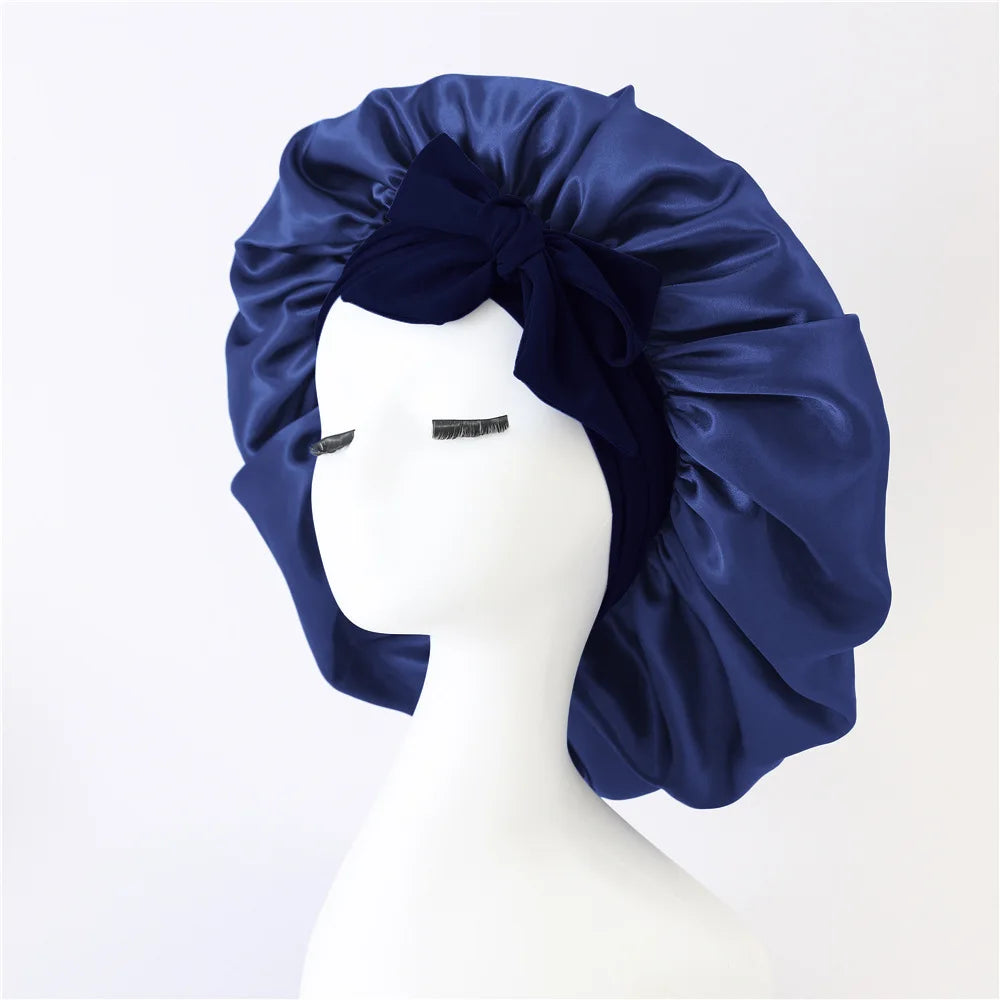
Sleeping satin bonnet = frizz-free mornings — try it today
Frequently Asked Questions
How do I stop my bonnet from falling off at night?
Use an adjustable bonnet, position it slightly behind your hairline, and secure your hair in a loose protective style before sleeping.
Why does my silk bonnet fall off at night?
Silk bonnets may slip due to their smooth texture, improper sizing, or insufficient band tension.
How should I sleep with a bonnet?
Wear a properly fitted bonnet over loosely gathered hair and use a satin pillowcase as additional protection.
How tight should a bonnet be?
A bonnet should stay secure without causing pressure, headaches, or forehead marks.
Is it bad to wear a bonnet every night?
No. Daily bonnet use is generally beneficial when the bonnet fits comfortably.
Can I wear a bonnet with wet hair?
It's best to avoid wearing bonnets on soaking wet hair because trapped moisture may contribute to scalp irritation.
Should I use a bonnet and satin pillowcase together?
Yes. Combining both methods provides maximum overnight hair protection.
Looking for more hair care tips and trusted advice? Visit our Hair, Skin & Nail Blog or explore expert-approved Hair Care and Styling Devices to enhance your entire sleep routine.
Pillar Article: How to Wear a Bonnet to Sleep Without Waking Up a Mess
Other Related Articles:
- Voice Search: How Do You Wear a Satin Bonnet to Sleep?
- How to Pick the Best Satin Bonnet for Sleeping Comfort
- How to Sleep With a Silk Bonnet Without Flattening Your Curls
- How to Tie an Adjustable Satin Bonnet That Stays On All Night
Explore More:













