
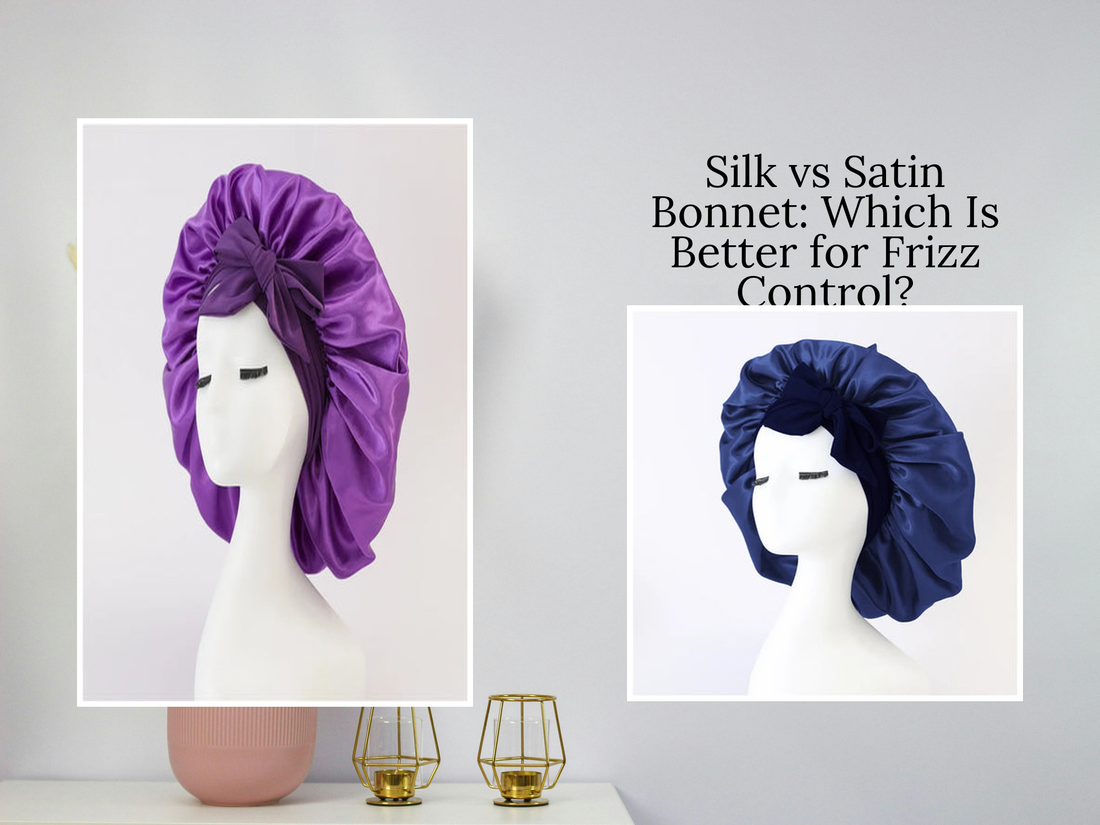
Silk or Satin Bonnet: Which Is Better for Hair Protection, Moisture Retention, and Frizz Control?
Silk and satin bonnets have become essential tools for protecting hair overnight. But when comparing a satin vs silk bonnet , many people wonder which fabric actually works better for frizz control, moisture retention, and overall hair health. Both options reduce friction while you sleep, helping protect delicate strands from breakage, dryness, tangling, and style disruption.
If you've ever woken up with flyaways, flattened styles, or tangled ends, the material you sleep in can make a noticeable difference. In this guide, we'll compare silk and satin bonnets, explain how they protect hair, explore their pros and cons, and help you choose the best option for your hair type and budget.
⏱ 8 min read
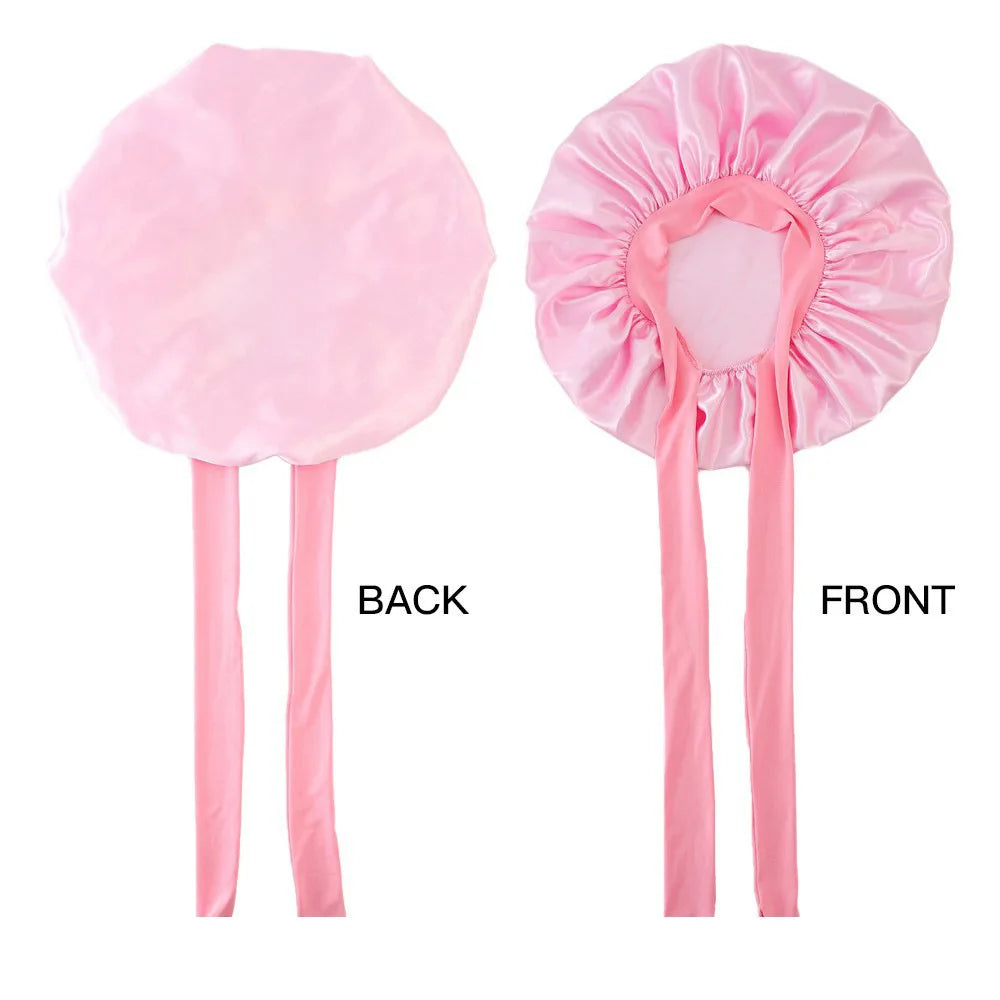
See it in action: sleeping satin bonnet + frizz control combo for sleek results
Silk vs Satin Bonnet: Quick Comparison
Key Differences at a Glance
A silk bonnet is made from natural silk fibers, while a satin bonnet refers to a smooth weave that is usually made from polyester, nylon, or silk. Both can reduce friction and help prevent frizz, but they differ significantly in cost, breathability, durability, and maintenance requirements.
Silk vs Satin Bonnet Comparison Table
| Feature | Silk Bonnet | Satin Bonnet |
|---|---|---|
| Material | Natural protein fiber produced by silkworms | Smooth weave usually made from polyester or nylon |
| Friction Reduction | Excellent | Very good |
| Moisture Retention | Generally superior | Better than cotton pillowcases |
| Breathability | Highly breathable | Depends on fabric quality |
| Cost | Premium pricing | Budget-friendly |
| Durability | Requires delicate care | Often more durable |
| Maintenance | Hand washing recommended | Easier to wash and maintain |
| Best For | Maximum hair protection | Everyday use and value |
What Is Silk vs What Is Satin?
What Is Silk?
Silk is a natural protein fiber produced by silkworms. Its smooth surface creates less friction against hair strands, helping reduce tangles, breakage, and overnight frizz. Premium silk bonnets are commonly measured by momme weight, which indicates fabric density and quality.
What Is Satin?
Satin is not a fiber. It is a weaving technique that creates a glossy, smooth surface. Satin bonnets are typically made from polyester or nylon, although satin can also be made from silk.
Why Satin Is Not the Same as Silk
Many shoppers assume satin and silk are interchangeable. In reality, silk refers to the fiber itself, while satin describes how a fabric is woven. This means two satin bonnets can perform very differently depending on the material used to create them.
Why Fabric Structure Matters for Hair
The smoother a fabric surface, the less friction it creates against the hair cuticle. Reduced friction can help minimize breakage, preserve hairstyles, and limit frizz that develops from repeated rubbing against rough bedding.
How Silk and Satin Bonnets Protect Hair While You Sleep
How Bonnets Reduce Friction
Hair repeatedly rubs against pillows during sleep. Smooth bonnet fabrics reduce surface friction, helping limit cuticle lifting, tangling, and mechanical damage. If hair breakage is a concern, pairing a bonnet with a gentle nighttime haircare routine can further minimize stress on fragile strands.
How Bonnets Help Maintain Moisture
Both silk and satin absorb less moisture from hair than many cotton pillowcases. This helps preserve hydration levels, supports healthier-looking strands, and reduces dryness-related frizz.
How Bonnets Protect the Hair Cuticle
The hair cuticle acts as a protective outer layer. Less friction means less cuticle disruption, which can contribute to smoother-looking hair, improved shine, and easier styling the next morning.
Why Bonnets Reduce Frizz Overnight
Frizz often develops when raised cuticles catch on surrounding strands. By minimizing friction and helping retain moisture, bonnets create conditions that support smoother hair by morning.
Silk vs Satin Bonnet for Frizz Control
Do Bonnets Help With Frizz?
Yes. Bonnets help reduce friction, preserve moisture, and prevent excessive movement of hair during sleep. These factors can significantly reduce morning frizz and make hair easier to manage.
Silk vs Satin Bonnet for Frizz Control
Both materials can be effective for frizz reduction. Silk may provide a slight advantage because of its natural fiber properties and breathability, but high-quality satin bonnets also perform exceptionally well for many users.
Which Material Performs Better in Humid Conditions?
Silk tends to regulate temperature and airflow more effectively, which may improve comfort in warm environments. However, bonnet fit and overall fabric quality often influence results more than material alone.
Do Bonnets Work for Straight Hair?
Yes, sleeping bonnets can benefit straight hair just as much as curly hair. The primary advantage comes from reducing friction between hair and bedding.
Silk or Satin Bonnet for Straight Hair
Both silk and satin help preserve smoother styles overnight. Straight hair often develops flyaways and static from friction, making either bonnet a useful addition to a nighttime routine.
Benefits for Fine Hair
Fine hair is more susceptible to breakage and tangling. Silk's exceptionally smooth surface may offer additional protection, although quality satin remains highly effective.
Benefits for Thick Straight Hair
Thicker hair can benefit from reduced friction and improved style retention. A properly fitted bonnet can help prevent overnight tangles while maintaining smoother lengths.
Common Mistakes That Cause Slipping
- Choosing a bonnet that is too large.
- Using loose elastic bands.
- Not securing long hair properly before sleeping.
- Selecting low-quality materials with poor grip.
Satin Bonnet vs Silk Bonnet: Pros and Cons
Pros and Cons of Satin Bonnets
- Affordable and widely available.
- Easy to wash and maintain.
- Good frizz and moisture protection.
- May be less breathable than silk.
- Quality varies significantly between manufacturers.
Pros and Cons of Silk Bonnets
- Natural fiber construction.
- Excellent breathability and comfort.
- Strong moisture-retention benefits.
- Usually more expensive.
- Requires gentler washing and care.
Cost vs Long-Term Value Analysis
Satin often delivers the best value-per-dollar for most users. Silk may justify its higher cost for people with highly damaged, color-treated, or fragile hair who prioritize premium materials and long-term comfort.
Which Is Better Satin or Silk Bonnet for Different Hair Types?
Curly Hair
Curly hair benefits from reduced friction and moisture preservation. Both silk and satin help maintain curl definition while minimizing tangles and frizz.
Coily and Natural Hair
Coily textures often require extra moisture retention. Silk and satin can both help preserve hydration while protecting delicate curl patterns overnight.
Straight Hair
Straight hair benefits from smoother cuticles, fewer flyaways, and improved style longevity when protected from pillowcase friction.
Fine Hair
Fine hair may benefit slightly more from silk because of its exceptionally smooth surface, though satin remains an effective alternative.
Thick Hair
Thick hair often requires a larger bonnet size and secure fit. Both materials provide excellent overnight protection.
Damaged or Color-Treated Hair
Chemically treated hair is often more fragile. Silk's softness and breathability may provide additional comfort and protection for compromised strands.
Protective Styles and Braids
For braids, twists, locs, and other protective styles, both satin and silk help maintain neatness while reducing frizz and moisture loss.

✨ Adjustable silk bonnet paired with anti-frizz spray — sleek mornings made easy
Silk vs Satin Bonnet for Skin Benefits
Reduced Facial Friction
Smoother fabrics create less rubbing against facial skin throughout the night, which may help reduce sleep-related creasing.
Moisture Retention for Skin
Because silk and satin absorb less moisture than many traditional fabrics, they may help skincare products remain on the skin rather than transferring to bedding.
Acne and Sensitive Skin Considerations
Regular cleaning matters more than fabric choice alone. A clean bonnet can help reduce buildup of oils, sweat, and styling products that contact both hair and skin.
How to Choose Between a Silk or Satin Bonnet
Budget vs Luxury Materials
Satin bonnets are usually more affordable, making them a popular everyday option. Silk bonnets cost more because they use natural fibers and require more specialized production.
Breathability and Comfort
Silk naturally regulates temperature and airflow well. Satin can still be comfortable, but breathability varies depending on fabric composition and construction quality.
Durability Expectations
Quality satin often tolerates frequent washing and daily use better than delicate silk. Durability ultimately depends on construction quality and care habits.
Climate and Sleeping Habits
Hot sleepers may prefer silk's breathability, while satin offers excellent protection for users who prioritize affordability and easy maintenance.
How to Identify a High-Quality Bonnet
Understanding Momme Weight in Silk
For silk bonnets, look for a momme weight generally ranging from 19 to 25. Higher momme fabrics are typically denser, more durable, and longer lasting.
Evaluating Satin Quality
A quality satin bonnet should feel smooth, consistent, and substantial rather than thin or rough. Double-layer construction often improves durability and performance.
Elastic Bands and Fit
A bonnet should stay secure without creating excessive tension around the hairline. Adjustable bands can improve comfort and reduce slipping.
Choosing the Right Size
Select a bonnet large enough to accommodate your hair volume, protective styles, or braids without compressing them overnight.
Satin vs Silk Bonnet Maintenance and Care Guide
How to Wash Satin Bonnets
Satin bonnets can typically be washed with mild detergent using cold water. Many are machine washable, though a gentle cycle is recommended.
How to Wash Silk Bonnets
Silk bonnets should usually be hand washed with a gentle detergent designed for delicate fabrics. Avoid harsh wringing, direct sunlight, and high heat to preserve the fibers.
How Often Should You Wash a Bonnet?
Most people should wash their bonnet every one to two weeks. More frequent washing may be beneficial if you regularly use styling products, oils, or leave-in treatments.
Storage and Longevity Tips
Store bonnets in a clean, dry location away from direct sunlight. Proper storage and gentle cleaning help extend fabric life and maintain performance.
Final Verdict: Is a Silk or Satin Bonnet Better?
Best Choice for Maximum Hair Protection
Silk is typically the premium option because of its natural fiber composition, breathability, and moisture-friendly properties.
Best Choice for Budget Shoppers
High-quality satin bonnets provide excellent frizz control and hair protection at a much lower price point.
Best Choice by Hair Type
Curly, coily, damaged, and color-treated hair may benefit most from silk, while satin remains an effective option for straight, fine, thick, and everyday hair care routines. For most users, the best bonnet is the one that fits properly, stays on overnight, and is used consistently.
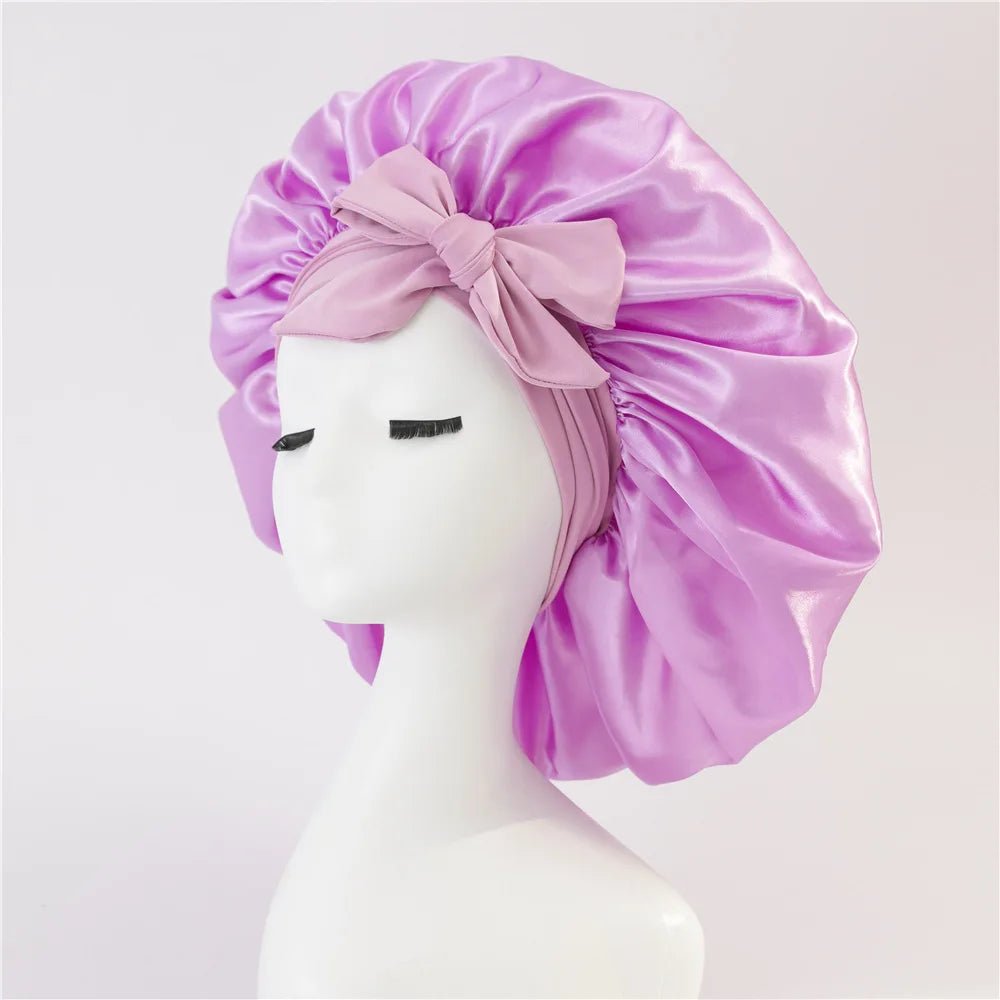
♀️ Make frizz-free mornings a ritual — satin bonnets meet style + function
FAQ
Are silk or satin bonnets better?
Neither is universally better. Silk offers premium performance, while satin provides excellent protection at a lower cost.
Are satin bonnets as good as silk?
High-quality satin bonnets can provide similar frizz-reduction benefits, although silk typically offers greater breathability.
Is a silk or satin bonnet better for hair?
Both can protect hair from friction and moisture loss. The best choice depends on your budget, hair type, and comfort preferences.
Do satin bonnets work as well as silk?
For many people, yes. Satin can deliver comparable hair-protection benefits despite costing less.
Do bonnets prevent frizz?
Bonnets help reduce frizz by minimizing friction and helping hair retain moisture overnight.
Do bonnets work for straight hair?
Yes. Bonnets can help straight hair stay smoother, reduce tangles, and limit friction-related frizz.
Which bonnet lasts longer?
Longevity depends on quality and care. Well-made satin often tolerates frequent washing better, while premium silk can last for years with proper maintenance.
Can you wear a bonnet every night?
Yes. Consistent nightly use is typically recommended to maximize hair-protection benefits.
Explore more frizz-fighting beauty tips in our Hair, Skin & Nail Blog or discover tech-enhanced solutions from our Hair Care and Styling Devices collection.
Pillar Article: 7 Satin Bonnet Benefits You Didn’t Know You Needed
Other Related Articles:
- What Is a Sleeping Bonnet for Fine Hair — and Do You Need One?
- The Best Satin Bonnets for Sleeping (Tried & Rated)
- Sleeping Bonnet Silk Test: What Actually Works Overnight?
- Best Adjustable Satin Bonnets for Every Hair Type (2025 Review)
Explore More:













