

⏱ 7 min read
Skin Moisture Sensor: How It Works, Accuracy, Moisture Meter Numbers & Buying Guide
A skin moisture sensor is more than a simple beauty gadget—it is a tool that helps you understand how hydrated your skin really is. Instead of relying only on how your skin feels, a digital skin moisture meter provides measurable feedback about surface hydration levels. Whether you are comparing a skin hydration tester, moisture detector, or professional hydration analyzer, understanding how these devices work helps you choose the right tool. This guide explains skin moisture measurement, sensor technology, moisture meter numbers, accuracy, testing methods, and how to select the best device for your skincare needs.
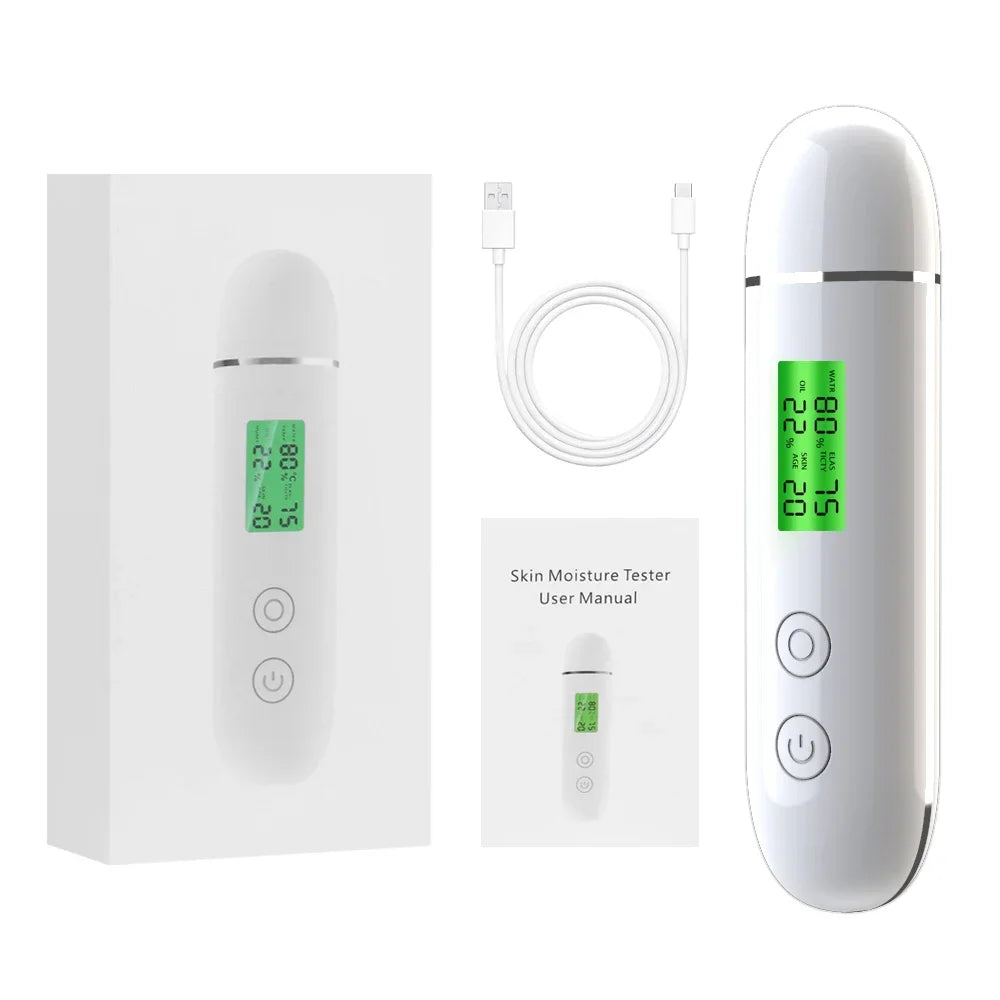
See it in action — skin moisture sensor that gives real data, not just a guess
What Is a Skin Moisture Sensor?
A skin moisture sensor is a handheld device designed to estimate hydration levels in the outer layer of skin. These devices use electrical measurement methods such as capacitance, dielectric analysis, or bio-impedance to evaluate changes associated with skin moisture.
Unlike visual inspection, a skin hydration sensor provides numerical feedback that can help users monitor changes caused by skincare routines, weather conditions, lifestyle, and product use.
How Skin Hydration Is Measured
Skin hydration measurement evaluates the amount of water contained within the outermost layer of skin, known as the stratum corneum. A skin moisture sensor estimates hydration by measuring changes in electrical properties rather than directly measuring water itself.
What Is Skin Hydration Measurement?
Skin hydration testing helps determine whether skin is adequately moisturized, dehydrated, or excessively dry. Digital skin moisture meters generate repeatable numerical values that allow users to monitor skincare progress over time.
Skin Moisture vs Skin Barrier vs TEWL
Skin moisture reflects water content, while transepidermal water loss (TEWL) measures how quickly water escapes through the skin barrier. Together, these measurements provide a more complete picture of hydration balance and skin barrier performance.
Why the Stratum Corneum Matters
Because most skin moisture sensors measure the outer skin layer, hydration readings mainly reflect the condition of the stratum corneum rather than deeper skin tissue.
How Does a Skin Moisture Sensor Work?
Most skin hydration sensors estimate water content by measuring changes in the skin's electrical characteristics. Water conducts electricity differently than dry skin, allowing the sensor to estimate hydration levels.
Capacitance Measurement
Capacitance sensors measure how much electrical charge the skin can store. Hydrated skin has a higher dielectric constant than dry skin, producing higher capacitance values.
Dielectric Constant Explained
Water has a much higher dielectric constant than skin proteins and lipids. As hydration increases, the dielectric properties measured by the sensor also increase.
Corneometry Technology
Corneometry is a capacitance-based technique widely used in cosmetic research to evaluate stratum corneum hydration. Professional corneometers are commonly used when repeatable hydration measurements are required.
Bio-Impedance Technology
Bio-impedance devices send a very small electrical current through the skin and calculate resistance changes associated with water content.
What Does the Sensor Actually Detect?
A skin moisture detector does not directly detect water molecules. Instead, it measures electrical characteristics that correlate with skin hydration levels.
Types of Skin Moisture Sensors
Modern skin hydration testers use different technologies depending on accuracy requirements, price, and intended use.
Digital Skin Moisture Meter
A digital skin moisture meter is designed for everyday skincare tracking. It provides fast readings and is popular among home users who want hydration feedback.
Skin Hydration Sensor
A skin hydration sensor focuses on measuring moisture changes over time and helps users evaluate whether skincare products improve hydration.
Professional Corneometer
Professional corneometers are commonly used in cosmetic testing and research because they provide standardized hydration measurements.
Multi-Function Skin Analyzer
Multi-function analyzers combine moisture testing with additional measurements such as oil balance or other skin condition indicators.
Optical Moisture Detection Systems
Optical systems analyze reflected light from the skin surface. These are typically found in advanced professional environments rather than basic consumer devices.
Skin Moisture Sensor Technologies Compared
Accuracy
Professional corneometers generally provide the highest repeatability, while consumer digital skin moisture meters prioritize convenience and affordability.
Cost
- Consumer devices for personal skincare monitoring
- Professional esthetician devices
- Clinical research instruments
Best Use Cases
- Personal skincare monitoring
- Spa consultations
- Dermatology practices
- Cosmetic product testing
Advantages & Limitations
Each technology balances portability, precision, calibration requirements, and cost. Consumer sensors are convenient, while professional systems focus on higher measurement consistency.
Understanding Moisture Meter Numbers
Most moisture meter skin devices display relative hydration values rather than absolute percentages. These numbers allow consistent comparison when measurements are taken under similar conditions.
What Moisture Meter Numbers Mean
Higher readings generally indicate greater hydration, but scales differ between manufacturers and sensor technologies.
Typical Moisture Ranges
- Low hydration — often indicates drier skin conditions
- Normal hydration — balanced moisture levels
- Well-hydrated skin — higher moisture readings
Why Scores Differ Between Devices
Different sensor technologies, calibration methods, probe designs, and algorithms produce different moisture meter numbers.
Professional vs Consumer Skin Moisture Meters
Home Users
Portable digital skin moisture meters provide quick hydration monitoring for daily skincare routines.
Estheticians
Beauty professionals often use higher-grade analyzers with improved repeatability for consultations.
Dermatology Clinics
Clinical devices typically include calibration procedures and standardized testing protocols.
Cosmetic Research
Research laboratories use validated instruments capable of producing reproducible hydration measurements.
How to Perform a Reliable Skin Moisture Test
Preparing Your Skin
Allow skin to acclimate to room conditions for several minutes and avoid applying skincare immediately before testing.
Step-by-Step Skin Hydration Testing
- Clean the skin.
- Wait for stabilization.
- Place the probe flat.
- Take three readings.
- Average the results.
Common Testing Errors
- Testing after exercise
- Testing immediately after cleansing
- Inconsistent probe placement
- Pressure differences
When to Test for Best Accuracy
Measure at the same time each day under consistent environmental conditions.
Are Skin Moisture Sensors Accurate?
Calibration
Proper calibration improves consistency and long-term reliability.
Repeatability
Reliable devices should produce similar readings when repeated under identical conditions.
Environmental Factors
- Temperature
- Humidity
- Recent washing
- Skincare products
Device Limitations
Consumer skin moisture monitors estimate hydration rather than providing laboratory-grade measurements.
Real-World Applications of Skin Moisture Sensors
- Tracking skincare effectiveness
- Monitoring seasonal hydration changes
- Supporting esthetic consultations
- Evaluating cosmetic formulations
- Clinical dermatology assessments
- Academic skin research
How to Choose the Best Skin Moisture Sensor
Measurement Technology
Choose capacitance or corneometry-based devices for consistent hydration monitoring.
Display & Moisture Meter Numbers
Look for clear numerical readings with consistent scales.
Memory Features
Stored readings make long-term hydration tracking easier.
Accuracy
Look for repeatability specifications rather than absolute accuracy claims.
Budget
Select a device that matches your intended use, from personal skincare to professional practice.
How Does the KentDO Digital Skin Moisture Meter Compare?
The KentDO digital skin moisture meter combines moisture measurement with oil analysis, making it suitable for users who want a broader understanding of their skin condition.
| Feature | KentDO | Basic Meter | Professional Corneometer |
|---|---|---|---|
| Moisture Testing | Digital hydration reading | Basic hydration estimate | Professional measurement |
| Oil Analysis | ✅ Yes | ❌ No | Varies |
| Portability | ✅ Compact | ✅ Compact | Usually larger |
Explore more tools like this in our Skin and Beauty Care Devices or see our Body Care & Health Devices collection.
Is the KentDO Skin Moisture Sensor Worth Buying?
Best For
Home skincare enthusiasts seeking convenient hydration monitoring.
Pros
- Portable
- Easy to operate
- Quick readings
- Affordable
Limitations
- Not laboratory-grade
- Sensitive to testing conditions
- Requires consistent technique
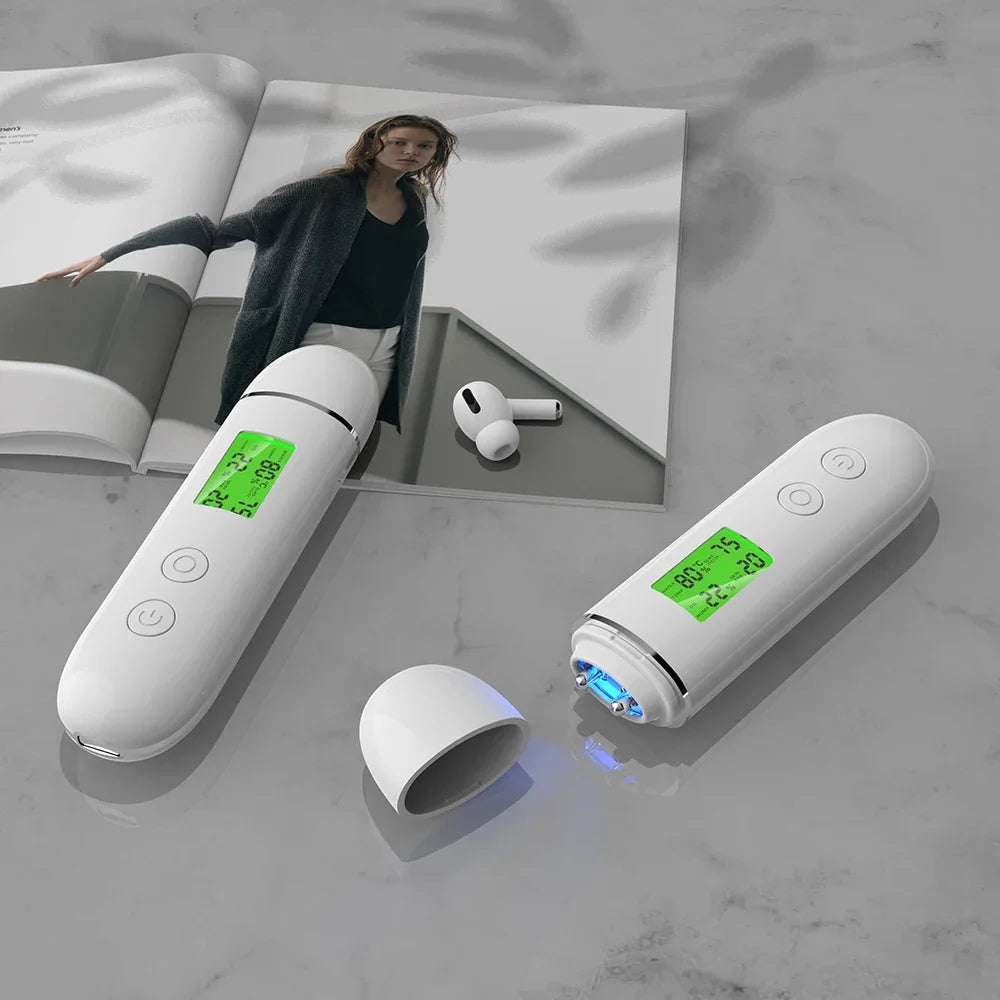
Track your glow daily with the digital skin moisture meter from KentDO
Frequently Asked Questions
What is a moisture detector?
A moisture detector is a device that estimates moisture levels by measuring changes in electrical or dielectric properties. In skincare, it estimates hydration within the stratum corneum.
How does a moisture detector work?
Most skin moisture detectors use capacitance or bio-impedance technology to estimate hydration from electrical measurements.
What is a good skin moisture level?
Normal ranges depend on the device because manufacturers use different scoring systems.
Do digital skin moisture meters really work?
Yes, they provide useful relative measurements when used consistently under similar conditions.
Can skin hydration sensors replace dermatologist testing?
No. Consumer devices supplement skincare monitoring but are not diagnostic medical tools.
How often should I perform skin hydration testing?
Testing once daily or several times per week under consistent conditions provides meaningful trend data.
Why do moisture meter numbers change?
Hydration, temperature, humidity, skincare products, and probe placement all influence readings.
Which skin moisture sensor is most accurate?
Professional corneometers generally provide the highest repeatability, while consumer devices prioritize convenience and affordability.
Pillar Article: The Science Behind Skin Analyzer Machines: What You Didn’t Know













