
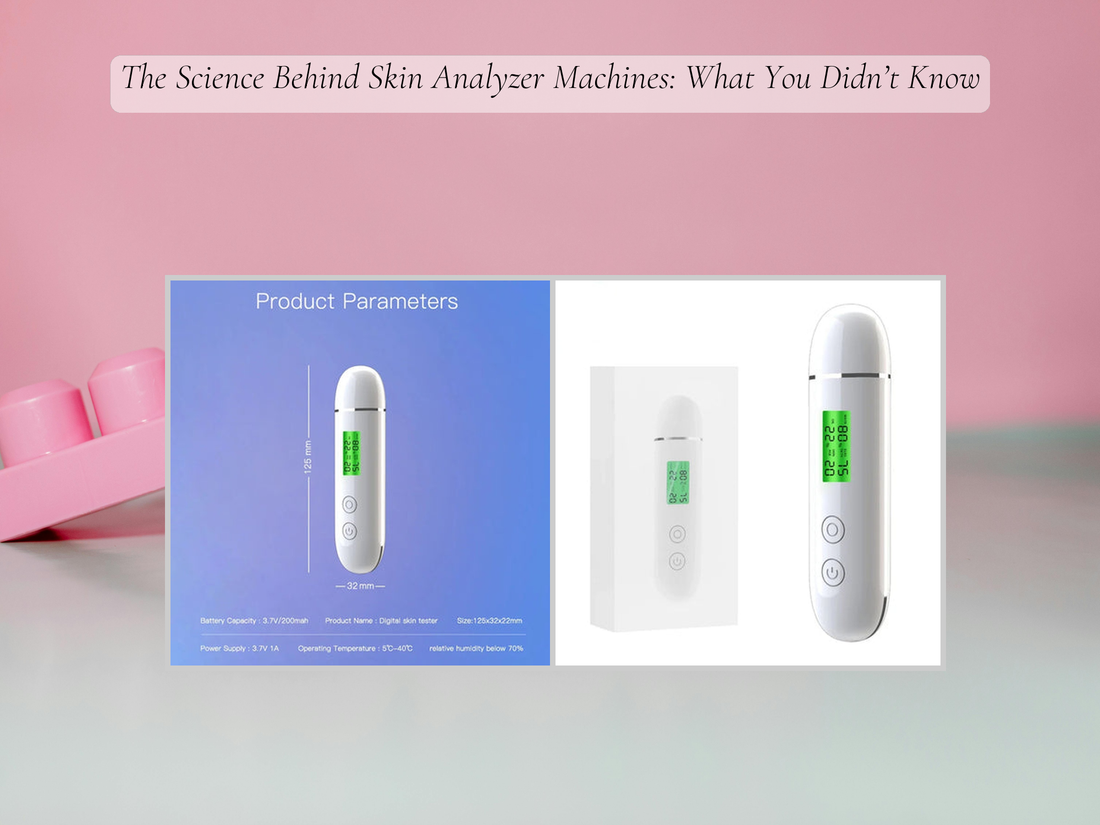
Skin Scanning Technology: How Modern Skin Analyzer Machines Actually Work
What Is Skin Scanning Technology?
Skin scanning technology refers to digital imaging systems used to analyze the condition of facial skin. These systems combine high-resolution cameras, specialized lighting, and software algorithms to evaluate multiple skin parameters such as hydration levels, wrinkles, pores, pigmentation, and elasticity.
A modern skin analyzer machine captures detailed images of the skin’s surface and sometimes its subsurface layers. The software then compares the captured data with dermatological models or large skin databases to generate an objective analysis of skin health.
Skin scanning technology is widely used in dermatology clinics, beauty retail environments, research laboratories, and increasingly in consumer skincare devices. By transforming visual skin observations into measurable data, these systems help professionals and consumers understand skin conditions more accurately.
Evolution from Traditional Skin Analysis to AI Imaging
Traditional skin assessments relied heavily on visual inspection by dermatologists or estheticians. While expert evaluation is still valuable, human observation alone can miss subtle changes in hydration, pigmentation, or pore size.
Modern skin analyzer technology enhances this process through computer vision and artificial intelligence. Advanced facial skin scanners can now detect micro-texture variations, UV damage, and underlying pigmentation patterns that may not be visible under normal lighting conditions.
Where Skin Analyzer Devices Are Used Today
- Dermatology clinics for medical skin diagnostics
- Cosmetic clinics to evaluate treatment outcomes
- Beauty retail stores offering personalized skincare consultations
- Research laboratories studying skin health and aging
- At-home skincare devices and mobile scanning applications
A skin analyzer machine does more than scan—it decodes hidden layers of your skin health. From pinpointing hydration levels with a moisture testing meter to evaluating firmness via a skin elasticity test face, these high-tech tools offer clinical-grade insights. Even the compact moisture reading gun delivers surprising accuracy. But how do these features truly work—and what secrets could your skin analyzer device be revealing without you knowing?
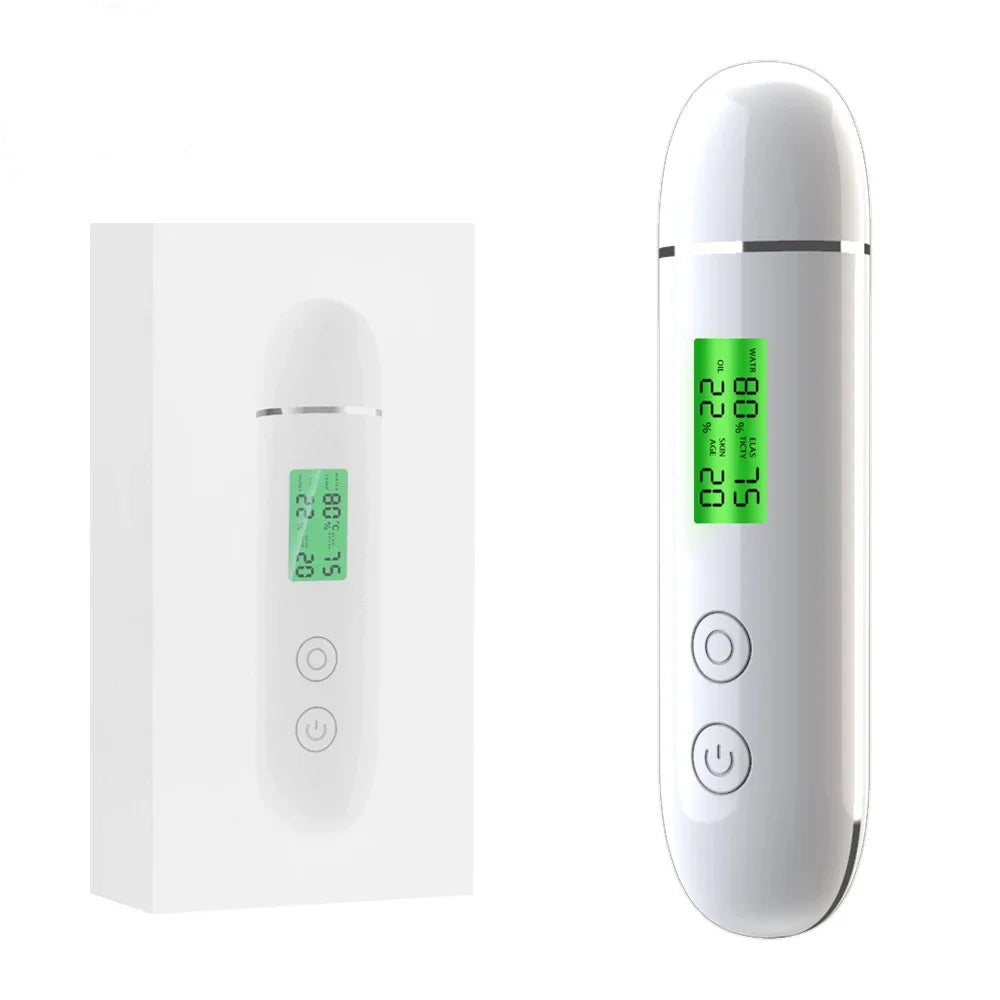
💡 See it in action: skin analyzer machine with moisture reading gun & elasticity test face
How Does Skin Scanning Technology Work?
Skin scanning technology works by combining specialized imaging hardware with analysis software. A skin analyzer device captures detailed facial images under controlled lighting conditions and processes those images using algorithms trained to identify common skin characteristics and conditions.
The result is a structured report describing the skin’s condition across measurable parameters such as hydration, elasticity, pore size, pigmentation, and surface texture.
Step-by-Step Skin Scan Process
- The user positions their face in front of the facial skin scanner.
- The device captures images using different lighting modes.
- The skin analysis machine processes images using pattern recognition algorithms.
- The software measures key indicators such as moisture levels and pore distribution.
- A digital report is generated showing skin condition and potential concerns.
Imaging Technologies Behind Facial Skin Scanners
Most skin analyzer machines rely on several imaging technologies to reveal different aspects of skin health.
- RGB imaging: Captures natural skin appearance and visible features.
- UV photography: Highlights sun damage, pigmentation, and bacteria.
- Cross-polarized lighting: Reduces surface reflection to reveal deeper structures.
- Multispectral imaging: Uses multiple wavelengths to analyze subsurface layers.
AI Analysis and Skin Condition Detection
Once images are captured, the system analyzes them using machine learning models. These algorithms compare skin patterns with large dermatological datasets to identify indicators such as dehydration, uneven pigmentation, enlarged pores, and early wrinkles.
This automated analysis helps dermatologists, skincare professionals, and home users receive more consistent insights compared with subjective visual assessments.
What Can a Skin Analysis Machine Measure?
A modern skin analysis machine evaluates several biological and structural characteristics of the skin. These measurements help dermatologists and skincare professionals identify specific skin concerns and monitor improvement over time.
Skin Hydration Measurement Devices
Hydration is one of the most commonly measured skin parameters. A skin hydration measurement device typically uses electrical conductance or capacitance technology to estimate the water content of the outer skin layer.
Adequate hydration improves elasticity and smoothness, while low hydration levels often contribute to dryness, flaking, and premature aging.
Skin Elasticity Testing Technology
Elasticity tests measure how well skin returns to its original shape after being stretched or compressed. A skin elasticity test face device may use suction sensors or optical deformation analysis to determine firmness and collagen strength.
Lower elasticity readings often indicate aging skin or reduced collagen production.
Pores, Pigmentation, Wrinkles, and Texture Analysis
Facial skin scanners also analyze visible characteristics that influence overall skin appearance.
- Pore size and density
- Wrinkle depth and distribution
- Hyperpigmentation and dark spots
- Skin texture and smoothness
- Redness and vascular visibility
By evaluating these features together, skin analyzer devices provide a more complete view of skin health than traditional visual assessments.
Common Types of Skin Analyzer Devices
Clinical Dermatology Imaging Systems
Clinical skin analysis systems used in dermatology clinics often include multispectral imaging cameras, AI-driven software, and advanced measurement sensors. These machines help physicians evaluate conditions such as acne severity, pigmentation disorders, and photoaging.
Beauty Retail Skin Analysis Devices
Many skincare brands deploy compact skin scanners in retail environments. These systems allow beauty advisors to analyze a customer’s hydration level, pore visibility, and skin tone before recommending skincare products.
At-Home Skin Analyzer Machines
Consumer skin analyzer machines provide simplified versions of professional technology. They typically include hydration sensors, oil detection probes, and elasticity testing features to help users track skincare progress between professional consultations.
Why Use a Skin Analyzer Device at Home?
Owning a skin analyzer device allows users to track measurable skin parameters without visiting a clinic. Instead of relying solely on visual observation, the device provides digital readings that help identify subtle changes in hydration, oil balance, or firmness.
- Monitor hydration levels and oil balance over time
- Evaluate whether skincare products are working
- Identify early signs of dehydration or aging
- Track measurable progress in skincare routines
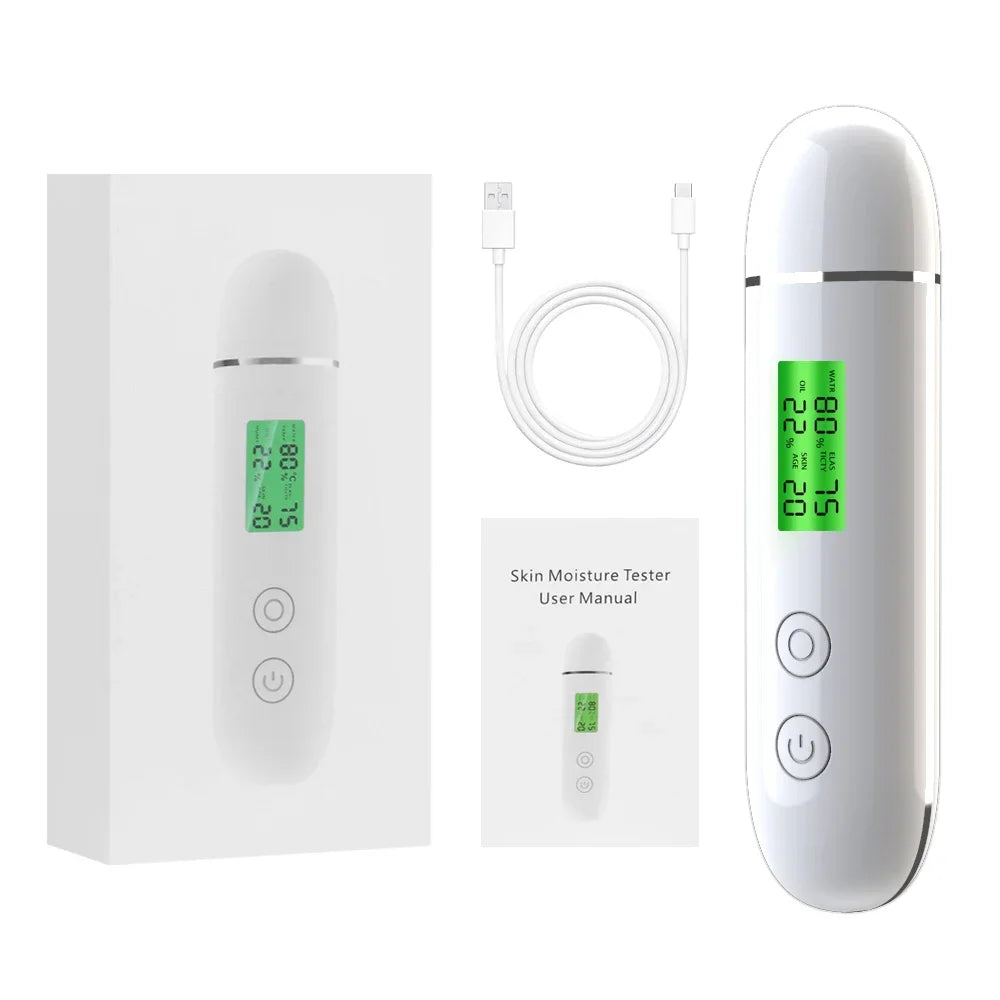
💡 See it in action: skin analyzer machine for hydration level checker & deep pore cleansing
What Makes a Skin Analyzer Machine Unique?
The skin analyzer machine integrates multiple diagnostic tools into a single device. By combining moisture testing meters, oil detection sensors, and elasticity measurement technology, it produces objective skin health metrics normally available only in professional environments.
| Feature | Benefit |
|---|---|
| Moisture Testing Meter | Measures hydration before and after product use |
| Elasticity Sensor | Evaluates firmness and potential collagen loss |
| Oil Detection Sensor | Identifies dry vs oily facial zones |
| AI Analysis | Generates structured skin condition reports |
Understanding Moisture Testing Meters
A moisture testing meter is a specialized device designed to measure the hydration level of the skin. These sensors are often integrated into skin analyzer machines but can also exist as standalone handheld instruments.
Most hydration meters estimate skin moisture using bioelectrical impedance or capacitance technology. Because water conducts electricity differently than dry skin tissue, the device calculates hydration levels by measuring electrical resistance across the skin surface.
The readings produced by a moisture testing meter help identify dehydration, monitor skincare treatments, and evaluate the effectiveness of moisturizers or serums.
In professional skincare analysis, hydration data is often combined with elasticity and pigmentation measurements to create a comprehensive skin health profile.
Skin Elasticity Test Face: What It Measures and Why It Matters
A skin elasticity test evaluates how well facial skin stretches and returns to its original position. Elasticity is largely determined by collagen and elastin fibers in the dermis, which naturally decline with age.
Many skin analyzer devices perform elasticity measurements using suction sensors or optical deformation analysis. The device gently pulls the skin and records how quickly it rebounds.
- Skin firmness
- Collagen health
- Early signs of aging
- Skin resilience after cosmetic treatments
Because elasticity changes gradually over time, regular testing helps professionals and consumers track skin aging more objectively.
Moisture Testing Meter vs Traditional Skin Assessment
Digital moisture testing meters provide a measurable hydration value, while traditional skin assessment methods rely on subjective observation.
| Tool | Accuracy | Ease of Use | Skin Insights |
|---|---|---|---|
| Moisture Reading Gun | ✅ High | ✅ Very easy | ✅ Quantifiable |
| Finger test (touch/feel) | ❌ Low | ✅ Easy | ❌ Subjective |
| Mirror reflection | ❌ Low | ✅ Easy | ❌ No detail |
How to Use a Skin Analyzer Machine Effectively
To obtain consistent results, skin scanning should be performed under similar conditions each time. Clean skin and proper sensor placement help ensure accurate readings.
- Cleanse the face thoroughly and allow the skin to dry.
- Power on the analyzer and select the measurement mode.
- Place the moisture probe or elasticity tester gently against the skin.
- Wait for the device to display the measurement.
- Record the results to monitor changes over time.
Many skincare professionals recommend performing scans weekly or when introducing new skincare products to track their effects.
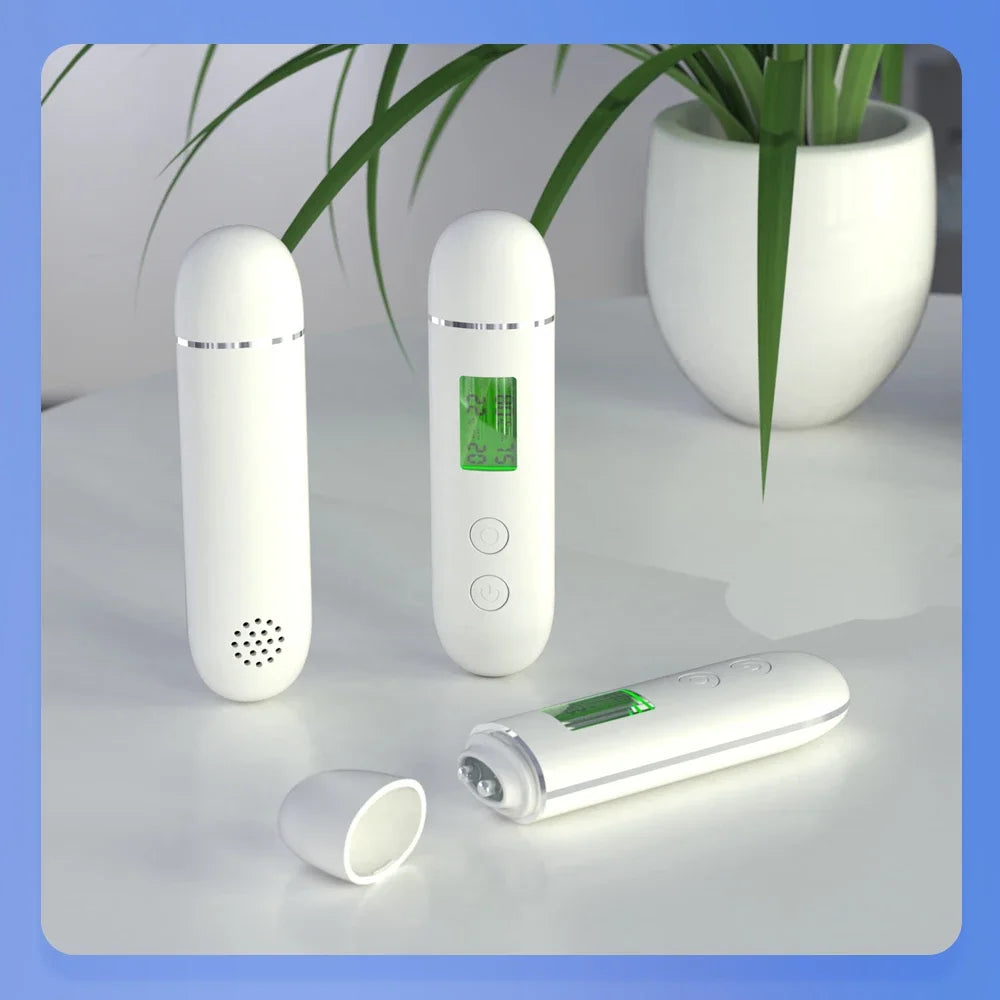
💡 See it in action: skin analyzer machine with moisture testing meter for face
Real-World Applications of Skin Analyzer Technology
Skin scanning technology is widely used across medical, cosmetic, and retail environments. The ability to convert skin characteristics into measurable data makes these systems valuable for both diagnostics and personalized skincare recommendations.
Dermatology and Medical Skin Diagnostics
Dermatologists use advanced skin analysis machines to evaluate conditions such as acne severity, pigmentation disorders, and early signs of skin aging. The technology provides objective measurements that support clinical decision-making.
Cosmetic Clinics and Aesthetic Treatments
In aesthetic medicine, facial skin scanners help practitioners evaluate treatment outcomes for procedures such as chemical peels, laser resurfacing, and anti-aging therapies.
Retail Skincare Consultations
Beauty retailers frequently use compact skin analyzer devices to provide personalized skincare consultations. By analyzing hydration levels, pore size, and texture, advisors can recommend products that match a customer’s specific skin needs.
Future Trends in Skin Analyzer Technology
Advancements in artificial intelligence and imaging hardware are rapidly improving skin analysis technology. New systems are integrating deeper imaging capabilities and predictive algorithms that estimate future skin aging patterns.
- AI models trained on large dermatology datasets
- Multispectral imaging capable of deeper skin analysis
- Mobile skin scanning applications connected to smartphones
- Cloud-based skin monitoring platforms for long-term tracking
As these technologies mature, skin analyzer machines are expected to become even more accurate and widely available in both professional and home skincare environments.
FAQ About Skin Scanning Technology
-
How accurate are skin analyzer machines?
Most modern skin analyzer devices provide reliable hydration, oil, and elasticity measurements. While they do not replace medical diagnostics, they offer useful data for tracking skin condition trends. -
Can skin scanning technology detect skin diseases?
These devices can highlight indicators such as redness, pigmentation, or texture irregularities, but medical diagnosis should always be performed by a dermatologist. -
Are at-home skin analyzer devices reliable?
Consumer skin analyzers can produce consistent readings when used correctly. Their accuracy improves when measurements are taken under the same conditions each time. -
How often should you scan your skin?
Scanning once or twice per week is generally sufficient to track hydration, elasticity, and other skin health indicators.
Related Articles:
- Why Skin Moisture Sensors Matter More Than You Think
- Does a Moisture Meter Detect Mold or Just Skin Dryness?
Pillar Articles:













