
How to Stop Clippers From Pulling Hair (Quick Fix Guide)
Why Are My Clippers Pulling Hair Instead of Cutting?
If your clippers are pulling hair instead of cutting cleanly, the problem is usually mechanical, maintenance-related, or technique-related. In most cases, the issue can be fixed without replacing the entire clipper.
Whether you have new clippers pulling hair, cordless clippers snagging during fades, or a trimmer pulling hair around sensitive areas, identifying the exact cause is the fastest way to solve the problem.
The 7 Most Common Reasons Clippers Pull Hair
- Dull or worn blades
- Hair trapped between blade teeth
- Insufficient blade lubrication
- Misaligned cutting blades
- Weak battery or motor power
- Incorrect cutting direction
- Improper guard installation
Quick Diagnostic Checklist (Identify the Problem in 30 Seconds)
Use this quick checklist to identify why your hair clippers are pulling hair :
- Hair tugging immediately? Blades may be dull.
- Clippers worked fine earlier? Hair buildup is likely.
- Sound becomes louder or rough? Blades probably need oil.
- Uneven cutting? Blade alignment may be off.
- Cordless clippers slowing down? Battery may be low.
Symptom → Cause → Fix Reference Table
- Pulling across entire haircut → Dull blades → Sharpen or replace blades
- Pulling after several minutes → Dirty blades → Clean blades thoroughly
- Pulling only during fades → Technique or guard issue → Adjust cutting angle
- Pulling with cordless models → Low battery → Fully recharge clipper
- New clippers pulling hair → Factory alignment issue → Check blade positioning
- Trimmer pulling hair on beard or neck → Blade gap issue → Realign blades
Once you identify the cause, the fixes below can usually solve the issue within a few minutes.
If your hair clipper pulling hair instead of gliding smoothly, you're not alone. From clippers pulling hair not cutting cleanly to dull tools causing uneven results, the hidden reasons often relate to blade maintenance, motor performance, guard setup, or cutting technique. Understanding these factors can help restore smooth, effortless cutting.
⏱ 7 min read
Stop your hair clipper pulling hair — see how pros fix it fast.
Common Causes of Clippers Pulling Hair
Dull or Damaged Blades
The most common reason for clipper pulling hair is dull blades. When blade edges lose sharpness, they stop shearing hair efficiently and begin grabbing strands instead. This is especially noticeable when cutting thick hair, creating fades, or trimming large areas. If cleaning and oiling do not improve performance, inspect the blades for wear and consider sharpening or replacing them.
Dirty or Clogged Clippers
Hair fragments, dust, skin debris, and dried oil can accumulate between clipper blades. As buildup increases, blade movement becomes restricted, causing clippers pulling hair not cutting cleanly. Regular brushing after every haircut and periodic deep cleaning help maintain smooth cutting performance.
Lack of Blade Oil
Clipper blades move thousands of times per minute and require lubrication to reduce friction. Without oil, the blades generate heat, drag against each other, and struggle to cut efficiently. Applying clipper oil before and after use is one of the simplest ways to prevent hair snagging.
Blade Misalignment
If the moving blade and stationary blade are not properly aligned, hair may become trapped between the teeth instead of being cut. Blade misalignment commonly occurs after drops, impacts, blade changes, or improper reassembly following cleaning.
Weak Motor or Low Battery
Cordless clippers often begin pulling hair when battery power drops. Reduced motor speed lowers cutting efficiency, making it harder for the blades to slice through dense hair. If snagging develops midway through a haircut, recharge the clipper and test again.
Incorrect Cutting Technique
Many users assume their clippers are defective when the real problem is cutting technique. Moving too quickly, pressing the clipper into the scalp, or cutting with the hair growth pattern can increase snagging and uneven cutting.
For most buzz cuts and fades, work against the direction of hair growth using slow, controlled passes. Let the blades do the work instead of forcing the clipper through dense hair.
Using the Wrong Guard or Attachment
Loose, damaged, or incorrectly installed guards can cause hair to feed unevenly into the blades. This often feels like the clipper is grabbing or tugging individual hairs.
Inspect guards for cracks, verify they are fully locked into place, and replace worn attachments that no longer fit securely.
Fix your clippers pulling hair not cutting cleanly — see what causes it most.
How to Stop Clippers From Pulling Hair (Step-by-Step Fixes)
Step 1: Clean the Clipper Blades
Turn off the clippers and remove the guard. Use a small cleaning brush to remove trapped hair between the blades. If necessary, use compressed air to clear deeper debris.
Step 2: Oil the Blades Properly
Apply 2–3 drops of clipper oil along the blade teeth. Turn the clippers on for a few seconds to spread the oil evenly. Proper lubrication often fixes hair clippers pulling hair immediately.
Step 3: Check Blade Alignment
Inspect the blades from the front. The moving blade should sit slightly behind the stationary blade. If it extends too far forward, loosen the screws slightly and reposition the blade.
Step 4: Replace or Sharpen Dull Blades
If your clippers continue to pull hair after cleaning and oiling, the blades are likely worn. Replacing or professionally sharpening the blades usually restores smooth cutting.
Step 5: Check Cordless Battery Power
If you are using cordless clippers, ensure they are fully charged. Low power reduces blade speed and can cause clippers to snag hair.
Step 6: Test Cutting Direction and Technique
After cleaning and oiling your clippers, test them on a small section of hair. Move slowly against the natural grain of hair growth.
- Stretch loose skin when trimming sensitive areas.
- Keep the clipper flat against the scalp.
- Use overlapping passes.
- Avoid excessive pressure.
- Reduce cutting speed through thick sections.
Many cases of clipper pulling hair disappear immediately once cutting direction is corrected.
Step 7: Inspect Guards and Tension Components
If pulling continues, inspect every removable component. Loose guards, worn hinges, damaged springs, or excessive blade vibration can affect cutting performance.
Replace damaged accessories and tighten any manufacturer-approved adjustment points according to the clipper manual.
Troubleshooting Specific Clipper Pulling Hair Problems
Clippers Pull Hair on First Pass
If clippers pull immediately during the first pass, inspect blade sharpness, lubrication, and alignment first. Sudden tugging at the start of a haircut usually indicates a blade-related issue rather than motor performance.
New Clippers Pulling Hair
New clippers sometimes pull hair if the factory oil has dried, blades shifted during shipping, or guards were installed incorrectly. Clean the blades, apply fresh oil, and verify alignment before assuming the unit is defective.
Clippers Pull Hair Only in Thick Hair
Dense hair requires more cutting power. If snagging occurs only in thick areas, reduce cutting speed, use overlapping passes, ensure the battery is fully charged, and verify that the blades remain sharp.
Clippers Pull Hair When Fading
Fade work often exposes technique issues. Hair can snag when guards become clogged, the clipper angle is inconsistent, or pressure is excessive. Clean guards regularly and use light upward flicking motions for smoother blending.
Wahl Clippers Pulling Hair
If your Wahl clippers are pulling hair, check blade alignment first. Shipping vibration, blade replacement, or accidental impacts can cause slight misalignment that creates snagging.
Also verify the blades are properly lubricated and free of trapped hair. Most pulling issues occur because of maintenance rather than manufacturing defects.
Trimmer Pulling Hair Around the Neckline or Beard
Trimmers operate with smaller blade teeth and tighter tolerances than standard clippers. Even minor dirt buildup or blade wear can cause noticeable tugging.
Clean the blade assembly thoroughly, apply clipper oil, and inspect blade edges for chips or uneven wear.
Clippers Pulling Hair: Problems by Hair Type
Thick and Coarse Hair
Dense hair requires more cutting power and sharper blades. If clippers pull only in thick areas, reduce cutting speed and ensure the blades are freshly cleaned and lubricated.
Curly Hair
Curly hair can fold into the blade teeth instead of feeding smoothly. Shorter passes and cutting against the dominant curl pattern often improve performance.
Wet or Damp Hair
Many standard clippers perform best on dry hair. Moisture can cause strands to clump together and reduce cutting efficiency.
Long Hair Before a Buzz Cut
Very long hair may overwhelm clipper blades. Use scissors or a longer guard first to remove bulk before attempting a close buzz cut.
Preventing Clippers From Pulling Hair in the Future
Weekly Clipper Maintenance Routine
- Brush hair from blades after every haircut
- Apply clipper oil before and after use
- Disinfect blades weekly
- Check blade screws and alignment
- Inspect guards for wear and damage
When to Replace Clipper Blades (Replacement Timeline)
Blade lifespan depends on usage frequency, hair type, cleaning habits, and blade material.
- Professional daily use: inspect every 3–6 months
- Frequent home use: inspect every 6–12 months
- Occasional home use: inspect annually
If oiling, cleaning, and alignment no longer solve pulling, blade replacement is usually the most effective solution.
Corded vs Cordless Maintenance Differences
Cordless clippers require battery care in addition to blade maintenance. Always charge batteries fully, avoid storing them completely drained, and periodically inspect charging contacts for dirt or corrosion.
Pre-Cut Preparation Checklist
- Charge cordless clippers fully
- Clean blades before use
- Apply fresh clipper oil
- Check blade alignment
- Inspect guards for damage
- Ensure hair is dry and detangled
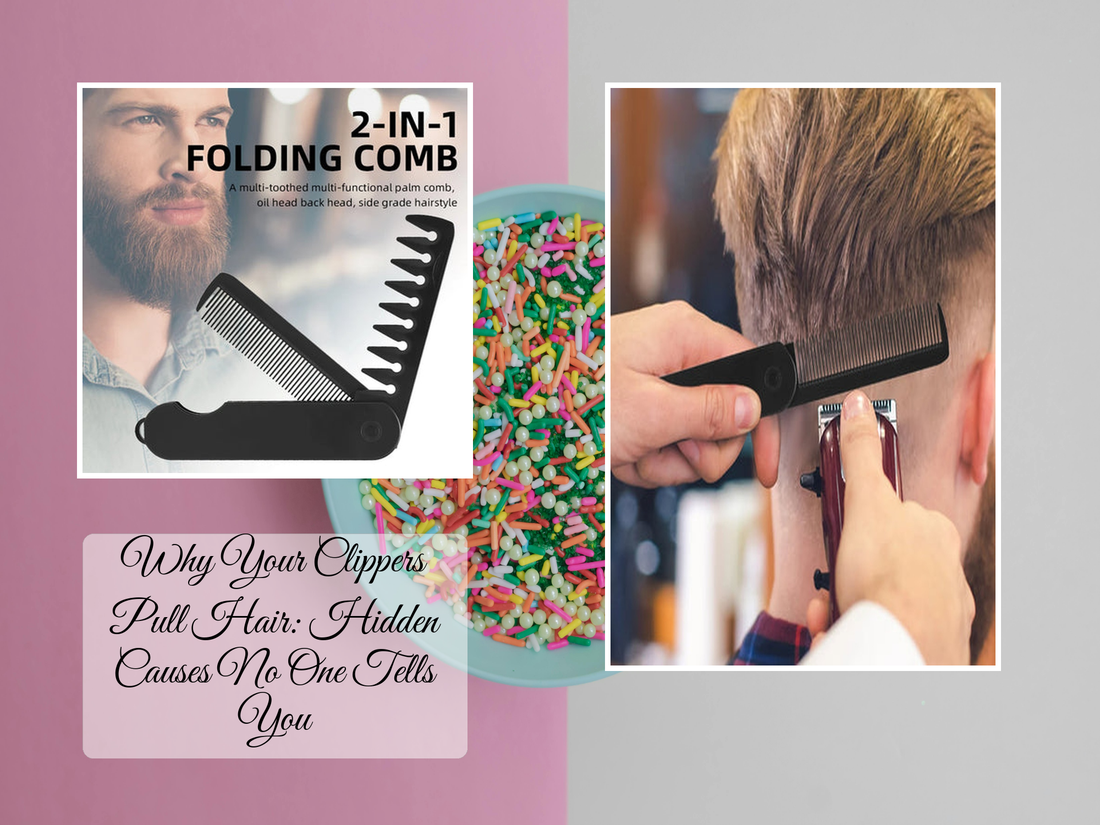
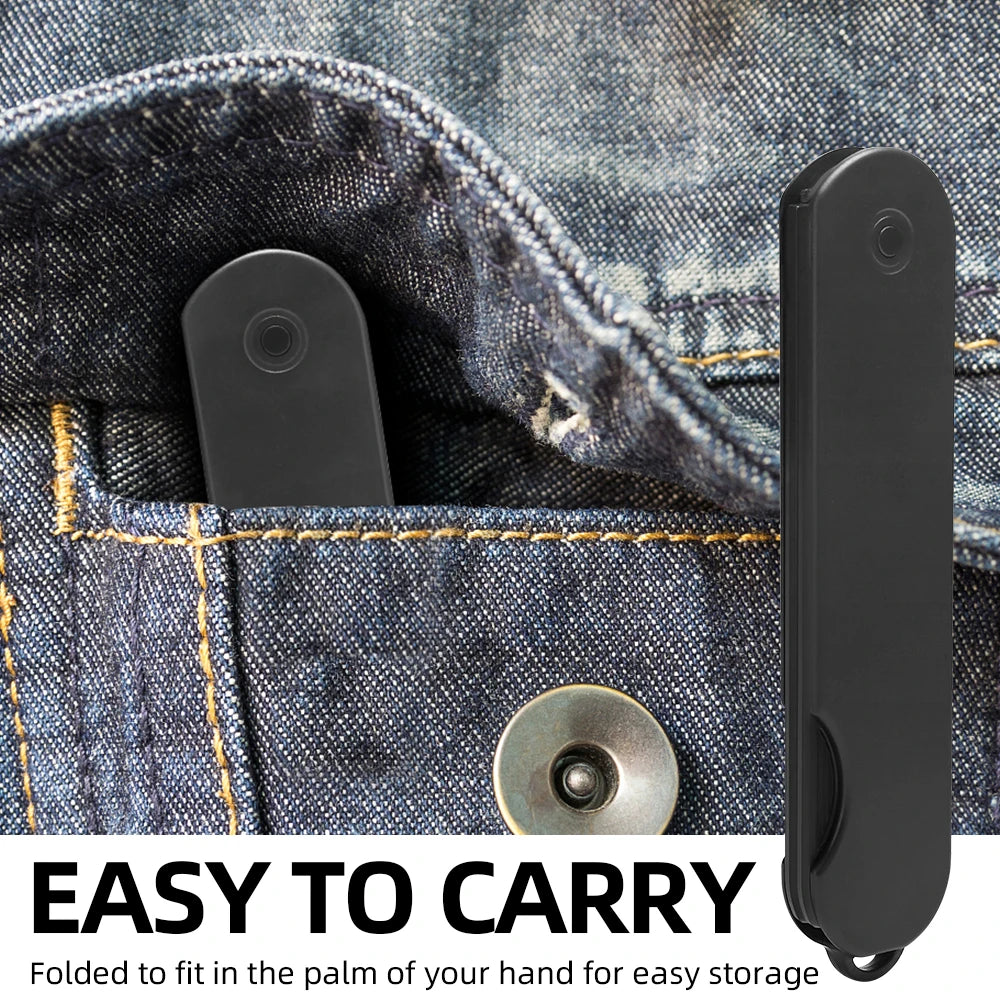
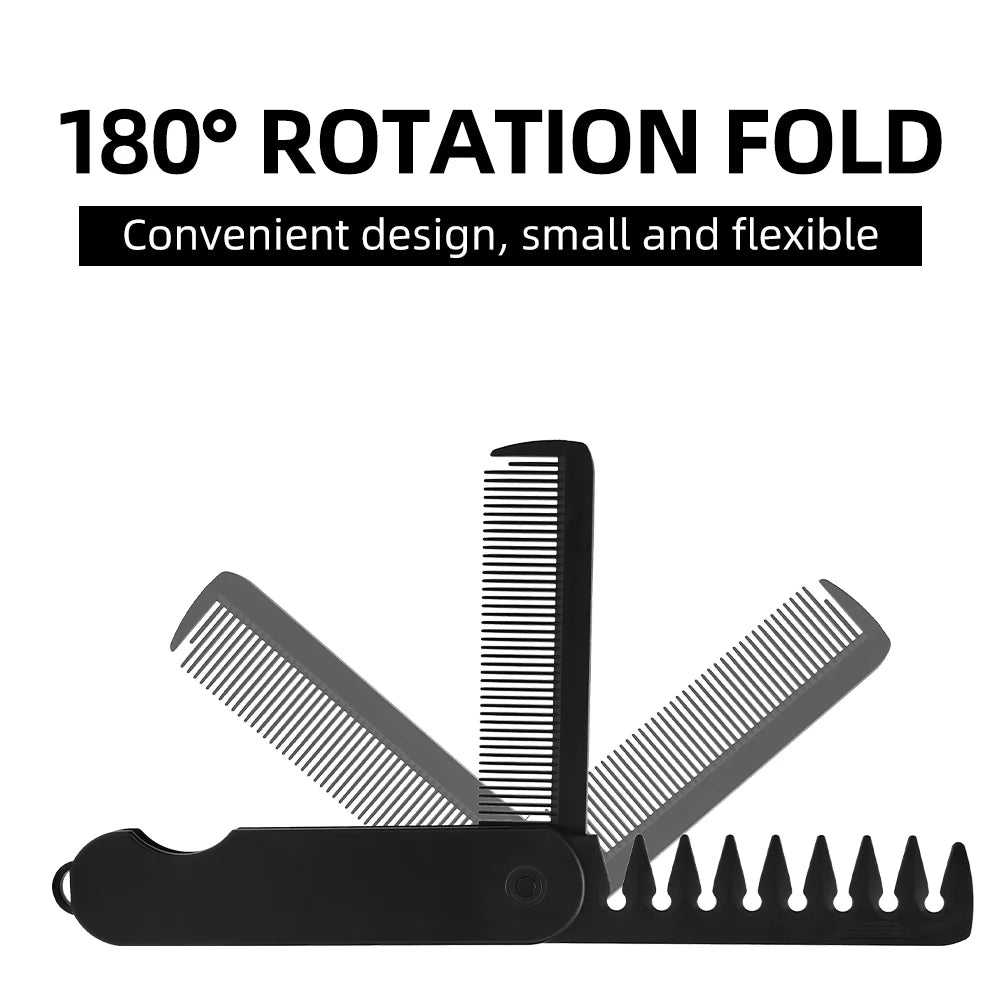
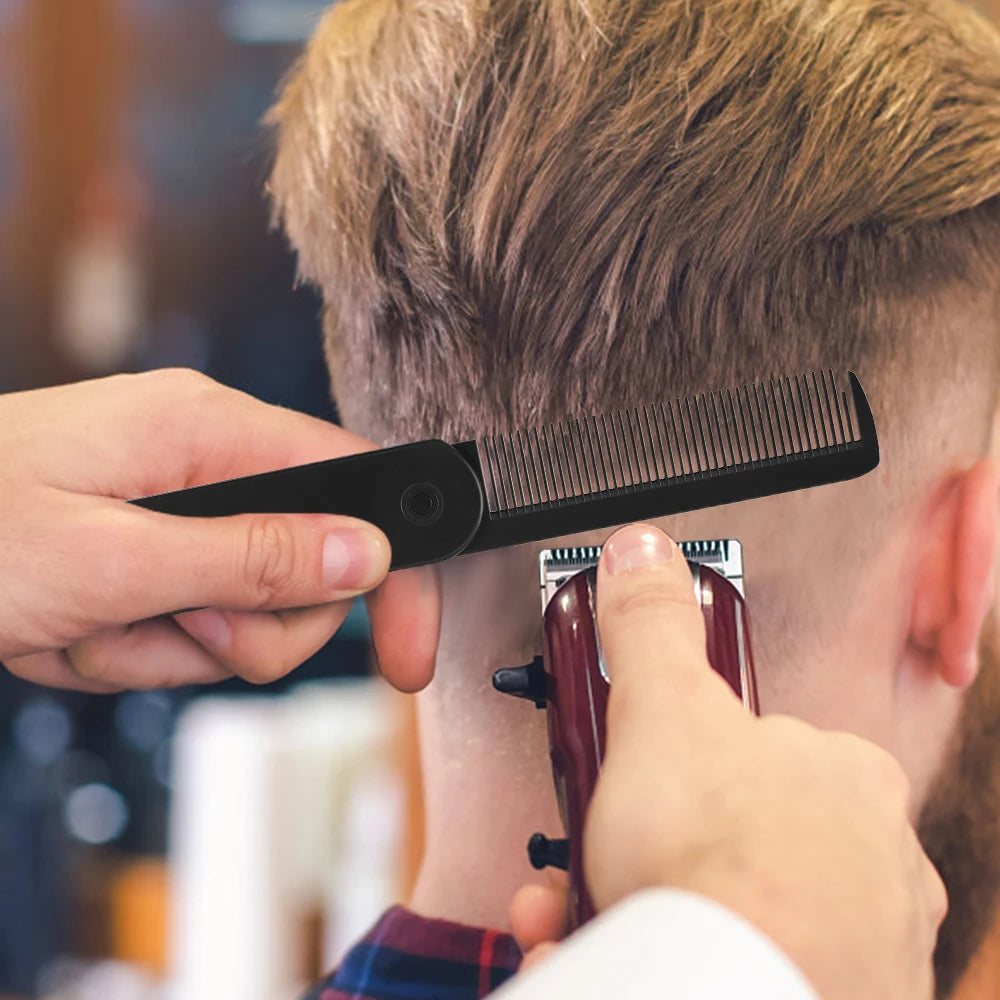
For everyday upkeep, a reliable comb like the KentDO Folding Barber Hair Clipper Comb is a smart investment. It's designed for smooth guiding during fades and quick maintenance checks—ideal for preventing snags before they start.
Perfect your clipper setup and prevent uneven cutting results.
Essential Tools That Help Prevent Clippers From Pulling Hair
Blade Oil
Professional clipper oil reduces friction, lowers operating temperature, and keeps blades moving smoothly. Regular application helps prevent hair snagging and extends blade life.
Cleaning Brushes
A dedicated clipper cleaning brush removes trapped hair from blade teeth, guards, and motor vents. Consistent cleaning improves cutting performance and reduces wear.
Replacement Blades
If blades become worn, chipped, or damaged, replacing them restores cutting efficiency and minimizes hair pulling. Keeping a spare blade set on hand can reduce downtime.
Blade Wash and Disinfectant Spray
Blade wash helps dissolve oil, debris, and fine hair particles that ordinary brushing can miss. Regular use can improve blade movement and reduce friction.
Disinfectant sprays also help remove buildup while maintaining hygiene between cuts.
- Professional-grade clipper oil: Prevents rust and drag.
- Magnetic guards: Maintain tight grip and uniform cutting levels.
- Folding combs: Like KentDO Folding Barber Hair Clipper Comb for travel and precision grooming.
- Maintenance brushes: Remove trapped hair between cuts.
Looking to elevate your entire routine? Explore Hair Care and Styling Devices for full grooming setups and maintenance essentials.
FAQ: Common Questions About Clippers Pulling Hair
Why are my clippers pulling hair not cutting?
This usually happens when clipper blades are dull, misaligned, dirty, or dry. Cleaning and applying clipper oil often restores smooth performance.
How often should I oil my hair clippers?
You should oil your hair clippers after every use. Regular lubrication reduces friction, prevents overheating, and keeps blades cutting smoothly.
Can I fix a clipper pulling hair without replacing blades?
Yes. Start by cleaning debris from the blades, applying oil, and checking blade alignment. If the problem persists, the blades may need sharpening or replacement.
Why are new clippers pulling hair?
New clippers can pull hair if the blades lack lubrication or were slightly misaligned during shipping. Cleaning and oiling the blades usually resolves the issue.
Why do my clippers keep pulling hair even after oiling?
Oil reduces friction, but it cannot fix dull blades, alignment problems, weak motors, or damaged guards. If pulling continues after lubrication, inspect these components next.
Why is my hair clipper pulling hair only on thick areas?
Thick hair creates greater resistance against the blades. Dull blades, low battery power, or moving the clipper too quickly are common causes.
How often should clipper blades be replaced?
Replacement frequency varies by usage. Home users may get a year or more from a blade set, while professionals often replace blades more frequently.
Can blade alignment cause clippers to snag hair?
Yes. Even slight misalignment can prevent the cutting blades from shearing hair cleanly, causing the clipper to grab and pull strands instead.
Tags: hair clipper pulling hair, clippers pulling hair not cutting, fade tools, uneven fade haircut, comb fade haircut, clipper maintenance, barber tips, blade sharpening, haircut troubleshooting, grooming tools
Pillar Article: Clippers Are Pulling Hair? Top 5 Fixes Every Barber Should Know
Other Related Articles:
- Folding Mustache Comb Review: Is It Worth Adding to Your Kit?
- Top 7 Fade Haircut Tools Pros Swear By (Ranked by Efficiency)
- Clipper Comb Size Chart Explained: Find Your Perfect Fade Setting
- Best Professional Barber Comb Reviews: Which One Truly Cuts Clean?
Explore More:













