
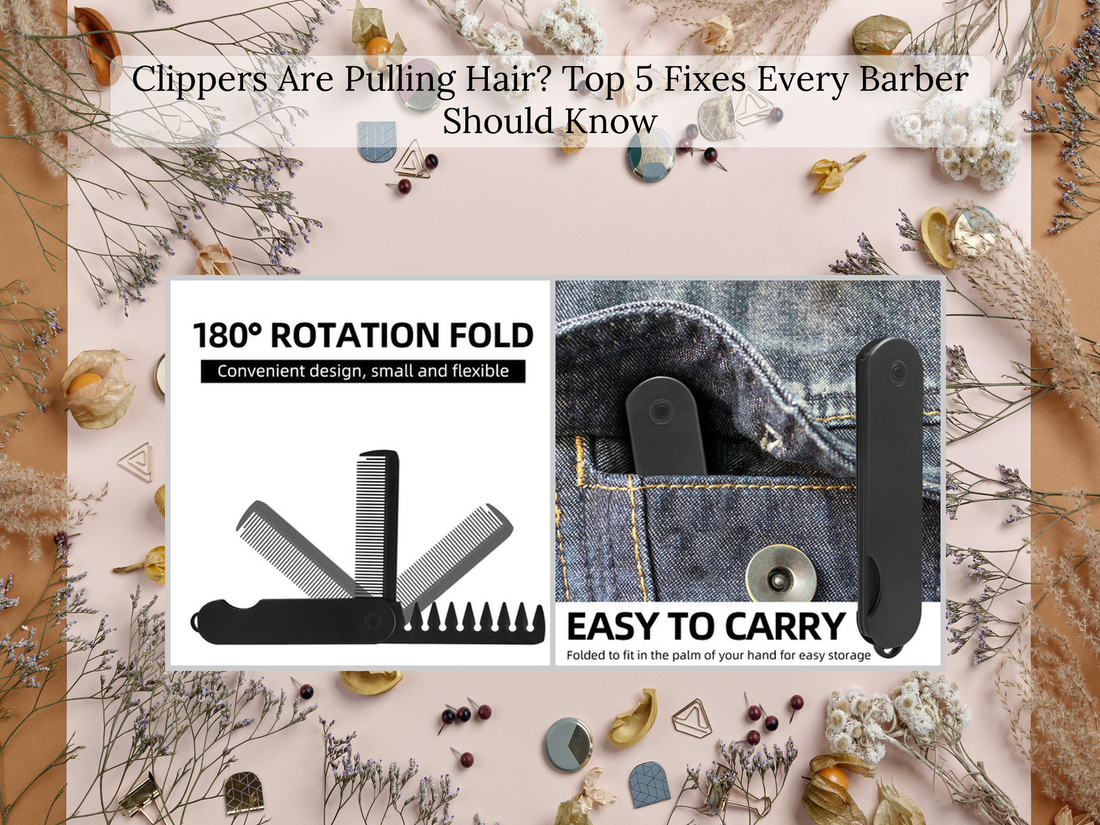
Clippers Are Pulling Hair? Causes, Fixes, and Maintenance Guide
Why Are My Clippers Pulling Hair?
If your clippers are pulling hair instead of cutting smoothly, the problem usually comes down to friction, dull blades, or poor clipper maintenance. Clippers rely on two metal blades moving rapidly against each other. When the blades lose sharpness, lack lubrication, or become clogged with hair, they start grabbing strands instead of slicing them cleanly.
This issue is common for both home users and professional barbers. Whether you notice your clippers pulling hair but not cutting or feel painful snagging during a haircut, identifying the cause quickly can prevent discomfort and uneven results.
⏱ 12 min read. If your clippers are pulling hair mid-fade, it’s not just annoying—it’s ruining precision and flow. Whether your clippers are pulling hair not cutting, causing uneven blends, or making it impossible to fix an uneven haircut, mastering proper clipper maintenance and cutting technique can restore smooth, effortless performance.
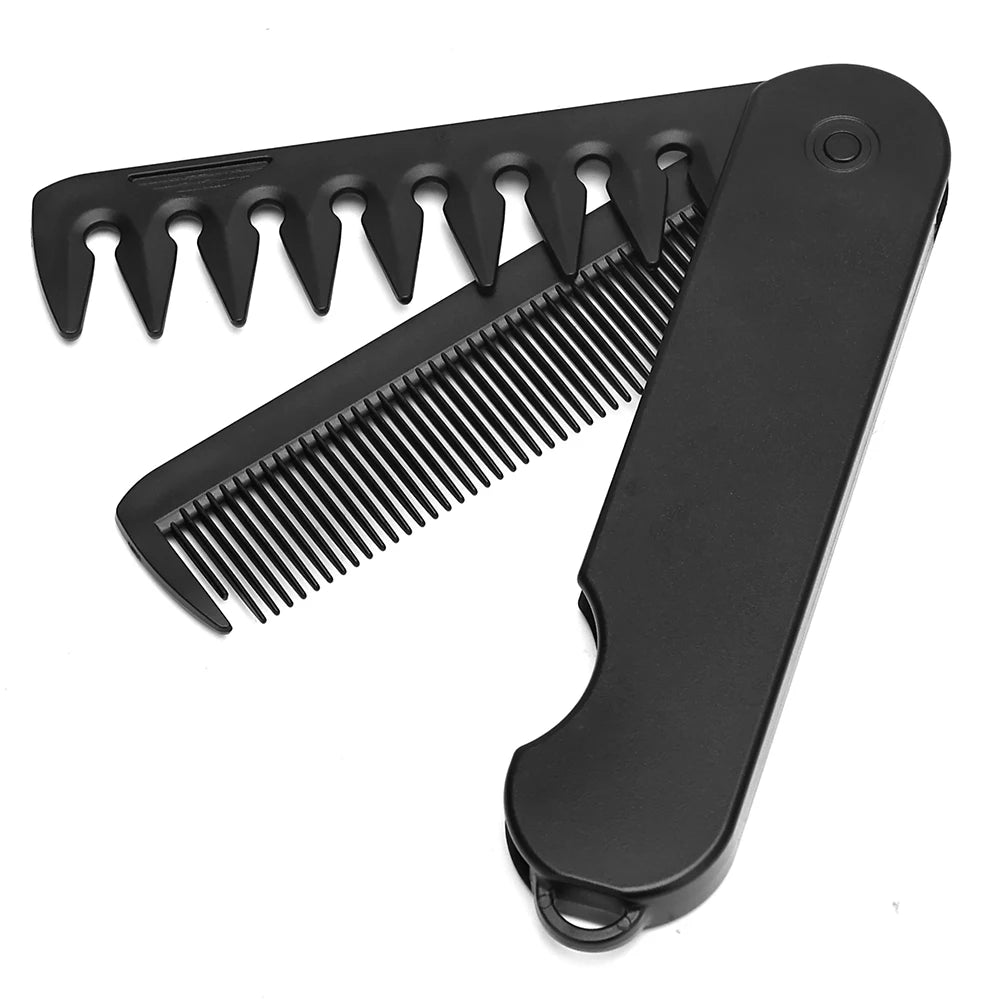
💡 Clippers are pulling hair? Use these fixes for smooth fades.
How Hair Clippers Work (Why Pulling Happens)
Hair clippers operate using two blades: a stationary blade and a moving blade that oscillates rapidly. Hair passes between the blade teeth and is cut instantly as the moving blade slides across the stationary one.
When blades are sharp and lubricated, this motion produces a smooth cut. But if blades become dull, misaligned, or dry, hair can become trapped between the teeth. Instead of slicing cleanly, the clippers tug on strands, which creates the painful pulling sensation many users experience.
Common Signs Your Clippers Are Pulling Hair
- Hair gets snagged or tugged during cutting
- The clippers feel rough instead of gliding smoothly
- Hair bends before being cut
- You hear unusual grinding or resistance from the blades
- Haircuts take longer because the clippers struggle to cut
7 Common Causes of Clippers Pulling Hair
If your hair clippers keep pulling hair, one of several mechanical or maintenance issues is usually responsible. Identifying the exact cause makes it much easier to apply the correct fix.
Dull or Worn Blades
Clipper blades gradually lose sharpness with repeated use. Once dull, they struggle to cut cleanly and may grab or bend hair before finally slicing it.
Dirty Blades or Hair Buildup
Loose hair, dust, and styling product residue often collect between blade teeth. This buildup restricts blade movement and increases friction, causing the clippers to snag hair.
Lack of Clipper Oil
Dry blades create excessive friction between the moving and stationary blade. Without lubrication, clippers slow down and begin pulling hair rather than cutting it efficiently.
Misaligned Blades
If the moving blade sits too far forward or backward relative to the stationary blade, hair can become trapped between the teeth. Misalignment commonly occurs after blade cleaning or replacement.
Weak Motor or Low Power
Cordless clippers with a low battery may not generate enough blade speed. Reduced cutting speed increases the likelihood of hair snagging.
Incorrect Guard or Cutting Technique
Using the wrong guard size or pressing the clippers too firmly into dense hair can cause uneven feeding of hair into the blade teeth.
New Clippers Pulling Hair
Even brand-new clippers may pull slightly during early use. Factory lubrication can be minimal, so applying proper clipper oil before the first haircut often resolves the issue.
How to Stop Clippers From Pulling Hair (Step-by-Step Fix)
If your clippers are pulling hair, follow this troubleshooting process to restore smooth cutting performance.
Step 1 — Clean the Blades Thoroughly
Turn off the clippers and remove any guards. Use a small brush to remove trapped hair and debris from the spaces between the blade teeth.
Step 2 — Oil the Clippers Properly
Apply two to three drops of clipper oil along the blade teeth while the clippers are running. This helps the oil distribute evenly and reduces friction between the blades.
Step 3 — Check Blade Alignment
Inspect the blade positioning carefully. The moving blade should sit slightly behind the stationary blade. If the moving blade extends too far forward, loosen the screws slightly, reposition the blade, and tighten again.
Step 4 — Test Blade Sharpness
If cleaning and oiling do not fix the issue, the blades may be dull. Replacing or sharpening the blade set usually restores smooth cutting.
Step 5 — Check Motor Power and Battery
Ensure cordless clippers are fully charged before cutting hair. A weak motor or low battery reduces blade speed and can lead to hair snagging.
Check Blade Sharpness and Alignment for Pain-Free Cuts
Dull or misaligned blades remain the most common reason clippers pull hair. Even new clippers can snag if the blades are not installed correctly.
- ✅ Inspect blades for bent or chipped teeth
- ✅ Ensure the moving blade sits slightly behind the stationary blade
- ✅ Replace worn blades if cutting performance declines
Blade Maintenance Routine
Consistent blade maintenance significantly extends clipper life. Professional barbers typically follow a simple routine that includes cleaning after every haircut and oiling blades daily.
How to Align Clipper Blades Correctly
To align clipper blades properly, loosen the blade screws slightly and reposition the moving blade so it sits just behind the stationary blade. Tighten the screws gradually while ensuring the blades remain evenly aligned.
Clean and Lubricate Your Clippers Regularly
Hair buildup and lack of lubrication increase friction inside the blade assembly. Proper cleaning and oiling are essential to prevent clippers pulling hair not cutting properly.
- Turn off the clippers and remove the guard.
- Brush away loose hair from the blade teeth and surrounding area.
- Apply a few drops of clipper oil across the blade teeth.
- Run the clippers for a few seconds to distribute the oil.
- Wipe away excess oil before cutting hair.
Frequent users should clean their clippers after each haircut and perform deeper cleaning weekly to maintain optimal cutting performance.
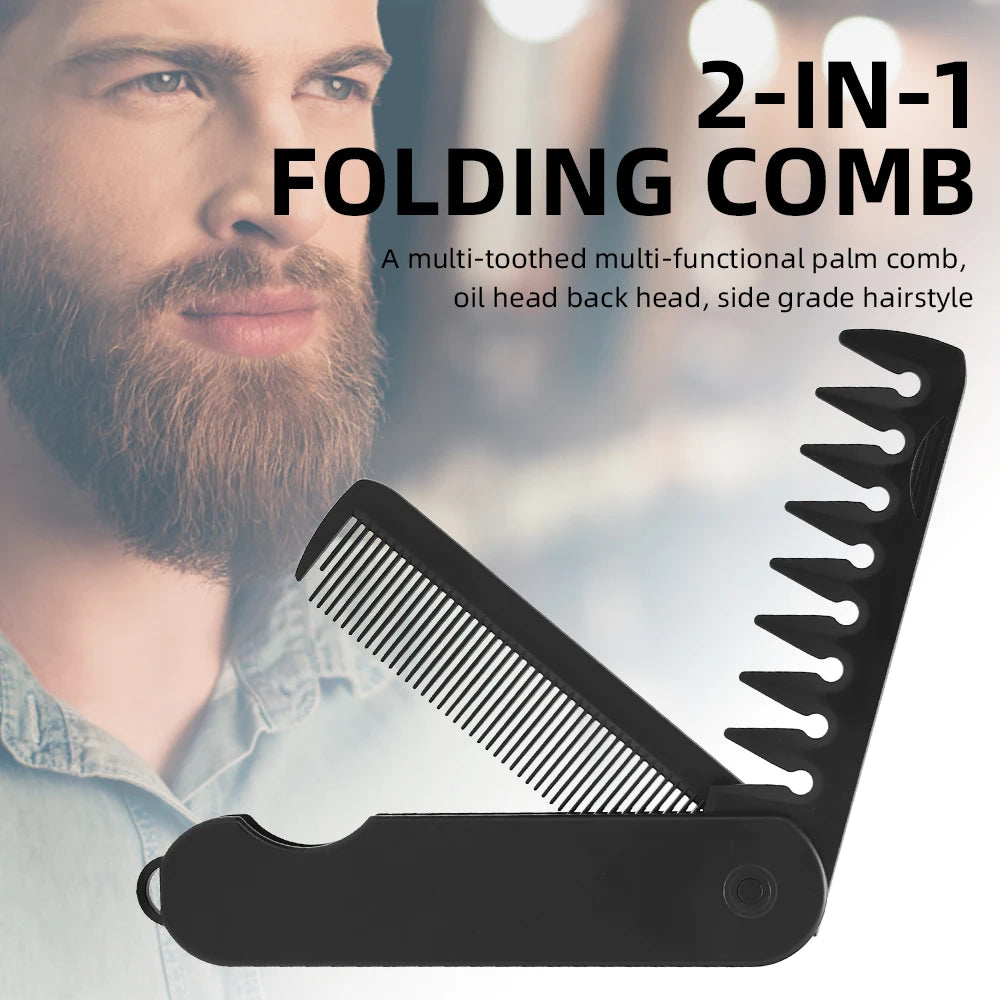
💡 Regular cleaning stops clippers pulling hair mid-fade. Upgrade with KentDO Precision Comb
Common Barber Technique Mistakes That Cause Clippers to Pull Hair
Sometimes the issue is not the clippers themselves but the cutting technique. Even well-maintained clippers can pull hair if used incorrectly.
Cutting Very Thick or Wet Hair
Clippers generally perform best on dry hair. Wet or extremely dense hair can clump together and prevent blades from cutting smoothly.
Moving Clippers Too Slowly
Moving the clippers too slowly across the scalp may cause hair to bend instead of feeding cleanly into the blade teeth.
Using the Wrong Guard Length
Using a guard that is too short on dense hair can overload the blades. Gradually reducing guard length improves cutting flow.
Use a Precision Comb for Smooth Blending
A precision comb helps guide hair evenly into the clippers during blending. This technique improves control and helps prevent hair snagging while shaping fades.
- ✅ Lift hair evenly before cutting
- ✅ Use the comb as a guide when blending fades
- ✅ Practice different angles for layered textures
Correct Guard Size Selection Prevents Snagging
Guard selection plays a major role in preventing hair pulling. Starting with a longer guard and gradually working down helps ensure smooth cutting.
- ✅ Begin with longer guards
- ✅ Transition gradually between guard sizes
- ✅ Test small sections before committing to a full pass
Upgrade Fade Tools and Refine Technique for Professional Results
Using reliable fade tools combined with proper technique helps maintain consistent cutting performance and reduces the chance of clippers pulling hair.
- Maintain steady wrist movement while cutting
- Follow natural hair growth direction when possible
- Use short, controlled clipper strokes
- Cross-check the haircut with scissors or comb
How to Prevent Hair Clippers From Pulling Hair in the Future
Regular maintenance is the most effective way to prevent hair clippers pulling hair problems. A simple care routine keeps blades sharp and motors running smoothly.
- Oil clipper blades before or after every few haircuts
- Brush away hair debris after each use
- Deep clean blades weekly if used frequently
- Check blade alignment after removing blades
- Replace worn blades after heavy usage
- Use a KentDO Precision Comb when blending dense hair
Comparison Table: Tools to Fix Clippers Pulling Hair
| Tool | Purpose | Pros | Cons |
|---|---|---|---|
| KentDO Folding Barber Hair Clipper Comb | Guides hair for smooth cutting | Precision control, reduces pull, compact | Requires practice for optimal use |
| High-quality Blade Set | Replaces worn blades | Sharp, long-lasting, easy to maintain | Higher upfront cost |
| Fade Guards Set | Controls hair length for fades | Easy fade transitions, prevents pulling | Needs multiple sizes |
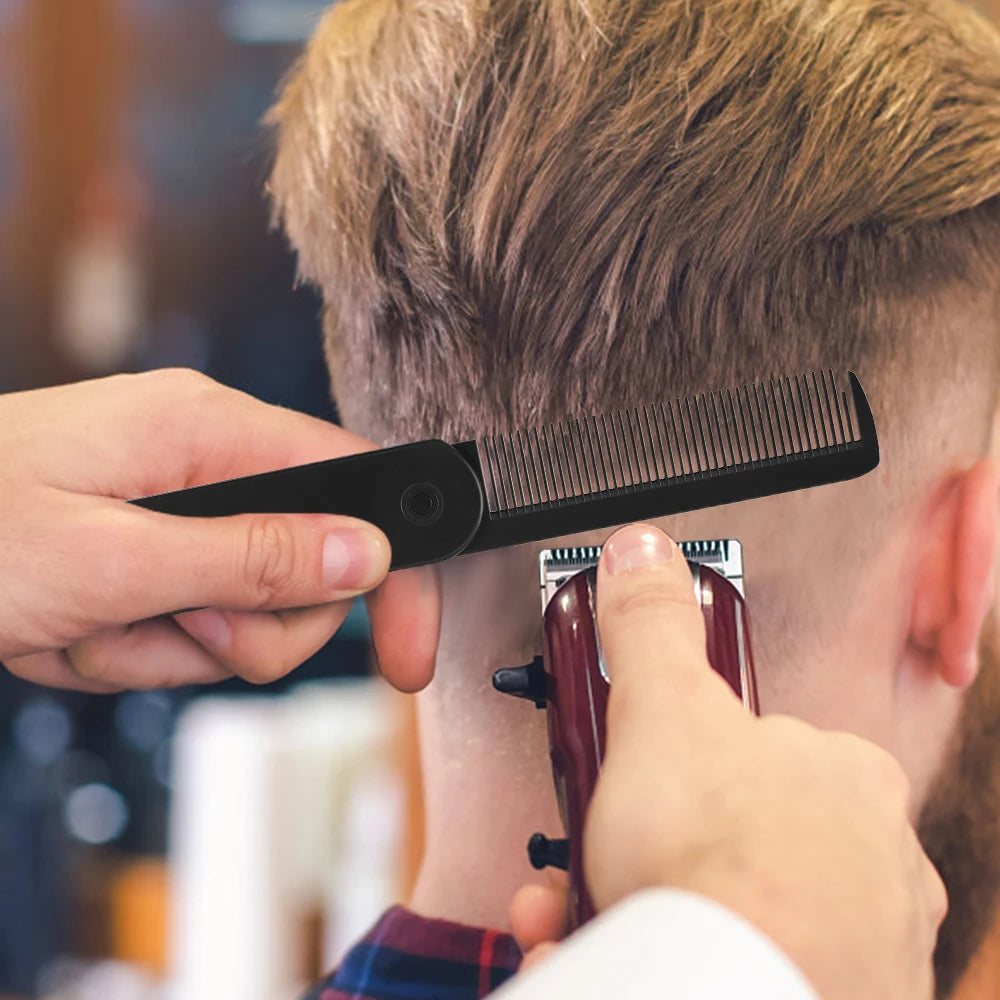
💡 Fix uneven haircuts with the right fade tools and precision comb — see it in action
Frequently Asked Questions About Clippers Pulling Hair
Why are my clippers pulling hair instead of cutting?
This usually happens when blades are dull, dirty, misaligned, or insufficiently lubricated. Cleaning, oiling, and properly aligning the blades typically resolves the issue.
Why are my new clippers pulling hair?
New clippers may pull slightly if the blades lack lubrication. Applying clipper oil before the first use and running the clippers briefly usually fixes the problem.
How often should I oil my clipper blades?
For frequent use, apply oil daily or after every few haircuts. Proper lubrication keeps blades moving smoothly and prevents friction that leads to hair pulling.
Can dull blades damage hair?
Yes. Dull blades can bend or tear hair strands instead of cutting them cleanly, which may lead to uneven haircuts and discomfort during cutting.
When should clipper blades be replaced?
Blades should be replaced when they remain dull even after cleaning and oiling. Professional barbers often replace blades every few months depending on usage.
Do guards prevent clippers from pulling hair?
Guards help control hair length and feed hair evenly into the blades. Using the correct guard size can reduce the chances of snagging.
Related Articles:
- Folding Mustache Comb Review: Is It Worth Adding to Your Kit?
- Top 7 Fade Haircut Tools Pros Swear By (Ranked by Efficiency)
- Why Your Clippers Pull Hair: Hidden Causes No One Tells You
- Clipper Comb Size Chart Explained: Find Your Perfect Fade Setting
- Best Professional Barber Comb Reviews: Which One Truly Cuts Clean?
Pillar Articles:













