

27 Meditation Corner Ideas to Transform Any Space Into a Calm Sanctuary
Modern life rarely slows down. Notifications, deadlines, noise, and constant mental stimulation make it difficult to find moments of stillness. That’s exactly why creating a dedicated meditation corner at home can completely change your daily emotional landscape. Even a small, intentional space can become a powerful anchor for stress relief, clarity, and mindfulness practice.
The good news is you don’t need a large room or expensive decor to build one. Whether you live in a compact apartment or a spacious house, these meditation corner ideas will help you design a calming sanctuary that supports relaxation, breathing exercises, and emotional balance.
From lighting and seating to sensory elements and ergonomic comfort tools, this guide explores everything you need to transform any corner into a peaceful wellness retreat.
Why a Meditation Corner Matters for Mental Clarity and Stress Relief

A meditation corner is more than just a decorated space—it acts as a psychological trigger that signals your brain to slow down. When your mind associates a specific environment with calmness, it becomes easier to enter a relaxed state consistently.
The science behind mindfulness meditation and environmental cues
Research in environmental psychology shows that repeated exposure to calming spaces can reduce cortisol levels and improve emotional regulation. A consistent meditation corner reinforces habit formation, making mindfulness practice easier to sustain over time. The presence of soft lighting, minimal clutter, and grounding textures helps the nervous system shift into a parasympathetic (rest-and-digest) state.
For deeper wellness routines, many people also explore broader setups in a curated wellness & relaxation collection to enhance their home environment.
How to Choose the Perfect Spot for Your Meditation Corner
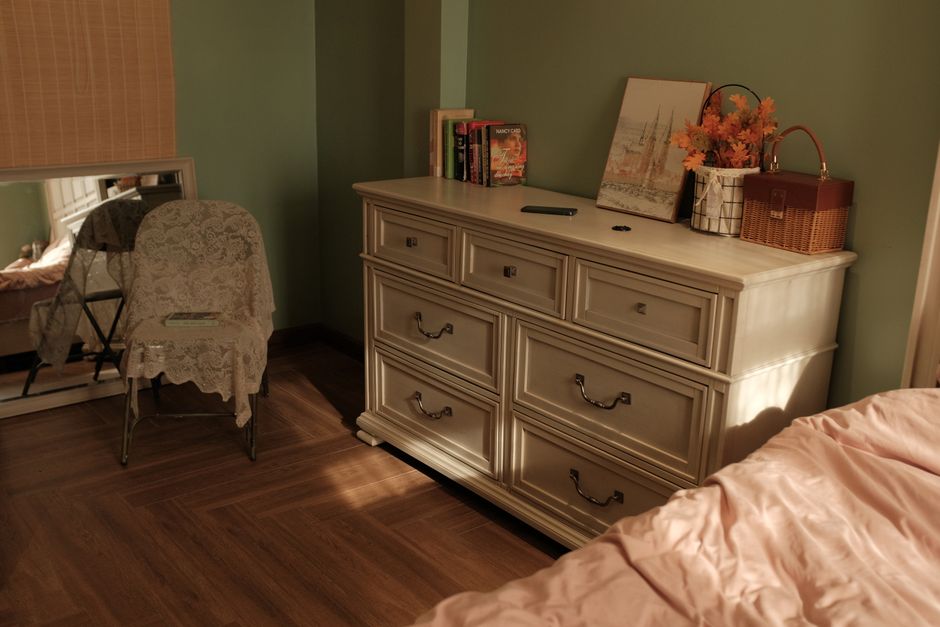
Choosing the right location is one of the most important steps in building your meditation space. Even the simplest corner can become powerful if placed intentionally.
Best placement in bedrooms, living rooms, and small apartments
In bedrooms, place your meditation corner near a window for natural morning light. In living rooms, choose a quiet corner away from entertainment systems. In small apartments, even a narrow hallway corner or unused space near a bookshelf can work beautifully.
Avoiding distractions and optimizing natural light
Try to avoid high-traffic areas or spots facing screens. Natural light is ideal, but if unavailable, soft artificial lighting can create a similar calming effect. The goal is to reduce visual noise and allow your mind to settle naturally.
Small Space Meditation Corner Ideas for Apartments and Compact Homes

Even if space is limited, you can still design a highly effective meditation corner. The key is vertical thinking and multi-purpose design.
Foldable setups and portable mindfulness meditation zones
Use foldable mats, compact cushions, and lightweight decor that can be stored easily. This allows your meditation space to “appear” when needed and disappear when not in use.
Corner shelving and vertical calm design strategies
Floating shelves with minimal decor like candles, stones, or plants help maintain a serene atmosphere without taking up floor space.
To expand your home wellness environment further, explore inspiration from a lifestyle collection designed for modern mindful living.
Bedroom Meditation Sanctuary Ideas for Deep Relaxation
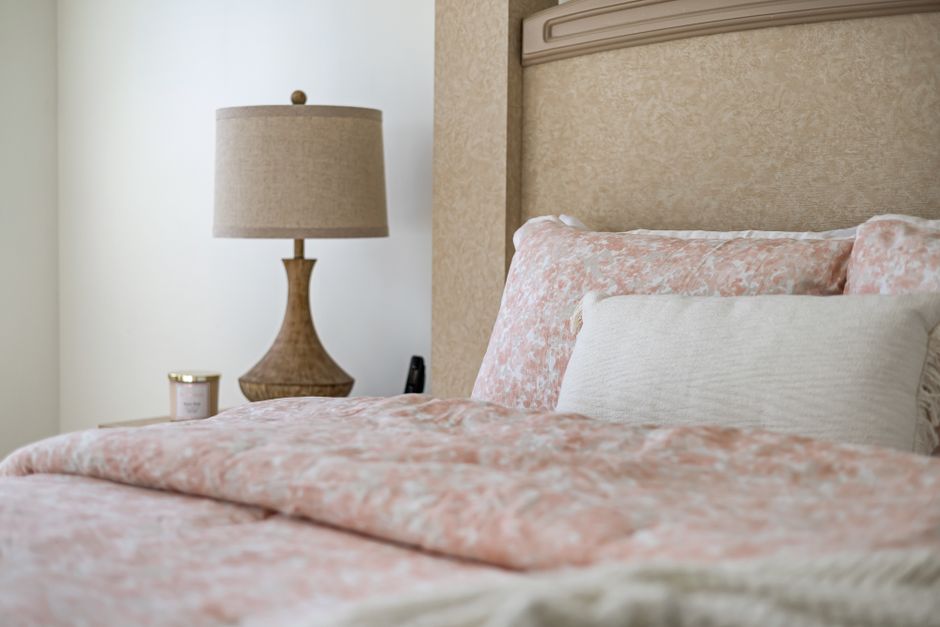
Your bedroom is one of the most natural places for a meditation corner because it already represents rest and recovery. Adding mindfulness elements can significantly improve sleep quality and emotional reset.
Creating a pre-sleep mindfulness ritual space
A simple floor cushion, dim lighting, and calming scent can transform your bedtime routine. This encourages slower breathing and prepares the body for deeper sleep cycles.
Soft lighting products from a calming light and eye-care collection can further enhance relaxation before sleep.
Minimalist vs Cozy Meditation Corners: Choosing Your Style

Your meditation corner should reflect your personality and emotional comfort preferences. Two popular approaches include minimalist Zen and cozy sanctuary styles.
Minimalist Zen-inspired setups
This style uses neutral tones, clean surfaces, and minimal decor. It is ideal for people who prefer mental clarity through visual simplicity.
Warm cozy sanctuary setups with layered textures
Soft rugs, blankets, and warm lighting create a nurturing environment that feels emotionally safe and grounding.
Essential Meditation Corner Seating: Cushions, Mats, and Ergonomic Support
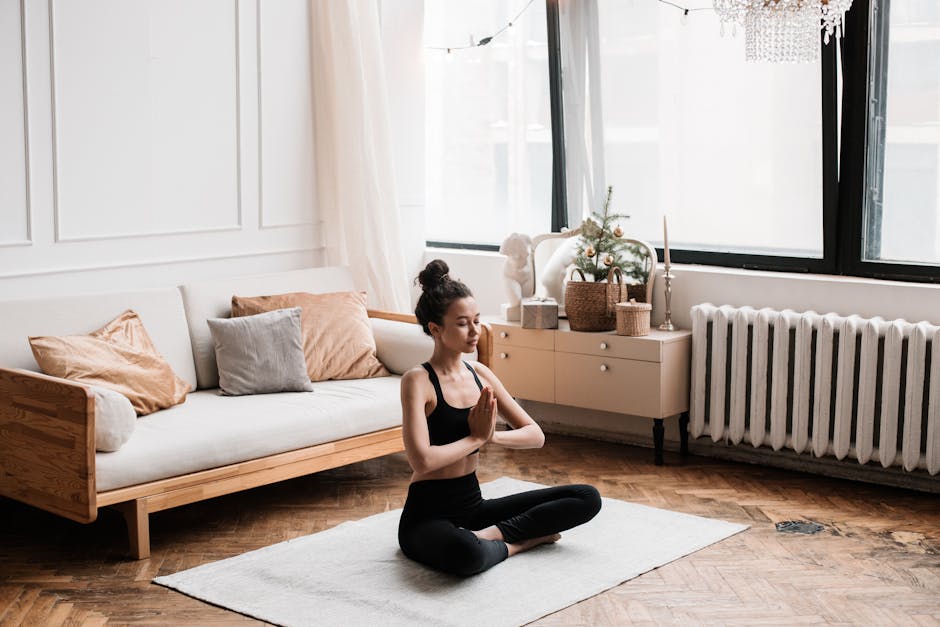
Comfortable seating is essential for maintaining focus during meditation. Poor posture can lead to discomfort and distract from mindfulness practice.
One highly effective option is a supportive ergonomic cushion designed for full-body relaxation and back support:

KentDO Infrared Back Massager Cushion helps release tension in the back and hips, making it easier to maintain a relaxed posture during meditation sessions. Its heat and vibration features also support muscle recovery after long work hours.
Meditation cushion vs zafu pillow vs zabuton mat
Meditation cushions elevate the hips for better spinal alignment, while zafu pillows provide firm support and zabuton mats soften pressure on knees and ankles. Together, they create a balanced foundation for longer sessions.
Floor seating cushion and yoga mat combinations for beginners
Beginners often find yoga mats combined with soft cushions to be the most accessible setup. This allows flexibility while building consistency in practice.
For additional comfort-focused setups, explore options in the foot & body comfort collection.
Lighting Ideas for a Calm Meditation Corner

Lighting plays a powerful role in shaping emotional tone. Soft, warm light encourages relaxation, while harsh lighting can increase alertness and stress.
For deeper relaxation, many people incorporate therapeutic massage tools alongside lighting to create a full sensory reset experience:

KentDO Heated Neck Massager supports deep relaxation through heat and shiatsu-style kneading. It helps release tension before meditation, allowing a smoother transition into mindfulness practice.
Himalayan salt lamp and warm ambient lighting effects
Soft amber lighting creates a calming atmosphere that reduces visual stimulation and encourages slow breathing.
LED mood lighting and dimmable color temperature control
Modern LED lighting allows you to adjust brightness and color temperature, making it easier to personalize your meditation environment.
Aromatherapy and Sensory Elements for Deep Mindfulness Meditation
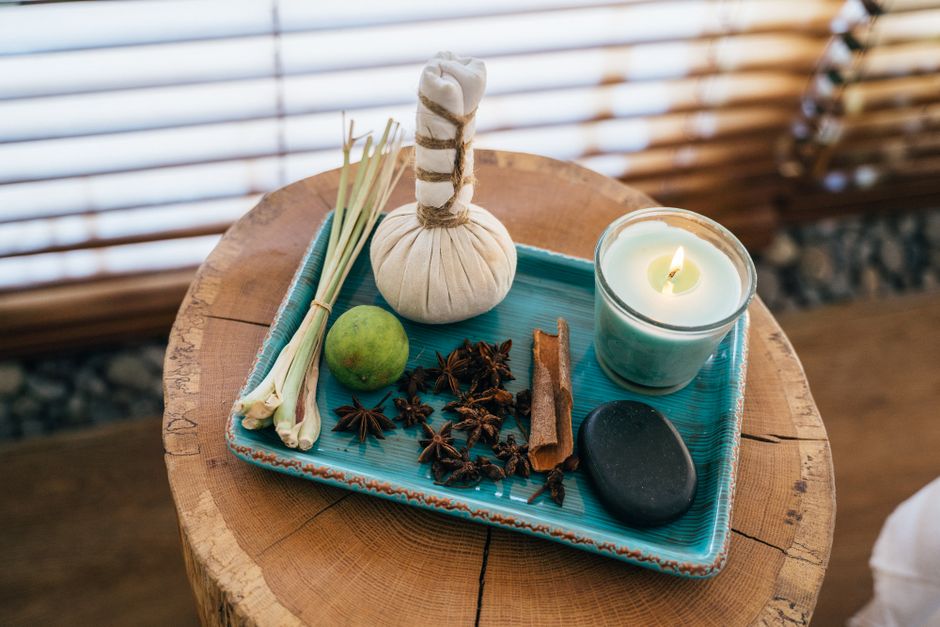
Scent is one of the most powerful emotional triggers. Aromatherapy can quickly signal the brain to relax and enter a meditative state. Essential oils like lavender, sandalwood, and eucalyptus are commonly used for stress relief and grounding.
In addition to scent, tactile comfort elements like soft fabrics, natural wood textures, and plants enhance the sensory experience of your meditation corner.
Consider pairing aromatherapy with tools from a warmth & heat therapy collection to create a more immersive relaxation environment.
Color Psychology and Decor for a Peaceful Home Wellness Space
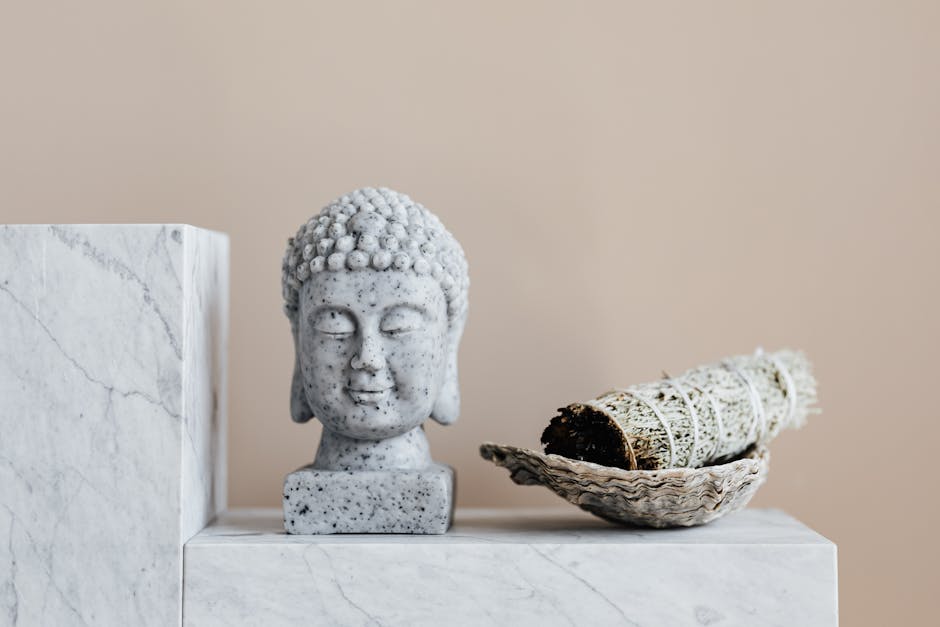
Color has a direct impact on emotional state. Soft neutrals, muted greens, and warm earth tones are ideal for meditation spaces because they promote calmness and grounding.
Best calming colors for meditation environments
Beige, sage green, soft gray, and warm white tones reduce overstimulation and support mental clarity.
Natural textures, plants, and grounding materials
Incorporating plants, wood accents, and woven fabrics helps bring nature indoors, which enhances emotional balance and reduces stress.
Step-by-Step Meditation Corner Setup Checklist (Beginner Friendly)

Creating your meditation corner doesn’t need to be complicated. Follow a simple structure:
- Choose a quiet corner with minimal distractions
- Add a comfortable seating base (mat, cushion, or chair)
- Set up soft lighting or natural light access
- Include calming sensory elements like scent or plants
- Remove clutter and unnecessary objects
- Personalize with meaningful decor
Product Integration Guide for a Complete Home Wellness Setup

A well-designed meditation space often combines multiple wellness tools to support both body and mind. The goal is not excess, but intentional comfort.
Begin with seating support, then layer lighting and sensory elements to build a cohesive relaxation environment. Products like heated massagers and ergonomic cushions can help release physical tension before meditation, making it easier to focus.
For a more complete wellness environment, explore the body care and health devices collection to integrate supportive tools into your daily routine.
How to Maintain Your Meditation Corner for Long-Term Consistency

Consistency is what transforms a simple corner into a true mindfulness sanctuary. Keeping the space clean, uncluttered, and intentionally used reinforces its purpose.
Daily 5–10 minute sessions are more effective than occasional long practices. Weekly resets—such as refreshing scents, straightening cushions, and adjusting lighting—help maintain emotional freshness in the space.
Frequently Asked Questions
How to create a meditation corner at home?
Choose a quiet space, add comfortable seating, soft lighting, and calming sensory elements like scent or plants.
What do you need for a simple meditation space?
A cushion or mat, a quiet area, and soft lighting are enough to start.
What is the best lighting for meditation rooms?
Warm, dimmable lighting or natural sunlight works best for relaxation.
How can I make a small mindfulness space at home?
Use corners, foldable mats, and vertical decor like shelves or plants.
What are the best meditation cushions for beginners?
Supportive cushions that promote upright posture and comfort during extended sitting are ideal.
Final Thoughts
A meditation corner is not about perfection—it’s about intention. Even the smallest space can become a powerful emotional reset zone when designed with care. By combining comfort, lighting, sensory elements, and consistency, you can transform any home into a personal sanctuary for peace and clarity.
Pillar Article: How to Build a Home Gym That Supports Fitness, Recovery & Wellness













