
Home Wellness Device Buying Guide: How to Choose Safe & Effective Wellness Products
Modern homes are increasingly becoming wellness-focused spaces designed to support better sleep, stress reduction, recovery, posture, and healthier daily habits. As remote work, digital fatigue, sedentary lifestyles, and sleep disruption continue affecting millions of households, more people are investing in home wellness devices that create calmer, healthier environments without relying on expensive spa visits or gym memberships.
The challenge is that many beginners buy too many trendy gadgets too quickly without understanding how to build a practical, sustainable wellness setup. A truly effective home wellness environment is not about filling every room with devices. It is about choosing tools that support consistent habits, improve comfort, and fit naturally into everyday routines.
This guide explains how to build a balanced home wellness ecosystem step by step. You will learn how to select wellness products safely, optimize small spaces, improve recovery and sleep quality, create calming environments, and prioritize devices that deliver long-term value rather than short-lived hype.
Many homeowners also combine recovery and relaxation tools with supportive lifestyle upgrades found in the Wellness & Relaxation collection and ergonomic comfort solutions from the Foot & Body Comfort collection.
Why Home Wellness Devices Are Becoming Essential in Modern Homes
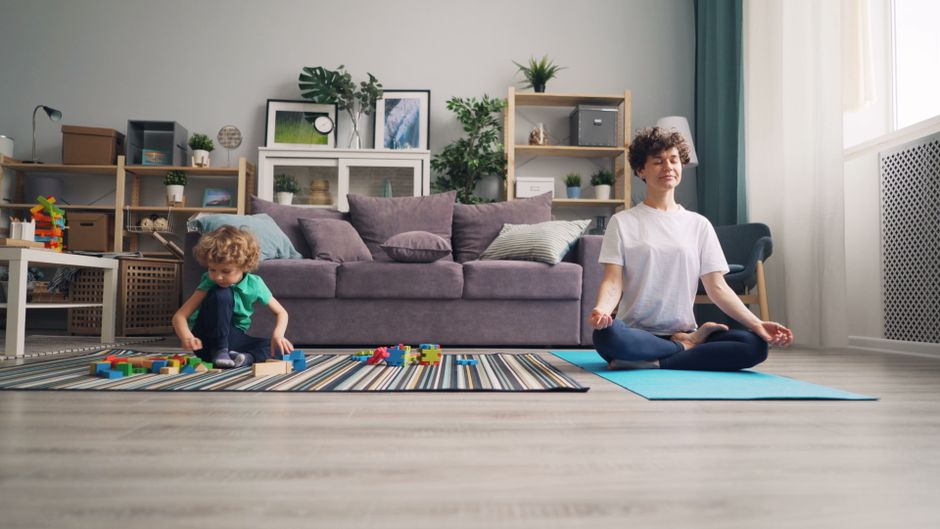
Home wellness devices are no longer viewed as luxury purchases. They are increasingly part of practical home design strategies focused on improving energy, reducing stress, supporting recovery, and creating healthier daily routines.
How stress, sleep problems, posture issues, and indoor environments affect daily wellness
Modern lifestyles create multiple wellness challenges simultaneously. Long hours sitting at desks contribute to posture problems and back pain. Poor indoor air quality can worsen allergies and fatigue. Bright artificial lighting and screen exposure disrupt sleep quality. Stress and overstimulation make relaxation more difficult even at home.
Wellness devices help address these issues by supporting healthier environmental conditions and recovery habits. Examples include:
- Air purifiers that reduce airborne particles and allergens
- Humidifiers that improve dry indoor environments
- Massage devices that support muscle relaxation
- Ambient lighting systems that create calming evening routines
- White noise machines that reduce sleep disruptions
- Ergonomic seating solutions that improve posture support
Many wellness-focused households also explore additional self-care solutions through the Body Care and Health Devices collection to build more personalized wellness routines.
The shift toward personalized home wellness ecosystems
Instead of relying on a single device, many people now create complete wellness ecosystems tailored to their goals. A recovery-focused setup may include mobility tools, massage devices, calming lighting, hydration stations, and ergonomic flooring. A sleep-focused setup may prioritize blackout lighting, air quality improvement, white noise systems, and cooling bedroom environments.
This ecosystem approach works because wellness habits reinforce each other. Better lighting supports sleep quality. Better sleep improves recovery. Improved recovery increases workout consistency. Reduced stress improves focus and productivity.
Successful home wellness setups are designed around routines rather than individual gadgets.
What beginners usually get wrong when buying wellness products
The most common mistake is buying products before identifying a specific wellness goal. Many people purchase trending gadgets that end up unused because they do not fit realistic daily routines.
Other common mistakes include:
- Ignoring room size and layout constraints
- Buying oversized fitness equipment for small apartments
- Choosing complicated wellness systems that require excessive maintenance
- Focusing on aesthetics over comfort and functionality
- Ignoring safety certifications and product quality
- Overlooking air quality, noise, and lighting factors
Before purchasing anything, it helps to explore educational resources inside the Beauty & Self-Care Blog and wellness-focused insights from the Body & Face Blog.
How to Choose the Right Home Wellness Devices for Your Goals
The best home wellness products are the ones that support consistent habits and solve real daily problems. Choosing the right devices starts with understanding your priorities, space limitations, and lifestyle patterns.
Step 1: Identify your primary wellness priority
Start by choosing one primary wellness category instead of trying to improve everything simultaneously.
| Primary Goal | Recommended Focus |
| Better sleep | Lighting, white noise, cooling systems, humidity control |
| Muscle recovery | Massage tools, stretching equipment, heat therapy |
| Stress reduction | Meditation spaces, calming lighting, aromatherapy |
| Posture improvement | Ergonomic furniture, standing desks, lumbar support |
| Indoor comfort | Air purifiers, humidifiers, hydration stations |
| Fitness consistency | Compact workout equipment, flooring, recovery tools |
Step 2: Match devices to realistic lifestyle habits
The best wellness setup is the one you actually use consistently. If you rarely exercise at home, purchasing an advanced gym system may not improve your routine. Similarly, a complex sleep-tracking system may become frustrating if you prefer simple evening routines.
Choose wellness devices that fit naturally into your schedule:
- Simple tools encourage consistency
- Compact devices reduce setup friction
- Quiet systems work better in shared homes
- Multi-purpose equipment increases long-term value
Step 3: Understand safety certifications and quality indicators
Safety matters, especially for electrical wellness devices. Look for certifications such as:
- UL certification
- ETL certification
- FCC compliance
- FDA registration when applicable
- BPA-free materials for hydration products
Reliable brands also provide transparent warranty policies, maintenance instructions, and realistic performance claims.
Step 4: Avoid misleading wellness marketing claims
Many wellness products promise unrealistic results. Be cautious of claims suggesting instant fat loss, guaranteed pain elimination, or dramatic medical outcomes.
Evidence-informed wellness products usually focus on:
- Comfort improvement
- Relaxation support
- Recovery assistance
- Habit reinforcement
- Environmental optimization
They should complement healthy routines rather than replace them.
Quick checklist for evaluating any wellness gadget
- Does it solve a real daily problem?
- Will it realistically fit your routine?
- Is it easy to maintain and clean?
- Does it fit your room size?
- Does it have legitimate safety certifications?
- Can it support long-term habits?
- Is the noise level appropriate for your environment?
- Does it require expensive replacements or subscriptions?
The Best Home Wellness Devices for Beginners by Wellness Category

Beginners benefit most from versatile wellness devices that support multiple lifestyle goals while remaining simple to use and maintain.
Recovery and muscle relief devices
Recovery devices help reduce muscle tightness, improve relaxation, and support post-workout comfort. These tools are especially valuable for remote workers, active individuals, and people experiencing prolonged sitting-related discomfort.
Massage gun benefits, limitations, and beginner buying tips
Massage guns are commonly used for muscle relaxation and recovery support. They can help reduce tension after workouts, improve mobility preparation, and support relaxation after long workdays.
Beginners should prioritize:
- Adjustable speed settings
- Quiet operation
- Ergonomic grip design
- Lightweight construction
- Battery reliability
Avoid overly aggressive devices with excessive power if you are new to recovery tools.
Electric cupping therapy device safety considerations
Electric cupping therapy devices are increasingly popular for at-home recovery routines. These devices combine suction and heat to support relaxation and temporary muscle relief.
However, beginners should use them carefully:
- Follow manufacturer usage guidelines
- Avoid sensitive skin areas
- Do not overuse suction intensity
- Stop immediately if discomfort occurs
- Consult a healthcare professional if you have circulation concerns
Some users exploring recovery routines also browse the Warmth & Heat Therapy collection for complementary muscle comfort solutions.
Red light therapy systems for recovery and relaxation
Red light therapy systems are often used to support relaxation and recovery-focused environments. Many users integrate them into evening routines, stretching spaces, or wellness corners.
When choosing a system, consider:
- Device size and room compatibility
- Ease of placement
- Session timing controls
- Heat output
- Warranty support
Body Care and Health Devices often include wellness-focused recovery tools that pair well with home stretching and mobility routines.
Sleep optimization devices
Sleep quality affects energy, stress management, recovery, productivity, and mood. Many wellness-focused homes prioritize sleep optimization first because it influences nearly every other wellness category.
How white noise machines improve sleep consistency
White noise machines help reduce environmental sound disruptions by creating consistent background audio. They are especially useful in apartments, shared households, or urban environments.
Features worth prioritizing include:
- Volume control
- Natural sound options
- Timer settings
- Compact design
- Low-light operation
Weighted blanket sizing and safety guide
Weighted blankets are commonly used to create calming sleep environments. Beginners should avoid choosing blankets that are too heavy. Most experts recommend selecting a blanket approximately 10% of body weight.
Also consider:
- Breathable materials
- Cooling fabrics for hot sleepers
- Machine washability
- Even weight distribution
Choosing a beginner-friendly sleep tracker
Sleep trackers can help identify habits affecting recovery and rest quality. However, overly detailed data can sometimes create unnecessary stress.
Beginners should focus on trackers that simplify wellness habits rather than overwhelm users with metrics.
Air quality and comfort devices
Indoor air quality strongly influences comfort, allergies, sleep quality, and overall wellness. Environmental wellness devices can significantly improve how a home feels on a daily basis.
When to choose an air purifier
Air purifiers are especially helpful for households dealing with:
- Allergies
- Pet dander
- Dust accumulation
- Urban pollution exposure
- Seasonal air quality changes
Important factors include:
- HEPA filtration
- Room coverage size
- Noise level
- Filter replacement costs
- Energy efficiency
Humidifier buying mistakes beginners should avoid
Humidifiers can improve dry bedroom air, especially during colder seasons or in heavily air-conditioned homes. However, beginners often purchase oversized units or neglect cleaning routines.
To avoid problems:
- Choose the correct room size
- Clean tanks regularly
- Monitor humidity levels
- Avoid over-humidifying rooms
Aromatherapy diffuser pros and realistic expectations
Aromatherapy diffusers can help create calming environments through scent-based relaxation routines. Popular scents for relaxation include lavender, eucalyptus, sandalwood, and chamomile.
Diffusers are most effective when used as part of broader relaxation habits such as evening lighting routines, stretching, reading, or meditation.
Many people combine these products with calming lifestyle accessories found in the Lifestyle collection.
Mindfulness and posture support devices
Mindfulness and posture support devices help reduce tension while improving comfort during daily activities.
Meditation device features that actually matter
Effective meditation tools prioritize simplicity and environmental support. Useful features include:
- Soft ambient lighting
- Guided breathing support
- Quiet operation
- Minimal distractions
- Compact portability
Many beginners benefit more from a dedicated meditation corner than from expensive advanced meditation technology.
Posture corrector comfort, fit, and long-term expectations
Posture correctors should support awareness rather than force rigid positioning. Comfortable ergonomic seating, proper monitor height, and movement breaks remain more important than relying solely on posture devices.
Remote workers often pair posture-supportive products with ergonomic room upgrades and recovery-focused additions from the Foot & Body Comfort collection.
How to Build a Personalized Home Wellness Setup Room by Room

The most effective home wellness spaces are designed intentionally around how each room is used.
Bedroom wellness setup for sleep and recovery
The bedroom should prioritize relaxation, comfort, airflow, and low stimulation.
Key features include:
- Warm ambient lighting
- Air purification
- Humidity balance
- Cooling bedding for hot sleepers
- Noise reduction
- Minimal visual clutter
A compact bedside wellness setup may include a humidifier, calming light source, hydration station, and white noise machine.
Skincare and nighttime recovery routines can also be supported through products inside the Skincare & Hydration collection.
Home office wellness setup for posture and stress reduction
Home offices should balance productivity and physical comfort. Poor ergonomics can contribute to neck pain, lower back discomfort, fatigue, and reduced focus.
Prioritize:
- Ergonomic chairs
- Standing desk flexibility
- Adjustable lighting
- Cable organization
- Monitor height alignment
- Movement-friendly layouts
Adding soft ambient lighting and small recovery tools nearby can also reduce stress during long workdays.
| Home Office Element | Wellness Benefit |
| Ergonomic chair | Posture support |
| Standing desk | Movement variability |
| Ambient lighting | Reduced eye strain |
| Air purifier | Improved indoor comfort |
| Foot support | Lower body comfort |
Living room relaxation and mindfulness environment
The living room often becomes the emotional center of the home. Wellness-focused living rooms prioritize calmness and sensory comfort.
Helpful features include:
- Layered lighting
- Soft seating
- Warm color temperatures
- Indoor plants
- Minimal noise pollution
- Comfortable textures
Lighting plays a particularly important role. Star projector lights, LED mood lighting, and indirect ambient lamps help create more relaxing evening environments.
Compact wellness setups for small apartments
Small apartments can still support highly effective wellness systems when layouts are planned carefully.
Space-saving strategies include:
- Foldable workout equipment
- Wall-mounted storage
- Under-bed organization
- Multi-purpose furniture
- Compact standing desks
- Portable wellness devices
Instead of dedicating entire rooms, many apartment dwellers create small wellness zones inside bedrooms, living areas, or office corners.
How Much Should You Budget for Home Wellness Products?

Budgeting depends on your wellness priorities, available space, and long-term goals. Beginners should start small and expand gradually.
Starter wellness setup under $100
Entry-level wellness setups should prioritize high-impact essentials.
Examples include:
- Basic white noise machine
- Affordable humidifier
- Yoga mat
- Stretching tools
- Water bottle and hydration station
- Simple ambient lighting
This budget level works well for beginners focused on building habits before purchasing advanced devices.
Balanced wellness ecosystem between $250-$500
This range supports more complete wellness environments.
Typical additions include:
- Air purifier
- Ergonomic office upgrades
- Massage recovery tools
- Improved lighting systems
- Compact workout equipment
- Sleep-focused accessories
Many users building mid-range setups also explore curated wellness categories through the Wellness & Relaxation collection.
Premium home wellness environment over $1000
Premium wellness spaces often include:
- Dedicated home gyms
- Advanced ergonomic furniture
- High-end air purification systems
- Recovery-focused therapy devices
- Integrated lighting automation
- Custom storage and organization systems
At this level, room planning becomes just as important as the devices themselves.
Which wellness devices provide the highest long-term value?
The best long-term wellness investments are usually:
- Ergonomic seating
- Air quality improvement systems
- Sleep optimization upgrades
- Compact exercise equipment
- Recovery and mobility tools
These products support habits used consistently over time rather than occasional novelty use.
Safety Guidelines for Using Wellness Devices at Home

Safety should always remain a priority when building a home wellness setup.
Common safety certifications and compliance labels to look for
- UL certification
- ETL certification
- FCC compliance
- RoHS compliance
- BPA-free labeling
- Medical-grade documentation when applicable
Who should consult a healthcare professional before using wellness devices
People with medical conditions, circulation concerns, chronic pain, pregnancy-related considerations, or implanted medical devices should consult healthcare professionals before using advanced recovery or stimulation products.
This is especially important for:
- EMS devices
- Heat therapy systems
- Electric cupping systems
- High-intensity massage devices
Cleaning, maintenance, and replacement schedules
Wellness products require regular maintenance to remain safe and effective.
| Device Type | Recommended Maintenance |
| Humidifier | Clean weekly |
| Air purifier | Replace filters every few months |
| Massage tools | Disinfect after use |
| Water systems | Sanitize regularly |
| Fitness mats | Wipe after workouts |
Signs a wellness product may be ineffective or misleading
- Unrealistic medical claims
- Lack of safety information
- Extremely vague specifications
- Missing warranty support
- Overly aggressive marketing language
- No verified customer support
How to Turn Wellness Devices Into Sustainable Daily Habits

Wellness products only become valuable when they support repeatable routines.
Creating simple morning and evening wellness routines
Effective routines should remain manageable and realistic.
Morning routines may include:
- Hydration
- Stretching
- Natural light exposure
- Brief movement sessions
Evening routines may include:
- Reduced screen exposure
- Ambient lighting
- White noise
- Recovery tools
- Breathing exercises
Avoiding device overload and wellness burnout
Too many devices can create clutter, stress, and maintenance fatigue. Focus on a few high-impact products first before expanding your setup.
Simplicity usually improves long-term consistency.
Tracking progress without becoming overly dependent on metrics
Sleep trackers, fitness wearables, and recovery apps can provide useful insights, but wellness should not become entirely data-driven.
Pay attention to practical indicators such as:
- Energy levels
- Sleep consistency
- Stress reduction
- Reduced discomfort
- Improved daily comfort
Beginner Mistakes to Avoid When Buying Home Wellness Devices
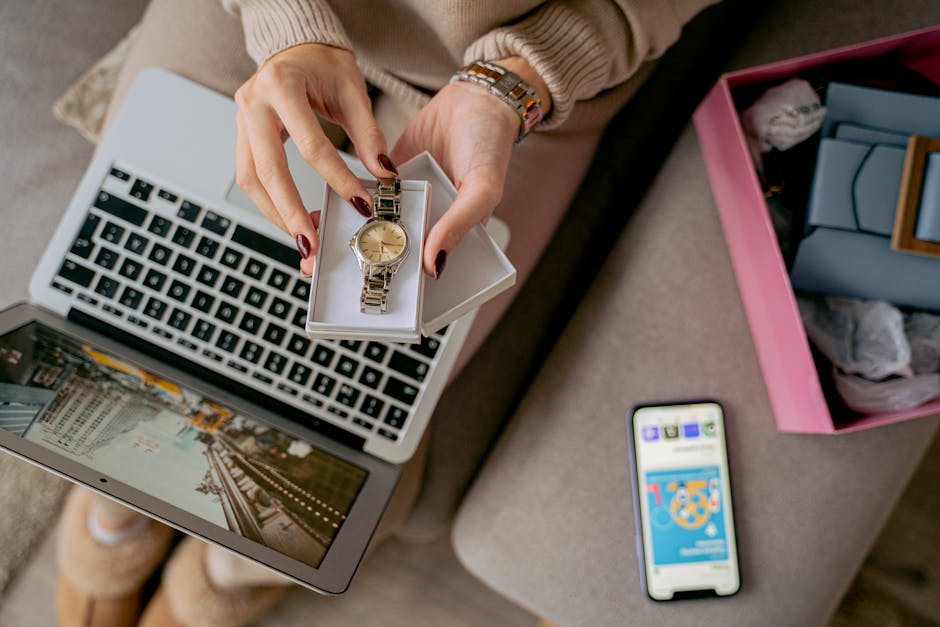
Buying too many devices too quickly
Many beginners build cluttered wellness spaces filled with underused gadgets. Start with foundational categories such as sleep, posture, air quality, or recovery.
Ignoring maintenance and cleaning requirements
Products like humidifiers and water systems require consistent cleaning. Neglecting maintenance can reduce performance and create hygiene concerns.
Choosing trendy gadgets without evidence-informed value
Some wellness trends disappear quickly because they provide limited practical benefit. Focus on devices that support proven wellness habits and daily comfort.
Focusing on devices instead of habits
No wellness gadget replaces consistent movement, hydration, sleep quality, stress management, and healthy routines.
The goal is to build supportive environments rather than depend entirely on technology.
Recommended Starter Home Wellness Ecosystems by Lifestyle
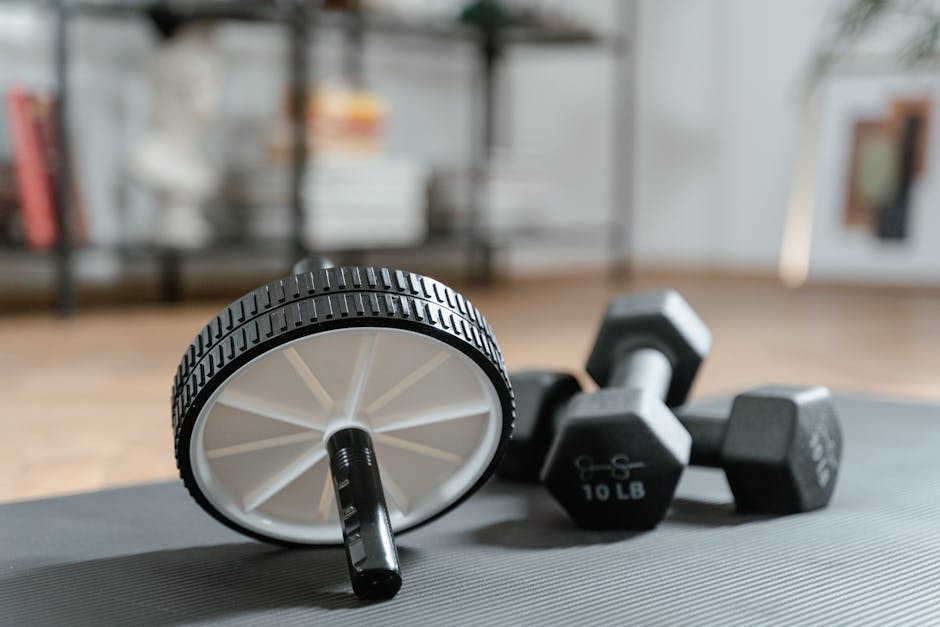
Best wellness setup for remote workers
Remote workers benefit most from:
- Ergonomic seating
- Standing desk flexibility
- Air purification
- Hydration stations
- Stress-reducing lighting
- Foot support accessories
Many remote professionals also explore ergonomic comfort and recovery-focused options through the Foot & Body Comfort collection.
Best wellness setup for athletes and recovery
Recovery-focused setups often prioritize:
- Mobility tools
- Massage devices
- Heat therapy
- Compact strength equipment
- Hydration systems
- Stretching spaces
For example, a compact recovery device like a muscle recovery wellness tool can support post-workout relaxation when combined with stretching and mobility work.
Best wellness setup for stress relief and better sleep
Stress-focused wellness spaces should emphasize:
- Warm ambient lighting
- White noise
- Comfortable textures
- Aromatherapy
- Cooling sleep environments
- Minimal clutter
Layered lighting is especially effective for creating calming nighttime environments.
Best minimalist wellness setup for beginners
A minimalist setup may include only:
- Yoga mat
- Humidifier
- Hydration station
- Soft lighting
- Simple stretching tools
- Compact recovery support
Beginners often achieve better long-term results with fewer, higher-quality wellness tools.
Frequently Asked Questions
What are the best home wellness devices for beginners?
Beginners typically benefit most from air purifiers, humidifiers, ergonomic seating, massage recovery tools, white noise machines, and calming lighting systems because these products support everyday comfort and sustainable routines.
How do I choose safe wellness gadgets for home use?
Look for verified safety certifications, transparent warranties, clear maintenance instructions, and realistic product claims. Avoid products promising unrealistic medical outcomes.
What should be included in a home wellness setup?
A balanced setup often includes sleep support, recovery tools, hydration access, ergonomic comfort, calming lighting, and air quality improvement systems.
Are home wellness devices worth buying for stress relief and recovery?
They can be helpful when paired with consistent habits such as sleep improvement, movement, hydration, and stress management routines.
How much should I budget for home wellness products?
Beginners can start with under $100 while more advanced wellness ecosystems may range from several hundred to several thousand dollars depending on room design and equipment selection.
Which wellness devices are best for improving sleep quality?
White noise machines, humidifiers, cooling bedding, air purifiers, and ambient lighting systems are among the most effective sleep-supportive wellness upgrades.
Do wellness gadgets actually work or are they mostly marketing?
Some products provide meaningful support for comfort, recovery, and relaxation, while others rely heavily on marketing hype. Focus on evidence-informed products that support practical habits.
What is the difference between recovery devices and relaxation devices?
Recovery devices usually focus on muscle comfort, mobility, and physical restoration, while relaxation devices prioritize stress reduction, calming environments, and mental wellness.
How often should home wellness devices be cleaned or replaced?
Maintenance schedules vary by product, but humidifiers, filters, hydration systems, and recovery devices should all be cleaned regularly according to manufacturer instructions.
Can small apartments support a full home wellness setup?
Yes. Compact layouts, foldable equipment, portable devices, and multi-purpose furniture make it possible to create highly effective wellness environments even in limited spaces.
Conclusion
The most effective home wellness setups are not built around trends or oversized equipment collections. They are designed intentionally around healthier habits, realistic routines, and supportive environments that improve daily comfort over time.
Whether your goal is better sleep, reduced stress, improved posture, recovery support, or building a compact home gym, focusing on simplicity and consistency usually creates better long-term results than chasing every new wellness trend.
As you continue building your wellness environment, exploring supportive resources such as the Beauty & Self-Care Blog, the Body & Face Blog, and curated wellness collections can help you gradually create a healthier, more balanced home lifestyle.
Related Articles:
- Best White Noise Machine for Sleeping: Complete Bedroom Optimization Guide for Deeper Rest
- 27 Cool Lighting Ideas for Bedroom Relaxation, Better Sleep & Wellness
- 27 Meditation Corner Ideas + Step-by-Step Setup for a Calm, Stress-Free Home
- Home Wellness Device Buying Guide: How to Build the Right Setup for Stress Relief, Recovery & Better Sleep
- 15 Healthy Kitchen Gadgets to Build a Smarter Wellness Kitchen in 2026
- How To Improve Home Air Quality: The Complete Wellness Guide For Better Sleep And Cleaner Air
- Ergonomic Office Furniture Guide: Best Chairs, Standing Desks & Workspace Setup Ideas
- Best Massager for Lower Back Pain: 2026 Expert Buying Guide













