Best Electric Toothbrush for Travel in 2026: Compact Picks Worth Packing
Maintaining healthy teeth and gums while traveling is harder than most people expect. Airport layovers, road trips, camping weekends, hostel bathrooms, and long business flights can easily disrupt brushing routines. Many travelers also deal with dry mouth, plaque buildup between teeth, gum sensitivity, and bad breath caused by dehydration, irregular schedules, and inconsistent oral hygiene habits.
A well-designed travel electric toothbrush can make daily dental care dramatically easier. Compact sonic and rotating toothbrushes help travelers clean more effectively without packing bulky equipment, while portable water flossers and oral irrigators simplify plaque removal in hard-to-reach spaces. The best travel oral care systems focus on portability, battery life, hygiene, waterproof durability, and gum protection rather than unnecessary extras.
Many travelers also build complete portable hygiene setups using tools from the Oral Care Devices collection alongside compact wellness products from the Lifestyle collection for long-haul comfort and routine consistency.
Why Travel Oral Hygiene Matters More Than Most Travelers Realize
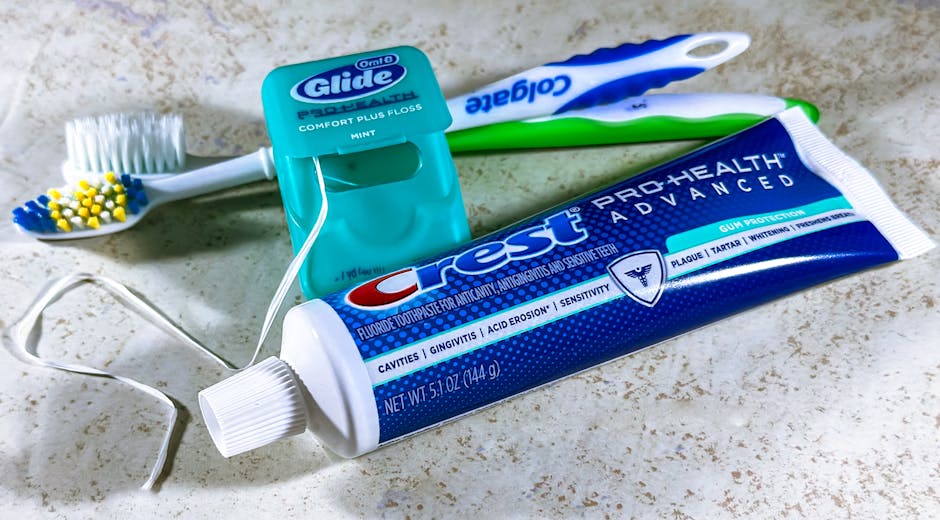
Travel can quickly disrupt healthy oral care habits. Missed brushing sessions, sugary snacks during flights, dehydration, and rushed routines often contribute to plaque accumulation, bleeding gums, tooth sensitivity, and unpleasant breath. Frequent travelers are especially vulnerable because oral bacteria thrive when routines become inconsistent.
How Travel Disrupts Daily Brushing Habits
Most people brush less effectively during trips than they do at home. Early departures, overnight flights, road-trip fatigue, and unfamiliar bathrooms reduce brushing time and consistency. Many travelers also skip flossing completely because traditional floss can feel inconvenient in public or shared spaces.
Long flights worsen the issue because dry cabin air reduces saliva production. Saliva naturally helps protect teeth from bacteria and acid buildup. Without enough hydration, travelers often notice sticky plaque, dry mouth, and stronger bad breath even after brushing.
Frequent snacking during travel also increases exposure to sugars and acidic foods. Coffee, energy drinks, convenience-store snacks, and airport meals can accelerate enamel wear and stain buildup if oral hygiene routines become inconsistent.
The Benefits of Portable Sonic Cleaning for Frequent Travelers
Portable electric toothbrushes help travelers maintain stronger cleaning consistency with less effort. Sonic vibration and rotating brush systems improve plaque removal around the gumline and between teeth compared with rushed manual brushing.
Travel-focused toothbrushes also simplify daily routines because many include:
- Built-in timers for proper brushing duration
- Compact waterproof designs
- Long battery life for extended trips
- USB or USB-C charging compatibility
- Protective travel cases for hygiene
- Sensitive cleaning modes for irritated gums
Many travelers combine electric toothbrushes with accessories from the Body Care and Health Devices collection to build lightweight personal care systems optimized for hotels, airports, and remote destinations.
Who Needs a Travel Electric Toothbrush Most?
Portable electric toothbrushes are particularly useful for:
- Business travelers with frequent flights
- Digital nomads working remotely
- Students living in dorms or shared housing
- Campers and backpackers
- RV travelers and van-life users
- People with braces or sensitive gums
- Travelers prone to plaque buildup or bad breath
People with gum sensitivity especially benefit from pressure-controlled brushing and gentle cleaning modes during travel, when stress and dehydration can increase inflammation.
What Is the Best Electric Toothbrush for Travel in 2026?
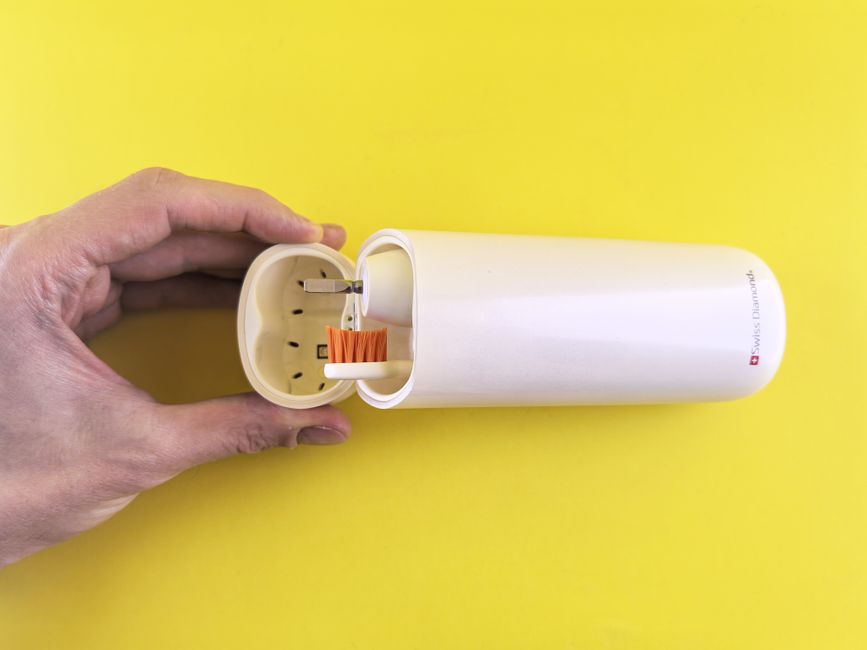
The best electric toothbrush for travel in 2026 is one that balances compact portability with strong plaque removal, long battery life, waterproof durability, and easy charging compatibility. Travelers should prioritize lightweight designs, hygienic storage, and gentle cleaning modes instead of bulky premium features that add unnecessary packing weight.
Quick Answer: Top Features That Matter Most
| Feature | Why It Matters for Travel |
| Compact Size | Fits easily into carry-on bags and toiletry kits |
| Battery Life | Reduces charging frequency during long trips |
| USB or USB-C Charging | Simplifies international charging compatibility |
| Waterproof Rating | Improves durability in shared or wet bathrooms |
| Travel Case | Protects brush heads from contamination |
| Sensitive Mode | Prevents gum irritation during frequent use |
| Replaceable Heads | Supports long-term hygiene maintenance |
One practical example is the KentDO™ Electric Toothbrush, which combines compact portability, rechargeable battery life, multiple cleaning modes, and waterproof construction for travelers who want stronger plaque removal without carrying oversized accessories.

The toothbrush category continues expanding inside the Oral Care Blog, where travelers can explore additional hygiene routines, plaque removal strategies, and gum care recommendations.
Our Evaluation Methodology for Travel Toothbrushes
Travel toothbrushes should be evaluated differently than standard home-use models. Instead of focusing only on cleaning power, portability factors become equally important.
Key evaluation criteria include:
- Weight and carry-on compatibility
- Brush head hygiene and ventilation
- Battery endurance during long trips
- Charging flexibility across countries
- Noise levels in shared rooms or hostels
- Cleaning efficiency around braces and gums
- Waterproof reliability
- Durability inside luggage
Travelers also benefit from minimalist setups that reduce clutter while preserving strong oral hygiene habits.
How to Choose the Right Travel Electric Toothbrush

Choosing the right travel electric toothbrush depends on travel frequency, destination type, oral sensitivity, charging access, and available packing space.
Compact Size vs Cleaning Performance
Ultra-small toothbrushes sometimes sacrifice cleaning efficiency for portability. A balanced design should still provide enough brushing power to clean along the gumline and between teeth effectively.
Compact handles, slim travel cases, and detachable brush heads usually provide the best compromise between portability and performance.
USB-C Charging vs Proprietary Chargers
USB-C charging is becoming increasingly important for travelers because it reduces cable clutter and improves charging convenience across devices.
Travelers who already carry USB-C cables for phones, tablets, and laptops often prefer oral care devices using the same standard.
Portable charging systems also integrate well with accessories from the Gifts & Accessories collection, especially for digital nomads and business travelers managing multiple electronics.
Battery Life for Long Trips and International Travel
Long battery life is essential for backpackers, campers, and international travelers who may not always have convenient charging access.
Ideal travel toothbrushes should last:
- At least 2 weeks for casual travelers
- 3–4 weeks for long-term travel
- Multiple brushing sessions daily without rapid drain
Battery efficiency becomes especially important in airports, remote campsites, trains, and overnight buses.
Waterproof Ratings for Hostel, Hotel, and Camping Use
Travel oral care devices experience more moisture exposure than standard home-use products. Shared bathrooms, wet counters, camping sinks, and compact travel bags increase humidity exposure significantly.
Waterproof protection helps prevent:
- Internal moisture damage
- Bacterial buildup
- Charging-port corrosion
- Travel-related durability failures
Sensitive Teeth and Gum Protection Features
Many travelers notice increased gum irritation during trips because stress, dehydration, acidic drinks, and rushed brushing all affect oral tissues.
Gentle cleaning modes and soft bristles help reduce:
- Bleeding gums
- Tooth sensitivity
- Enamel wear
- Overbrushing damage
Travelers with braces or aligners should also prioritize pressure-controlled brushing systems.
Travel Cases and Brush Head Hygiene
Brush head hygiene matters far more than most travelers realize. Sealed wet containers can trap moisture and encourage bacterial growth.
The best travel cases include:
- Ventilation holes
- Quick-drying materials
- Compact hard-shell protection
- Separate storage for replacement heads
Some travelers also rotate multiple brush heads during extended international trips.
Best Electric Toothbrushes for Different Types of Travelers
Different travelers need different oral care setups. Business travelers prioritize convenience and charging flexibility, while campers and backpackers care more about battery endurance and lightweight packing.
Best Overall Travel Electric Toothbrush
The best overall travel toothbrush balances cleaning efficiency, portability, and long battery performance without becoming bulky. Travelers who brush consistently twice daily benefit most from compact rechargeable systems that require minimal maintenance.
Best Budget-Friendly Compact Toothbrush
Budget travelers should focus on simple, lightweight toothbrushes with long-lasting batteries and replaceable brush heads instead of expensive app-connected features.
Affordable travel oral care kits often work best when combined with accessories from the Wellness & Relaxation collection for longer road trips and overnight travel routines.
Best USB-C Rechargeable Sonic Toothbrush
USB-C rechargeable toothbrushes simplify modern travel because they reduce charger duplication. Travelers carrying power banks, tablets, and USB-C phones can maintain oral hygiene more easily with unified charging systems.
Best Travel Toothbrush for Sensitive Teeth
Travelers with sensitive gums should prioritize:
- Soft bristle heads
- Pressure-sensitive motors
- Gentle vibration settings
- Low-noise operation
- Consistent timer pacing
Overbrushing is especially common during travel because people often rush their routines before flights or meetings.
Best Electric Toothbrush for Camping and Backpacking
Outdoor travelers need lightweight waterproof designs with excellent battery life and durable protective storage. Compact designs are easier to pack inside hiking backpacks and travel organizers.
Portable charging systems pair well with travel-friendly gear from the Body Care and Health Devices collection for off-grid hygiene maintenance.
Best Premium Travel Oral Care System
Premium travel oral care systems typically combine:
- Electric toothbrushes
- Portable water flossers
- Compact storage systems
- Replacement brush heads
- Travel-size oral hygiene accessories
Frequent travelers often prefer integrated hygiene systems because they improve routine consistency during long trips.
Travel Oral Care Essentials Beyond Your Toothbrush

Travel oral hygiene involves more than brushing alone. Water flossers, tongue scrapers, travel-size mouthwash, and compact cleaning tools all contribute to fresher breath and better plaque control.
Are Portable Water Flossers Worth Packing?
Portable water flossers can be extremely valuable for travelers who struggle with plaque buildup between teeth, braces cleaning, or gum irritation.
The KentDO™ Portable Water Flosser – 3 Modes, 200ML Tank is a compact example designed for travelers who want deeper cleaning without carrying large countertop systems.

Portable oral irrigators are especially helpful for:
- Braces and aligners
- Sensitive gums
- Food debris removal
- Reducing bad breath
- Plaque removal between teeth
Best Travel Size Toothpaste and Mouthwash Options
TSA-compliant oral care products simplify airport security while reducing bag weight.
Travelers should prioritize:
- Small fluoride toothpaste tubes
- Alcohol-free mouthwash
- Leak-proof containers
- Dry toothpaste tablets for camping
Alcohol-free mouthwash is often better for frequent travelers because it reduces dry mouth irritation.
Compact Dental Cleaning Tools That Actually Help
Some of the most useful portable oral hygiene tools include:
- Tongue scrapers
- Interdental brushes
- Floss picks
- Travel mirror kits
- Retainer cases
Travelers seeking lightweight hygiene organization often explore broader portable wellness systems inside the Foot & Body Comfort collection for long-haul recovery and self-care support.
Retainer and Aligner Cleaning While Traveling
Retainers and aligners trap bacteria quickly during travel if not cleaned consistently.
Travelers should:
- Rinse aligners after meals
- Avoid storing retainers in napkins
- Use ventilated storage cases
- Carry compact cleaning tablets
- Brush aligners gently with soft bristles
Can You Bring an Electric Toothbrush in a Carry-On Bag?

Yes, electric toothbrushes are generally allowed in carry-on luggage. Rechargeable toothbrushes, brush heads, and portable oral irrigators are commonly transported through airport security without problems.
Understanding TSA Carry-On Liquids Rules
Toothpaste and mouthwash fall under standard liquid restrictions in carry-on bags.
Travelers should keep:
- Toothpaste under allowed liquid limits
- Mouthwash in approved travel containers
- Leak-proof caps secured tightly
Solid toothpaste tablets are increasingly popular among backpackers and minimalist travelers because they eliminate liquid restrictions entirely.
Packing Batteries and Chargers Safely
Rechargeable toothbrushes should be stored in protective cases to prevent accidental activation inside luggage.
Travelers should also:
- Pack chargers in dry compartments
- Use cable organizers
- Protect charging ports from moisture
- Carry compact power banks for emergencies
Airport Security Tips for Oral Care Devices
Airport screening becomes easier when oral care devices are organized clearly inside toiletry kits.
Helpful practices include:
- Separating liquids from electronics
- Drying devices before packing
- Keeping chargers accessible
- Using transparent travel pouches
How to Maintain Oral Hygiene While Traveling

Consistent oral hygiene matters even more during travel because diet changes, dehydration, and fatigue can accelerate plaque accumulation and gum irritation.
Morning and Night Travel Hygiene Routine
A simple travel hygiene routine works best:
- Brush for two full minutes
- Clean between teeth daily
- Use alcohol-free mouthwash
- Drink water regularly
- Clean retainers or aligners nightly
Minimalist routines improve long-term consistency because travelers are more likely to maintain them under stressful schedules.
Oral Hygiene Tips for Long Flights and Road Trips
Long travel days increase dry mouth risk significantly.
Travelers can reduce bad breath and plaque buildup by:
- Drinking water frequently
- Avoiding excessive sugary snacks
- Chewing sugar-free gum
- Brushing after long meals
- Using portable floss picks
Hydration-focused wellness products from the Skincare & Hydration collection also support comfort during extended flights and dry climates.
Preventing Gum Irritation During Travel
Travel-related gum irritation often results from:
- Overbrushing
- Stress
- Dehydration
- Acidic drinks
- Poor sleep quality
Gentle brushing pressure and soft bristle heads can help reduce inflammation during trips.
How Often Should You Replace Brush Heads While Traveling Frequently?
Frequent travelers should typically replace brush heads every 2–3 months, or sooner if bristles begin fraying.
Brush heads exposed to humid travel environments may wear out faster due to:
- Constant moisture
- Improper drying
- Compressed packing conditions
- Frequent transport
How to Brush Your Teeth While Camping or Backpacking
Camping and backpacking create unique oral hygiene challenges because water access, sanitation, and charging availability become limited.
Low-Water Brushing Techniques for Campsites
Campers can maintain healthy oral hygiene with surprisingly little water.
Helpful strategies include:
- Using biodegradable toothpaste
- Brushing with measured water amounts
- Spitting away from water sources
- Carrying compact rinse bottles
- Using toothpaste tablets for ultralight packing
Portable Charging Solutions Off Grid
Power banks and solar charging panels help maintain rechargeable toothbrushes during extended outdoor trips.
Travelers should prioritize:
- Long battery life devices
- USB-compatible charging
- Lightweight battery packs
- Water-resistant storage
Keeping Your Toothbrush Clean Outdoors
Outdoor environments expose toothbrushes to dust, bacteria, insects, and moisture.
Campers should:
- Store brushes in ventilated cases
- Allow brush heads to dry fully
- Avoid sealing wet brushes immediately
- Keep toothbrushes away from cooking gear
Common Mistakes Travelers Make With Electric Toothbrushes
Even experienced travelers sometimes damage their oral hygiene routines through poor packing habits or unrealistic expectations.
Overpacking Bulky Oral Care Accessories
Many travelers carry far more oral care gear than necessary. Heavy countertop devices and oversized storage systems often reduce convenience rather than improve hygiene.
Compact multifunctional tools usually provide better travel efficiency.
Ignoring Brush Head Hygiene
Wet brush heads stored inside sealed containers create ideal environments for bacteria growth.
Travelers should prioritize ventilation and drying whenever possible.
Choosing Power Over Portability
The most powerful toothbrush is not always the best travel option. Excessively large devices can become inconvenient during flights, road trips, or hostel stays.
The ideal travel setup balances:
- Cleaning performance
- Battery endurance
- Compact storage
- Comfortable handling
- Easy maintenance
Travel Electric Toothbrush Buying Checklist

Travel toothbrush shopping becomes easier when buyers focus on essential functionality instead of unnecessary marketing features.
Essential Features to Prioritize
| Priority Feature | Importance |
| Long Battery Life | Excellent for international travel |
| Compact Design | Improves portability |
| Waterproof Construction | Enhances durability |
| Travel Case | Protects hygiene |
| Sensitive Cleaning Mode | Supports gum health |
| USB Charging | Reduces cable clutter |
Features You Can Skip
Many travelers do not need:
- Bulky charging docks
- Complicated mobile apps
- Oversized UV sanitizing cases
- Heavy countertop water systems
- Extremely high vibration settings
Portable oral care setups work best when they remain simple and sustainable during daily travel routines.
Frequently Asked Questions
What is the best electric toothbrush for travel in 2026?
The best travel electric toothbrush combines compact portability, long battery life, waterproof durability, and effective plaque removal without adding unnecessary bulk.
Can you bring an electric toothbrush in a carry-on bag?
Yes. Electric toothbrushes are generally allowed in carry-on luggage, though toothpaste and mouthwash must follow liquid restrictions.
How do you maintain oral hygiene while traveling?
Brush twice daily, floss consistently, stay hydrated, and use compact oral hygiene tools that simplify routines during busy travel schedules.
Is a portable water flosser worth it for travel?
Portable water flossers are useful for travelers with braces, gum sensitivity, plaque buildup, or difficulty flossing consistently during trips.
How do you brush your teeth while camping or backpacking?
Use low-water brushing techniques, biodegradable toothpaste, ventilated brush storage, and rechargeable devices with long battery life.
What is the best USB-C charging toothbrush for travelers?
The best USB-C travel toothbrush is lightweight, waterproof, rechargeable, and compatible with common travel charging systems.
How long should a travel electric toothbrush battery last?
Most quality travel toothbrushes should last at least two weeks per charge, while premium travel-focused models may last up to a month.
Are sonic toothbrushes better for sensitive gums while traveling?
Sonic toothbrushes with gentle modes can help reduce irritation and improve plaque removal without aggressive brushing pressure.
How do you keep a toothbrush sanitary during long trips?
Allow brush heads to dry fully, use ventilated travel cases, and avoid storing wet brushes in sealed containers.
Should you pack a travel water flosser for international travel?
Travel water flossers are especially useful for long trips, braces cleaning, and maintaining gum health during inconsistent travel routines.
Conclusion
Effective travel oral hygiene is not about carrying the largest or most expensive equipment. The best travel setups focus on portability, consistency, gum protection, battery efficiency, and easy maintenance across airports, hotels, campsites, road trips, and international destinations.
A compact electric toothbrush paired with lightweight oral hygiene accessories can dramatically improve plaque control, reduce bad breath, and support healthier gums even during demanding travel schedules. Travelers who build simple, sustainable hygiene routines are far more likely to maintain healthy brushing habits over the long term.
For travelers building a more complete portable wellness system, the Oral Care Devices collection and the Beauty & Self-Care Blog offer additional guidance on travel-friendly hygiene tools, gum care strategies, and long-term oral health maintenance.
Pillar Article: Oral Hygiene Routines: Beginner-to-Pro Daily Dental Guide