Oral Hygiene Routines That Actually Work (Dentist-Level Daily Plan)
Most people brush their teeth every day, yet still deal with bad breath, gum sensitivity, and plaque buildup. The issue is not effort—it’s technique, timing, and missing steps that dentists consistently emphasize. A truly effective oral hygiene routine is not complicated, but it must be structured correctly to remove plaque, protect gums, and maintain long-term oral health.
This guide breaks down a complete beginner-friendly system used in modern dental care: morning and nighttime routines, brushing technique, flossing alternatives, gum protection strategies, and habit-building frameworks that take less than 10 minutes per day when done correctly.
Why Most Oral Hygiene Routines Fail

Even with daily brushing, plaque can remain between teeth and along the gumline. Over time, this leads to inflammation, bad breath, and early gum disease. Most failures come from skipping key steps or using ineffective techniques rather than lack of effort.
The Difference Between Brushing Teeth and Actually Removing Plaque
Brushing alone only cleans about 60% of tooth surfaces. Plaque often hides between teeth and under the gumline, where bacteria thrive. Without flossing or water-based cleaning, these areas remain untouched, which is why dentists emphasize a multi-step routine.
The 3 Biggest Beginner Mistakes That Cause Bad Breath and Bleeding Gums
- Brushing too fast (less than 1 minute instead of 2 minutes)
- Skipping interdental cleaning (floss or water flossing)
- Using excessive force that damages gum tissue instead of cleaning it
These mistakes are fixable with small adjustments that dramatically improve oral health within weeks.
The Best Daily Oral Hygiene Routine for Beginners

A structured routine ensures consistent plaque removal and gum protection. The key is separating morning and nighttime priorities while keeping the process simple enough to maintain daily.
The Ideal Morning Oral Care Routine (5-Minute Workflow)
Morning care focuses on removing overnight bacteria buildup and refreshing breath for the day ahead.
- Rinse mouth with water immediately after waking
- Brush teeth for 2 minutes using proper technique
- Clean tongue to reduce odor-causing bacteria
- Optional: light mouth rinse for freshness
For enhanced cleaning and plaque control, an electric toothbrush improves consistency and effectiveness.
The Ideal Nighttime Dental Care Routine (Most Important Routine of the Day)
Nighttime is when oral bacteria multiply most rapidly. This makes evening hygiene the most critical step in any oral care system.
- Floss or use water-based interdental cleaning
- Brush teeth thoroughly for 2 minutes
- Focus on gumline and back molars
- Finish with a gentle rinse if needed
Recommended Timing Order for Brushing, Flossing, and Mouthwash
The most effective sequence is interdental cleaning first, brushing second, and mouthwash last. This ensures plaque is physically removed before fluoride toothpaste strengthens enamel.
How to Brush Your Teeth Properly for Maximum Plaque Removal
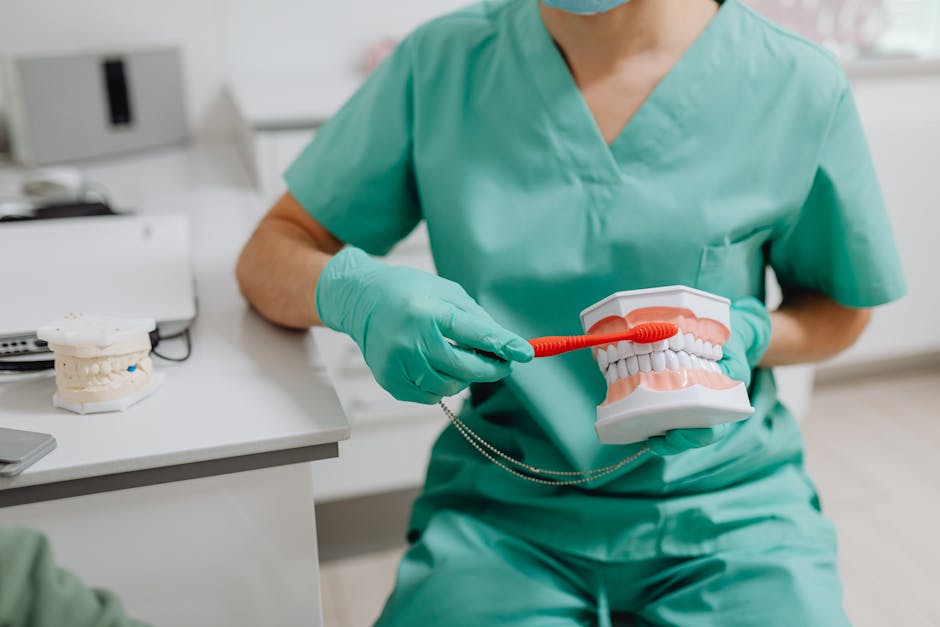
Brushing technique matters more than brushing force. Proper movement ensures plaque removal without damaging gums.
For beginners who struggle with consistency, using a guided electric toothbrush can significantly improve results.

KentDO™ Electric Toothbrush is designed to improve brushing consistency with high-frequency vibrations and multiple cleaning modes. It helps beginners follow correct timing and pressure automatically.
Manual vs Electric Toothbrush: Which Is Better for Beginners?
| Feature | Manual Toothbrush | Electric Toothbrush |
| Plaque Removal | Moderate | High efficiency |
| Ease of Use | Requires technique | Guided cleaning |
| Gum Safety | Depends on pressure | Pressure controlled |
| Best For | Experienced users | Beginners & sensitive gums |
The Correct Brushing Angle Dentists Recommend
Hold the brush at a 45-degree angle toward the gumline. Use small circular motions rather than horizontal scrubbing to avoid enamel wear.
How Long Should You Brush Your Teeth?
Two minutes is the standard recommendation. Most electric toothbrushes include timers to ensure even cleaning across all quadrants of the mouth.
Common Toothbrushing Mistakes That Damage Gums
- Brushing too hard instead of letting bristles do the work
- Ignoring back teeth and inner surfaces
- Rushing through brushing without timing control
How to Floss Correctly Without Hurting Your Gums

Flossing is essential for removing plaque between teeth where brushes cannot reach. However, many beginners avoid flossing due to discomfort or bleeding gums.
A water-based alternative can make this step easier and more comfortable for daily use.

KentDO™ 300ML Oral Irrigator provides high-pressure water pulses to clean between teeth and along the gumline, reducing plaque buildup and improving gum health over time.
Dental Floss vs Water Flosser vs Interdental Brush
| Method | Effectiveness | Comfort | Best Use Case |
| Dental Floss | High | Moderate | Precision cleaning |
| Water Flosser | Very high | High | Sensitive gums, braces |
| Interdental Brush | High | Moderate | Wide gaps, implants |
Why Your Gums Bleed When You Floss
Bleeding gums often indicate early inflammation caused by plaque buildup. With consistent daily cleaning, gums typically become healthier and stop bleeding within 1–2 weeks.
How Often Should You Floss?
Once daily is recommended, preferably at night when plaque accumulation is highest.
Choosing the Right Oral Hygiene Tools for Your Needs

Effective oral care depends on using the right combination of tools for your specific needs such as sensitivity, whitening, or gum health.
Explore curated oral care solutions in the Oral Care Devices collection for complete hygiene systems designed for daily use.
For broader wellness routines, the Body Care and Health Devices collection offers complementary tools that support full-body hygiene.
When Mouthwash Helps—and When It Doesn't
Mouthwash can temporarily reduce bacteria and freshen breath, but it cannot replace brushing or flossing. It works best as a finishing step in a complete routine.
How to Choose an Electric Toothbrush for Daily Use
Look for features such as timer guidance, soft bristles for gum safety, and multiple cleaning modes for sensitivity and whitening support.
Who Should Use a Water Flosser?
Water flossers are especially useful for people with braces, sensitive gums, or difficulty using traditional floss. They also improve consistency for beginners who find string floss difficult.
How to Reduce Gum Inflammation and Bleeding Naturally at Home
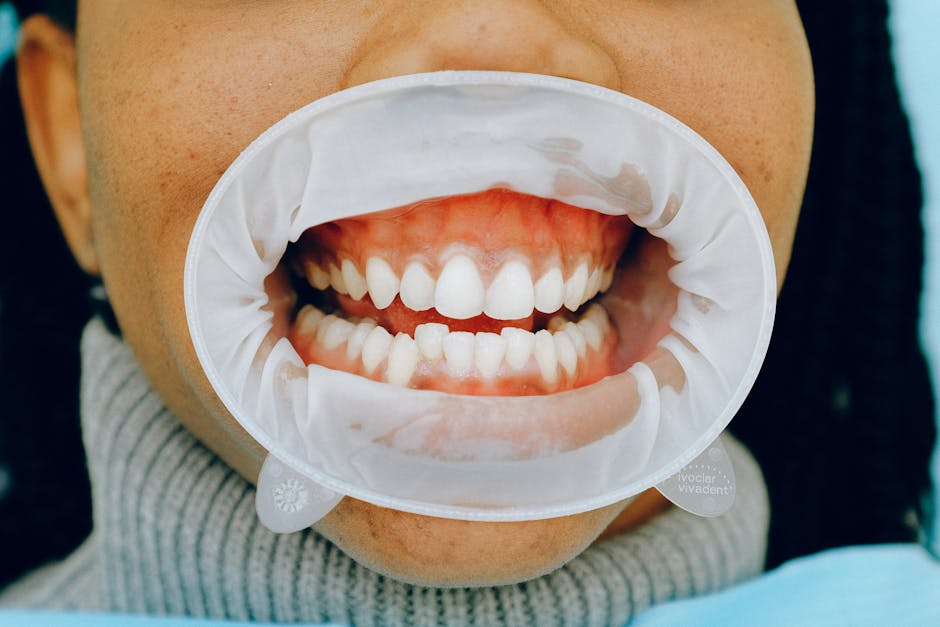
Gum inflammation is often reversible through consistent cleaning and lifestyle adjustments. The goal is to reduce bacterial buildup and improve circulation in gum tissue.
Signs of Early Gingivitis You Shouldn't Ignore
- Red or swollen gums
- Bleeding during brushing or flossing
- Persistent bad breath
Daily Habits That Improve Gum Health Fast
Regular interdental cleaning, proper brushing technique, and avoiding sugary snacks between meals significantly improve gum health within days to weeks.
Foods and Drinks That Make Gum Problems Worse
Sugary beverages and frequent snacking increase plaque formation and bacterial growth, contributing to gum irritation over time.
Complete Morning vs Night Oral Care Routine Comparison

| Aspect | Morning Routine | Night Routine |
| Main Goal | Fresh breath | Plaque removal |
| Cleaning Depth | Light to moderate | Deep cleaning required |
| Importance Level | High | Critical |
Printable Beginner Daily Oral Hygiene Checklist
- Brush twice daily for 2 minutes
- Floss or use water flosser once daily
- Clean tongue daily
- Replace toothbrush every 3 months
- Maintain consistent routine timing
Travel Oral Hygiene: How to Keep Your Teeth Clean Anywhere

Maintaining oral hygiene while traveling requires compact tools and simplified routines that still protect against plaque buildup.
For travel-friendly essentials, explore the Lifestyle collection featuring compact hygiene and wellness tools designed for mobility.
Additional hygiene and convenience tools are available in the Gifts & Accessories collection, ideal for travel kits and daily portability.
Essential Travel Dental Care Kit Checklist
- Compact toothbrush or electric toothbrush
- Portable water flosser
- Travel-size toothpaste
- Small mouth rinse bottle
Portable Water Flossers and Compact Toothbrush Options
Travel oral care becomes significantly easier with rechargeable devices that last weeks per charge, reducing the need for bulky accessories.
Airport, Hotel, and Camping Oral Hygiene Tips
Even in limited environments, rinsing after meals and maintaining a simplified brushing routine helps prevent plaque buildup and bad breath.
Beginner-to-Pro Oral Hygiene Progression Plan

Building a strong oral hygiene routine is easier when implemented gradually rather than all at once.
Week 1: Building Consistent Brushing Habits
Focus on brushing twice daily with correct timing and technique. Consistency matters more than perfection.
Week 2: Adding Flossing and Gum Care
Introduce flossing or water-based cleaning once daily to target interdental plaque.
Week 3 and Beyond: Advanced Maintenance and Whitening Support
Add whitening support routines and refine technique for long-term gum health and stain prevention.
What Dentists and the American Dental Association Recommend

Dental professionals consistently emphasize prevention through routine care rather than reactive treatment. Proper brushing, flossing, and regular dental visits remain the foundation of oral health.
“Clean between teeth daily to prevent plaque buildup and gum disease.” — Dental hygiene guidance summary
ADA-Recommended Brushing and Flossing Standards
Twice-daily brushing and once-daily interdental cleaning are standard recommendations for maintaining gum health and preventing decay.
When to See a Dentist Instead of Treating Problems at Home
Persistent pain, severe gum bleeding, or tooth sensitivity lasting more than a week should be evaluated by a dental professional.
FAQ: Oral Hygiene Routines That Actually Work
What is the best daily oral hygiene routine for beginners?
A simple routine includes brushing twice daily, flossing or water flossing once daily, and cleaning the tongue for fresh breath.
How often should I floss and brush?
Brush twice daily for 2 minutes and floss once daily, preferably at night.
Is an electric toothbrush better than a manual toothbrush?
Yes, electric toothbrushes provide more consistent plaque removal and are easier for beginners to use correctly.
Can a water flosser replace dental floss?
It can be an effective alternative, especially for sensitive gums or braces, but traditional floss is still beneficial for precision cleaning.
Why do my gums bleed when brushing or flossing?
Bleeding usually indicates early gum inflammation caused by plaque buildup and often improves with consistent hygiene.
How long does it take to improve bad breath?
Most people notice improvement within a few days of consistent brushing, flossing, and tongue cleaning.
Conclusion
Effective oral hygiene is not about complex routines but about consistency, proper technique, and using the right tools. A structured daily system that includes brushing, interdental cleaning, and gum care can dramatically improve breath freshness, gum health, and long-term dental stability.
Starting simple and gradually improving your routine ensures long-term success without overwhelm.
Related Articles:
- Do Water Flosser Remove Plaque? Dentist Guide to Better Oral Hygiene in 2026
- Best Electric Toothbrush for Travel: Top Compact Picks for 2026
- Best Teeth Whitening Methods at Home (2026 Dentist Safety Guide)
- Electric Travel Toothbrushes: Best Picks, Buying Guide & Portable Oral Care Tips for 2026
- Bleeding Gums? How to Prevent Gums From Bleeding Naturally (Dentist Guide 2026)
- Electric vs Manual Toothbrushes: Which Cleans Better for Gums, Sensitive Teeth & Travel?
- Mouth Hygiene Routine: Complete Daily Dental Care Guide
- Dental Tools for Home: Complete 2026 Guide to Building a Better Oral Care Routine
- How to Remove Bad Breath Naturally: A 7-Day Fresh Breath Reset
- Professional Dental Tools for Home Use: Safe Dentist-Level Oral Care Guide