

Best Heat Protectant for Hair (2026): Complete Damage Prevention Guide + Pro Styling System
Most people think using a heat protectant alone is enough to prevent hair damage. It’s not. Breakage, frizz, dryness, and split ends still happen because heat protection is only one piece of a much bigger system.
This guide goes beyond product hype. You’ll learn how heat actually damages your hair, how to choose the right protectant for your hair type, and—most importantly—how to build a complete anti-damage routine using the right tools, techniques, and daily habits.
If you want salon-quality hair at home without sacrificing long-term health, this is the system you need.
What Is a Heat Protectant & Why It’s Essential in 2026

A heat protectant is a product designed to form a protective barrier over your hair strands, reducing moisture loss and minimizing structural damage when using styling tools like blow dryers, straighteners, or curling irons.
Modern formulas go beyond basic protection. Today’s best options combine silicones, proteins, and conditioning agents to reduce friction, improve smoothness, and prevent breakage.
How Heat Damages Hair at the Cuticle Level
Hair is made up of three layers: the cuticle (outer), cortex (middle), and medulla (inner). Heat primarily damages the cuticle.
- High temperatures lift and crack the cuticle
- Moisture evaporates from inside the hair shaft
- Protein bonds weaken, leading to breakage
- Hair becomes porous, frizzy, and dull
Without protection, repeated styling leads to irreversible structural damage.
Types of Heat Protectants (Spray, Cream, Serum, Oil)
Choosing the right format matters more than most people realize:
- Sprays: Lightweight, best for fine hair
- Creams: Ideal for thick or coarse hair needing moisture
- Serums: Great for frizz control and shine
- Oils: Best for sealing moisture post-styling
Explore more tools that complement your routine in our hair care and styling devices collection.
Quick Answer: Best Heat Protection Strategy by Hair Type
| Hair Type | Best Protectant Type | Key Benefit | Styling Tip |
| Fine Hair | Lightweight Spray | No weighing down | Use low heat settings |
| Thick Hair | Cream or Serum | Deep moisture | Section hair before styling |
| Curly Hair | Hydrating Cream | Frizz control | Use diffuser or air dry |
| Damaged Hair | Protein + Oil Blend | Repair + protection | Limit heat frequency |
The real secret? Pair your heat protectant with the right tools and technique—not just the product itself.
How to Use Heat Protectant Correctly (Step-by-Step Routine)

Before Blow Drying (Wet Hair Routine)
- Towel dry gently—don’t rub aggressively
- Apply heat protectant evenly from mid-length to ends
- Comb through for distribution
- Use medium heat, not maximum
- Keep dryer moving constantly
For advanced results, combine this with tools from our body care and health devices collection to support overall hair wellness.
Before Flat Iron or Curling (Dry Hair Routine)
- Ensure hair is completely dry
- Apply a light layer of protectant
- Work in small sections
- Use the lowest effective temperature
- Limit passes—one or two max per section
Common Mistakes That Still Cause Damage
- Applying too little product
- Using high heat unnecessarily
- Styling damp hair with flat irons
- Skipping sectioning
- Overusing tools daily
Even the best heat protectant won’t save hair from poor technique.
The Complete Anti-Damage Hair System (Beyond Heat Protectant)

Think of heat protection as a system, not a single product.
Choosing the Right Styling Tools (Ionic vs Ceramic)
- Ionic tools: Reduce frizz and lock in moisture
- Ceramic tools: Provide even heat distribution
- Tourmaline: Combines both benefits
Discover advanced tools in our skin and beauty care devices collection.
Drying Techniques That Reduce Heat Exposure
- Air dry to 60–70% before blow drying
- Use microfiber towels
- Dry roots first, then ends
- Always use nozzle attachments
Scalp Health Routine for Stronger Hair Growth
Healthy hair starts at the scalp:
- Massage scalp 2–3 times per week
- Use gentle exfoliation
- Keep scalp hydrated
- Avoid product buildup
Support your routine with tools from our wellness & relaxation collection.
Frizz Control & Smooth Hair: The Role of Ionic Technology
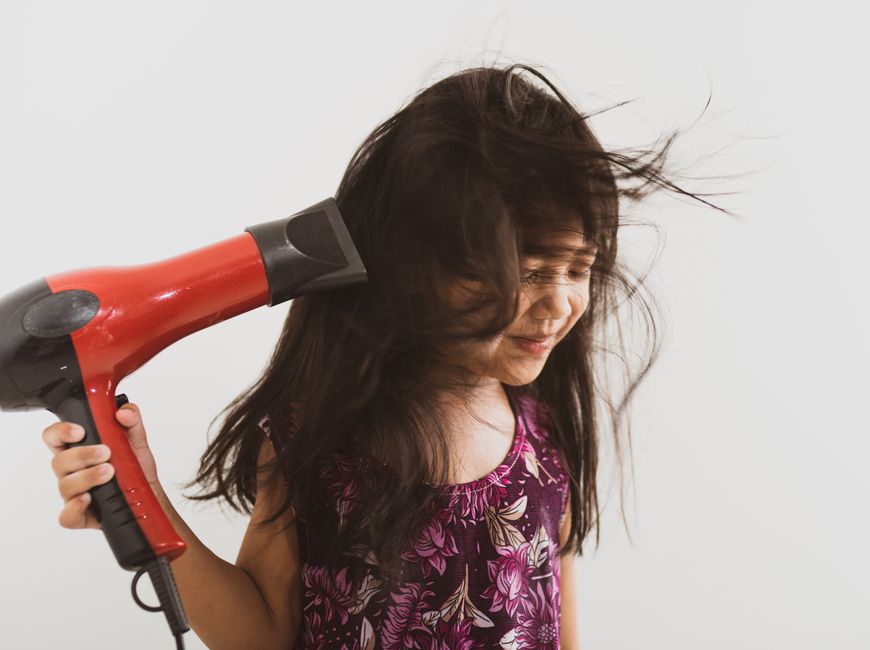
How Ionic Hair Dryers Reduce Frizz
Ionic technology releases negative ions that break down water molecules faster. This allows hair to dry quickly while retaining internal moisture.
- Reduces static electricity
- Smooths cuticle layer
- Enhances shine
- Prevents over-drying
Best Routine for Smooth, Frizz-Free Hair
- Apply heat protectant on damp hair
- Use ionic dryer on medium heat
- Finish with cool shot
- Seal with lightweight serum
This approach dramatically reduces frizz compared to heat protectant alone.
How to Prevent Heat Damage Long-Term (Expert Routine)
Weekly Repair Routine (Protein + Moisture Balance)
Hair needs both strength and hydration:
- Use protein treatment once per week
- Deep condition regularly
- Alternate between moisture and repair
One effective way to boost treatment absorption is using a heat-assisted conditioning method like the Hair Steamer Cap with 10 Heat Levels for Deep Conditioning.

This type of controlled heat helps open the cuticle gently, allowing conditioners to penetrate deeper—reducing dryness and improving resilience against styling damage.
Daily Hair Care Routine for Strong Hair
- Use sulfate-free shampoo
- Condition every wash
- Apply leave-in protectant
- Limit heat styling frequency
- Sleep on silk or satin
You can find supportive lifestyle tools in our lifestyle collection.
Split Ends Prevention & Trimming Strategy
- Trim every 6–8 weeks
- Avoid excessive brushing
- Use wide-tooth combs
- Protect hair during sleep
Travel-Friendly Heat Protection Routine

Minimalist Packing List for Hair Protection
- Compact heat protectant spray
- Dual-voltage styling tool
- Microfiber towel
- Silk scrunchie
A practical example is the KentDO™ Electric Straightening Comb – Anti-Scald, Ionic Brush, which combines styling and frizz control in one travel-friendly tool.

This reduces the need for multiple devices, minimizing heat exposure and simplifying your routine.
For more travel-ready options, explore our gifts & accessories collection.
FAQ: Heat Protectant & Hair Damage Prevention
What is the best heat protectant for hair in 2026?
The best option depends on your hair type. Lightweight sprays work for fine hair, while creams and serums are better for thick or curly hair. The key is consistent use combined with proper technique.
How to protect hair from heat without causing damage?
Use a heat protectant, lower your styling temperature, avoid repeated passes, and maintain a strong hair care routine including conditioning and scalp health.
How to prevent heat damaged hair from styling tools?
Limit heat frequency, use ionic tools, apply protectant properly, and repair hair weekly with deep conditioning treatments.
What is the best way to reduce hair breakage naturally?
Focus on hydration, protein balance, gentle handling, and reducing mechanical stress like aggressive brushing or tight hairstyles.
How to build a daily hair care routine for healthy strong hair?
Cleanse gently, condition regularly, protect from heat, minimize damage, and maintain scalp health for long-term growth and strength.
Conclusion: The Real Secret to Heat Protection
The best heat protectant isn’t just a product—it’s a system.
When you combine the right formula with proper technique, smart tool choices, and a consistent hair care routine, you dramatically reduce damage while improving shine, smoothness, and strength.
Start with the basics, build your routine, and upgrade your tools gradually. That’s how you achieve salon-quality results—without sacrificing your hair’s long-term health.
Pillar Article: Hair Care Routine: Build Your Perfect System for Healthy, Frizz-Free Hair













