

Hair Care Routine: The Complete Guide to Healthy, Frizz-Free Hair in 2026
Frizz, dryness, breakage, and inconsistent styling results usually come down to one thing: an unstructured hair care routine. Most people either overcomplicate their routine or skip critical steps—especially when using heat tools. The solution isn’t more products—it’s a smarter system.
This guide introduces a scalp-first + tool-smart framework that helps you build a personalized hair care routine that works daily, weekly, and long-term. Whether you're aiming for smoother blowouts, healthier growth, or frizz-free styling, this system will help you get there.
For a complete setup, explore tools inside our Hair Care and Styling Devices collection designed to support every step of your routine.
What Is the Correct Hair Care Routine for Healthy, Frizz-Free Hair?

The 7 Essential Hair Care Routine Steps
- Cleanse (remove oil and buildup)
- Condition (restore moisture and smooth cuticles)
- Treat (target damage, dryness, or scalp issues)
- Protect (heat protection and environmental defense)
- Style (blow dry, curl, or straighten)
- Finish (lock in shine and control frizz)
- Maintain (daily brushing, scalp care, and hydration)
Daily vs Weekly vs Occasional Routine Layers
| Routine Type | Frequency | Focus |
| Daily | Every day | Detangling, light styling, scalp balance |
| Weekly | 2–3 times | Deep conditioning, exfoliation |
| Occasional | Monthly | Repair treatments, trimming |
The Scalp-First Methodology: The Foundation of Healthy Hair
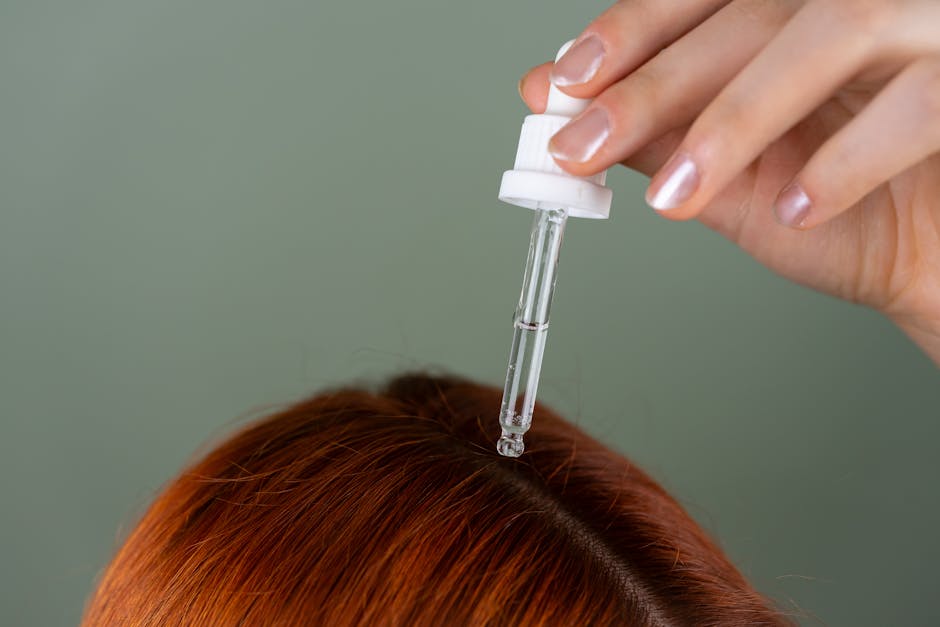
Your scalp is the root of all hair health. When the scalp is inflamed, oily, or clogged, hair becomes weak, frizzy, and prone to breakage.
Why Scalp Health Controls Frizz, Growth, and Shine
Healthy follicles produce stronger strands. Balanced oil levels prevent dryness while avoiding buildup. Improved blood flow supports consistent growth and density.
How to Build a Scalp Care Routine
- Exfoliate weekly to remove buildup
- Massage daily to boost circulation
- Use gentle cleansing tools to avoid irritation
A simple way to upgrade your scalp routine is using tools like the KentDO™ Scalp Massager Brush – Relax & Boost Hair Growth.

This type of tool helps deeply cleanse, improve circulation, and reduce itchiness—making it easier to maintain a healthy foundation for styling.
For more wellness-focused tools, browse the Wellness & Relaxation collection.
Build-Your-Own Hair Care Routine System (Step-by-Step Framework)

Step 1: Identify Your Hair Type and Damage Level
Fine hair needs volume and light hydration. Thick or curly hair requires moisture and anti-frizz support. Damaged hair needs protein and protection.
Step 2: Choose Your Core Routine
Your base includes shampoo, conditioner, and treatment. Keep it consistent before adding styling layers.
Step 3: Integrate Styling Without Damage
Choose tools that minimize heat exposure while delivering results efficiently. Ionic tools and controlled airflow reduce frizz and drying time.
Step 4: Add Protection and Finishing Layers
Always use heat protectant. Finish with lightweight oils or serums to seal moisture.
Explore advanced styling setups in our Skin and Beauty Care Devices collection for integrated routines.
Daily Hair Care Routine: Morning and Night Systems

Morning Routine for Frizz Control and Styling Prep
- Light detangling
- Apply leave-in conditioner
- Heat protectant
- Style using controlled heat
Night Routine for Repair and Moisture Retention
- Gentle brushing
- Apply oil or serum
- Loose braid or protective style
Styling Without Damage: The Complete Tool Workflow Guide

How to Blow Dry Hair Properly (Step-by-Step Technique)
- Start with damp—not wet—hair
- Apply heat protectant
- Use medium heat and airflow
- Dry in sections
- Finish with cool air
How to Use a Hair Dryer Brush for Smooth, Frizz-Free Results
Divide hair into sections and slowly glide the brush from roots to ends. Keep tension consistent for smoothness.
Curling Brush Tutorial for Volume and Shape
Wrap sections around the brush, hold briefly, and release gently. Avoid overheating the same section.
Hair Straightening Iron Usage Without Damage
Use the lowest effective temperature and avoid multiple passes.
To complement styling, a high-quality brush like the KentDO™ Luxury Boar Bristle Paddle Hair Brush – Anti-Static & Massage Comb helps distribute natural oils and reduce frizz.

The Anti-Frizz System: From Shower to Styling

What Causes Frizz
- Humidity
- Dryness
- Heat damage
- Incorrect styling technique
Frizz Control Routine
- Hydrating shampoo
- Condition thoroughly
- Use microfiber towel
- Apply anti-frizz serum
- Style with controlled heat
Best Tools for Frizz Control
Ionic tools, boar bristle brushes, and airflow-controlled dryers provide the best results.
Heat Damage Prevention: The Science-Backed Protection System

How Heat Damages Hair
Heat breaks down keratin and removes internal moisture, leading to brittleness and split ends.
How to Use Heat Protectant Spray Correctly
- Apply evenly on damp hair
- Comb through for distribution
- Let it absorb before styling
Safe Temperature Guidelines
| Hair Type | Max Temperature |
| Fine | 150°C |
| Normal | 180°C |
| Thick | 200°C |
Air Drying vs Blow Drying: Which Is Better?
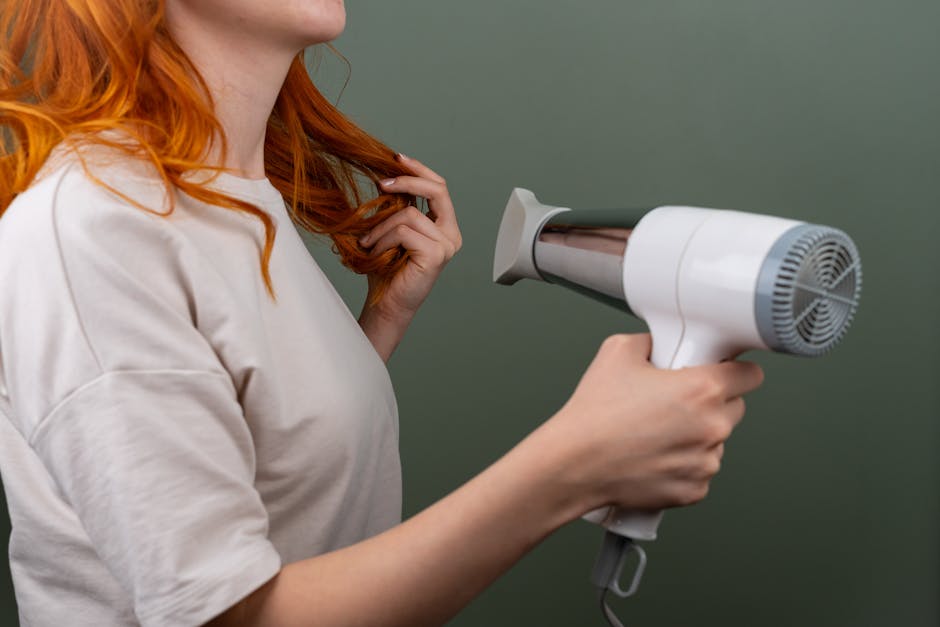
Pros and Cons of Air Drying
- Less heat damage
- Can increase frizz
Pros and Cons of Blow Drying
- Faster styling
- Requires heat protection
Best Hybrid Method
Air dry 70%, then finish with controlled blow drying.
Travel-Friendly Hair Care Routine (Minimalist System)
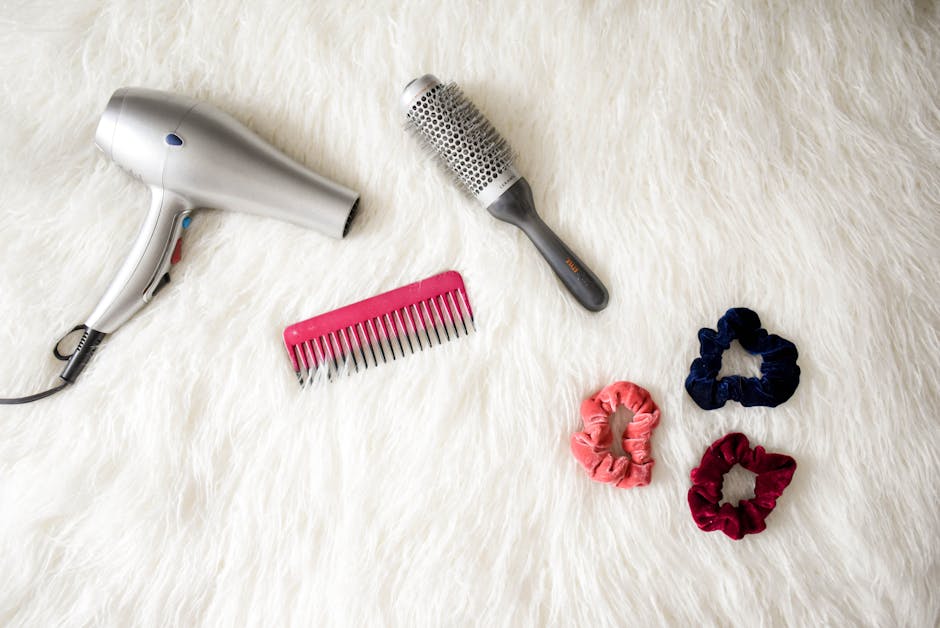
Essential Products to Pack
- Travel-size shampoo
- Compact brush
- Multi-use styling tool
Compact Styling Tools
Choose devices that combine drying and styling functions to save space.
Explore portable setups in the Lifestyle collection and Body Care and Health Devices collection.
Common Hair Care Routine Mistakes (Audit Checklist)

Top 10 Mistakes
- Overwashing
- Skipping conditioner
- Using high heat
- Ignoring scalp care
- Not using heat protectant
How to Fix Your Routine Instantly
- Switch to gentle tools
- Use protective styling
- Focus on scalp health
For more tips, visit our Hair, Skin & Nail Blog.
FAQ
What is the correct hair care routine for healthy hair?
A complete routine includes cleansing, conditioning, treating, protecting, styling, finishing, and maintaining.
How often should you follow a daily hair care routine?
Daily maintenance is essential, while washing depends on hair type (2–4 times weekly).
How do you blow dry hair properly without causing damage?
Use medium heat, apply protectant, and avoid over-drying.
What is the best way to prevent heat damaged hair?
Use heat protectant, lower temperatures, and minimize passes.
How do you reduce frizz with a hot air brush?
Work in sections, maintain tension, and finish with cool air.
Conclusion
A great hair care routine isn’t about using more—it’s about using smarter systems. By combining scalp care, structured routines, and efficient styling techniques, you can achieve healthier, stronger, and frizz-free hair consistently.
Build your routine gradually, stay consistent, and explore tools that support—not damage—your hair. Discover more in the Hair Care and Styling Devices collection to upgrade your daily system.
Related Articles:
- Scalp Care Routine: The Complete System for a Healthy Scalp & Stronger Hair
- Best Travel Hair Styling Tools: The Ultimate Portable Styling System for 2026
- Hair Styling Guides: Tools, Techniques & Beginner Routines
- How to Use the Hair Straightener: Step-by-Step Guide for Smooth, Damage-Free Styling
- How to Blow Dry Hair Properly: The Complete At-Home Salon System
- Best Heat Protectant for Hair: Top Picks + Complete Anti-Damage Routine (2026 Guide)
- 12 Best Hair Styling Tools for Curly Hair + Complete Care & Routine Guide (2026)
- Daily Hair Care: Build Your Perfect Routine for Healthy, Strong Hair
- Hair Styling Tools List: The Complete At-Home System for Salon Results (2026)
- Top Rated Hair Styling Tools + Complete At-Home Salon Guide (2026)













