

Best Heating Pads for Joint Pain Relief in 2026: Expert Heat Therapy Guide
Joint pain, stiffness, and reduced mobility are no longer issues limited to aging populations. Today, long desk hours, repetitive movement, sports recovery, and chronic inflammation affect millions of people across all age groups. Whether it’s knee stiffness after exercise, shoulder tension from poor posture, or lower back pain from sitting too long, heat therapy has become one of the most trusted at-home solutions for managing discomfort and restoring daily function.
This comprehensive guide explores how heating pads and modern heat therapy devices work, when they should be used, and how to choose the right solution for specific joint conditions. You’ll also find science-backed insights, safety guidance, and practical comparisons designed to help you make informed decisions for long-term pain relief and mobility support.
Why Heat Therapy Works for Joint Pain and Stiffness

Heat therapy has been used for centuries to relieve pain and improve mobility. Modern research continues to support its effectiveness for joint stiffness, muscle tension, and chronic discomfort. The primary reason heat works so well is its direct impact on circulation and tissue elasticity.
How Heat Increases Blood Flow and Reduces Joint Stiffness
When heat is applied to the body, blood vessels expand in a process called vasodilation. This increased circulation delivers more oxygen and nutrients to affected areas while helping remove metabolic waste that contributes to inflammation and soreness. For stiff joints—especially knees, shoulders, and lower back—this improved blood flow can significantly reduce tightness and improve range of motion.
The Difference Between Muscle Pain and Joint Pain Relief
Muscle pain often results from overuse or strain, while joint pain is typically linked to inflammation, arthritis, or structural stress. Heat therapy helps both, but in different ways. Muscles relax under warmth, while joints benefit from improved lubrication and reduced stiffness in surrounding tissues. Understanding this distinction helps users apply heat more effectively for targeted relief.
Why Chronic Inflammation Responds Differently to Heat
Chronic inflammation behaves differently from acute injury. While cold therapy is often used for immediate swelling, long-term stiffness and chronic joint conditions tend to respond better to consistent heat application. Heat helps reduce stiffness rather than directly addressing inflammation, making it ideal for arthritis and long-term discomfort management.
When Moist Heat Therapy Works Better Than Dry Heat
Moist heat penetrates deeper into tissues compared to dry heat. This makes it especially effective for dense joint areas like knees and lower back. Many users report faster relief from stiffness when using moist heat packs compared to traditional electric pads.
Heat Therapy vs Cold Therapy for Joint Pain
Choosing between heat and cold therapy depends on the type and timing of the pain. Both have distinct roles in pain management, and using them correctly can significantly improve recovery outcomes.
When to Use Heat Therapy for Arthritis Pain and Stiffness
Heat therapy is most effective for chronic conditions such as arthritis, long-term stiffness, and muscle tightness. It helps improve flexibility, reduce morning stiffness, and support joint mobility before physical activity.
When Cold Therapy Is Better for Swelling and Acute Injury
Cold therapy is typically used immediately after injuries such as sprains or strains. It helps reduce swelling and numb sharp pain. However, once swelling decreases, transitioning to heat therapy can accelerate recovery.
Can You Alternate Heat and Cold Therapy Safely?
Yes, alternating between heat and cold—known as contrast therapy—can be beneficial for certain conditions. This method helps stimulate circulation while controlling inflammation, especially in sports recovery routines.
Quick Comparison Table: Heat vs Cold for Joint Pain
| Therapy Type | Best For | Main Benefit |
| Heat Therapy | Chronic pain, stiffness, arthritis | Improves flexibility and circulation |
| Cold Therapy | Acute injury, swelling | Reduces inflammation and numbs pain |
Types of Heating Pads and Heat Therapy Devices Explained

Modern heat therapy has evolved far beyond traditional electric pads. Today’s devices are designed for portability, targeted relief, and multi-zone application. Understanding the different types helps users select the right solution based on lifestyle and pain location.
Electric Heating Pads
Electric heating pads remain one of the most common solutions for home use. They provide consistent heat and are ideal for larger areas such as the lower back or thighs.
Portable Heating Pads for Work, Travel, and Daily Mobility
Portable devices are designed for people who need relief throughout the day. These are especially useful for office workers or individuals managing chronic pain while staying active.
Infrared Heat Therapy Devices
Infrared devices penetrate deeper into tissues, making them suitable for chronic stiffness and deeper joint discomfort.
Knee Heating Massagers and Wraparound Joint Devices
These devices combine heat with gentle compression or vibration to enhance circulation and reduce stiffness in targeted joints.
One advanced example is the Knee Heating Massager with Vibration for Joint Pain Relief.

This type of device is especially useful for individuals dealing with arthritis, post-workout soreness, or chronic knee stiffness. The combination of heat and vibration helps relax surrounding muscles while improving joint mobility.
Weighted and Extra-Large Heating Pads
Weighted pads provide deeper contact with the body, improving heat penetration and coverage for large muscle groups.
Microwaveable Heat Packs vs Plug-In Heating Pads
Microwaveable packs are portable and simple, while plug-in heating pads offer consistent temperature control and longer usage sessions.
Best Heating Pads for Different Types of Joint Pain

Different joints require different types of support. Selecting the right device based on pain location can dramatically improve results and recovery time.
Best Heating Pads for Knee Pain and Arthritis
Knee pain often requires targeted compression and consistent warmth. Devices designed for wraparound support help stabilize the joint while improving circulation.
Best Heat Therapy Devices for Lower Back and Hip Stiffness
Lower back pain benefits from larger surface coverage and sustained heat. These devices help relax deep muscle tension and improve posture comfort.
Best Heating Pads for Neck and Shoulder Tension
Neck and shoulder tension is often linked to desk posture and stress. Targeted heat devices help loosen tight muscles and improve flexibility.
For example, the KentDO™ Heated Shoulder Massager for Deep Pain Relief is designed specifically for this purpose.

This type of device combines heat and vibration therapy to improve circulation and reduce stiffness in the upper body, making it highly effective for office workers and individuals with chronic neck tension.
Best Portable Heating Pads for Office Workers
Portable solutions are ideal for maintaining comfort during long working hours, especially for individuals with sedentary lifestyles.
Best Options for Seniors With Chronic Joint Pain
Seniors often benefit from easy-to-use devices with safety shutoff features and gentle heat settings to ensure comfort and prevent overuse.
Best Heating Pads for Athletes and Recovery Support
Athletes use heat therapy to reduce soreness and speed up recovery after intense training sessions.
How to Choose the Right Heating Pad for Your Needs

Choosing the right heating pad depends on pain type, mobility needs, and lifestyle. A structured approach helps ensure long-term effectiveness.
Choosing Based on Pain Severity and Frequency
Chronic pain requires consistent and durable solutions, while occasional discomfort may only need basic heating pads.
Temperature Settings and Safety Shutoff Features
Multiple temperature settings allow users to customize heat intensity based on sensitivity and condition severity.
Corded vs Rechargeable Portable Heating Pads
Rechargeable devices offer mobility, while corded options provide continuous heat for longer sessions.
Fabric Comfort, Washability, and Skin Sensitivity
Soft, breathable materials are essential for users with sensitive skin or long therapy sessions.
Size and Coverage Area Considerations
Choosing the correct size ensures proper heat distribution across the affected area.
Explore more recovery solutions in our Warmth & Heat Therapy collection and discover supportive tools in the Body Care and Health Devices collection.
How Long Should You Use a Heating Pad Safely?

Safe usage is essential for maximizing benefits while avoiding skin irritation or overexposure. Most experts recommend short, controlled sessions rather than continuous use.
Recommended Heat Therapy Timelines for Joint Stiffness
Typical sessions last between 15 and 30 minutes depending on the severity of stiffness.
Signs You Are Using Too Much Heat
Redness, discomfort, or excessive warmth are indicators that the device should be removed immediately.
Can You Sleep With a Heating Pad On?
It is generally not recommended due to the risk of prolonged exposure and potential burns.
Safe Heat Levels for Older Adults and Sensitive Skin
Lower temperature settings are preferred for sensitive users to ensure safe and comfortable therapy sessions.
Common Mistakes That Reduce Heat Therapy Effectiveness

Even the best heating pads will not deliver optimal results if used incorrectly. Avoiding common mistakes can significantly improve outcomes.
Using Heat on Swollen or Newly Injured Joints
Heat should not be used immediately after injury when swelling is present.
Applying Heat for Too Long
Overuse can reduce effectiveness and increase skin sensitivity.
Ignoring Posture and Ergonomics During Treatment
Proper posture enhances the effectiveness of heat therapy by reducing unnecessary strain.
Choosing the Wrong Heating Pad Size or Shape
Mismatched devices may not provide adequate coverage for the affected area.
Building a Long-Term Chronic Pain Management Routine
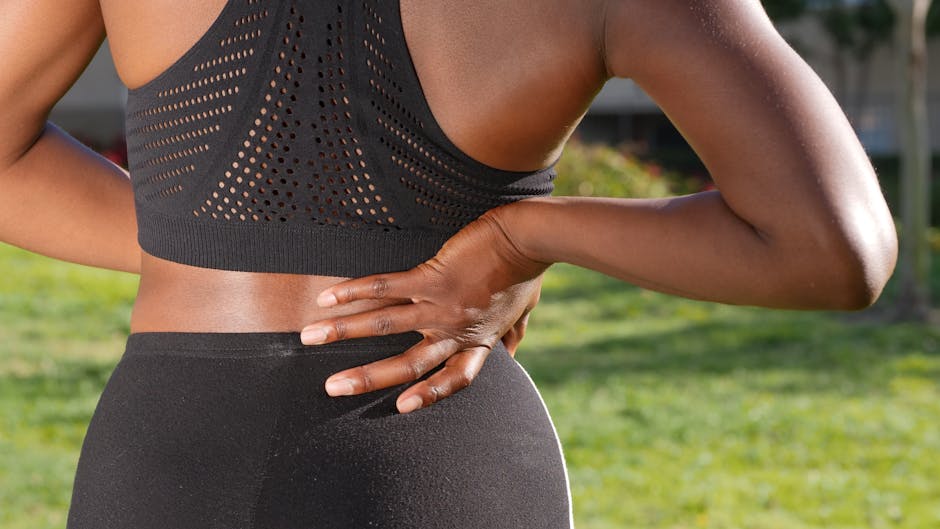
Heat therapy is most effective when integrated into a broader lifestyle routine that includes movement, ergonomics, and recovery practices.
Combining Heat Therapy With Stretching and Mobility Work
Light stretching after heat application can improve flexibility and reduce stiffness.
Office Ergonomics and Daily Joint Protection
Proper desk setup reduces strain on the neck, shoulders, and lower back.
Recovery Routines for Active Adults
Post-workout heat therapy helps reduce delayed onset muscle soreness and improves recovery time.
Travel-Friendly Heat Therapy Solutions
Portable devices make it easier to maintain pain relief routines while traveling or commuting.
Learn more recovery strategies in our Wellness & Relaxation collection and explore supportive lifestyle tools in the Foot & Body Comfort collection.
Expert Buying Checklist: What to Look for Before You Buy

Before selecting a heating pad, it’s important to evaluate features that directly impact comfort, safety, and long-term usability.
Best Features for Arthritis and Chronic Joint Pain
Look for adjustable heat levels, ergonomic design, and consistent temperature control.
Features Worth Paying More For
Advanced features such as vibration therapy, cordless design, and automatic shutoff significantly improve usability.
Who Should Choose Portable Heating Pads
Portable devices are ideal for office workers, travelers, and individuals managing pain throughout the day.
Explore additional options in the Lifestyle collection and discover recovery-focused tools in the Gifts & Accessories collection.
What Experts Say About Heat Therapy for Joint Pain

“Consistent, controlled heat therapy is one of the most effective non-invasive methods for managing chronic joint stiffness. It works best when combined with movement and posture correction rather than used in isolation.”
This perspective reflects a growing consensus in physical therapy: heat is not a cure, but a powerful tool for improving daily function and mobility when used correctly and consistently.
Frequently Asked Questions (FAQ)
What are the best heating pads for joint pain and arthritis?
Heating pads that offer consistent temperature control, ergonomic design, and targeted joint coverage are most effective for arthritis and chronic stiffness.
Is heat therapy or cold therapy better for joint pain relief?
Heat therapy is better for chronic stiffness and arthritis, while cold therapy is ideal for acute injuries and swelling.
How long should you use a heating pad for knee pain or joint stiffness?
Most sessions last between 15 and 30 minutes, depending on comfort and condition severity.
Are portable heating pads effective for chronic pain relief at home or work?
Yes, portable devices are highly effective for maintaining consistent relief throughout the day.
What safety precautions should you follow when using heat therapy devices?
Avoid prolonged use, monitor skin temperature, and never sleep with a heating pad on.
Can heating pads help reduce arthritis stiffness in the morning?
Yes, morning stiffness often improves significantly after short heat therapy sessions.
Are moist heating pads better than dry heat for chronic pain?
Moist heat penetrates deeper into tissues and is often more effective for stiffness and joint discomfort.
Can you use a heating pad every day for chronic joint pain?
Yes, daily use is safe when sessions are kept within recommended time limits.
What temperature should a heating pad be for safe pain relief?
Moderate temperatures between 40°C and 60°C are generally considered safe for most users.
Do portable rechargeable heating pads work as well as electric models?
Yes, modern rechargeable devices provide comparable relief with added mobility benefits.
Conclusion
Effective joint pain management depends on choosing the right heat therapy approach for your specific condition, lifestyle, and mobility needs. Whether dealing with chronic arthritis, post-workout soreness, or daily stiffness from desk work, heat therapy can significantly improve comfort and flexibility when used correctly.
By combining proper device selection, safe usage practices, and supportive routines such as stretching and ergonomic adjustments, users can build a sustainable approach to long-term pain relief and improved quality of life.
Explore more supportive solutions in the Warmth & Heat Therapy collection to find tools that match your recovery needs and lifestyle.
Pillar Article: Heat Therapy for Pain Relief: Neck, Back & Joint Recovery Guide













