

Heat Therapy for Pain Relief: Neck, Back & Joint Recovery Guide
Heat therapy for pain relief is one of the oldest and most widely used methods for managing everyday discomfort, muscle tightness, and joint stiffness. From office workers dealing with neck strain to athletes recovering from intense workouts, controlled heat application continues to be a trusted, non-invasive way to support mobility and comfort.
In daily life, pain often shows up in predictable patterns. Long hours at a desk lead to shoulder tension and upper back stiffness. Repetitive movement or heavy lifting contributes to lower back discomfort. Even simple exposure to cold weather can intensify joint stiffness in the knees, elbows, and hands. Heat therapy works by improving circulation, relaxing muscle fibers, and reducing the sensation of pain through gentle thermal stimulation.
This guide explores how heat therapy works, when to use it, when to avoid it, and how to apply it safely across different body areas. You’ll also learn how to choose the right heat therapy devices for home, office, travel, and recovery routines. Throughout the guide, we’ll connect practical strategies with real-world pain scenarios so you can apply them immediately in daily life.
For structured wellness routines, many users also explore related categories like Warmth & Heat Therapy collection, Foot & Body Comfort collection, and Wellness & Relaxation collection to build a complete recovery system at home.
What Is Heat Therapy for Pain Relief and How Does It Work?

Heat therapy, also called thermotherapy, refers to the use of controlled heat applied to the body to relieve pain, reduce stiffness, and improve blood flow. It is commonly used for muscle strains, chronic pain conditions, joint stiffness, and post-exercise recovery. The application can be local (targeted to one area) or full-body depending on the device and method used.
Definition of Heat Therapy and Thermotherapy
Thermotherapy is a clinical term used to describe treatments that use heat to increase tissue temperature. This can be achieved using electric heating pads, warm compresses, heated wraps, infrared devices, or wearable heating systems. The goal is to gently raise tissue temperature to promote relaxation and reduce discomfort.
How Heat Increases Blood Flow and Muscle Relaxation
When heat is applied to the skin, blood vessels expand in a process called vasodilation. This increases oxygen delivery and nutrient flow to muscles and soft tissues. As circulation improves, muscle fibers relax, stiffness decreases, and pain sensitivity is reduced. This is especially beneficial for chronic tension in the neck, shoulders, and lower back.
Why Heat Helps Reduce Stiffness, Spasms, and Chronic Pain
Heat therapy helps interrupt pain signals sent to the brain while reducing muscle spasms. It is particularly effective for chronic conditions where muscles remain tight over long periods. Unlike acute injuries that require cold therapy, chronic pain benefits from sustained warmth that keeps tissues flexible and less reactive.
The Science Behind Heat Therapy for Muscle Recovery and Joint Pain
After physical activity, microscopic muscle damage occurs, leading to delayed onset muscle soreness (DOMS). Heat therapy accelerates recovery by increasing metabolic activity in affected tissues, helping clear metabolic waste more efficiently. For joints affected by stiffness or arthritis, warmth helps lubricate surrounding tissues and improve range of motion.
Heat Therapy vs Cold Therapy: When Should You Use Each?

Understanding the difference between heat and cold therapy is essential for safe and effective pain management. While both methods reduce pain, they work in very different ways and are suited for different conditions.
When Heat Therapy Works Best
Heat therapy is most effective for chronic pain, muscle stiffness, tension-related discomfort, and long-term joint issues. It is also ideal before stretching or physical activity because it prepares muscles by increasing elasticity.
When Cold Therapy Is Better for Pain and Swelling
Cold therapy is typically used for acute injuries such as sprains, inflammation, or swelling that occurs within the first 24–48 hours of trauma. Cold helps reduce blood flow temporarily, limiting inflammation and numbing sharp pain.
Can You Alternate Hot and Cold Therapy?
In some recovery routines, alternating heat and cold (contrast therapy) can be beneficial. This method stimulates circulation and may help reduce stiffness while supporting recovery after injury phases have passed. However, it should be used carefully and not during acute inflammation.
Quick Comparison Table: Heat vs Ice for Common Conditions
| Condition | Heat Therapy | Cold Therapy |
| Muscle stiffness | Recommended | Not ideal |
| Acute injury (first 48 hours) | Avoid | Recommended |
| Chronic back pain | Highly effective | Limited benefit |
| Joint stiffness (arthritis) | Recommended | Sometimes useful |
Best Conditions That Respond to Heat Therapy

Heat therapy is not a one-size-fits-all solution, but it is highly effective for several common conditions that affect daily comfort and mobility.
Heat Therapy for Lower Back Pain
Lower back pain is often caused by prolonged sitting, weak core muscles, or repetitive strain. Heat therapy helps relax deep lumbar muscles and reduce stiffness that builds up during long periods of inactivity. Many users combine heat with gentle stretching and ergonomic corrections for best results.
Explore supportive routines in the Body Care and Health Devices collection and Lifestyle collection for posture-friendly solutions.
Heat Therapy for Neck and Shoulder Tension
Neck and shoulder tension is commonly linked to poor posture, screen time, and stress. Heat helps release tight upper trapezius muscles and improves blood flow to the cervical region. This leads to reduced tension headaches and improved mobility.
Heat Therapy for Knee Pain and Arthritis Stiffness
Knee stiffness, especially in older adults, responds well to consistent heat application. Warmth helps reduce joint rigidity and improves flexibility, making movement easier in daily activities such as walking or climbing stairs.
Heat Therapy for Muscle Recovery and DOMS
After workouts, heat therapy supports muscle recovery by increasing circulation and reducing soreness. It is often used in combination with hydration, rest, and light mobility exercises to speed up recovery cycles.
Can Heat Therapy Help Chronic Pain Conditions?
Chronic pain conditions, including long-term back or neck pain, often respond positively to regular heat therapy sessions. While it does not treat underlying causes, it helps manage symptoms and improve daily function when used consistently.
Types of Heat Therapy Devices Explained

Heat therapy devices vary widely in design, portability, and intensity. Choosing the right type depends on your pain location, lifestyle, and recovery goals.
Electric Heating Pads
Electric heating pads provide steady, controlled heat and are commonly used at home. They are ideal for back pain, abdominal discomfort, and general muscle stiffness.
Microwave Heat Packs and Wraps
These reusable packs are heated in a microwave and provide moist heat, which penetrates deeper into muscles. They are flexible and easy to use for targeted relief.
Infrared and Deep Heat Therapy Devices
Infrared devices deliver deeper heat penetration and are often used in clinical or advanced recovery settings. They are effective for chronic conditions requiring consistent therapy.
Portable USB Heating Pads and Wearable Heat Therapy
Wearable devices offer flexibility for people who need mobility during treatment. They are especially useful for office workers and travelers who experience recurring tension.
Heating Blankets, Wraps, and Compression Heat Products
These provide full-area coverage and are often used for relaxation and sleep support, particularly during colder seasons.
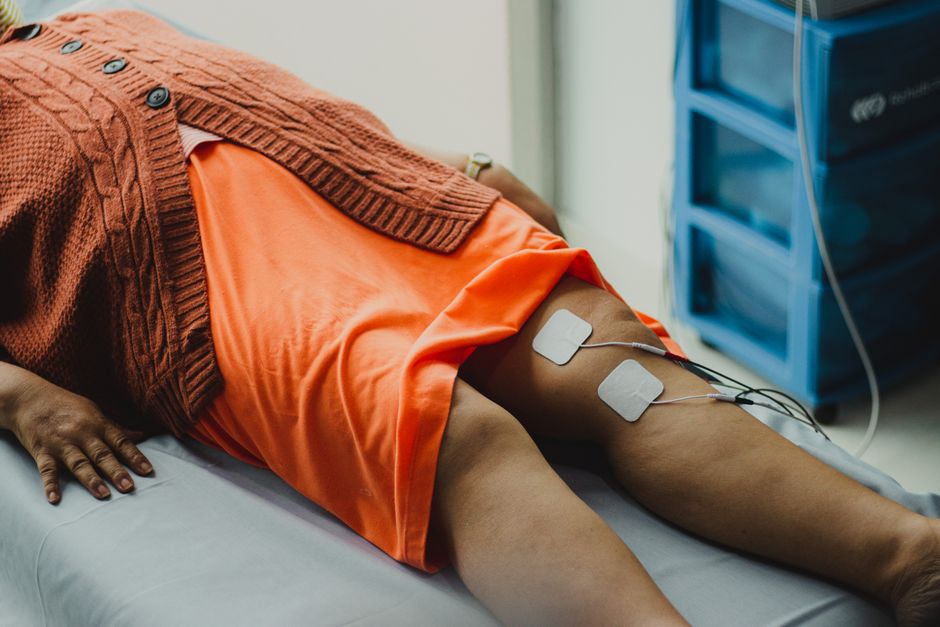
Comparison Table: Best Heat Therapy Devices by Pain Type
| Pain Area | Best Device Type | Usage Scenario |
| Lower back | Electric heating pad | Home relaxation |
| Neck & shoulders | Wearable heat wrap | Office or travel |
| Knees & joints | Heating massager | Daily mobility support |
| Full-body soreness | Heating blanket | Sleep recovery |
Heat Therapy Recovery Routines for Real-World Pain Scenarios
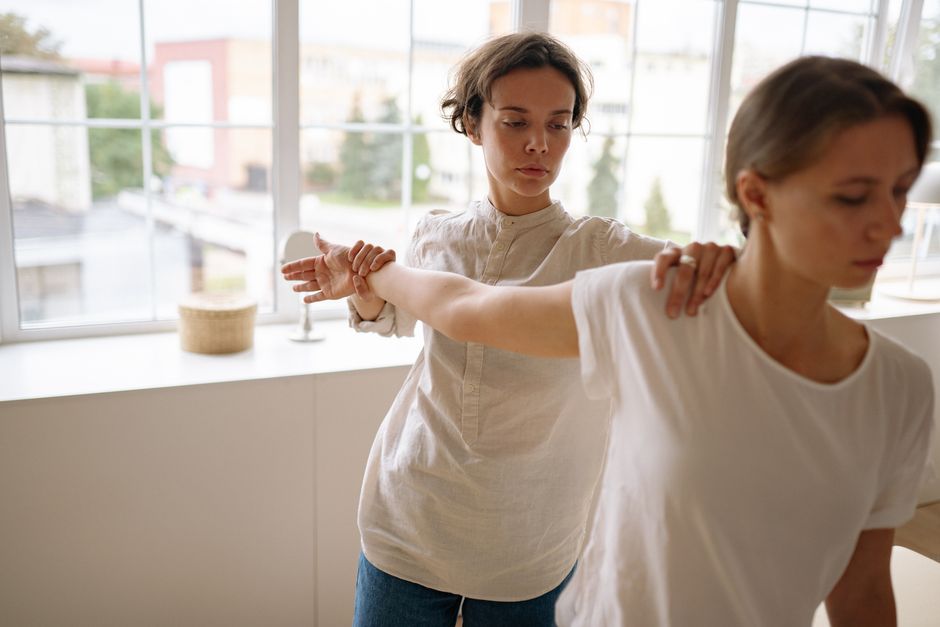
Effective heat therapy is not just about devices—it’s about routine. Applying heat at the right time and in the right context significantly improves results.
Desk Worker Neck and Shoulder Recovery Routine
For office workers, stiffness builds gradually throughout the day. A practical routine includes short heat sessions during breaks, combined with posture resets and light stretching. This helps prevent long-term strain accumulation.
Support your workspace recovery routine with tools from the Wellness & Relaxation collection and Eye Care Devices collection.
Post-Workout Muscle Recovery Routine
After exercise, heat therapy helps reduce soreness and improve flexibility. It is best used after a cooling-down period, not immediately during acute inflammation phases.
Travel and Commuting Back Pain Relief Routine
Long periods of sitting during travel often cause lumbar stiffness. Portable heat solutions can help maintain comfort and reduce post-travel recovery time.
Evening Heat Therapy Routine for Chronic Pain Management
Evening sessions help relax muscles before sleep, improving overall recovery quality and reducing morning stiffness.
Morning Mobility Routine for Arthritis Stiffness
Applying heat in the morning helps loosen joints and prepare the body for movement, especially for individuals with chronic stiffness conditions.
Featured Heat Therapy Devices for Real-World Relief

1. Knee Heating Massager for Joint Relief

Knee Heating Massager with Vibration for Joint Pain Relief combines targeted warmth and vibration to support stiff or overworked joints. It is especially useful for knee discomfort caused by aging, long standing hours, or physical strain.
- Helps improve circulation in knee joints
- Supports mobility and flexibility
- Provides adjustable heat levels for comfort control
This type of device is commonly used in joint recovery routines and pairs well with therapies found in the Foot & Body Comfort collection.
2. Heated Shoulder Massager for Deep Muscle Relaxation

KentDO™ Heated Shoulder Massager is designed for upper body tension caused by posture strain, stress, or repetitive movement. Heat and vibration work together to loosen tight muscles and restore comfort.
- Supports shoulder and upper back relaxation
- Ideal for desk workers and remote professionals
- Portable and easy to use during breaks
For additional ergonomic support tools, explore the Body Care and Health Devices collection.
3. Neck Cervical Traction Collar for Posture Support

Neck Cervical Traction Collar with Heat for Pain Relief combines gentle traction with heat therapy to support cervical alignment and reduce neck pressure caused by prolonged screen time or poor posture.
- Improves neck alignment and posture
- Reduces stiffness from long working hours
- Provides adjustable traction and heat settings
This device is often used alongside items from the Lifestyle collection for posture correction and daily wellness routines.
How to Choose the Right Heating Pad or Heat Therapy Device

Choosing the right heat therapy device depends on where your pain occurs, how often it appears, and your lifestyle needs. A structured approach helps ensure better long-term results.
Choosing Heat Therapy by Pain Location
Neck and shoulder pain benefit most from wearable devices, while lower back pain is better treated with flat heating pads. Knee and joint issues respond well to wrap-style or compression devices.
Portable vs Plug-In Heating Devices
Portable devices are ideal for travel, office use, and mobility. Plug-in devices offer consistent heat for longer home sessions.
Dry Heat vs Moist Heat Therapy
Dry heat provides steady warmth, while moist heat penetrates deeper into muscle tissue. Both can be effective depending on user preference and condition type.
Features That Matter: Auto Shutoff, Heat Levels, Washability
Safety features such as automatic shutoff, adjustable temperature control, and washable materials improve both usability and long-term comfort.
What to Look for in Travel-Friendly Heat Therapy Products
For travel, lightweight design, rechargeable batteries, and flexible wrapping are key factors that improve usability on the go.
Can Heat Therapy Replace Physical Therapy or Medical Treatment?

Heat therapy is an effective supportive method, but it is not a replacement for medical treatment or structured physical therapy. It works best as part of a broader recovery plan.
When Heat Therapy Helps as Part of Recovery
It is highly effective for symptom management, muscle relaxation, and improving comfort during recovery periods.
Situations That Require Professional Medical Evaluation
Severe or persistent pain, sudden injuries, or symptoms involving numbness or weakness should always be evaluated by a healthcare professional.
Combining Heat Therapy With Stretching and Physical Therapy
Heat therapy works best when combined with gentle stretching, mobility exercises, and posture correction routines.
Expert Tips to Maximize Heat Therapy Results

Best Timing for Heat Therapy Sessions
Heat is most effective before stretching or at the end of the day when muscles are naturally stiff.
Should You Stretch Before or After Heat Therapy?
Stretching after heat therapy is generally more effective because warmed muscles are more flexible and less resistant.
How Hydration and Sleep Affect Recovery
Hydration supports tissue repair, while quality sleep enhances overall recovery and reduces pain sensitivity.
Signs Your Heat Therapy Routine Needs Adjustment
If pain persists or worsens, it may indicate incorrect usage, overuse, or an underlying condition requiring professional care.
Frequently Asked Questions
How does heat therapy for pain relief actually work on muscles and joints?
It increases blood flow, relaxes muscles, and reduces stiffness by gently raising tissue temperature.
When should I use heat therapy vs cold therapy for injuries or chronic pain?
Use heat for chronic pain and stiffness, and cold for acute injuries and swelling within the first 48 hours.
What are the safest ways to do heat therapy at home without burns or irritation?
Use controlled temperature settings, limit sessions to 15–30 minutes, and avoid direct skin contact with high heat.
Which conditions respond best to heat therapy for pain relief?
Lower back pain, neck tension, arthritis stiffness, and muscle soreness respond particularly well to heat therapy.
What are the best heating pads or portable heat therapy devices for daily use?
Wearable and adjustable heating devices are best for consistent daily use across different pain areas.
How long should you leave a heating pad on sore muscles?
Typically 15–30 minutes per session is recommended, depending on sensitivity and device type.
Is moist heat or dry heat better for muscle pain and stiffness?
Moist heat penetrates deeper, while dry heat is more convenient and commonly used for everyday relief.
Can you sleep with a heating pad on overnight?
It is generally not recommended due to burn risk and overheating concerns.
Does heat therapy help arthritis and chronic joint pain?
Yes, it helps reduce stiffness and improve joint mobility, especially in the morning or cold environments.
Can heat therapy reduce delayed onset muscle soreness (DOMS)?
Yes, it helps improve circulation and speeds up recovery after exercise-induced muscle strain.
Conclusion
Heat therapy remains one of the most accessible and effective methods for managing everyday pain, stiffness, and muscle tension. When used correctly, it supports circulation, reduces discomfort, and improves mobility across multiple body areas including the neck, back, knees, and shoulders.
Building a consistent routine with the right device and timing can significantly improve long-term comfort and recovery outcomes. Whether used for office strain, athletic recovery, or chronic pain management, heat therapy offers a practical and low-risk solution for daily wellness support.
Related Articles:
- Portable Heat Therapy Device Guide: Best Options for Pain Relief at Home, Work & Travel
- How to Relieve Neck Shoulder Tension: Daily Recovery Guide for Office Workers
- How to Relieve Neck & Shoulder Pain: Complete Recovery System for Desk & Daily Strain
- How to Relieve Muscle Soreness: Fast Recovery Methods That Actually Work
- Lower Back Exercises for Pain Relief: Home Recovery & Stretch Guide
- Best Heating Pads for Joint Pain Relief: Safe Heat Therapy Guide 2026
- Heat Therapy Benefits Explained: Pain Relief, Recovery & Safe Home Use
- Home Pain Management Guide: Heat Therapy, Recovery & Chronic Pain Relief













