
Daily Skincare Routines: The Ultimate Hydration Blueprint for Every Skin Type
Healthy skin is not just about applying more products. Many people still experience tightness, flaking, dullness, dehydration, or excess oil even after following daily skincare routines. The missing factor is often hydration balance and skin barrier protection. Environmental stressors such as cold weather, hiking, camping, airplane travel, dry indoor heating, UV exposure, and harsh cleansers can quietly weaken the skin barrier over time. A hydration-focused routine helps restore moisture retention, improve skin resilience, and reduce transepidermal water loss while keeping skin comfortable in changing climates.
Whether you spend long days outdoors, travel frequently, deal with seasonal dryness, or simply want healthier-looking skin, building a structured hydration routine can make a dramatic difference. Many readers also explore supportive tools inside the Skin and Beauty Care Devices collection to complement hydration-focused skincare habits at home and during travel.
Why Hydration Is the Foundation of Healthy Skin

Hydration affects nearly every visible aspect of the skin. When skin lacks water, it can appear dull, rough, irritated, or uneven. Proper hydration improves elasticity, supports barrier repair, and helps skincare ingredients function more effectively.
The Difference Between Dry Skin and Dehydrated Skin
Dry skin is a skin type characterized by reduced oil production. Dehydrated skin is a temporary condition caused by insufficient water content within the skin. Someone with oily skin can still experience dehydration due to weather exposure, over-cleansing, or excessive exfoliation.
Common signs of dehydrated skin include:
- Tightness after cleansing
- Flaky patches despite oiliness
- Dull complexion
- Increased sensitivity
- Fine dehydration lines
- Makeup appearing patchy
Dry skin typically benefits from richer moisturizers and barrier repair ingredients, while dehydrated skin often improves with humectants such as glycerin and hyaluronic acid.
How the Skin Barrier Protects Against Moisture Loss
The skin barrier is the outer protective layer responsible for locking in moisture while defending against pollutants, irritants, bacteria, and environmental stress. Ceramides, cholesterol, and fatty acids work together like bricks and mortar to maintain barrier integrity.
When the barrier becomes compromised, water escapes more easily through transepidermal water loss. This often leads to redness, irritation, rough texture, and sensitivity to products that previously felt comfortable.
Many hydration-focused routines also pair well with wellness support systems found in the Wellness & Relaxation collection, especially during colder months when indoor heating increases moisture loss.
What Causes Daily Moisture Loss in Real Life
Daily moisture loss can happen gradually through environmental exposure and routine habits. Common causes include:
- Cold winter air
- High UV exposure
- Camping and hiking wind exposure
- Dry airplane cabins
- Long hot showers
- Over-cleansing
- Alcohol-heavy skincare
- Excessive exfoliation
- Indoor heating systems
- Low humidity climates
Outdoor enthusiasts frequently notice increased dehydration after long hikes or camping trips because prolonged wind, sun exposure, and inconsistent cleansing routines disrupt the barrier more aggressively.
The Essential Daily Skincare Routine Order for Hydrated Skin

The order of skincare products matters because each layer serves a specific purpose. Hydration routines work best when lightweight water-binding ingredients are applied before richer barrier-sealing moisturizers.
Step 1: Use a Gentle Cleanser Without Stripping the Skin
The best hydrating cleanser for dry skin removes dirt, sunscreen, and sweat without damaging the protective barrier. Harsh surfactants can leave skin tight and vulnerable, especially after outdoor activities or winter exposure.
Look for cleansers containing:
- Glycerin
- Ceramides
- Colloidal oatmeal
- Squalane
- Amino acid surfactants
Avoid formulas with high alcohol content or strong fragrance if your skin feels irritated easily.
People building hydration-first cleansing systems often browse the Skincare & Hydration collection for tools and accessories that support gentle cleansing and moisture retention routines.
Step 2: Apply Humectants While Skin Is Damp
Humectants attract water into the skin. Applying hydrating serums or essences while the skin is slightly damp helps maximize absorption.
Popular humectants include:
- Hyaluronic acid
- Glycerin
- Panthenol
- Aloe vera
- Beta-glucan
In dry climates, humectants work best when followed immediately with a moisturizer to prevent evaporation.
Step 3: Lock In Moisture With Barrier-Supporting Moisturizers
Moisturizers help reduce water loss while reinforcing the skin barrier. Lightweight gel creams may work better for humid climates or oily dehydrated skin, while richer creams suit winter weather and severely dry skin.
Barrier-supportive moisturizers commonly include:
- Ceramides
- Fatty acids
- Shea butter
- Dimethicone
- Squalane
- Cholesterol
People dealing with cold-weather dryness sometimes combine moisturizing routines with supportive recovery products from the Warmth & Heat Therapy collection during harsh winter conditions.
Step 4: Protect Skin Daily With Broad-Spectrum Sunscreen
UV exposure weakens collagen, increases inflammation, and contributes to dehydration. Even during camping trips or cloudy days, sunscreen helps preserve moisture balance and prevent barrier damage.
Daily sunscreen becomes especially important for hikers and outdoor workers who spend prolonged hours exposed to wind and sun.
The Correct Layering Order for Maximum Hydration
The ideal hydration-focused layering order usually follows this sequence:
- Gentle cleanser
- Hydrating toner or essence
- Humectant serum
- Moisturizer
- Sunscreen in the morning
- Overnight mask at night if needed
Applying products from thinnest to thickest texture helps prevent pilling and improves absorption.
Morning vs Night Skincare Routines: What Changes and Why

Morning and evening routines serve different purposes. Daytime skincare focuses on protection, while nighttime routines prioritize repair and recovery.
The Ideal Morning Moisturizing Routine
A morning routine should hydrate while defending against UV exposure, pollution, and environmental stress.
Morning routine example:
- Gentle cleanser
- Hydrating serum
- Lightweight moisturizer
- Broad-spectrum sunscreen
Lightweight formulas generally work better during humid weather or outdoor activity because they reduce heaviness and minimize clogged pores.
The Best Night Routine for Overnight Skin Recovery
Nighttime is when the skin naturally enters repair mode. This is the ideal time to focus on barrier recovery and deep hydration.
Night routines can include richer creams, sleeping masks, and soothing ingredients such as panthenol and ceramides.
Some people use hydration-supportive tools from the Body Care and Health Devices collection to support relaxation and nighttime recovery rituals.
When to Add Overnight Hydration Masks
Overnight hydration masks can help after:
- Winter camping
- Long flights
- Sun exposure
- Retinoid irritation
- Excessive dryness
- Outdoor sports
Most people benefit from using overnight masks one to three times weekly depending on skin condition and climate.
How to Build a Hydration Routine for Your Skin Type

Different skin types require different hydration strategies. A personalized routine improves comfort while preventing over-moisturizing or irritation.
Best Routine for Dry Skin
Dry skin typically benefits from:
- Cream cleansers
- Humectant serums
- Ceramide moisturizers
- Occlusive nighttime creams
- Reduced exfoliation frequency
People with dry skin should avoid foaming cleansers that leave the skin squeaky clean.
Best Routine for Oily Yet Dehydrated Skin
Oily dehydrated skin often produces more oil to compensate for water loss. Lightweight hydration is usually more effective than heavy creams.
Helpful options include:
- Gel moisturizers
- Niacinamide serums
- Hydrating toners
- Non-comedogenic sunscreens
Best Routine for Combination Skin
Combination skin benefits from flexible layering. Lighter products may work on oily areas while richer moisturizers target dry patches.
Zone-based application helps maintain balance without overwhelming the entire face.
Best Routine for Sensitive or Barrier-Damaged Skin
Sensitive skin routines should remain simple and fragrance-free. Barrier repair becomes the priority.
Focus on:
- Minimal ingredients
- Ceramides
- Panthenol
- Colloidal oatmeal
- Gentle cleansing
- Reduced active ingredients
Readers exploring supportive recovery options often browse the Lifestyle collection for wellness-oriented self-care additions that pair naturally with barrier recovery habits.
Hydration Routine Decision Tree by Skin Symptoms
| Skin Symptom | Likely Issue | Suggested Solution |
| Tightness after cleansing | Barrier disruption | Switch to gentler cleanser |
| Flaking with oiliness | Dehydration | Add humectant serum |
| Burning from products | Barrier damage | Simplify routine |
| Heavy greasy feeling | Over-moisturizing | Use lighter textures |
| Dull rough texture | Moisture deficiency | Increase hydration layers |
Climate-Adaptive Skincare: Adjusting Your Routine for Weather and Outdoor Exposure

Climate significantly affects hydration needs. Adapting routines based on temperature, humidity, and outdoor exposure improves long-term skin health.
Winter Skincare Routine for Extreme Dryness
Cold weather weakens the barrier through low humidity and indoor heating. Winter hydration routines usually require richer moisturizers and fewer exfoliating products.
Helpful winter adjustments include:
- Shorter showers
- Humidifier use
- Cream cleansers
- Barrier creams
- Overnight masks
Hydrating Skincare for Humid Climates
Humid weather still requires hydration, but heavy occlusive products may feel uncomfortable. Lightweight gel creams and water-based serums typically work better.
Hydration should focus on water balance rather than excessive oil-heavy layering.
How Hiking and Camping Affect Your Skin Barrier
Camping and hiking expose the skin to wind, sun, sweat, dirt, inconsistent cleansing, and dehydration. These conditions accelerate moisture loss and irritation.
Outdoor hydration strategies include:
- Travel-friendly cleansers
- Barrier creams
- Hydrating facial mists
- SPF reapplication
- Overnight recovery masks
- Electrolyte support
Educational guides inside the Body & Face Blog often help readers adapt skincare routines to changing outdoor conditions and seasonal climates.
Travel-Friendly Skincare Systems for Flights and Road Trips
Airplane cabins contain extremely low humidity, which rapidly dehydrates the skin. Travel routines should focus on minimal but effective hydration support.
Carry-on skincare essentials may include:
- Gentle cleanser
- Hydrating serum
- Barrier cream
- SPF
- Lip balm
- Reusable hydration mask
Reusable Hydration Masks and Portable Hydration Tools
Reusable silicone masks help seal hydrating serums into the skin while reducing evaporation. Portable hydration devices can also support moisture absorption during at-home skincare sessions.
People interested in advanced hydration support sometimes explore devices inside the Skin and Beauty Care Devices collection for supplemental routines.
How to Repair a Damaged Skin Barrier Fast

Barrier damage often develops gradually through over-cleansing, excessive exfoliation, harsh weather exposure, or irritation from active ingredients. Repair requires consistency and simplification.
Signs Your Skin Barrier Is Compromised
Common signs include:
- Burning or stinging
- Persistent dryness
- Redness
- Flaking
- Inflammation
- Heightened sensitivity
- Rough texture
Ingredients That Help Restore Barrier Function
Barrier repair ingredients typically include:
- Ceramides
- Glycerin
- Squalane
- Panthenol
- Cholesterol
- Fatty acids
- Colloidal oatmeal
These ingredients help reinforce moisture retention while reducing irritation.
What to Stop Using During Barrier Recovery
Barrier recovery usually improves faster when irritating products are temporarily removed.
Pause or reduce:
- Strong acids
- Harsh scrubs
- High-strength retinoids
- Alcohol-heavy toners
- Over-cleansing
- Excess fragrance
A Simple 7-Day Skin Barrier Recovery Routine
| Day | Focus | Routine Goal |
| 1-2 | Reduce irritation | Use only gentle cleanser and moisturizer |
| 3-4 | Increase hydration | Add humectant serum |
| 5-6 | Seal moisture | Introduce barrier cream |
| 7 | Maintain recovery | Continue minimal routine |
People managing cold-weather dryness or recovery fatigue sometimes combine hydration-focused skincare with comfort products from the Foot & Body Comfort collection during restorative self-care routines.
Common Moisturizing Mistakes That Keep Skin Dehydrated
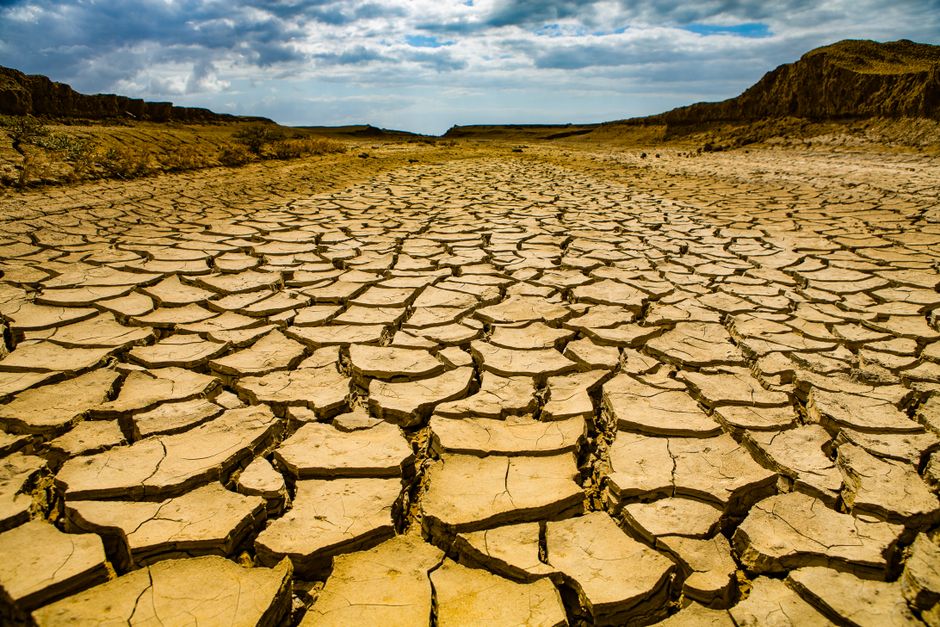
Many hydration issues persist because routines unintentionally damage the barrier or fail to retain water effectively.
Over-Cleansing and Hot Water Damage
Cleansing too frequently or using hot water strips protective oils and weakens the skin barrier. Lukewarm water and gentle cleansers help maintain hydration balance.
Using Heavy Products on Dehydrated Oily Skin
Extremely rich creams can overwhelm oily dehydrated skin and contribute to congestion. Lightweight hydration often works better than thick occlusives in humid conditions.
Skipping Moisturizer in Humid Weather
Humidity does not eliminate the need for moisturizer. Even oily skin benefits from hydration support to maintain barrier health and reduce compensatory oil production.
Applying Products in the Wrong Order
Applying thick creams before water-based serums can reduce absorption. Proper layering helps hydration penetrate effectively while sealing moisture into the skin.
Beginner-Friendly Daily Hydration Routine Templates
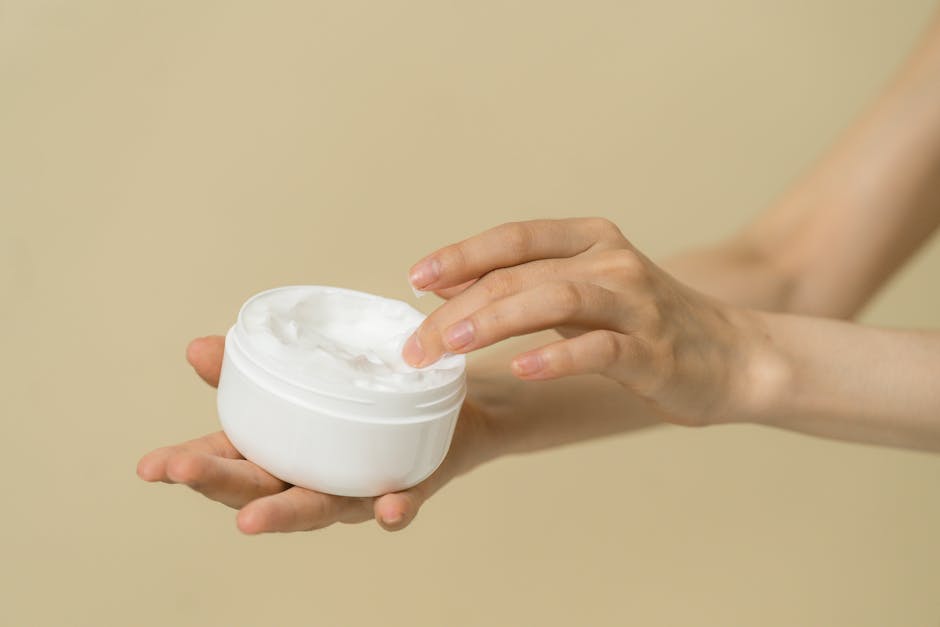
Simple routines are often more sustainable than complicated regimens. Consistency matters more than using excessive products.
Minimal 3-Step Routine for Busy Beginners
- Gentle cleanser
- Hydrating moisturizer
- Sunscreen
This approach works well for beginners or sensitive skin users starting barrier-focused skincare.
5-Step Balanced Hydration Routine
- Gentle cleanser
- Hydrating toner
- Humectant serum
- Barrier moisturizer
- Sunscreen
This routine balances hydration, protection, and moisture retention without becoming overly complicated.
Outdoor Adventure Hydration Routine
Outdoor routines should prioritize portability and barrier support.
- Travel cleanser
- Hydrating mist
- Barrier cream
- SPF stick
- Overnight recovery mask
Some travelers also organize portable wellness essentials through the Gifts & Accessories collection for easier packing during long trips.
Travel Carry-On Skincare Checklist
| Category | Travel Essential |
| Cleansing | Gentle non-stripping cleanser |
| Hydration | Humectant serum |
| Barrier Support | Ceramide moisturizer |
| Protection | Broad-spectrum sunscreen |
| Recovery | Overnight mask |
How to Choose the Right Hydrating Products

Choosing hydration-focused skincare becomes easier when you understand ingredients, textures, and environmental compatibility.
Ingredients to Look For in Hydrating Skincare
Helpful hydration ingredients include:
- Hyaluronic acid
- Glycerin
- Ceramides
- Squalane
- Panthenol
- Aloe vera
- Colloidal oatmeal
These ingredients support water retention and barrier function without aggressively irritating the skin.
How to Read Moisturizer Labels
Look for terms such as:
- Non-comedogenic
- Fragrance-free
- Ceramide-rich
- Barrier-supporting
- Dermatologist-tested
Avoid assuming expensive products are automatically better. Ingredient formulation matters more than luxury branding.
The Best Texture Types for Different Climates
| Climate | Recommended Texture |
| Humid | Gel creams |
| Cold winter | Rich creams |
| Dry desert | Occlusive balms |
| Combination climate | Layered lightweight lotions |
When Expensive Products Are Not Necessary
Many affordable products contain highly effective hydration ingredients. Consistent routines, gentle cleansing, and proper layering usually have a greater impact than luxury pricing.
For readers interested in exploring hydration-supportive skincare technology and wellness accessories, the Beauty & Self-Care Blog provides additional educational resources and seasonal skincare guidance.
Frequently Asked Questions
What is the best daily skincare routine for beginners?
A simple beginner routine usually includes a gentle cleanser, moisturizer, and sunscreen. Additional hydrating serums can be added gradually if needed.
How do you moisturize dry skin daily without clogging pores?
Use non-comedogenic moisturizers containing ceramides and humectants while avoiding excessively heavy products that feel greasy or congestive.
What should a morning and night moisturizing routine include?
Morning routines focus on hydration and UV protection, while nighttime routines prioritize repair, moisture retention, and barrier recovery.
How can you repair a damaged skin barrier fast?
Simplify your routine, avoid harsh exfoliants, use gentle cleansers, and focus on ceramides, glycerin, and barrier-supportive moisturizers consistently.
How should skincare routines change during winter, hiking, or camping trips?
Increase barrier protection, use richer moisturizers, reapply sunscreen regularly, and prioritize hydration masks after prolonged outdoor exposure.
How often should you use an overnight hydration mask?
Most people benefit from using overnight hydration masks one to three times per week depending on climate, skin condition, and dehydration severity.
What ingredients help reduce transepidermal water loss?
Ceramides, fatty acids, cholesterol, squalane, and occlusive moisturizers help strengthen the barrier and reduce water evaporation.
Can oily skin still be dehydrated?
Yes. Oily skin can lack water while still producing excess oil, especially after over-cleansing or environmental stress.
Should you apply moisturizer on wet or dry skin?
Moisturizer generally works best on slightly damp skin because it helps trap water within the skin barrier.
What is the difference between humectants and occlusive moisturizers?
Humectants attract water into the skin, while occlusives create a protective layer that helps prevent water loss.
Conclusion
Hydration is not a quick fix but a long-term strategy for maintaining resilient, comfortable, healthy-looking skin. Consistent routines built around gentle cleansing, humectants, barrier repair, and environmental protection help support moisture balance across changing seasons and lifestyles.
Whether you are navigating winter dryness, outdoor adventures, air travel, or everyday stress, adapting your routine to your environment can significantly improve skin comfort and hydration retention over time. Exploring supportive resources through the Hair, Skin & Nai Blog can also help you continue refining a sustainable skincare routine tailored to your skin’s evolving needs.
Pillar Article: Best Skincare for Hydration: The Ultimate Camping & Hiking Survival Routine













