

Best Skincare for Hydration: Outdoor Survival Routines for Campers & Hikers
Camping, hiking, backpacking, and outdoor travel expose your skin to far more stress than everyday city life. Wind, UV radiation, dry air, sweat evaporation, smoke, altitude, and rapid temperature changes all increase moisture loss and weaken the skin barrier. Even experienced hikers often underestimate how quickly dehydration damages skin during multi-day outdoor exposure.
The result is tightness, flaking, redness, sensitivity, breakouts, and premature barrier fatigue. In desert environments, moisture evaporates rapidly. In cold climates, icy wind strips natural oils. In humid conditions, sweat and sunscreen buildup can lead to congestion while skin still remains dehydrated underneath.
This guide breaks down a complete outdoor hydration survival system designed for campers, hikers, backpackers, and outdoor workers. You’ll learn how to cleanse without over-drying, layer hydration effectively, protect the skin barrier in extreme environments, and adapt routines for different climates and skin types.
For additional wellness and recovery tools that support outdoor skincare routines, many travelers also explore the Skin and Beauty Care Devices collection and the Skincare & Hydration collection for travel-friendly essentials.
Why Outdoor Adventures Destroy Skin Hydration Faster Than Everyday Life

Outdoor environments accelerate skin dehydration because the body constantly adapts to environmental stress. The skin barrier works overtime to maintain moisture balance while protecting against UV rays, pollutants, temperature extremes, and friction from sweat or gear.
How Transepidermal Water Loss Increases Outdoors
Transepidermal water loss (TEWL) refers to the evaporation of water through the skin barrier. During hiking or camping, TEWL rises dramatically due to environmental exposure and repeated cleansing. Dry air, heat, wind, and altitude all weaken the skin’s ability to retain water.
Once TEWL increases, the skin becomes rough, irritated, and less resilient. This is why many campers notice flaking or tightness after long days outdoors, even if they drink plenty of water.
The Impact of Wind, Altitude, UV Rays, Sweat, and Cold Air
Each outdoor condition creates unique hydration challenges:
- Wind strips protective oils from the skin surface.
- High altitude increases UV exposure and accelerates dehydration.
- Sweat evaporation removes water rapidly from the skin.
- Cold air weakens lipid barriers and causes cracking.
- Heat and sun exposure increase inflammation and oxidative stress.
These combined stressors often damage the skin barrier faster than traditional indoor skincare routines can handle.
Signs Your Skin Barrier Is Failing on the Trail
Common warning signs include:
- Tightness after cleansing
- Burning or stinging after moisturizer
- Persistent redness
- Dry patches around the nose and cheeks
- Increased oiliness despite dehydration
- Flaking or rough texture
- Sensitivity to sunscreen or sweat
Ignoring these signs can lead to prolonged irritation and delayed recovery after outdoor trips.
The Outdoor Hydration Survival System: Cleanse, Treat, Seal, Protect
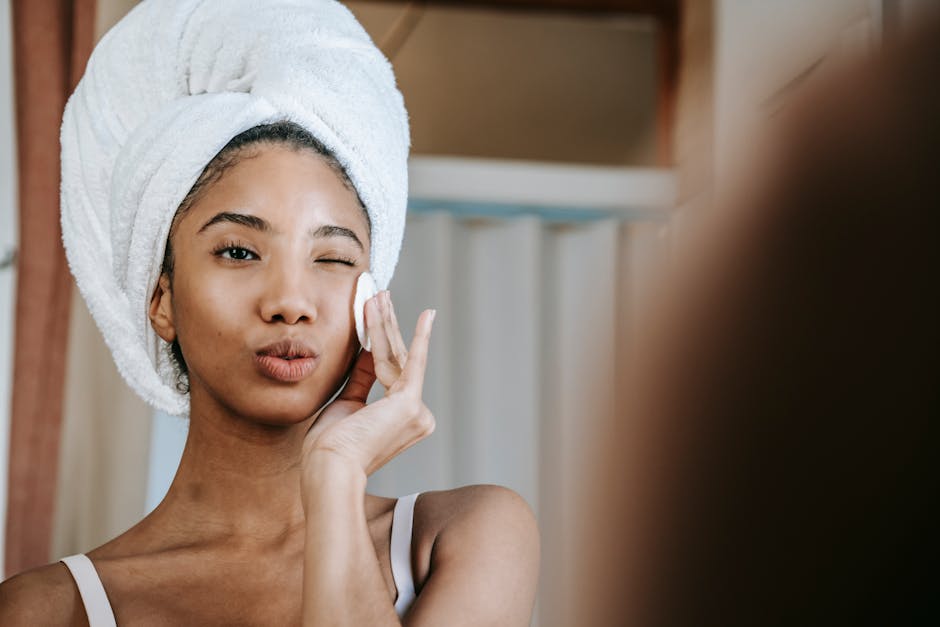
The most effective outdoor skincare systems follow a four-step structure: cleanse gently, treat with hydration layers, seal moisture into the skin barrier, and protect against environmental exposure.
| Step | Primary Goal | Key Ingredients |
| Cleanse | Remove sweat and debris | Gentle surfactants, glycerin |
| Treat | Restore water content | Hyaluronic acid, essence, humectants |
| Seal | Prevent moisture loss | Ceramides, squalane, occlusives |
| Protect | Reduce environmental damage | Sunscreen, antioxidants |
Outdoor travelers building long-term routines often combine hydration practices with wellness tools from the Body Care and Health Devices collection to monitor recovery and environmental stress.
Step 1: Gentle Cleansing Without Stripping the Skin Barrier
Harsh foaming cleansers are one of the biggest causes of dehydration during camping trips. Cleansing should remove sweat, sunscreen, dirt, and pollutants without removing natural lipids.
Look for:
- Low-foam gel cleansers
- Micellar water for low-water environments
- Hydrating cream cleansers
- Fragrance-free formulas
Avoid over-cleansing. Most outdoor travelers only need a full cleanse once at night.
Step 2: Hydration Layering With Hyaluronic Acid and Facial Essence
Outdoor hydration routines work best when lightweight water-binding layers are applied to damp skin. Facial essences and hydrating serums help replenish water lost through sweat and environmental exposure.
Apply hydration products immediately after cleansing while skin is slightly damp. This helps humectants pull moisture into the skin rather than drawing water out.
For hikers tracking hydration changes during outdoor exposure, the KentDO™ Portable Skin Analyzer – Moisture & Oil Tester can help monitor moisture levels during changing climates.

Step 3: Locking Moisture With Ceramides and Occlusive Moisturizer
Hydration products alone are not enough in harsh outdoor conditions. Moisture must be sealed into the skin using barrier-supporting creams and occlusive layers.
Ceramides help rebuild the skin barrier, while occlusives reduce water evaporation. Lightweight gel creams work well in humid climates, while thicker balms are ideal for desert or winter camping.
Step 4: Protecting Against UV, Windburn, and Climate Stress
Sun exposure directly weakens the skin barrier and accelerates dehydration. Broad-spectrum sunscreen is essential for maintaining long-term hydration.
Outdoor sunscreen strategies should include:
- Reapplication every two hours
- SPF 30 or higher
- Water-resistant formulas
- Protective hats and sunglasses
Many hikers also pair skincare routines with protective recovery products from the Warmth & Heat Therapy collection after cold-weather trips.
Best Skincare Ingredients for Hydration During Camping and Hiking
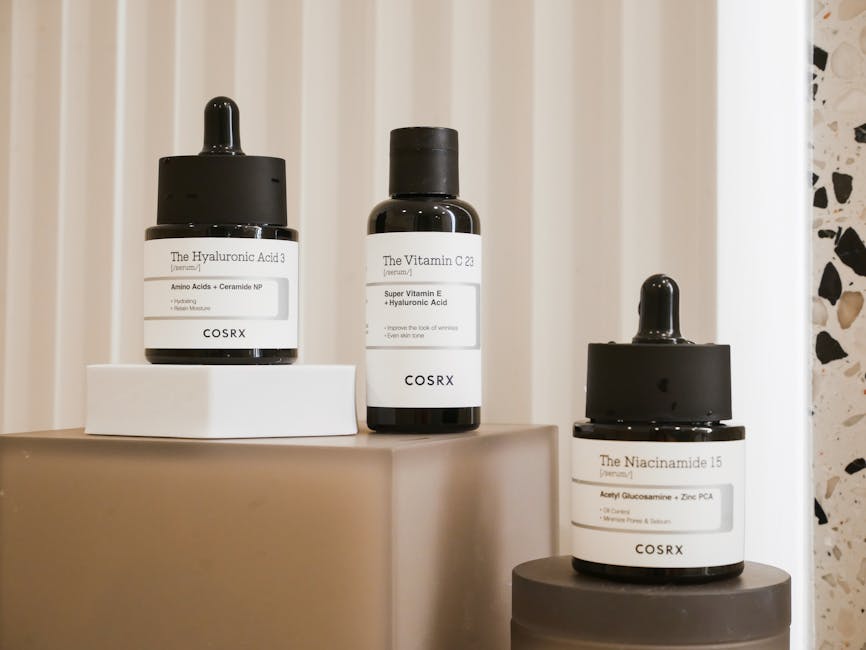
Ingredient selection matters more outdoors because environmental conditions constantly stress the skin barrier.
Ceramides for Barrier Repair and Moisture Retention
Ceramides are lipids naturally found in the skin barrier. They help retain moisture and prevent environmental damage.
Outdoor exposure rapidly reduces ceramide levels, especially in cold or windy conditions. Using ceramide-rich moisturizers can significantly improve hydration recovery during multi-day camping trips.
Hyaluronic Acid for Lightweight Water Binding
Hyaluronic acid binds water to the skin and works especially well in layered hydration routines. However, it must be used correctly outdoors.
In dry climates, applying hyaluronic acid without a sealing moisturizer may worsen dehydration because it can pull water from deeper skin layers.
Always follow humectant products with moisturizer.
Occlusive Moisturizers for Harsh Weather Protection
Occlusives create a protective seal that reduces moisture loss. Petrolatum, lanolin, shea butter, and squalane are especially useful during winter camping or desert exposure.
Heavy occlusives are best applied at night or on high-risk areas like cheeks, lips, and around the nose.
Broad-Spectrum Sunscreen and Hydration Preservation
UV exposure damages collagen, weakens the barrier, and increases inflammation. Hydration-focused skincare routines fail quickly without proper sun protection.
Mineral sunscreens are often preferred during hiking because they are less irritating for sensitive or compromised skin.
Climate-Adaptive Skincare Routines for Outdoor Survival

Outdoor skincare routines should change depending on climate and environmental stressors.
Desert Climate Skincare for Hot and Dry Conditions
Desert air rapidly evaporates moisture from the skin. Lightweight hydration alone is usually insufficient.
Best practices include:
- Apply hydrating serum on damp skin
- Use thicker ceramide cream at night
- Wear SPF continuously
- Reapply facial mist sparingly
- Avoid over-cleansing
Outdoor travelers in extreme dry climates often rely on layered hydration systems supported by items from the Skincare & Hydration collection.
Winter Hydration Routine for Cold Weather Camping
Cold weather damages the lipid barrier and increases flaking. Overnight repair becomes critical during winter camping trips.
Use:
- Cream cleansers
- Barrier creams with ceramides
- Occlusive balms on exposed areas
- Hydrating overnight masks
After long cold-weather trips, many campers use overnight recovery treatments like the KentDO™ Collagen Face Mask – Deep Hydration & Firming to help calm dry, stressed skin.

Humid Climate Hiking Skincare Strategies
Humidity can make skin feel oily while still being dehydrated underneath. Heavy creams may clog pores in tropical or humid hiking conditions.
Instead, focus on:
- Lightweight gel moisturizers
- Water-based serums
- Non-comedogenic sunscreen
- Sweat management
Hydration remains essential even if the skin feels greasy.
High-Altitude and Mountain Hiking Skin Protection
High altitude increases UV intensity while lowering humidity. This combination rapidly weakens the skin barrier.
Mountain hiking skincare should prioritize:
- SPF reapplication
- Barrier creams
- Lip protection
- Hydration layering
- Wind-resistant coverage
Minimalist Skincare Routines for Backpackers and Ultralight Campers
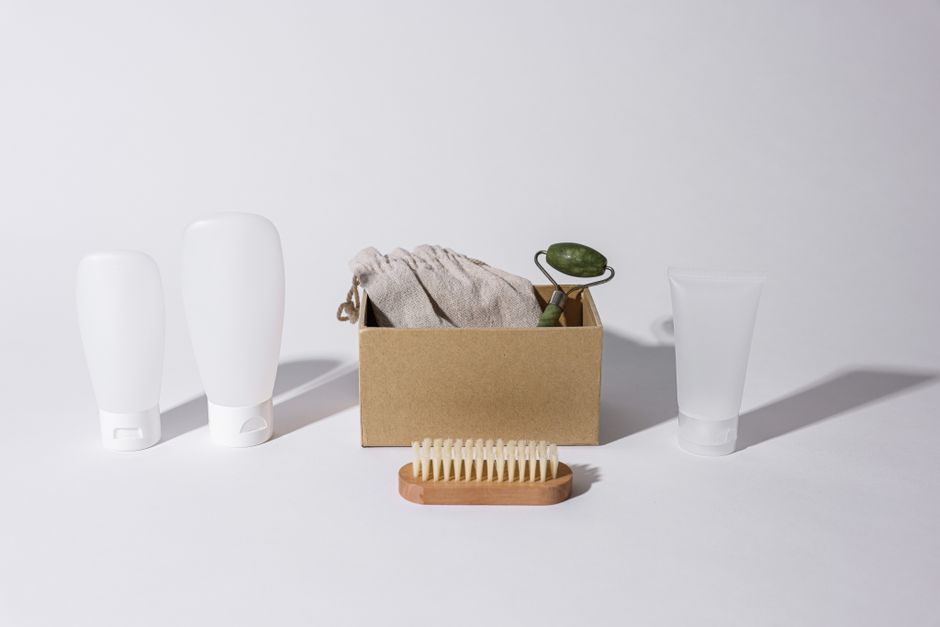
Ultralight travelers need compact systems that maximize hydration without adding unnecessary pack weight.
The 3-Product Hydration Routine for Multi-Day Trips
A minimalist outdoor routine can still protect the skin barrier effectively:
- Gentle cleanser or micellar water
- Hydrating serum or essence
- Ceramide moisturizer with SPF during daytime
This simplified structure works well for backpackers with limited water access.
Waterless Cleansing and Low-Waste Skincare Options
Waterless skincare methods help reduce environmental impact and simplify routines:
- Micellar cleansing pads
- Reusable cotton rounds
- Solid cleansing bars
- Refillable travel containers
Sustainable outdoor travelers often explore additional lightweight wellness tools from the Lifestyle collection for travel convenience.
How to Build a Compact Travel Skincare Kit
A strong travel kit should include:
| Category | Travel Priority |
| Cleanser | High |
| Hydrating serum | High |
| Barrier moisturizer | High |
| Sunscreen | Essential |
| Lip balm | Essential |
| Overnight mask | Optional recovery |
Daily Morning and Night Skincare Routine for Campers

Consistency matters more than complexity outdoors. Simple routines performed consistently help maintain hydration and barrier resilience.
Morning Hydration Routine Before Hiking
- Rinse with lukewarm water or gentle cleanser
- Apply lightweight hydration serum
- Use moisturizer appropriate for climate
- Apply sunscreen generously
- Protect lips and exposed areas
Morning hydration prepares the skin for long exposure hours.
Midday Reapplication and Sweat Management
Midday skincare should focus on maintenance rather than full cleansing.
- Blot excess sweat gently
- Reapply sunscreen
- Use facial mist carefully in dry climates
- Avoid harsh wipes
Travelers who frequently move between climates often browse the Body & Face Blog for seasonal skincare adaptation strategies.
Nighttime Recovery Routine After Outdoor Exposure
Night recovery is when hydration repair happens most effectively.
Ideal nighttime structure:
- Gentle cleanse
- Hydrating essence or serum
- Ceramide cream
- Optional overnight hydration mask
Nighttime repair helps reverse dehydration accumulated throughout the day.
Post-Expedition Skin Recovery Protocols

After intense outdoor exposure, the skin barrier may need several days of focused recovery.
Repairing a Damaged Skin Barrier After Hiking
Barrier recovery should prioritize simplicity.
Use:
- Fragrance-free products
- Barrier creams with ceramides
- Minimal active ingredients
- Consistent hydration layering
Avoid exfoliation during recovery phases.
How to Recover From Windburn and UV Dehydration
Windburn and UV damage increase inflammation and sensitivity.
Recovery techniques include:
- Cold compresses
- Hydrating masks
- Barrier creams
- Reduced sun exposure
- Increased water and electrolyte intake
Many outdoor enthusiasts also incorporate recovery-focused wellness routines using products from the Wellness & Relaxation collection after long expeditions.
When to Pause Active Ingredients During Recovery
Retinoids, exfoliating acids, and strong acne treatments may worsen irritation after prolonged outdoor exposure.
Pause active ingredients temporarily if skin becomes:
- Red
- Burning
- Flaky
- Sensitive
- Overly tight
Focus on hydration and barrier support until the skin normalizes.
Common Outdoor Skincare Mistakes That Cause Severe Dehydration

Over-Cleansing With Harsh Wipes or Soap
Frequent cleansing strips natural oils and weakens barrier function. Many camping soaps are too harsh for facial skin.
Using Hyaluronic Acid Incorrectly in Dry Air
Humectants require proper sealing. Applying hyaluronic acid without moisturizer in desert climates can increase dehydration.
Skipping Moisturizer Because of Sweat or Humidity
Sweaty skin is not necessarily hydrated skin. Humid conditions still require balanced hydration support.
Ignoring Sunscreen Reapplication During Long Treks
UV exposure accelerates water loss and inflammation. Sunscreen is one of the most important hydration-protection tools outdoors.
Recommended Hydration Skincare Kit for Camping and Hiking

The ideal outdoor skincare kit balances portability, barrier protection, hydration efficiency, and environmental adaptability.
Best Cleanser Types for Outdoor Travel
- Micellar water for limited-water environments
- Cream cleansers for winter trips
- Low-foam gel cleansers for humid climates
Best Moisturizer Textures for Different Climates
| Climate | Recommended Texture |
| Desert | Rich cream or balm |
| Winter | Ceramide cream |
| Humid | Gel moisturizer |
| Mountain | Barrier-focused lotion |
Portable Sunscreen Formats for Backpacking
Travel-friendly sunscreen formats include:
- Mineral sunscreen sticks
- Compact tubes
- Powder SPF for reapplication
- Water-resistant sport sunscreen
Emergency Barrier Repair Essentials
Every outdoor skincare kit should include emergency recovery support:
- Barrier cream
- Lip balm
- Hydrating sheet mask
- Ceramide moisturizer
- Fragrance-free ointment
Outdoor travelers building complete recovery kits often browse the Beauty & Self-Care Blog and Hair, Skin & Nai Blog for seasonal skincare insights.
“Outdoor hydration skincare works best when routines are adaptive rather than rigid. Climate, altitude, sweat, UV exposure, and water access all influence how the skin barrier responds during camping and hiking.”
Frequently Asked Questions
What is the best skincare for hydration while camping?
The best camping skincare routines focus on gentle cleansing, layered hydration, ceramide-based moisturizers, and consistent sunscreen protection. Lightweight and travel-friendly products work best for outdoor environments.
How do hikers prevent dry skin during long outdoor trips?
Hikers can reduce dehydration by avoiding harsh cleansers, reapplying sunscreen, using barrier creams, staying hydrated internally, and adapting routines to climate conditions.
What are the best portable skincare essentials for outdoor travel?
Essential items include a gentle cleanser, hydrating serum, ceramide moisturizer, sunscreen, lip balm, and optional overnight hydration mask.
How can you protect your skin barrier during cold weather camping?
Cold-weather camping requires thicker moisturizers, reduced cleansing frequency, overnight hydration treatments, and strong wind and UV protection.
What is the ideal daily moisturizing routine for beginners in dry climates?
Beginners should use a gentle cleanser, apply hydration products on damp skin, seal moisture with a ceramide moisturizer, and use SPF every morning.
Conclusion
Outdoor skincare hydration is not simply a cosmetic routine. For campers, hikers, backpackers, and outdoor workers, it becomes a survival-oriented system that protects the skin barrier against environmental stress.
The most effective routines combine gentle cleansing, strategic hydration layering, barrier repair support, and climate-adaptive protection. Whether hiking in desert heat, winter cold, humid forests, or high-altitude mountains, hydration success depends on consistency and environmental awareness.
For travelers building complete outdoor wellness systems, the Skin and Beauty Care Devices collection and Skincare & Hydration collection offer additional tools that support long-term barrier health and recovery during outdoor adventures.
Related Articles:
- Skin Protection Barrier Guide for Outdoor Hydration, Repair & Daily Recovery
- Winter Skincare Routines: Complete Hydration Guide For Dry Seasonal Skin
- Best Masks for Hydration: Expert Recovery Picks for Dry, Sensitive & Outdoor-Stressed Skin
- Hydrating Serum for Oily Skin: The Missing Step in Your Skincare Routine
- Foods Hydrate Skin: The Ultimate Hydration Diet Guide for Healthy Skin and Outdoor Recovery
- Hydrating Facial Essence Guide for Outdoor Hydration and Barrier Support
- Best Hydrating Cleanser For Dry Skin: Barrier-Safe Cleansing Guide
- Daily Skincare Routines: The Complete Hydration Guide for Every Season
- How To Choose Hydrating Skincare Products For Every Climate And Skin Type
- Home Skin Care Devices for Dry Skin: Ultimate Hydration Guide













