

Best Masks for Hydration: Dermatologist-Informed Guide to Deep Skin Barrier Repair, Outdoor Recovery, and Intensive Moisture Locking
Dry, dehydrated skin is rarely just a surface issue. It is a signal that the skin barrier is under stress—often from cold weather, indoor heating, sun exposure, travel fatigue, or repeated environmental changes like hiking and camping. When the barrier weakens, transepidermal water loss (TEWL) increases, and even the most expensive skincare products stop performing effectively.
Hydration face masks are designed to solve this exact problem by creating an occlusive or semi-occlusive environment that boosts ingredient penetration and reduces moisture evaporation. In modern skincare systems, they are not “optional spa treatments”—they are recovery tools that reset the skin after environmental stress.
This guide breaks down the science behind hydration masks, how to choose them based on skin type and climate, and how to integrate them into a complete routine for both daily skincare and outdoor lifestyles.
Understanding Skin Dehydration and the Role of Hydration Masks

Skin dehydration occurs when water content in the epidermis drops below optimal levels. This is different from dry skin, which is a lack of oil (lipids). Dehydrated skin can be oily, combination, or dry—but still feel tight, rough, or sensitive.
How Environmental Stress Breaks the Skin Barrier
Cold wind, UV exposure, and low humidity directly weaken the lipid matrix that holds skin cells together. Indoor heating further strips moisture by lowering ambient humidity levels. This combination increases TEWL and leads to inflammation, flaking, and sensitivity.
- Cold air reduces sebum production
- Heating systems reduce ambient humidity
- UV exposure breaks down collagen and lipids
- Wind increases immediate surface water loss
For outdoor enthusiasts, especially hikers and campers, this cycle is intensified by repeated exposure to shifting climates, sweat evaporation, and sun exposure at altitude.
Core Hydration Science: Ingredients That Power Effective Face Masks
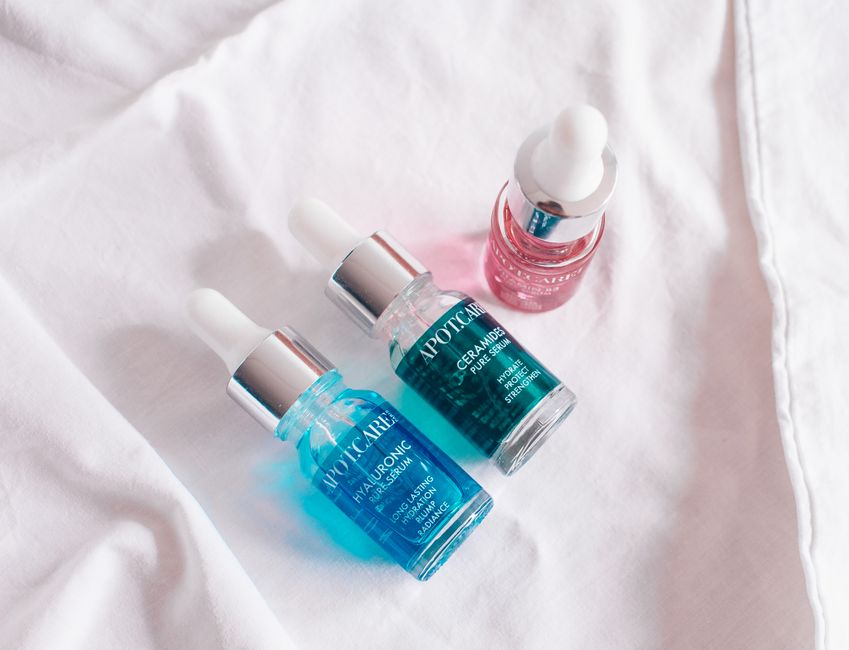
The effectiveness of hydration masks depends on three categories of ingredients: humectants, lipids, and occlusives. Each plays a distinct role in restoring water balance and strengthening the skin barrier.
Hyaluronic Acid: Water Magnet Hydration Layer
Hyaluronic acid binds up to 1,000 times its weight in water. In masks, it acts as a reservoir that draws moisture into the epidermis, temporarily plumping the skin and improving elasticity.
Ceramides: Barrier Reconstruction Molecules
Ceramides are lipids naturally found in the skin barrier. When depleted, the skin becomes prone to sensitivity and dehydration. Replenishing ceramides helps rebuild structural integrity and reduce TEWL.
Glycerin and Humectants: Deep Layer Hydration Delivery
Glycerin pulls water into deeper skin layers while improving long-term hydration retention. It is especially effective in combination with occlusive masks that prevent evaporation.
| Ingredient | Function | Best Use Case |
| Hyaluronic Acid | Water binding | Immediate hydration boost |
| Ceramides | Barrier repair | Dry, damaged skin recovery |
| Glycerin | Humectant hydration | Long-term moisture balance |
Step-by-Step Hydration Mask Routine for Morning Skin Recovery

A morning hydration routine is about protection and preparation. The goal is to prevent moisture loss throughout the day while maintaining a lightweight, breathable skin barrier.
Gentle Cleansing Without Barrier Disruption
Use a non-stripping cleanser that preserves natural oils. Over-cleansing is one of the fastest ways to trigger dehydration cycles, especially in winter or dry climates.
Hydration Sealing with Silicone Mask Technology
After applying hydrating serums or essences, sealing moisture is critical. Occlusive layers prevent evaporation and enhance ingredient absorption.

The reusable silicone facial mask creates a physical barrier that locks in skincare products, increasing penetration efficiency while preventing evaporation. This is especially effective in dry climates or after outdoor exposure.
Its ergonomic 3D structure ensures full facial coverage, making it ideal for multi-tasking skincare routines at home or during travel recovery.
Moisturizer Layering Strategy for Daytime Protection
Moisturizers should be applied in thin, layered formats during the day to prevent heaviness while maintaining hydration balance. Lightweight gel creams work well in humid climates, while richer creams are better for cold or dry environments.
Why Winter Sunscreen Still Matters
UV exposure is present year-round. Snow and reflective surfaces can even increase UV intensity. Daily SPF helps prevent collagen breakdown and supports long-term hydration retention.
Night Hydration Routine: Deep Repair and Overnight Recovery System

Nighttime is when the skin undergoes its most active regeneration cycle. Blood flow increases, cell turnover accelerates, and barrier repair processes are most efficient. This makes it the ideal time for intensive hydration masks.
Double Hydration Layering for Maximum Repair
A two-step hydration system—first humectants, then occlusives—creates optimal conditions for overnight recovery. This helps repair micro-damage caused by environmental exposure.
Overnight Collagen Mask for Intensive Skin Rejuvenation

The collagen face mask delivers deep hydration while supporting elasticity and firmness. Designed for overnight use, it helps replenish moisture levels while enhancing skin smoothness and brightness by morning.
Unlike short-contact masks, this type of treatment supports extended absorption, making it particularly effective for dehydrated or environmentally stressed skin.
Occlusive Layering: Locking in Recovery
Occlusive products seal hydration into the skin and prevent overnight water loss. This step is especially important in dry indoor environments with heating systems running continuously.
Seasonal Skincare Adjustments for Climate Changes
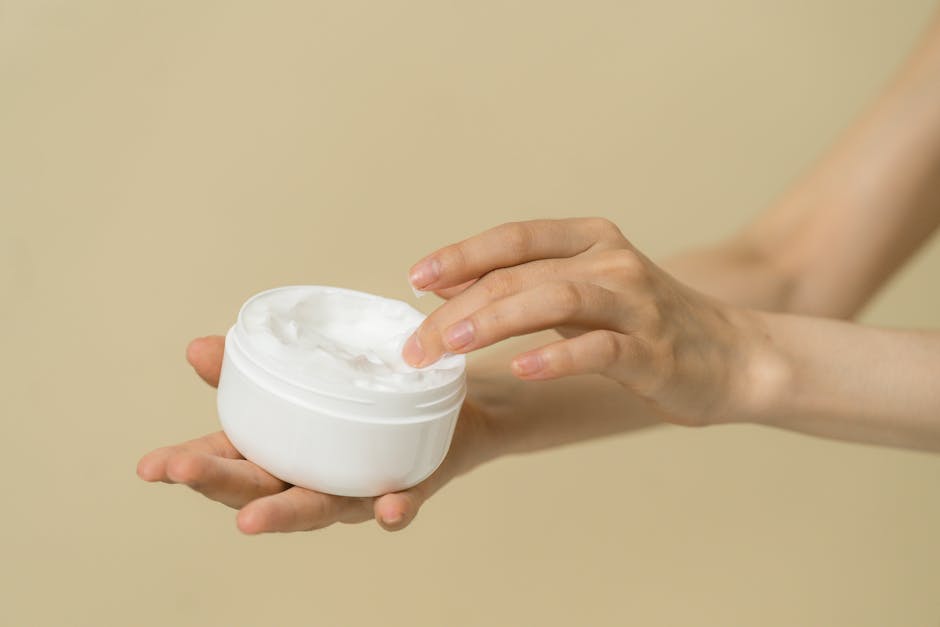
Skin does not behave the same way year-round. Transitioning between seasons requires adjusting hydration intensity, product texture, and mask frequency.
Fall-to-Winter Transition Strategy
As humidity drops, increase hydration layering and introduce richer barrier-supporting products. Hydration masks should be used more frequently to prevent cumulative dryness.
Adjusting Moisturizer Thickness
Thicker creams are more suitable for winter, while lightweight gels work better in humid conditions. Matching product texture to environment improves absorption and reduces congestion.
Outdoor Skincare Protection for Hiking, Camping, and Cold Wind Exposure
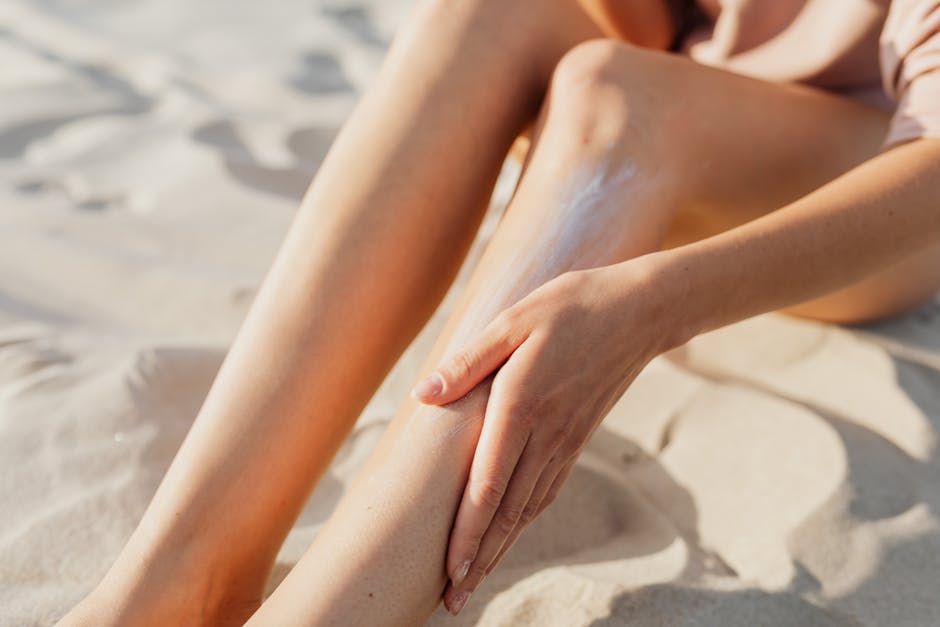
Outdoor environments expose skin to multiple stressors simultaneously—wind, UV radiation, sweat evaporation, and temperature shifts. This accelerates dehydration and barrier disruption.
Pre-Outdoor Barrier Preparation
Before hiking or camping, applying a hydrating serum followed by a protective cream helps create a defensive moisture layer.
Portable Hydration Recovery Strategy
Travel-friendly skincare should focus on lightweight hydration and quick barrier repair. Masks that can be used after exposure are particularly effective for overnight recovery during trips.
Post-Exposure Skin Recovery
After outdoor activity, skin should be gently cleansed, rehydrated with humectants, and sealed with occlusive layers to restore balance and prevent delayed dryness.
Choosing the Best Hydration Mask for Your Skin Type

Different skin types require different hydration strategies. Oily skin often needs lightweight hydration, while dry skin requires deeper occlusive support.
| Skin Type | Best Mask Type | Key Benefit |
| Dry Skin | Collagen overnight masks | Deep moisture restoration |
| Oily Skin | Light gel masks | Hydration without heaviness |
| Sensitive Skin | Silicone sealing masks | Reduced irritation & moisture lock |
Expert Insight on Hydration Recovery
“Hydration masks are not cosmetic extras—they are barrier repair tools. When used correctly, they significantly reduce transepidermal water loss and improve skin resilience against environmental stress.” — Dermatology Skincare Research Perspective
Common Mistakes That Prevent Proper Hydration
- Over-cleansing the skin and stripping natural oils
- Skipping moisturizer in humid climates
- Using strong exfoliants during dehydration phases
- Not sealing hydration with occlusive layers
- Ignoring environmental changes like wind and heating
FAQ: Best Masks for Hydration
How do hydration masks improve skin moisture levels?
They create an occlusive or semi-occlusive environment that reduces evaporation while enhancing ingredient absorption into the skin barrier.
How often should hydration masks be used?
Two to four times per week is ideal for most skin types, increasing frequency during winter or after outdoor exposure.
Can hydration masks help with sensitive skin?
Yes. Masks that focus on barrier repair and gentle occlusion can reduce irritation and support recovery.
Are hydration masks useful after hiking or camping?
They are highly effective for post-exposure recovery because they restore moisture lost through wind, sun, and sweat.
What is the difference between a sheet mask and a silicone hydration mask?
Sheet masks deliver hydration through serum infusion, while silicone masks lock moisture in place, improving absorption efficiency.
Conclusion: Building a Complete Hydration Recovery System
Effective skin hydration is not achieved through a single product—it is the result of layered strategies that combine ingredient science, barrier repair, environmental awareness, and recovery-focused treatments. Hydration masks play a central role in this system by acting as reinforcement tools that restore balance after stress.
When integrated into a structured skincare routine that includes cleansing, serum layering, moisturizing, and environmental protection, hydration masks significantly improve skin resilience, texture, and long-term health.
Pillar Article: Best Skincare for Hydration: The Ultimate Camping & Hiking Survival Routine













