

Best Massager for Lower Back Pain: EMS, Heat & Cupping Explained
Lower back pain has quietly become one of the most common modern lifestyle issues, affecting people who sit for long hours, work at desks, commute daily, or even train regularly without proper recovery. What makes it more frustrating is the overwhelming number of at-home recovery devices available today—EMS stimulators, massage guns, heated therapy tools, cupping systems, and more—each claiming to be the “best solution.”
The truth is that there is no single universal device for everyone. Lower back pain can come from muscle tightness, nerve sensitivity, posture imbalance, or deep fascia restriction. Each condition responds differently to therapy. That’s why understanding how these technologies work is more important than simply buying the most popular massager.
This guide breaks down the science behind each type of lower back massager, compares their real-world benefits, and helps you match the right device to your specific pain pattern and recovery goals. Whether you’re dealing with chronic stiffness, post-workout soreness, or desk-related tension, this article will help you build a smarter, safer home recovery routine.
Why Lower Back Pain Happens in Modern Lifestyles

Lower back pain is rarely caused by a single event. Instead, it builds gradually from repetitive stress, poor posture, and lack of movement. In today’s digital lifestyle, the lumbar spine often stays under constant pressure due to prolonged sitting and reduced core engagement.
When muscles in the lower back remain inactive for long periods, they begin to shorten and stiffen. Over time, this leads to restricted movement, reduced blood flow, and increased pressure on spinal structures. Recovery becomes slower, and even small movements can feel uncomfortable.
Common Triggers: Sitting, Posture, and Muscle Imbalance
Long hours of sitting—especially with forward head posture and rounded shoulders—shift the natural curve of the spine. This causes the lower back muscles to overcompensate to maintain balance. Eventually, this imbalance leads to chronic tightness and fatigue.
Weak core muscles also play a major role. When abdominal muscles fail to support the spine effectively, the lower back absorbs more load than it should during daily activities like lifting, bending, or even standing.
How Muscle Tightness and Fascia Restriction Contribute to Pain
Fascia is the connective tissue surrounding muscles. When it becomes tight or dehydrated due to inactivity or stress, it restricts movement and increases discomfort. This is where tools like massage guns and cupping therapy can help by improving circulation and restoring tissue mobility.
Improving fascia health is not just about pain relief—it is about restoring natural movement quality and reducing long-term strain on the lumbar region.
Best Massager for Lower Back Pain: Device Types Explained

Modern recovery devices use different mechanisms to relieve pain. Some focus on electrical stimulation, others on mechanical pressure or heat therapy. Understanding these differences is key to choosing the right tool for your body.
Electrical Muscle Stimulation (EMS): How It Works for Deep Muscle Activation
EMS devices send gentle electrical pulses to muscles, causing them to contract and relax. This mimics natural movement and helps activate deep muscle fibers that are difficult to reach through manual massage.
EMS is often used for rehabilitation and muscle re-education. It is especially useful for individuals with weak core stability or post-injury muscle inactivity.
Transcutaneous Electrical Nerve Stimulation (TENS): Pain Signal Blocking Explained
TENS focuses more on nerve modulation than muscle contraction. It works by interrupting pain signals sent to the brain, helping reduce the perception of discomfort. This makes it suitable for acute pain episodes or nerve-related sensitivity.
Percussion Massage Gun: Trigger Point Therapy and Deep Tissue Relief
Massage guns use rapid, repetitive pressure to target deep muscle knots and trigger points. This is ideal for athletes or individuals with dense muscle tension in the lower back, glutes, or hips.
When used correctly, percussion therapy can improve blood flow and accelerate post-exercise recovery.
Heated Massage Therapy & Infrared Heat Therapy Benefits
Heat therapy increases circulation and relaxes tight muscles by improving tissue elasticity. Infrared heat penetrates deeper layers, making it effective for chronic stiffness and long-term discomfort.
Cupping Therapy for Fascia Release and Circulation Boost
Cupping therapy uses suction to lift skin and fascia, creating space for blood flow and tissue decompression. This technique has been widely used for muscle recovery and tension relief.
Modern electric cupping devices combine suction, heat, and massage functions, making them more accessible for at-home use.
Which Massager Is Best for Your Lower Back Pain Type?

Choosing the right device depends on the type of pain you experience. Below is a practical breakdown of which technology fits different recovery needs.
| Pain Type | Best Device Type | Why It Works |
| Desk-related stiffness | Heat therapy + EMS | Improves circulation and reactivates inactive muscles |
| Acute nerve sensitivity | TENS | Reduces pain signal transmission |
| Athletic muscle soreness | Percussion massage gun | Breaks down trigger points and lactic acid buildup |
| Chronic fascia restriction | Cupping therapy | Improves deep tissue mobility and circulation |
For many users, combining two methods—such as heat plus cupping or EMS plus stretching—creates more effective long-term relief than relying on a single device.
Best for Muscle Tightness and Desk-Related Pain
If your pain comes from sitting too long, heat therapy and gentle EMS stimulation are often the most effective starting point. They relax stiff muscles while reactivating inactive fibers.
Best for Acute Pain and Nerve Sensitivity
TENS devices are typically preferred when pain is sharp or nerve-related. They provide symptom relief without deep mechanical pressure.
Best for Athletic Recovery and Deep Tissue Work
Percussion massage tools are ideal for gym-goers and active individuals who need fast recovery from intense physical strain.
Best for Chronic Stiffness and Fascia Restrictions
Cupping therapy is often used for long-term stiffness and restricted mobility, especially when other methods provide only temporary relief.
Featured Home Recovery Example: Advanced Cupping Technology
One example of modern fascia-focused recovery is this multi-function device designed for at-home use. It combines suction, heat, and massage to support deep tissue relaxation and circulation improvement.

KentDO™ Electric Cupping Massager – Slim & Detox Therapy
This type of device is commonly used in home wellness routines to support circulation, muscle relaxation, and post-work recovery. It is particularly useful for individuals dealing with stubborn tightness or fascia-related stiffness.
How to Use At-Home Recovery Devices Safely
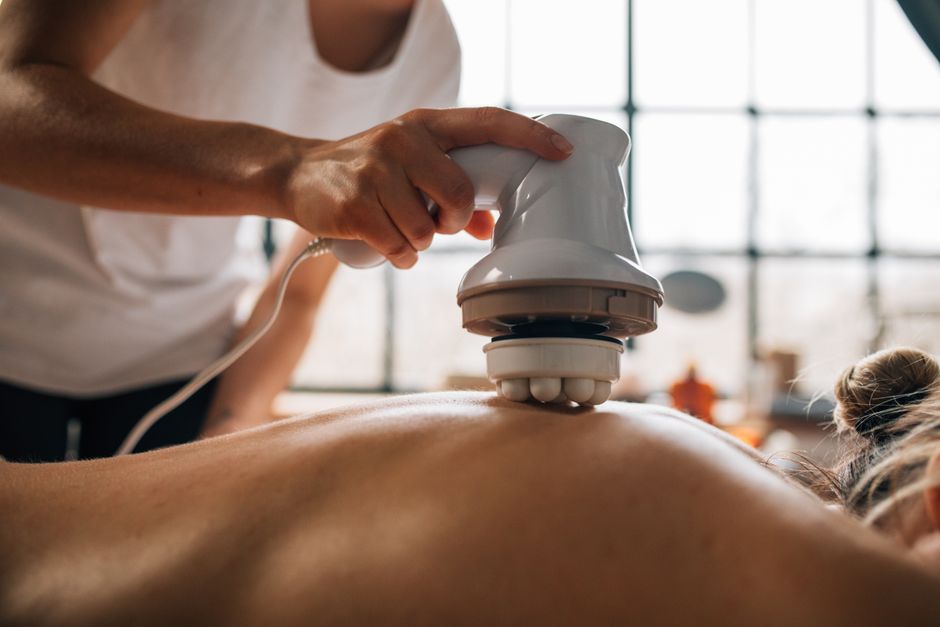
While home recovery tools can be highly effective, improper use may reduce their benefits or cause discomfort. Safety and consistency are more important than intensity.
Safe EMS and TENS Usage Guidelines
Start with low intensity settings and short sessions. Avoid placing electrodes directly on the spine or bony areas. Consistency over time produces better results than aggressive use.
Heat Therapy Duration and Skin Safety Tips
Heat should be used in moderate durations to avoid skin irritation. Always ensure the device does not overheat and allow skin to cool between sessions.
Cupping Therapy Precautions for Beginners
Beginners should start with low suction levels and shorter sessions. Mild redness is normal, but pain or bruising should be avoided.
For gentler daily relaxation, some users prefer simpler heated cupping options such as KentDO™ Smart Electric Cupping Device – Heat & Massage Relief, which combines controlled suction and warmth for more comfortable home use.
Building a Daily Lower Back Recovery Routine at Home

Recovery is most effective when it becomes part of a daily routine rather than a reactive solution. Combining movement, posture correction, and device-based therapy creates long-term resilience.
Morning Activation Routine for Stiff Backs
Start your day with light stretching and gentle activation. Focus on hip mobility and core engagement to reduce spinal load throughout the day.
Evening Recovery Routine for Muscle Relaxation
Evening is the ideal time for heat therapy or massage-based recovery. This helps release accumulated tension and prepares the body for rest.
Integrating Myofascial Release Techniques
Foam rolling and cupping therapy can be used alongside stretching to improve fascia flexibility and reduce long-term stiffness patterns.
Explore more structured recovery tools in the Body Care and Health Devices collection or discover relaxation-focused setups in the Wellness & Relaxation collection.
For users focused on temperature-based relief, the Warmth & Heat Therapy collection offers additional options for soothing tight muscles at home.
How to Choose the Best Massager for Lower Back Pain
Choosing the right massager depends on understanding your pain pattern, lifestyle, and recovery goals. A well-matched device can significantly improve daily comfort and mobility.
Key Features to Look For (Heat, Intensity, Modes, Portability)
Look for adjustable intensity levels, ergonomic design, and multi-mode functionality. Heat support is especially beneficial for chronic stiffness, while portability matters for daily consistency.
Matching Device Type to Your Recovery Goal
If your goal is relaxation, heat-based tools work best. For deep muscle recovery, percussion or cupping systems are more effective. For nerve-related discomfort, TENS remains a strong option.
When selecting tools, prioritize consistency of use over complexity of features. The most advanced device is not always the most effective for your specific condition.
FAQ: Best Massager for Lower Back Pain
What is the best massager for lower back pain for beginners?
Beginners often benefit most from heat therapy devices or gentle cupping systems, as they provide relaxation without requiring advanced technique or intensity control.
Are EMS muscle stimulators safe for daily home use?
Yes, when used correctly at low to moderate intensity. EMS devices are commonly used for muscle activation and recovery support.
How do heated massage tools help relieve lower back pain?
Heat increases blood flow, relaxes tight muscles, and improves tissue flexibility, which helps reduce stiffness and discomfort.
What are the benefits of cupping therapy at home for back pain?
Cupping therapy supports fascia release, improves circulation, and helps reduce long-term muscle tightness when used consistently.
How do I choose between a massage gun, EMS, or TENS device for back pain?
Massage guns are best for deep muscle knots, EMS for muscle activation, and TENS for nerve-related pain relief. Your choice should depend on your pain type and recovery goal.
Expert Insight
“Lower back pain recovery is most effective when therapy is matched to the underlying cause rather than the symptom alone. Muscle tightness, nerve sensitivity, and fascia restriction all require different approaches, and consistency is more important than intensity.”
Conclusion: Building a Smarter Recovery Approach
Lower back pain is not a one-dimensional problem, and it should not be treated with a one-size-fits-all solution. The most effective approach combines the right technology with consistent habits—whether that involves EMS activation, heat relaxation, percussion therapy, or cupping for fascia release.
The key is understanding your body’s signals and choosing tools that support long-term recovery instead of temporary relief. With the right setup at home, lower back discomfort becomes manageable, predictable, and significantly reduced over time.
Pillar Article: How to Build a Home Gym That Supports Fitness, Recovery & Wellness













