

Best Portable Blood Pressure Monitor in 2026: Travel & Home Picks
Portable blood pressure monitoring has become a core part of modern preventive healthcare, especially for travelers, seniors, remote workers, and outdoor enthusiasts who need reliable readings outside clinical environments. In 2026, advances in sensor accuracy, wearable integration, and compact design have made it easier than ever to track cardiovascular health on the go.
However, not all portable monitors are created equal. Accuracy, cuff design, positioning sensitivity, and ease of use vary significantly between wrist-based devices, upper-arm monitors, and wearable health trackers. This guide breaks down how these devices work, how to use them correctly, and what to look for when choosing a portable blood pressure monitor for travel and daily use.
Along the way, we’ll also explore how to build a consistent monitoring routine, avoid common measurement mistakes, and understand the science behind blood pressure readings in a simple, practical way.
What Is a Portable Blood Pressure Monitor? (And Why It Matters in 2026)

A portable blood pressure monitor is a compact medical device designed to measure systolic and diastolic blood pressure outside clinical settings. These devices use oscillometric sensors to detect arterial vibrations and convert them into digital readings.
Unlike traditional mercury sphygmomanometers used in hospitals, modern portable devices are lightweight, battery-powered, and often include memory storage, app syncing, and voice guidance features.
In 2026, their importance has increased due to rising hypertension awareness and a shift toward at-home preventative care. Many users now rely on portable monitors for:
- Daily hypertension tracking
- Travel health monitoring
- Post-exercise recovery tracking
- Elderly care and chronic condition management
These devices bridge the gap between clinical visits, allowing users to maintain continuous awareness of their cardiovascular health in real-world conditions.
How Blood Pressure Measurement Works (Simplified Medical Breakdown)
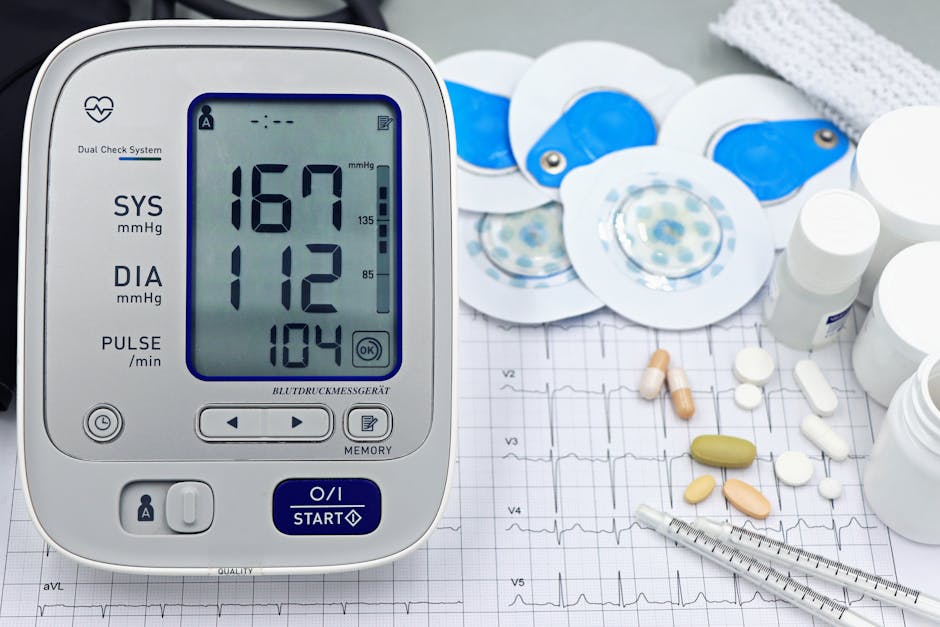
Blood pressure is measured using two values: systolic pressure (heart contraction) and diastolic pressure (heart relaxation). Portable monitors estimate these values by detecting arterial wall vibrations during cuff inflation and deflation.
Systolic vs Diastolic Pressure Explained
Systolic pressure represents the force exerted when the heart pumps blood. Diastolic pressure measures the pressure when the heart rests between beats. Together, they form a complete picture of cardiovascular load.
Why Digital Oscillometric Monitors Dominate Portable Use
Modern portable devices rely on oscillometric technology because it eliminates the need for manual stethoscope interpretation. This makes them ideal for non-clinical users and travel scenarios where simplicity and speed matter.
Types of Portable Blood Pressure Monitors: Upper Arm vs Wrist vs Wearable
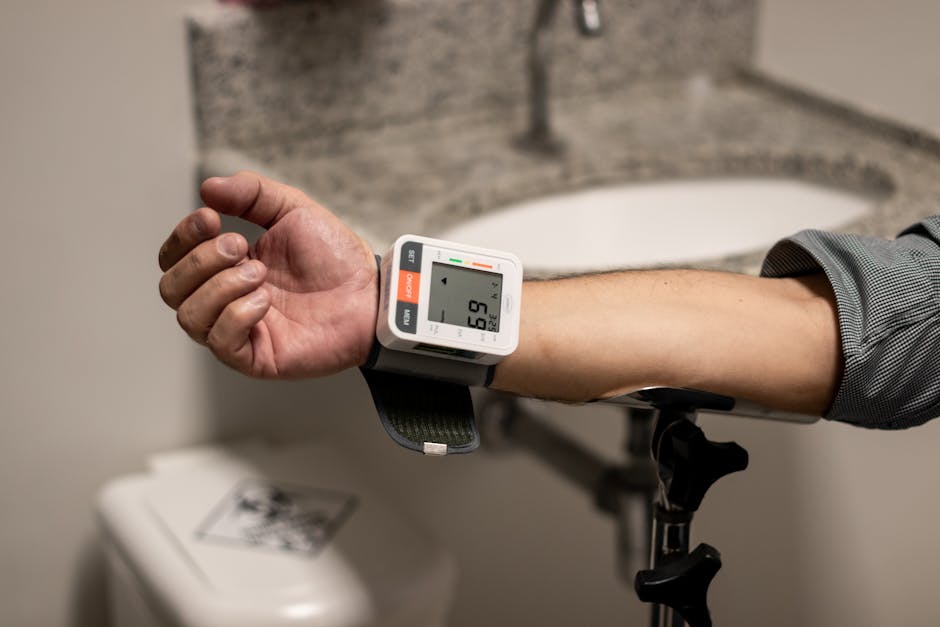
Choosing the right type of monitor is critical for accuracy and usability. Each category offers a different balance between precision and portability.
Upper Arm Monitors
Upper-arm devices are considered the clinical standard due to their consistent positioning over the brachial artery. They are generally more accurate but less convenient for travel.
Wrist Monitors
Wrist monitors are compact and travel-friendly but require strict positioning at heart level for accurate readings. They are widely used by frequent travelers and active individuals.
Wearable Health Trackers
Wearable devices estimate cardiovascular trends rather than delivering clinical-grade BP readings. They are best for general wellness tracking rather than medical monitoring.
Accuracy vs Portability Trade-Off
| Type | Accuracy | Portability | Best Use Case |
| Upper Arm | High | Low | Home clinical tracking |
| Wrist | Medium | High | Travel and daily use |
| Wearable | Low–Medium | Very High | Fitness and wellness tracking |
Best Portable Blood Pressure Monitors in 2026 (Expert Picks & Comparison)

When evaluating portable monitors, experts prioritize accuracy validation, ease of use, portability, and data tracking capabilities. While many premium brands exist in the market, wrist-based devices remain the most practical for travel-focused users.
One example of a modern portable wrist monitor is the KentDO wrist blood pressure device, designed for simple home and travel monitoring with voice-assisted readings and built-in memory storage.

The device is designed for users who need quick, portable measurements without complex setup, making it suitable for seniors, travelers, and home monitoring routines.
Key Considerations When Choosing a Device
- FDA or CE validation status
- Cuff fit accuracy and size flexibility
- Battery life for travel use
- Data storage or app connectivity
- Ease of one-button operation
Expert insight: “Consistency matters more than single readings. A reliable portable monitor is one that users can operate correctly every day, not just one that delivers perfect lab-style accuracy once.” — Preventive Cardiovascular Health Research Analyst
How to Measure Blood Pressure Correctly (Step-by-Step Guide)

Even the most advanced device will produce inaccurate results if used incorrectly. Proper measurement technique is essential for reliable readings.
Step 1: Rest Before Measurement
Sit quietly for at least 5 minutes before taking a reading. Avoid caffeine, smoking, or physical activity.
Step 2: Correct Positioning
Keep your back supported, feet flat on the ground, and arm or wrist at heart level depending on device type.
Step 3: Proper Cuff Placement
The cuff should fit snugly but not tightly. Incorrect placement is one of the most common causes of inaccurate readings.
Step 4: Avoid Movement
Remain still and avoid talking during measurement to prevent sensor interference.
Factors That Affect Blood Pressure Accuracy

Several variables can influence readings and lead to inconsistencies if not properly controlled.
- Incorrect posture or wrist position
- Improper cuff size
- Stress or anxiety levels
- Temperature changes during outdoor use
- Device calibration status
Portable Monitoring for Travel & Outdoor Use

Travel introduces unique challenges for blood pressure monitoring. Changes in altitude, hydration levels, and activity intensity can affect readings.
For outdoor users, portability is as important as accuracy. Devices should be lightweight, compact, and capable of operating on long battery cycles or USB charging.
Many users combine monitoring tools with items from the lifestyle collection to maintain consistency while traveling. Outdoor enthusiasts often also rely on the foot & body comfort collection to support recovery after long hikes or activity.
Senior-Friendly Setup & Ease-of-Use Guide
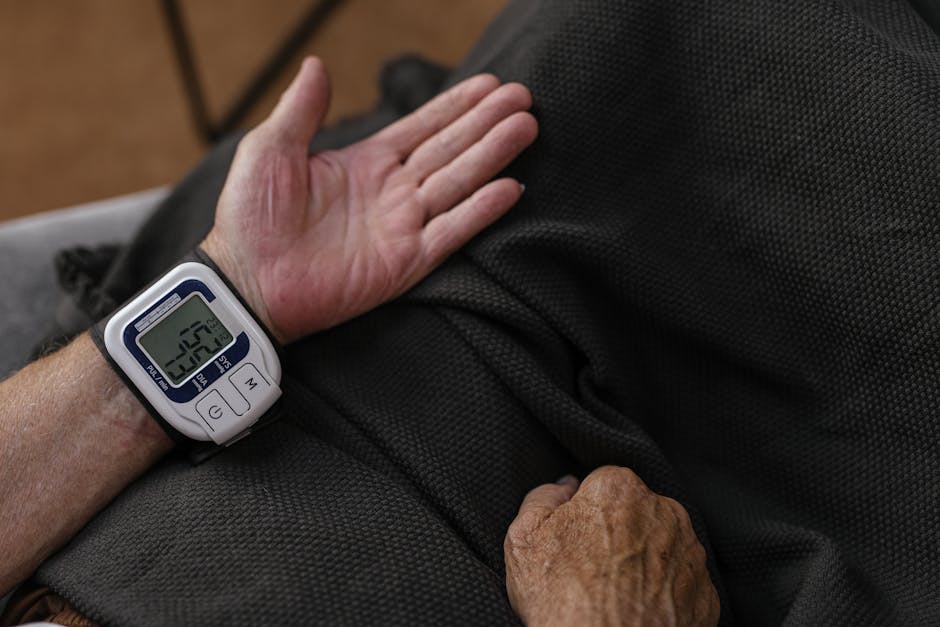
Simplicity is crucial for older adults or users managing chronic conditions. Devices with one-button operation, large displays, and voice feedback significantly improve usability.
Clear audio guidance reduces the need for visual strain and ensures correct interpretation of readings, especially for users with limited technical experience.
For additional wellness support, many users explore the wellness & relaxation collection to complement daily health tracking routines.
How Modern Devices Sync With Health Apps

Modern portable monitors often integrate with mobile ecosystems to track long-term trends and share data with healthcare providers.
Common integrations include Apple Health and cloud-based wellness platforms. These systems allow users to visualize trends, detect anomalies, and maintain structured logs of cardiovascular health over time.
Medical Validation Standards (FDA, Clinical Accuracy & Trust)

Reliable blood pressure monitors must meet strict validation standards to ensure accuracy in real-world use. Regulatory bodies such as the FDA evaluate device performance under clinical conditions before approval.
Clinically validated devices undergo testing for repeatability, sensitivity, and error margin thresholds. These standards ensure consistency across diverse users and environments.
Healthcare organizations such as the American Heart Association recommend using validated upper-arm or clinically tested wrist monitors for routine tracking.
Daily Blood Pressure Tracking Habit Framework

Consistency is more important than occasional readings. A structured routine improves data reliability and helps detect long-term trends.
Recommended routine:
- Morning measurement before breakfast
- Evening measurement before sleep
- Same posture and environment daily
Tracking trends over time is more valuable than focusing on individual readings.
Common Mistakes When Using Portable BP Monitors

Even experienced users make mistakes that reduce measurement accuracy.
- Taking readings immediately after physical activity
- Incorrect cuff placement
- Using devices without calibration checks
- Relying on a single reading instead of averages
Comparison Matrix: Key Monitoring Considerations

| Factor | Importance | Best Practice |
| Accuracy | High | Use validated devices and proper positioning |
| Portability | Medium–High | Choose compact wrist or wearable options for travel |
| Ease of Use | High | Prefer one-button or guided devices |
| Data Tracking | Medium | Use memory storage or app integration |
Frequently Asked Questions (FAQ)
How do I measure blood pressure correctly with a portable monitor?
Sit in a relaxed position, keep your arm or wrist at heart level, and remain still during measurement. Take readings at consistent times daily.
Are wrist blood pressure monitors as accurate as upper-arm devices?
Upper-arm devices are generally more accurate, but wrist monitors can be reliable if positioned correctly at heart level and used consistently.
How often should I track my blood pressure daily?
Most users benefit from two daily readings—morning and evening—to establish consistent trends.
What factors can affect blood pressure measurement accuracy?
Posture, stress, movement, cuff size, and environmental conditions can all impact readings.
Can I use a portable monitor while traveling?
Yes, portable monitors are designed for travel, but consistency in posture and timing is essential for accurate results.
Conclusion
Portable blood pressure monitors in 2026 represent a balance between medical-grade accuracy and everyday convenience. Whether used at home, during travel, or in outdoor environments, their effectiveness depends on proper usage, validated technology, and consistent monitoring habits.
Choosing a reliable device, maintaining correct measurement technique, and tracking trends over time are the foundations of effective cardiovascular self-monitoring. As portable health technology continues to evolve, users gain more control over their wellness outside traditional clinical environments.
Pillar Article: Portable Health Device Buying Guide: Best Wearables & Travel Monitoring Tools for 2026













