

Portable Health Device Buying Guide: Best Wearables for Travel & Outdoor Use
Portable wellness technology has evolved far beyond step counters and calorie trackers. In 2026, travelers, hikers, campers, remote workers, and senior adults increasingly rely on compact health devices to monitor blood pressure, heart rate, hydration, stress recovery, sleep quality, and recovery performance while away from home. The challenge is that not every portable device performs reliably outdoors. Cold temperatures can reduce battery life, movement can distort readings, and weak connectivity may limit app-based features in remote locations. This portable health device buying guide explains how to choose dependable wearable health monitoring tools that balance accuracy, portability, comfort, durability, and practical usability for real-world travel and outdoor conditions.
Why Portable Health Monitoring Devices Matter in 2026

Portable health devices are becoming essential for people who spend extended time traveling, working remotely, or participating in outdoor activities. As wearable technology improves, users now expect health data that is accessible anywhere without requiring a clinic visit or bulky medical equipment.
The Shift From Fitness Tracking to Preventive Health Monitoring
Early fitness trackers focused primarily on counting steps and estimating calories burned. Modern portable health monitoring devices now include advanced sensors capable of tracking blood pressure trends, heart rate variability, oxygen saturation, stress recovery, sleep cycles, posture alignment, and cardiovascular recovery patterns.
This shift reflects growing consumer demand for preventive health management rather than reactive care. Many travelers and outdoor enthusiasts use portable devices to identify early warning signs of fatigue, dehydration, overtraining, elevated blood pressure, or poor recovery before symptoms worsen.
Consumers researching portable wellness devices often browse collections that combine travel-friendly recovery tools and monitoring accessories. Many users start with resources available in the Body Care and Health Devices collection to explore wearable wellness technology categories in one place.
Common Problems Travelers Face Without Portable Health Data
Travel and outdoor activity introduce unique physical stressors that can impact wellness. Long flights, altitude changes, dehydration, irregular sleep, heavy backpacks, and fluctuating temperatures all affect cardiovascular and recovery performance.
- Jet lag can increase fatigue and reduce sleep quality.
- High altitude may affect oxygen saturation and heart rate.
- Extended hiking can elevate blood pressure temporarily.
- Cold weather may increase cardiovascular strain.
- Remote camping limits access to medical assistance.
- Poor hydration can distort recovery and heart rate data.
Portable monitoring tools help users identify trends earlier and adjust hydration, rest, pacing, or recovery habits accordingly.
Who Benefits Most From Portable Health Devices
Portable wellness devices are useful for several user groups:
- Hikers and campers monitoring endurance recovery and hydration.
- Senior travelers tracking blood pressure during long trips.
- Business travelers improving sleep and stress management.
- Digital nomads managing posture and sedentary habits.
- Outdoor workers exposed to heat, fatigue, and environmental stress.
- Beginners seeking simple wellness awareness without complex equipment.
Travelers focused on recovery and comfort frequently combine wearable devices with products found in the Wellness & Relaxation collection for more complete recovery setups.
How to Choose the Right Portable Health Device

Selecting the right portable health monitoring device requires more than comparing features. The most useful wearable is the one that fits your lifestyle, environment, travel habits, and consistency needs.
The Portable Health Device Scoring Framework
A strong evaluation framework helps compare devices objectively. The most reliable portable health devices typically perform well across these categories:
| Evaluation Factor | Why It Matters | Priority Level |
| Measurement Accuracy | Reliable readings support useful wellness decisions | Very High |
| Battery Endurance | Important for outdoor trips and travel days | High |
| Portability | Compact devices are easier to carry daily | High |
| Offline Functionality | Useful during remote travel and weak connectivity | High |
| Environmental Durability | Protects against moisture, dust, and cold | Medium High |
| Comfort | Improves long-term consistency | Medium |
| App Reliability | Enhances long-term data tracking | Medium |
Travel-friendly wellness devices should prioritize dependable measurements over excessive features. A device with fewer but more reliable functions is often more useful than a feature-heavy device with inconsistent readings.
Outdoor travelers looking for lightweight recovery support often browse the Foot & Body Comfort collection alongside wearable tracking tools.
Accuracy vs Convenience: What Actually Matters
Many wearable devices prioritize convenience over medical-grade precision. Smartwatches and compact trackers are useful for identifying trends, but they should not replace professional medical evaluations.
Blood pressure wearables are especially sensitive to positioning, motion, and user posture. Wrist-based devices are highly portable but require proper wrist positioning for more dependable measurements.
For travelers who want a lightweight monitoring example, the KentDO™ LED Display Wrist Blood Pressure Monitor offers a compact form factor designed for travel-friendly blood pressure checks.

Battery Endurance for Outdoor and Cold-Weather Use
Battery performance changes significantly in outdoor environments. Cold weather can reduce lithium battery efficiency, shortening usable operating time during hiking or camping trips.
When evaluating battery endurance, consider:
- Real-world battery life rather than advertised estimates.
- USB-C charging compatibility.
- Power bank compatibility.
- Low-power offline modes.
- Display brightness efficiency.
- Recharge speed.
Travelers using multiple wellness gadgets often organize charging gear and accessories using options found in the Lifestyle collection.
Offline Functionality and Bluetooth Reliability
Internet access is not always available during travel. Remote hiking routes, campgrounds, airports, and international travel can create connectivity limitations.
Devices with onboard memory storage are especially valuable because they continue recording readings even when disconnected from apps or cloud services.
Reliable offline features include:
- Internal data storage
- Standalone measurement capability
- No mandatory app pairing
- Manual export functionality
- Simple display interfaces
Comfort, Portability, and Long-Term Wearability
Comfort strongly influences consistency. A wearable device that feels bulky or inconvenient will likely be used less frequently over time.
For extended travel, lightweight and breathable materials usually provide better long-term usability. Compact devices also reduce luggage bulk and simplify daily carry routines.
Understanding the Most Important Portable Health Monitoring Technologies
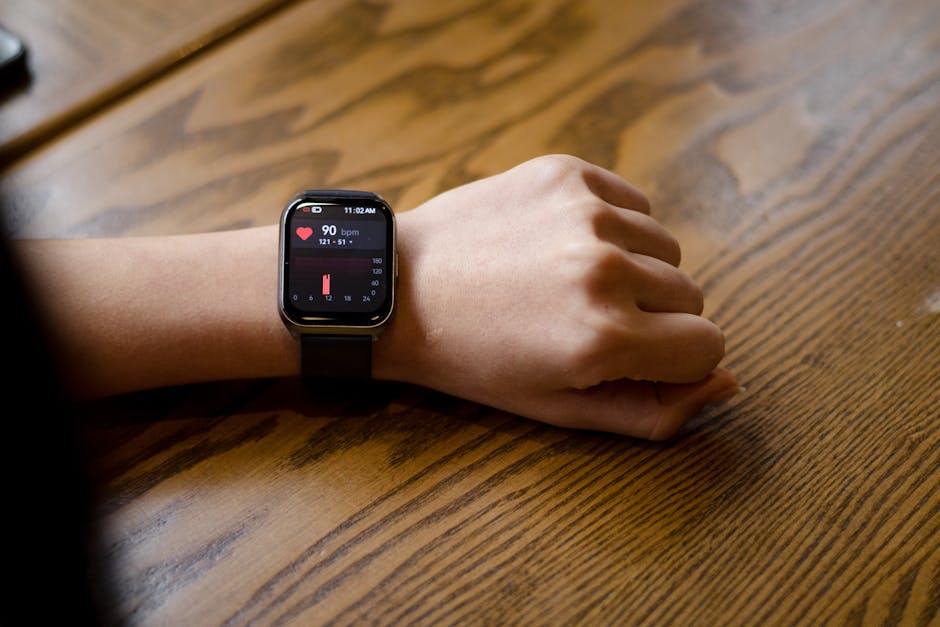
Understanding how modern wellness sensors work helps consumers make smarter purchasing decisions and avoid unrealistic expectations.
Wearable Blood Pressure Monitors
Portable blood pressure monitors are among the most popular travel health devices because they support ongoing cardiovascular awareness while away from home.
Most wearable blood pressure monitors fall into two categories:
- Upper-arm cuff devices
- Compact wrist-based monitors
Upper-arm devices generally provide more clinical consistency, while wrist-based models offer superior portability and convenience.
Travelers monitoring blood pressure daily should measure readings in calm conditions while seated comfortably. Avoid taking readings immediately after exercise, caffeine, or stressful travel situations.
Portable Pulse Oximeters and Oxygen Saturation Monitoring
Pulse oximeters measure oxygen saturation levels and are particularly useful during hiking, altitude exposure, respiratory recovery, or endurance activities.
These devices are commonly used by:
- Mountain hikers
- Campers at elevation
- Endurance athletes
- Travelers recovering from illness
- Senior adults monitoring respiratory awareness
Cold fingers, motion, poor circulation, and altitude adaptation can affect oxygen saturation readings. Measurements should be taken after resting for more stable results.
Portable ECG Monitors and Heart Rhythm Tracking
Portable ECG monitors provide advanced rhythm tracking that can help identify irregular heartbeat patterns. These devices are useful for users who require deeper cardiovascular awareness during travel.
However, ECG-enabled wearables should not replace professional diagnostic evaluations. They function best as supplemental awareness tools rather than standalone medical systems.
Heart Rate Variability and Recovery Tracking
Heart rate variability, often abbreviated as HRV, measures variation between heartbeats and is increasingly used to evaluate recovery quality, fatigue, and stress adaptation.
Outdoor athletes and frequent travelers often monitor HRV to determine:
- Recovery readiness
- Sleep quality
- Stress accumulation
- Training fatigue
- Travel recovery status
Lower HRV readings may indicate elevated stress, poor sleep, dehydration, or overexertion.
Fitness Smartwatches and Bluetooth Health Trackers
Fitness smartwatches combine multiple monitoring features into a single wearable platform. Common functions include:
- Heart rate tracking
- GPS activity tracking
- Sleep monitoring
- Stress estimation
- Recovery scoring
- Notification syncing
These devices are convenient for travel but vary significantly in accuracy. Dedicated health monitoring devices often outperform multi-purpose smartwatches for specialized measurements.
Best Portable Health Devices by Travel Scenario

Different travel situations require different wellness priorities. Choosing devices based on use case usually produces better long-term satisfaction than chasing maximum features.
Best Health Monitoring Wearables for Hiking and Camping
Outdoor-focused health devices should emphasize durability, battery efficiency, offline functionality, and visibility in changing weather conditions.
Important outdoor features include:
- Water resistance
- Cold-weather battery endurance
- Sunlight-readable displays
- Shock resistance
- Offline measurement support
- Lightweight portability
Many hikers pair health wearables with recovery and warmth accessories available in the Warmth & Heat Therapy collection during colder outdoor adventures.
Best Portable Health Devices for Senior Travelers
Senior travelers often prioritize readability, simplicity, comfort, and dependable operation over advanced analytics.
Helpful features include:
- Large displays
- Voice assistance
- One-button operation
- Easy charging systems
- Stored measurement history
- Comfortable wearable design
Portable blood pressure monitors remain one of the most practical wellness tools for senior travelers because they support routine cardiovascular awareness during long trips.
Best Travel Wellness Gadgets for Business Travelers
Business travel creates unique wellness challenges including stress, disrupted sleep schedules, poor posture, dehydration, and prolonged sitting.
Useful devices for frequent flyers include:
- Compact posture correctors
- Portable massage tools
- Sleep optimization wearables
- Stress monitoring trackers
- Hydration reminders
Frequent travelers often explore wellness recovery products in the Wellness & Relaxation collection to improve recovery during demanding travel schedules.
Best Beginner-Friendly Health Monitoring Wearables
Beginners should avoid overly complex devices packed with features they may never use consistently.
The best beginner devices usually offer:
- Simple interfaces
- Clear displays
- Reliable automatic measurements
- Long battery life
- Easy charging
- Comfortable wearability
Consistency matters more than complexity. A simple device used daily is often more valuable than an advanced device used occasionally.
Best Portable Blood Pressure Monitors for Travel
Travel-focused blood pressure monitors should balance portability with measurement consistency. Lightweight wrist-based devices are easier to carry during flights and road trips, while upper-arm systems generally provide more stable readings.
| Feature | Travel Importance |
| Compact Size | Fits easily into luggage or backpacks |
| Fast Measurements | Improves convenience during travel |
| Data Memory | Tracks readings without apps |
| Voice Guidance | Helpful for seniors and beginners |
| Rechargeable Battery | Reduces disposable battery needs |
How Accurate Are Portable Health Devices Really?

Accuracy is one of the most important concerns surrounding wearable health technology. While many portable devices provide valuable trend awareness, several factors influence measurement reliability.
Consumer Wearables vs Medical-Grade Devices
Consumer wellness trackers prioritize convenience and accessibility. Medical-grade devices typically undergo stricter validation standards and clinical testing.
Consumer devices are useful for:
- Trend monitoring
- Lifestyle awareness
- Recovery tracking
- Daily habit consistency
Medical-grade systems remain more appropriate for diagnostic decision-making and clinical management.
Factors That Reduce Reading Accuracy
Portable health measurements can become less reliable due to:
- Movement during readings
- Poor device positioning
- Cold temperatures
- Low battery levels
- High altitude
- Poor circulation
- Dehydration
- Improper sensor contact
Travel conditions often amplify these limitations, which is why understanding measurement context matters.
How to Improve Blood Pressure Reading Accuracy While Traveling
- Sit quietly for several minutes before measuring.
- Avoid caffeine immediately before readings.
- Keep the wrist or arm supported at heart level.
- Measure in calm conditions when possible.
- Use consistent measurement timing daily.
- Avoid talking during measurements.
- Repeat readings if results appear abnormal.
Portable monitoring works best when measurements are taken consistently rather than sporadically.
When Portable Devices Should Not Replace Professional Medical Care
Portable health devices are informational tools and should not replace professional medical evaluation. Persistent abnormal readings, chest pain, severe dizziness, breathing difficulty, or cardiovascular concerns require professional medical attention.
Portable wellness technology works best as a long-term awareness tool rather than a standalone diagnostic solution.
Portable Health Device Features That Matter Most for Outdoor Use

Outdoor environments create additional challenges for wearable technology. Devices designed for home use may perform differently during hiking, camping, or travel.
Water Resistance and Environmental Durability
Water resistance is important for hiking, rain exposure, sweat management, and humid travel environments.
Consumers should evaluate:
- IP ratings
- Dust resistance
- Temperature tolerance
- Shock durability
- Moisture protection
Battery Life Under Cold Conditions
Cold weather rapidly reduces battery efficiency. Outdoor travelers should carry charging backups or choose devices optimized for low-power operation.
Power-saving practices include:
- Reducing screen brightness
- Disabling unnecessary Bluetooth syncing
- Using airplane mode when possible
- Keeping devices insulated in pockets
Screen Visibility in Direct Sunlight
Outdoor usability depends heavily on display readability. Bright sunlight can make small or low-contrast displays difficult to use during activity.
Larger fonts and high-contrast displays improve usability for both senior travelers and hikers.
Data Syncing and Cross-Platform App Support
App compatibility becomes important when managing long-term wellness records across multiple devices.
Reliable ecosystems should support:
- Android compatibility
- iOS compatibility
- Cloud backup options
- Exportable data
- Offline storage
Travelers who prioritize skincare monitoring during flights or harsh outdoor conditions sometimes complement wearable wellness devices with tools from the Skin and Beauty Care Devices collection.
Emergency Alerts and Safety Features
Modern wearables increasingly include safety-oriented functions such as:
- Fall detection
- Emergency SOS alerts
- Heart rate warnings
- Location sharing
- Abnormal rhythm notifications
These features may provide additional reassurance for solo travelers and senior adults.
Mistakes to Avoid When Buying a Portable Health Monitoring Device

Many buyers focus too heavily on marketing features while overlooking practical usability.
Buying Based Only on Marketing Claims
Not every wearable performs equally in real-world conditions. Marketing claims may not reflect outdoor reliability, cold-weather battery endurance, or measurement stability during travel.
Always prioritize:
- User consistency
- Reliable operation
- Comfort
- Battery performance
- Practical usability
Ignoring Calibration and Sensor Limitations
Wearable sensors require proper use to maintain reasonable accuracy. Some devices need periodic calibration or comparison against clinically validated systems.
Users should understand that even advanced wearables have limitations during motion, stress, and environmental changes.
Overlooking Travel-Specific Constraints
Travel introduces challenges that home users may never encounter:
- Limited charging access
- Temperature fluctuations
- Humidity exposure
- Altitude variation
- Connectivity interruptions
Portable health devices should support mobility rather than complicate travel routines.
Choosing Features You Will Never Use
Complex devices can create unnecessary frustration. Many consumers benefit more from dependable basics than from advanced features they rarely access.
Simple, consistent tracking habits usually produce more meaningful long-term wellness insights.
Recommended Portable Health Device Setup by User Type

Different users benefit from different combinations of monitoring and recovery tools.
Minimalist Travel Health Kit
A lightweight travel wellness setup may include:
- Compact blood pressure monitor
- Hydration reminder wearable
- Portable sleep mask
- Small recovery massage device
Minimalist travelers often prefer lightweight wellness accessories that fit easily into carry-on luggage.
Outdoor Adventure Recovery Tracking Setup
Outdoor enthusiasts may prioritize:
- Heart rate variability tracking
- Oxygen saturation monitoring
- GPS activity tracking
- Portable recovery massage tools
- Hydration management systems
Recovery-focused outdoor users frequently pair wearable tracking with comfort-focused accessories available in the Foot & Body Comfort collection.
Senior Wellness Travel Monitoring Kit
Senior travel wellness kits should prioritize readability and simplicity.
A practical setup may include:
- Blood pressure monitor
- Medication reminders
- Simple activity tracker
- Portable sleep support tools
Large displays, voice support, and one-button operation improve long-term usability.
Remote Worker and Frequent Flyer Wellness Setup
Frequent flyers and remote workers often experience posture strain, stress accumulation, dry environments, and disrupted sleep.
Useful wellness additions include compact recovery and skincare support tools. For example, the KentDO™ Portable Skin Analyzer – Moisture & Oil Tester can help travelers monitor skin hydration changes caused by dry cabin air and changing climates.

Travelers focused on hydration and recovery routines often combine monitoring tools with skincare accessories from the Skincare & Hydration collection.
How to Maintain Portable Health Devices for Long-Term Accuracy

Proper maintenance improves device lifespan, consistency, and long-term reliability.
Cleaning and Sensor Care
Sensors should remain clean and dry to improve measurement consistency.
- Use soft microfiber cloths.
- Avoid harsh cleaning chemicals.
- Keep charging ports dry.
- Remove sweat buildup regularly.
- Store devices in protective cases during travel.
Battery Maintenance Best Practices
Battery health significantly affects wearable reliability.
Best practices include:
- Avoiding complete battery depletion frequently
- Using compatible chargers
- Protecting devices from extreme heat
- Charging before long outdoor trips
Firmware Updates and Calibration
Firmware updates may improve sensor performance, app stability, and battery optimization.
Users should periodically compare wearable readings against clinically validated devices to identify major inconsistencies.
Frequently Asked Questions
How accurate are wrist health trackers compared to medical devices?
Wrist health trackers are useful for monitoring trends and daily wellness awareness, but they are generally less consistent than clinically validated medical-grade equipment. Proper positioning and calm measurement conditions improve reliability.
What is the best portable blood pressure monitor for travel?
The best travel blood pressure monitor balances portability, dependable readings, onboard memory storage, and easy operation. Lightweight wrist-based devices are especially convenient for frequent travelers.
How do you measure blood pressure accurately while traveling?
Measure readings in a seated, relaxed position with the wrist or arm supported at heart level. Avoid caffeine, stress, and physical activity immediately before testing.
Which wearable health monitoring devices work best for hiking and camping?
Outdoor-focused wearables with long battery life, water resistance, offline tracking, sunlight-readable displays, and durable construction typically perform best during hiking and camping trips.
What should beginners look for in portable health monitoring devices?
Beginners should prioritize simplicity, comfort, battery life, readability, and reliable basic functions rather than overly advanced features.
Are portable ECG monitors reliable for everyday travel use?
Portable ECG monitors can provide useful rhythm awareness and trend tracking, but they should not replace professional cardiac evaluations or emergency medical care.
Can portable pulse oximeters work accurately at high altitude?
Pulse oximeters may still function at altitude, but readings can fluctuate due to temperature, circulation, and environmental adaptation. Resting before measurement improves consistency.
How long do fitness smartwatch batteries typically last outdoors?
Battery duration varies widely depending on GPS usage, screen brightness, temperature, and connectivity settings. Outdoor battery life is usually shorter than manufacturer estimates.
Do Bluetooth health trackers work without internet access?
Many Bluetooth wellness devices can continue recording measurements offline and sync later once connectivity returns.
What is the difference between a fitness smartwatch and a medical-grade wearable device?
Fitness smartwatches focus on convenience and broad wellness tracking, while medical-grade devices emphasize higher measurement consistency and clinical validation standards.
Conclusion
The best portable health device is not necessarily the one with the longest feature list or the most aggressive marketing claims. The most effective wearable is the one that fits your travel habits, recovery priorities, comfort preferences, and consistency goals. Travelers, hikers, remote workers, and senior adults benefit most from devices that balance portability, reliability, battery endurance, and ease of use in real-world environments. Building healthy monitoring habits, understanding device limitations, and choosing tools designed for your lifestyle will produce far more valuable long-term wellness insights than chasing unnecessary complexity.
For more travel-friendly wellness tools and portable recovery accessories, explore the Body Care and Health Devices collection and related wellness categories designed for everyday mobility and outdoor use.
Related Articles:
- Best Wearable Health Monitoring Devices for Travel, Recovery & Outdoor Wellness
- Portable Health Devices For Outdoor Travel: Complete Recovery & Wellness Guide
- Best Stress Relief Gadgets for Travel: Portable Wellness Tools for Flights, Camping & Remote Work
- Travel Friendly Posture Support Devices: Best Portable Back Support Tools for Outdoor Travel
- Best Portable Blood Pressure Monitor (2026 Travel & Home Guide)













