Best Teeth Whitening Methods at Home: What Actually Works in 2026
Teeth whitening has become one of the most searched oral care goals worldwide, yet most people still struggle with the same frustration: viral “quick fixes” rarely match real dental results. Coffee stains return, enamel sensitivity increases, and whitening strips often deliver uneven outcomes. The truth is that effective at-home whitening is not about a single product—it’s about understanding how stains form, how enamel responds, and which methods actually work without damaging your teeth.
This guide breaks down dentist-informed whitening methods, compares real effectiveness versus marketing hype, and gives you a safe, structured way to build a whitening routine that fits your enamel health, sensitivity level, and lifestyle. You’ll also learn how to prevent staining long-term and choose the right tools from trusted oral care approaches.
Why Teeth Become Yellow or Stained Over Time
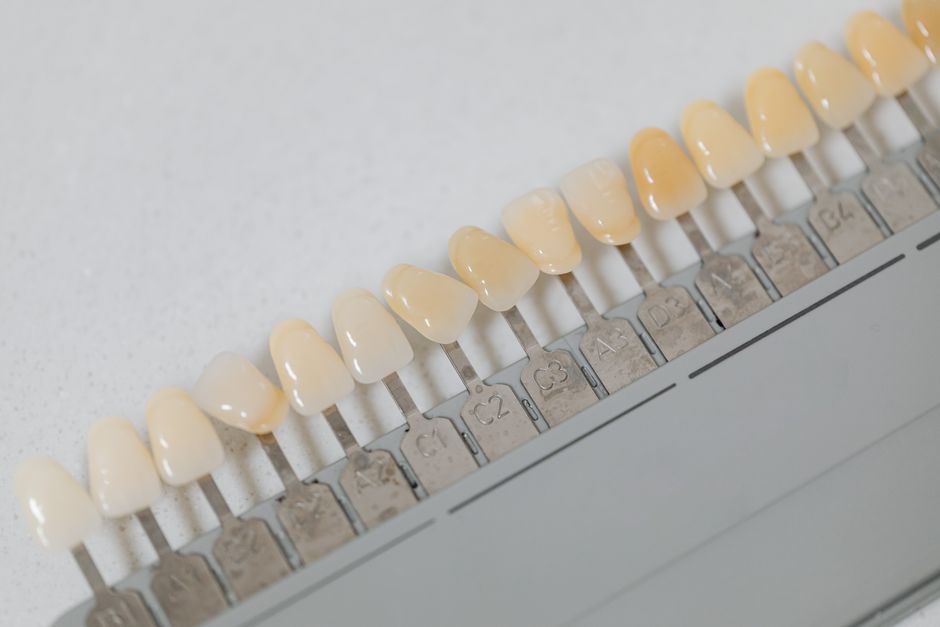
To understand whitening, you first need to understand discoloration. Teeth don’t suddenly turn yellow—staining builds up gradually through food exposure, plaque accumulation, and changes in enamel structure over time.
The Difference Between Extrinsic and Intrinsic Tooth Stains
Extrinsic stains form on the surface of enamel and are usually caused by coffee, tea, wine, smoking, and plaque buildup. These are the easiest to remove with proper brushing and whitening agents. Intrinsic stains, however, occur inside the tooth structure and are often caused by aging, trauma, medication, or enamel thinning. These are harder to treat and may require stronger whitening systems or professional intervention.
How Coffee, Tea, Wine, Smoking, and Plaque Affect Tooth Color
Dark-colored beverages and tobacco contain chromogens—pigment molecules that attach to enamel. Over time, plaque acts as a sticky layer that traps these pigments. Even if you brush daily, incomplete plaque removal allows stains to accumulate in hard-to-reach areas between teeth and near the gumline.
The Role of Tooth Enamel and Dentin in Whitening Results
Enamel thickness determines how bright your teeth appear. Beneath enamel lies dentin, which naturally has a yellow tone. As enamel wears down with age or acid exposure, more dentin becomes visible, making teeth appear darker even without surface stains.
How Teeth Whitening Actually Works

Whitening methods generally work in two ways: removing surface stains or chemically bleaching deeper discoloration. Understanding this difference helps you avoid unrealistic expectations and choose safer treatments.
Hydrogen Peroxide vs Carbamide Peroxide Explained
Most whitening systems rely on peroxide-based ingredients. Hydrogen peroxide acts quickly and penetrates enamel faster, while carbamide peroxide breaks down more slowly and is often used in at-home kits for gentler whitening over time.
Whitening Through Abrasion vs Bleaching
Abrasive whitening relies on polishing agents that scrub away surface stains. While effective for mild discoloration, excessive abrasion can weaken enamel. Bleaching, on the other hand, chemically breaks down stain molecules beneath the surface for deeper whitening effects.
What Whitening Can and Cannot Change
Whitening does not change the color of dental restorations such as crowns, veneers, or fillings. It also cannot reverse severe intrinsic discoloration caused by medication or enamel loss. Setting realistic expectations is essential for safe and satisfying results.
Best Teeth Whitening Methods at Home Ranked by Effectiveness
At-home whitening options vary widely in effectiveness, safety, and sensitivity impact. Below is a structured comparison of the most common methods based on how they actually perform in real-world use.
| Method | Effectiveness | Speed | Sensitivity Risk | Best For |
| Whitening Toothpaste | Mild | Slow | Low | Maintenance |
| Whitening Strips | Moderate–High | Medium | Moderate | Surface stains |
| LED Whitening Kits | Moderate | Medium | Moderate | Convenience users |
| Whitening Pens | Mild | Fast | Low | Quick touch-ups |
| Custom Trays | High | Slow–Medium | Higher control | Deep whitening |
Whitening Toothpaste: Best for Maintenance and Mild Surface Stains
Whitening toothpaste works primarily through mild abrasives that polish away surface stains. It is best used as a maintenance tool rather than a full whitening solution. Consistent use can help prevent new stains from forming but will not dramatically change deep discoloration.
Whitening Strips: Most Effective Budget-Friendly Option
Whitening strips contain peroxide gels that adhere to the tooth surface, delivering more noticeable results over time. However, uneven application and gum irritation are common issues if used incorrectly.
LED Teeth Whitening Kits: Do Light Systems Actually Work?
LED kits use light activation systems combined with peroxide gels. While the light itself has limited whitening power, it may help accelerate peroxide activation. Results vary depending on stain severity and product formulation.
Whitening Pens and Gels: Fast but Temporary Results
Whitening pens are convenient for quick touch-ups but do not penetrate deeply. They are best for short-term brightness before events rather than long-term whitening solutions.
Custom Whitening Trays vs Store-Bought Trays
Custom trays provide better fit and more even gel distribution, reducing gum irritation. Store-bought trays are more affordable but often lead to uneven whitening due to poor fit.
Professional Whitening vs Home Whitening Kits
Professional treatments use higher peroxide concentrations under controlled conditions, offering faster and more dramatic results. However, at-home kits provide gradual improvement with lower sensitivity risk and better long-term affordability.
What Actually Works vs Popular Whitening Myths
Not all whitening trends are backed by evidence. Many viral hacks focus on short-term brightness but may compromise enamel health over time.
Does Activated Charcoal Whiten Teeth Safely?
Activated charcoal may remove some surface stains, but its abrasive nature can wear down enamel if used frequently. Long-term safety remains questionable due to limited clinical evidence.
Can Baking Soda Remove Yellow Teeth?
Baking soda can help polish surface stains, but it does not bleach intrinsic discoloration. Overuse may also increase enamel abrasion risk.
Do Coconut Oil Pulling and Natural Remedies Work?
Oil pulling may improve oral hygiene by reducing bacteria, but it does not chemically whiten teeth. It is better viewed as a supplemental hygiene practice rather than a whitening solution.
Why Some TikTok Whitening Hacks Damage Enamel
Many social media whitening trends rely on acidic or abrasive substances that weaken enamel over time, increasing sensitivity and long-term discoloration risk.
The Safest Way to Whiten Teeth Without Damaging Enamel
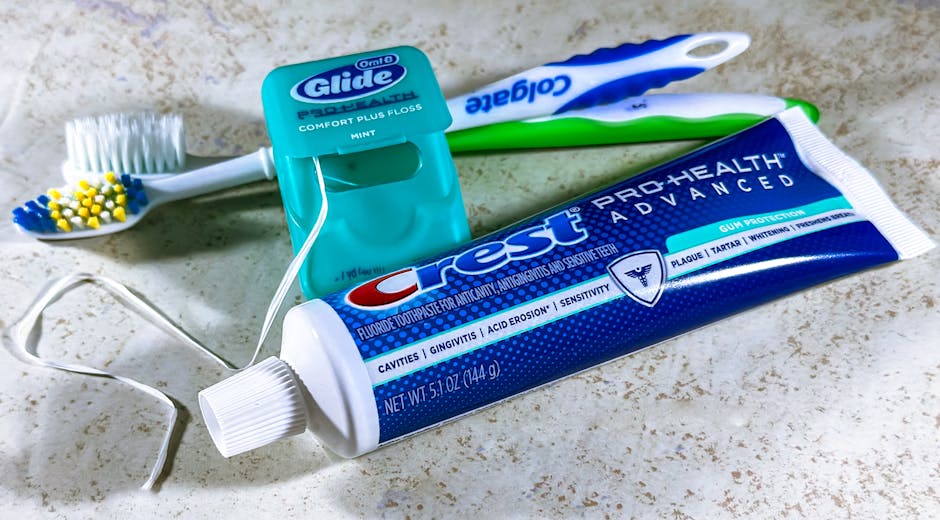
A safe whitening routine prioritizes enamel protection, gradual results, and proper plaque control. Removing plaque before whitening ensures more even results and reduces irritation risk.
How to Prevent Dentin Hypersensitivity During Whitening
Using fluoride toothpaste, spacing out whitening sessions, and avoiding high-concentration peroxide products can significantly reduce sensitivity during treatment.
Why Fluoride Toothpaste Matters During Whitening Treatments
Fluoride strengthens enamel and supports remineralization, helping teeth recover between whitening sessions and reducing post-treatment discomfort.
Signs You Are Over-Whitening Your Teeth
Common signs include increased sensitivity, translucent edges, and gum irritation. If these occur, whitening should be paused immediately.
How Often Should You Whiten Your Teeth?
Most at-home whitening systems are safe when used in short cycles with maintenance breaks. Overuse does not improve results and increases enamel risk.
For safe oral care routines and enamel-friendly tools, explore our Oral Care Devices collection and Skin and Beauty Care Devices collection for supportive hygiene solutions that help maintain whitening results.
Recommended Gentle Oral Care Tools for Safe Whitening Support
A soft, controlled brushing system is essential during whitening routines to minimize irritation and improve stain removal efficiency.

KentDO Electric Toothbrush supports plaque removal and stain reduction through high-frequency vibration technology, making it useful for maintaining whitening results while protecting enamel health.
Best Whitening Methods for Different Types of Users
Not all whitening systems work equally for everyone. Your lifestyle, diet, and enamel sensitivity should guide your choice.
Best Option for Coffee and Tea Drinkers
Frequent stain exposure requires consistent plaque removal and surface polishing. Whitening toothpaste combined with regular deep cleaning is most effective for this group.
Best Whitening Method for Sensitive Teeth
Low-peroxide systems and gentle brushing techniques are essential. Avoid high-abrasion products and reduce whitening frequency to prevent discomfort.
Best Whitening Approach for Smokers
Smokers typically experience deeper extrinsic staining, requiring stronger peroxide-based whitening systems combined with strict oral hygiene routines.
Can You Whiten Teeth With Braces, Fillings, or Crowns?
Whitening does not affect dental restorations or areas covered by braces, making results uneven if not planned carefully.
What to Avoid if You Have Gum Irritation or Thin Enamel
Avoid high-strength peroxide treatments and abrasive whitening powders, as they may worsen sensitivity and gum inflammation.
Step-by-Step Home Teeth Whitening Routine That Minimizes Sensitivity

A structured routine ensures better whitening outcomes while protecting enamel integrity.
Pre-Whitening Preparation Checklist
Before whitening, remove plaque thoroughly and ensure gums are healthy. This improves gel contact and reduces irritation risk.
Oral Care Devices collection offers supportive tools to improve daily cleaning efficiency before starting whitening cycles.
Weekly Whitening Schedule for Beginners
Start with short whitening sessions spaced across several days rather than continuous application. This allows enamel recovery between treatments.
Foods and Drinks to Avoid After Whitening
Avoid dark-colored beverages and acidic foods immediately after whitening, as enamel is more porous and prone to restaining.
How to Maintain Whitening Results Long-Term
Maintenance is more important than intensive whitening sessions. Regular brushing, flossing, and stain control habits preserve brightness over time.
For better plaque control between teeth, proper interdental cleaning is essential.

KentDO Portable Dental Floss & Toothpick Set helps remove trapped food and plaque between teeth, improving overall whitening consistency and preventing new stain buildup in hard-to-reach areas.
Dentist-Approved Tips for Long-Term White Teeth
Long-term whitening success depends more on daily habits than occasional treatments.
Daily Habits That Reduce New Tooth Stains
Rinsing after meals, brushing twice daily, and reducing stain-causing beverages significantly slows discoloration.
Why Dental Plaque Control Improves Whitening Results
Plaque acts as a stain trap. Removing it consistently ensures whitening agents can work more effectively on enamel.
When to See a Dentist Instead of Whitening at Home
If discoloration is severe, uneven, or linked to pain or sensitivity, professional evaluation is recommended before continuing at-home treatments.
Consistent oral care supported by structured routines and reliable tools from Oral Care Blog resources can significantly improve long-term whitening stability and overall dental health.
Frequently Asked Questions
What is the safest way to whiten teeth at home?
The safest approach uses low-peroxide whitening systems combined with fluoride toothpaste and proper plaque removal to protect enamel.
How can I whiten yellow teeth without damaging enamel?
Gradual whitening methods such as whitening toothpaste and low-strength peroxide strips reduce risk while improving brightness over time.
Which teeth whitening methods work best for sensitive teeth?
Gentle whitening toothpaste, reduced-frequency treatments, and enamel-strengthening products are best for sensitivity-prone users.
Do natural remedies actually remove teeth stains?
Most natural remedies only provide mild surface cleaning and do not offer true bleaching effects for deeper stains.
How long do at-home teeth whitening results last?
Results vary depending on diet and oral hygiene but typically last several months with proper maintenance.
Can whitening toothpaste damage tooth enamel?
When used correctly, whitening toothpaste is generally safe, but excessive abrasion can contribute to enamel wear.
Why do my teeth hurt after whitening?
Sensitivity occurs when peroxide temporarily exposes dentin layers or irritates nerves in enamel pores.
Do LED teeth whitening kits work better than strips?
LED kits and strips offer similar peroxide-based whitening effects, with differences mainly in application style and convenience.
Can baking soda really whiten teeth naturally?
Baking soda can remove surface stains but does not deeply bleach intrinsic discoloration.
Final Thoughts on Safe At-Home Whitening
The most effective whitening method is not the fastest or most aggressive—it is the one that balances stain removal, enamel protection, and sensitivity control. Understanding how stains form and choosing gradual, evidence-based methods leads to more consistent and longer-lasting results than viral quick fixes.
A structured routine that prioritizes plaque control, gentle whitening systems, and long-term maintenance will always outperform short-term whitening trends. Sustainable oral care habits are the real foundation of a brighter smile.
Pillar Article: Oral Hygiene Routines: Beginner-to-Pro Daily Dental Guide