

Best Wearable Health Monitoring Devices in 2026 for Blood Pressure, Sleep & Recovery
Wearable health monitoring devices have evolved far beyond simple step counters. In 2026, travelers, campers, remote workers, athletes, and wellness-focused families are using wearable biosensors to monitor heart rate, recovery, sleep quality, stress levels, hydration habits, and blood pressure trends while on the move. Modern health wearables combine compact portability with advanced tracking algorithms that help users stay more aware of their bodies during travel, outdoor adventures, and busy daily routines.
For many people, the appeal is convenience. A lightweight wrist wearable or portable monitoring device can help identify recovery patterns after long hikes, monitor stress during flights, or support healthier routines during demanding work schedules. Many users also pair wearables with tools from the Body Care and Health Devices collection to build portable wellness setups for travel and outdoor recovery.
At the same time, it is important to understand the limitations of consumer-grade wellness technology. Most wearable devices are designed for trend awareness and lifestyle support rather than medical diagnosis. Understanding accuracy, battery life, environmental limitations, and long-term usability is essential before choosing a wearable health monitoring device for everyday wellness tracking.
Why Wearable Health Monitoring Devices Matter in 2026
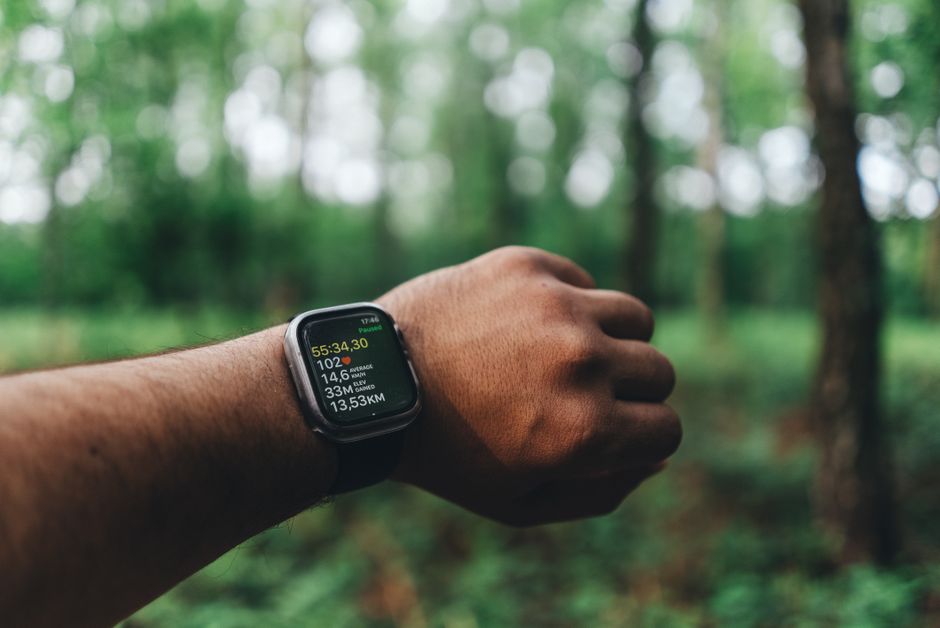
Portable wellness technology has become increasingly important as people spend more time traveling, working remotely, exercising outdoors, and managing long-term wellness goals independently. Wearables now support everything from stress monitoring and sleep analysis to blood oxygen tracking and recovery management.
The Shift From Fitness Gadgets to Everyday Wellness Tools
Early wearable devices focused mainly on counting steps and tracking workouts. Today’s devices integrate advanced sensors that estimate heart rate variability (HRV), blood oxygen saturation (SpO2), skin temperature, sleep cycles, and recovery status. This shift has transformed wearables into broader wellness tools used by beginners, seniors, outdoor enthusiasts, and busy professionals alike.
Many users combine wearable devices with accessories from the Wellness & Relaxation collection to support stress management routines while traveling or recovering after long outdoor activities.
How Wearable Biosensors Support Preventive Health Awareness
Modern wearable biosensors continuously collect data related to movement, pulse patterns, skin response, and sleep behavior. While these devices cannot replace clinical equipment, they can help users notice trends that may encourage healthier habits or conversations with healthcare professionals.
Examples include:
- Tracking elevated resting heart rate after poor sleep
- Monitoring recovery after intense exercise
- Observing stress changes during long travel days
- Tracking blood pressure trends over time
- Identifying poor sleep consistency during camping trips
Wearables are particularly valuable because they encourage consistency. Instead of checking wellness metrics occasionally, users can observe patterns daily and adjust behaviors gradually.
Why Travelers, Campers, and Remote Workers Use Health Wearables
Outdoor travel introduces unique wellness challenges including dehydration, poor sleep, altitude fatigue, irregular schedules, and physical stress. Health wearables help users stay aware of these factors during camping trips, hiking adventures, airport travel, and long remote work sessions.
Popular outdoor use cases include:
- Monitoring sleep quality while camping
- Tracking recovery after hiking
- Checking blood oxygen at high elevations
- Managing hydration reminders during travel
- Reducing stress during long flights
- Monitoring daily blood pressure trends while traveling
Travelers also frequently pair wearable trackers with portable recovery devices from the Foot & Body Comfort collection for muscle relaxation and circulation support after extended activity.
What Health Metrics Modern Wearables Can Actually Track

Understanding what wearable devices measure helps users set realistic expectations. Most modern health wearables estimate trends rather than provide hospital-grade measurements.
Heart Rate Variability and Fitness Recovery Metrics Explained
Heart Rate Variability, often called HRV, measures the variation between heartbeats. Contrary to common assumptions, greater variability is often associated with better recovery and adaptability.
Wearables use HRV to estimate:
- Recovery readiness
- Stress load
- Sleep recovery quality
- Training fatigue
- Autonomic nervous system balance
Athletes, hikers, and frequent travelers use HRV trends to determine when their bodies may need additional recovery or hydration.
Blood Oxygen Monitoring for Altitude, Travel, and Recovery
SpO2 tracking estimates blood oxygen saturation using optical sensors. Outdoor travelers and campers often use this feature during mountain trips or physically demanding activities.
However, blood oxygen readings can become less reliable when:
- Hands are cold
- Movement is excessive
- The wearable is too loose
- Battery levels are critically low
- Sensors are obstructed by sweat or dirt
Wearable SpO2 readings are useful for trend awareness but should not replace medical pulse oximeters during serious health concerns.
Sleep Tracking and Sleep Stage Analysis
Sleep tracking has become one of the most popular wearable features. Devices estimate sleep duration, sleep consistency, wake periods, and approximate sleep stages based on motion and heart rate patterns.
Travelers commonly use wearable sleep data to improve:
- Recovery after flights
- Camping sleep quality
- Jet lag management
- Stress reduction routines
- Nighttime recovery after hiking
Many users also combine wearable tracking with products from the Eye Care Devices collection to create more comfortable nighttime recovery routines while traveling.
Hydration Tracking and Body Stress Indicators
Some advanced wearables estimate hydration and body stress indirectly using skin temperature, sweat response, heart rate patterns, and activity levels. Although hydration tracking is still evolving, reminders and behavioral insights can encourage healthier outdoor habits.
Hydration awareness becomes especially important during:
- Long hikes
- Hot weather camping
- Extended road trips
- Air travel
- Outdoor workouts
Electrocardiogram ECG Features in Smart Wearables
Some smart watches and health wearables now include ECG functionality that can detect irregular heart rhythm patterns. These features are designed primarily for wellness awareness and should not replace clinical cardiac evaluations.
Users should understand that ECG-enabled wearables:
- Can support trend awareness
- May help identify irregularities worth discussing with doctors
- Are not emergency diagnostic tools
- Require proper positioning and calibration
- Can generate false positives or inconsistent readings
How Accurate Are Wearable Health Monitoring Devices?
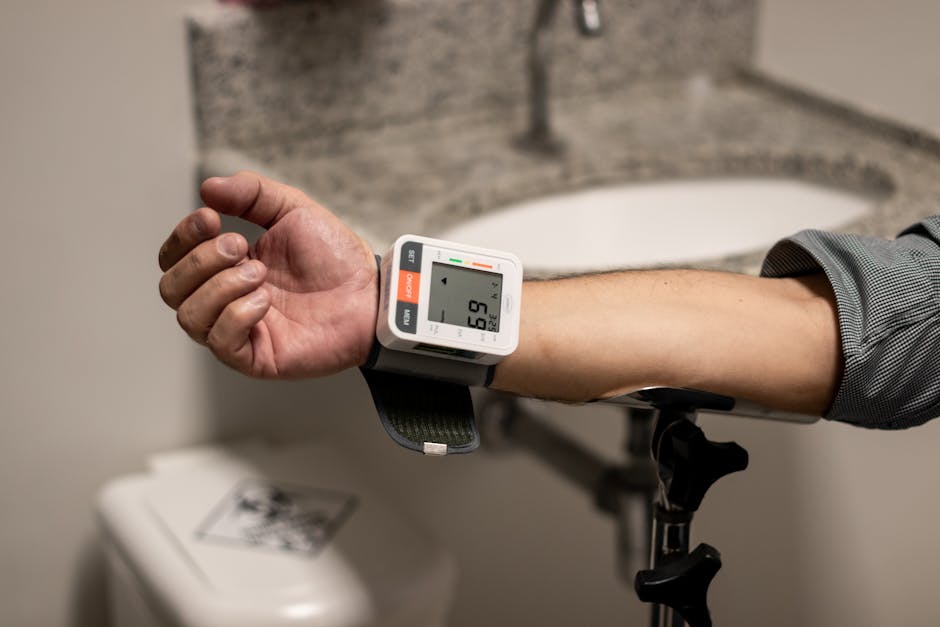
Accuracy remains one of the most important concerns when evaluating wearable health monitoring devices. Consumer wearables can provide useful wellness insights, but performance varies significantly depending on the metric being tracked and the conditions in which the device is used.
How Wrist-Based Blood Pressure Monitoring Works
Most wearable blood pressure devices estimate measurements using optical sensors and pulse transit time algorithms. These systems analyze pulse wave movement and vascular response patterns to estimate blood pressure trends.
Unlike traditional upper-arm cuffs, wrist-based monitors are more sensitive to positioning errors. Wrist placement relative to heart level significantly affects readings.
For travelers who want compact monitoring during outdoor trips or daily commuting, the KentDO™ LED Display Wrist Blood Pressure Monitor provides a portable option designed for quick wellness checks while traveling.

Portable wrist devices are convenient for trend tracking, but users should follow proper positioning techniques and avoid relying on isolated readings.
Factors That Affect Accuracy During Outdoor Activities
Outdoor conditions introduce multiple variables that can affect wearable sensor accuracy.
| Factor | Impact on Wearable Accuracy |
| Motion | Can disrupt heart rate and blood pressure readings |
| Sweat | Interferes with optical sensor performance |
| Cold weather | Reduces circulation and sensor consistency |
| Loose fit | Creates inconsistent sensor contact |
| Altitude | May affect SpO2 estimations |
| Battery depletion | Can reduce monitoring reliability |
For more reliable outdoor monitoring, users should periodically clean sensors, ensure proper fit, and avoid checking readings immediately after intense movement.
When Wearable Devices Should Not Replace Medical Equipment
Wearables are excellent wellness tools, but they should never replace professional medical evaluations or emergency care.
Users should seek medical guidance rather than relying solely on wearables when:
- Experiencing chest pain
- Observing consistently abnormal readings
- Managing diagnosed cardiovascular conditions
- Experiencing severe dizziness or fainting
- Monitoring critical oxygen saturation issues
Most consumer devices are designed for lifestyle awareness rather than clinical diagnosis.
Best Practices for More Reliable Readings
Users can improve wearable accuracy by following a few simple habits:
- Wear devices snugly but comfortably
- Keep sensors clean and dry
- Take readings while seated and relaxed
- Measure at consistent times daily
- Avoid caffeine before blood pressure checks
- Calibrate wearable devices when recommended
Many beginners also use educational resources from the Body & Face Blog to learn better recovery and self-care habits that complement wearable tracking routines.
Best Wearable Health Monitoring Devices for Different Use Cases

The ideal wearable depends heavily on lifestyle, environment, recovery goals, and comfort preferences. Instead of focusing only on advanced features, users should prioritize long-term usability and practical daily convenience.
Best Smart Watches for Blood Pressure and ECG Monitoring
Smart watches designed for blood pressure and ECG tracking typically prioritize sensor integration, app ecosystems, and long-term trend analysis.
Features that matter most include:
- Reliable app synchronization
- Comfortable 24/7 wearability
- Consistent battery performance
- Easy-to-read displays
- Stress and sleep tracking integration
Travelers often benefit more from comfort and battery optimization than from excessive advanced metrics that require frequent charging.
Best Wearables for Sleep Tracking and Stress Recovery
Sleep-focused wearables prioritize lightweight design, overnight comfort, HRV tracking, and stress monitoring algorithms.
Users focused on recovery often combine wearables with portable relaxation tools, compression recovery gear, and mobility routines to improve long-term recovery consistency.
Best Outdoor Fitness Tracking Wearables for Hikers and Campers
Outdoor-focused wearables emphasize durability, GPS reliability, offline functionality, and extended battery life.
Key features for hikers and campers include:
- Long battery life
- Water resistance
- Offline activity storage
- Solar charging support
- Altitude tracking
- Recovery and hydration reminders
Outdoor travelers frequently build complete recovery setups using portable accessories from the Warmth & Heat Therapy collection to reduce soreness after long hiking days.
Best Senior-Friendly Health Monitoring Devices
Seniors often prioritize readability, comfort, simplified controls, and voice-assisted functionality over advanced athletic metrics.
Helpful senior-friendly features include:
- Large displays
- Voice guidance
- Simple navigation
- Automatic trend storage
- Emergency alert features
- Long battery duration
Best Budget-Friendly Wearables for Beginners
Beginners should focus on consistency and usability rather than premium feature overload. Affordable wearables can still provide meaningful insights for:
- Daily activity tracking
- Sleep consistency
- Heart rate trends
- Basic recovery awareness
- Stress management routines
For most users, long-term habit building matters more than maximizing technical specifications.
How to Track Blood Pressure Daily Using Wearable Devices
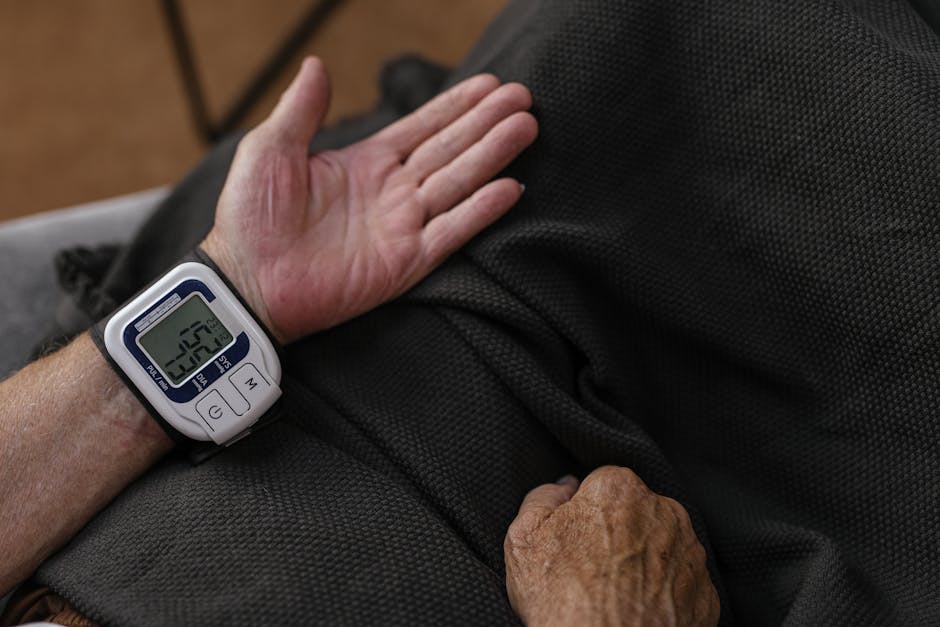
Daily blood pressure tracking works best when measurements are consistent and interpreted over time rather than treated as isolated data points.
Creating a Consistent Daily Monitoring Routine
Consistency improves the usefulness of blood pressure tracking significantly.
Helpful habits include:
- Taking measurements at the same time daily
- Sitting calmly before readings
- Avoiding caffeine immediately beforehand
- Maintaining proper wrist positioning
- Logging trends rather than isolated spikes
Portable devices are especially useful during travel because they allow users to maintain routines while away from home.
Travel wellness users often keep lightweight monitoring tools alongside essentials from the Lifestyle collection for more organized outdoor wellness setups.
Using Wearable Apps for Long-Term Trend Tracking
Modern wearable apps provide trend analysis that is often more useful than individual readings. Weekly and monthly patterns can reveal:
- Sleep-related recovery changes
- Stress patterns during travel
- Recovery after physical exertion
- Hydration consistency
- Resting heart rate improvements
Trend analysis can encourage better lifestyle habits over time.
Travel and Outdoor Monitoring Scenarios
Outdoor travel presents unique health monitoring situations. Wearables can help users observe how their bodies respond during:
- Long flights
- Camping trips
- High-altitude hikes
- Road travel fatigue
- Irregular sleep schedules
While wearables cannot predict medical issues, they can encourage better awareness and healthier decision-making during physically demanding travel experiences.
When to Pair a Wearable With a Portable Pulse Oximeter
Some users pair wearable devices with dedicated pulse oximeters during mountain travel or recovery monitoring.
This combination may be helpful for:
- High-altitude hiking
- Long-distance trekking
- Sleep recovery monitoring
- Senior wellness travel
- Post-exercise recovery tracking
Dedicated measurement devices generally provide more stable spot checks than wrist-based estimates alone.
Features That Matter Most in Outdoor and Travel Health Wearables

Travel wellness devices face very different conditions compared to indoor office wearables. Battery performance, durability, and environmental reliability become much more important outdoors.
Battery Life Optimization for Multi-Day Trips
Battery life is one of the most overlooked wearable considerations.
Outdoor battery drain often increases because of:
- Continuous GPS usage
- Cold temperatures
- Frequent health monitoring
- Bright outdoor screens
- Offline tracking modes
Users preparing for camping trips or extended travel should prioritize:
- Low-power modes
- Fast charging
- USB-C compatibility
- Offline tracking support
- Battery-saving display settings
Water Resistance, Durability, and Temperature Reliability
Outdoor wearables should withstand rain, sweat, dust, and temperature fluctuations without major performance issues.
| Feature | Why It Matters Outdoors |
| Water resistance | Protects against sweat and rain |
| Shock durability | Reduces hiking and travel damage risk |
| Temperature tolerance | Supports cold-weather reliability |
| Scratch resistance | Improves long-term usability |
| Secure straps | Maintains sensor accuracy during movement |
Offline Sync and Remote Wellness Monitoring
Offline functionality is increasingly important for hikers and travelers spending time away from stable internet connections.
Useful offline features include:
- Local activity storage
- Offline sleep tracking
- Delayed app synchronization
- Emergency location storage
- Battery-efficient offline GPS modes
Comfort, Wearability, and Long-Term Recovery Tracking
The most advanced wearable is ineffective if users stop wearing it consistently. Comfort is essential for:
- Sleep tracking
- 24/7 heart monitoring
- Long travel days
- Extended outdoor trips
- Stress and recovery tracking
Compression recovery devices can also support long-term comfort after physically demanding activities. The Wireless Air Compression Calf Massager with Heat Relief is an example of a portable recovery tool travelers may use alongside wearable recovery tracking.

Wearable Health Monitoring for Recovery, Sleep, and Stress Management
One of the fastest-growing segments in wearable technology focuses on recovery optimization and stress awareness rather than athletic performance alone.
How Stress Monitoring Technology Works
Most stress monitoring systems estimate stress using HRV patterns, resting heart rate changes, and sleep quality indicators.
Stress monitoring can help users identify:
- Poor recovery habits
- Sleep disruptions
- Travel fatigue
- Overtraining
- Mental exhaustion patterns
Although stress scores are estimates, they can still encourage healthier recovery behaviors.
Improving Sleep Quality Using Wearable Insights
Wearable sleep insights are most useful when combined with practical lifestyle adjustments.
Helpful improvements may include:
- Reducing screen exposure before sleep
- Maintaining consistent bedtime routines
- Improving campsite comfort
- Managing caffeine timing
- Using relaxation and breathing exercises
Travelers also often browse the Beauty & Self-Care Blog for additional recovery and relaxation guidance that complements wearable sleep tracking.
Recovery Metrics for Athletes, Travelers, and Shift Workers
Recovery monitoring is no longer limited to athletes. Frequent travelers, shift workers, and remote employees increasingly use wearable recovery scores to manage energy levels and fatigue.
Useful recovery indicators include:
- Resting heart rate trends
- HRV changes
- Sleep consistency
- Activity strain
- Stress accumulation
Combining Wearables With Hydration and Mobility Habits
Wearables work best when paired with healthy routines rather than treated as standalone solutions.
Practical wellness combinations include:
- Hydration reminders during hikes
- Stretch breaks during travel
- Mobility exercises after flights
- Compression recovery after long walks
- Sleep optimization while camping
Common Mistakes People Make With Health Tracking Wearables

Many wearable frustrations
Pillar Article: Portable Health Device Buying Guide: Best Wearables & Travel Monitoring Tools for 2026













