

Best White Noise Machine for Sleeping: Build the Ultimate Sleep Sanctuary
In today’s fast-paced, noise-heavy world, quality sleep has become harder to achieve than ever. Traffic, notifications, inconsistent schedules, and urban light pollution all interfere with the brain’s ability to transition into deep rest. While many people search for a simple fix like a white noise machine, the reality is more powerful: better sleep comes from building a complete sleep ecosystem. That ecosystem includes sound masking, lighting control, air quality regulation, temperature stability, and relaxation support tools that work together to signal the body it’s time to rest. This guide explores not only how white noise machines improve sleep, but also how to design a full sleep sanctuary that supports long-term recovery, stress reduction, and deep rest cycles.
Why Sleep Quality Is a System, Not a Single Device Problem
Sleep is regulated by multiple interconnected systems in the body, including the circadian rhythm, nervous system activity, and environmental sensory input. Many people mistakenly assume that one device—such as a white noise machine—can fully solve sleep issues. In reality, sleep quality is shaped by a combination of environmental conditions that either support or disrupt the brain’s ability to enter restorative stages.
For example, inconsistent lighting can suppress melatonin production, while fluctuating room temperatures can trigger micro-awakenings throughout the night. Even subtle sounds—like distant traffic or a neighbor’s footsteps—can prevent the brain from reaching deep sleep cycles. This is why modern sleep science increasingly promotes the idea of a “sleep sanctuary,” a controlled environment where sound, light, air, and comfort are optimized together.
Urban environments amplify these challenges. In cities, background noise rarely drops to natural silence, and artificial light often extends far into the night. Over time, these disruptions accumulate, leading to poor sleep quality, fatigue, and reduced cognitive performance. A sleep sanctuary approach aims to neutralize these disruptions through layered environmental control.
To explore how different environmental factors influence wellness, you can browse the Wellness & Relaxation collection, which includes tools designed to support calm, restorative home environments.
How White Noise Machines Work: The Science of Sound Masking
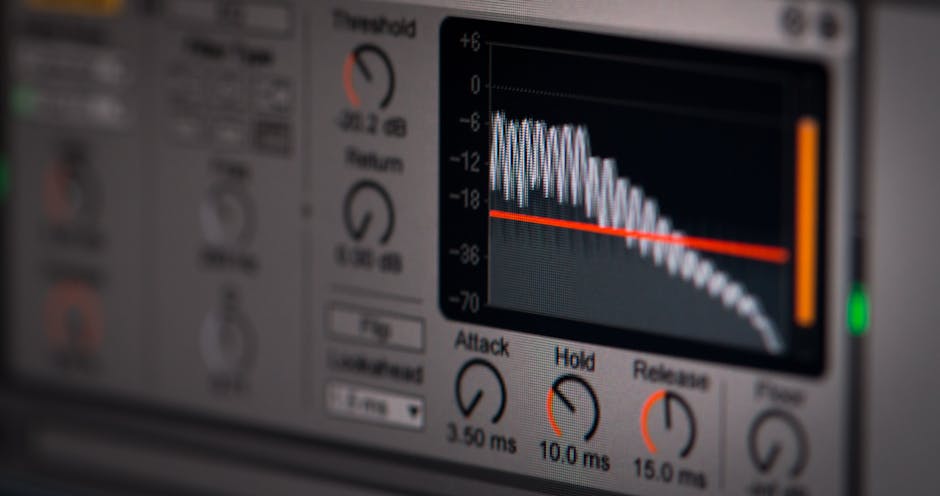
White noise machines operate on a principle known as sound masking, which involves layering consistent audio frequencies to reduce the brain’s sensitivity to sudden or irregular sounds. Rather than eliminating noise entirely, they create a stable auditory environment that makes disruptive sounds less noticeable.
White noise contains all audible frequencies played at equal intensity, creating a steady “hiss” effect. Pink noise reduces higher frequencies for a softer, more natural sound, while brown noise emphasizes deeper frequencies for a rumbling, grounding effect. These variations influence brainwave activity and can help the nervous system transition into calmer states.
From a neurological perspective, sudden changes in sound trigger micro-awakenings—brief interruptions in sleep that the brain may not consciously register but which still reduce sleep quality. By maintaining a consistent auditory background, white noise reduces the likelihood of these disruptions, supporting uninterrupted sleep cycles.
Sound masking is especially beneficial in environments with unpredictable noise patterns, such as apartments, shared housing, or urban neighborhoods. It is also commonly used for individuals who experience light sleep sensitivity or difficulty falling asleep due to overactive mental states.
While sound plays a key role, combining it with other environmental optimizations significantly enhances results. For example, pairing sound masking with soft lighting systems from the Lifestyle collection can reinforce circadian rhythm alignment and relaxation cues.
Sleep Hygiene and Circadian Rhythm Optimization
Sleep hygiene refers to behavioral and environmental habits that regulate the body’s internal clock. The circadian rhythm is influenced heavily by light exposure, temperature changes, and consistent sleep timing. When these signals are misaligned, the body struggles to enter predictable sleep cycles.
Light exposure in the evening plays one of the most significant roles in melatonin suppression. Bright or blue-toned lighting can trick the brain into thinking it is still daytime, delaying sleep onset. Conversely, warm lighting signals relaxation and prepares the nervous system for rest.
Sound consistency also contributes to sleep conditioning. When the brain associates a specific sound environment with sleep—such as a steady white noise pattern—it begins to recognize that cue as a trigger for rest. Over time, this conditioning improves sleep latency, meaning you fall asleep faster and more consistently.
For users building a structured sleep environment, integrating hydration and relaxation tools from the Winter Wellness & Relaxation collection can enhance pre-sleep routines and support nervous system downregulation.
What to Look for in the Best White Noise Machine in 2026
Choosing a white noise machine is not just about volume or sound type. It requires evaluating how well the device integrates into your broader sleep environment. The most effective models support consistency, adaptability, and long-term usability.
Sound Quality and Frequency Range
A high-quality device should offer multiple sound profiles, including white, pink, and brown noise. The transition between frequencies should be smooth without noticeable looping artifacts that could disturb sleep.
Looping vs Non-Looping Audio Systems
Looping audio systems can sometimes introduce subtle pattern recognition by the brain, which reduces masking effectiveness. Non-looping or dynamically generated soundscapes are often more effective for long-term use.
Smart Features and Automation
Modern devices may include scheduling features, adaptive sound levels, and integration with sleep tracking systems. These features help align sound exposure with sleep cycles.
Volume Range and Adaptability
The best machines offer a wide volume range so users can tailor sound intensity based on room size and sensitivity levels.
At this stage of building a sleep sanctuary, many users also introduce physical recovery tools to reduce body tension before bed. One example is the  , which combines heat therapy and multi-zone massage to help release muscle tension that may otherwise interfere with sleep onset.
Room-Specific Recommendations for White Noise Machine Placement
Placement plays a critical role in the effectiveness of sound masking. In small bedrooms or apartments, placing the device near the bed at a low-to-medium volume ensures consistent coverage without overwhelming the senses. In larger rooms, positioning it centrally or closer to noise entry points such as windows can improve performance.
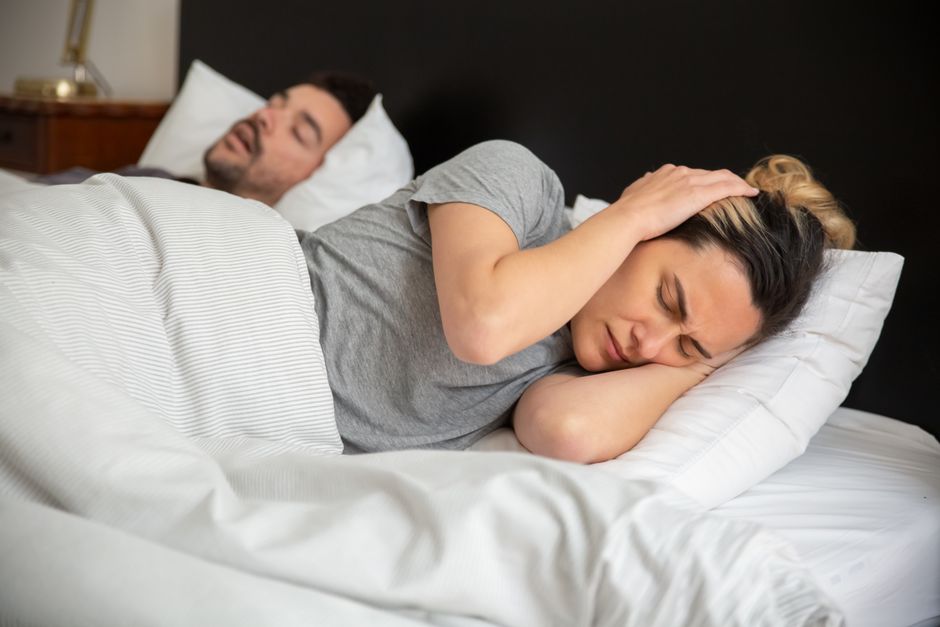
Shared sleeping environments require synchronization between partners. In such cases, consistent low-frequency sounds like brown noise are often preferred because they are less intrusive and more grounding.
Light sleepers benefit from combining sound masking with environmental layering techniques. This includes reducing sharp noise sources, softening lighting transitions, and maintaining stable humidity levels during the night.
To support these adjustments, many users explore ergonomic and comfort-focused categories such as the Foot & Body Comfort collection, which includes relaxation tools designed to reduce physical stress before sleep.
Building a Sleep Sanctuary: White Noise as Part of a Full Bedroom Ecosystem
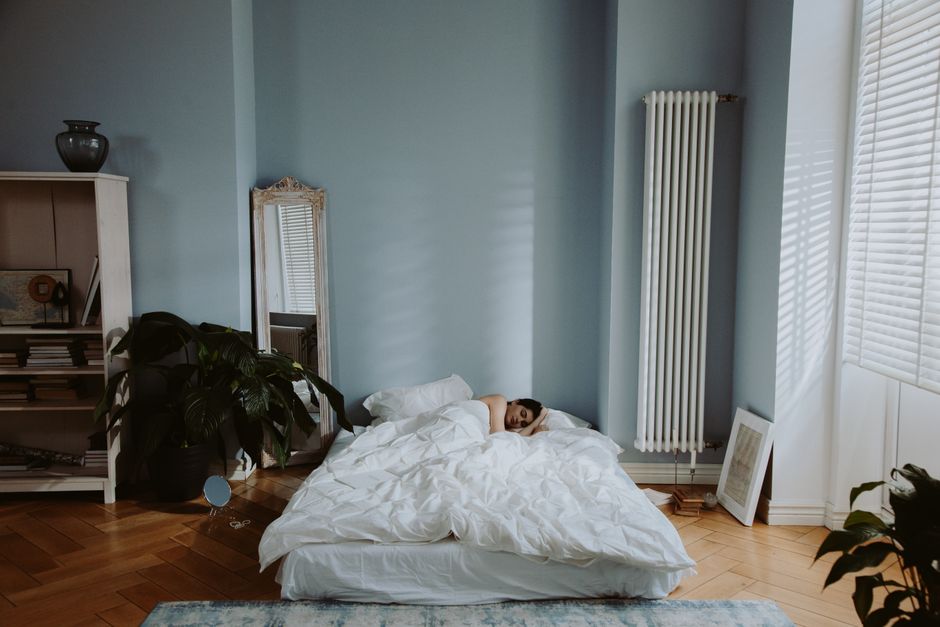
A sleep sanctuary is more than a quiet room. It is a carefully designed environment where multiple systems work together to optimize rest. White noise machines serve as the auditory foundation, but other environmental elements are equally important.
Air quality plays a major role in sleep depth. Dry air can cause throat irritation and nasal discomfort, while poor ventilation can reduce oxygen quality. Integrating a humidification system helps stabilize moisture levels in the air and improve respiratory comfort during sleep.
KentDO Flame Aroma Humidifier is one example of a device designed to support this ecosystem. It combines humidification with aromatherapy and ambient lighting, helping to create a calming environment that reinforces relaxation signals before sleep.
Temperature control is another critical factor. Slightly cooler environments generally support deeper sleep cycles, while overheating can lead to frequent awakenings. Mattress selection and bedding materials also influence thermal comfort.
When combined with sound masking, these elements create a layered sleep environment where each system supports the others, reinforcing the body’s natural recovery processes.
Ambient Bedroom Lighting and Sleep Signal Conditioning

Lighting is one of the most powerful regulators of the circadian rhythm. Warm-toned lighting in the evening helps signal the body that it is time to wind down, while bright blue light can delay melatonin release and increase alertness.
Smart lighting systems allow users to gradually reduce brightness over time, simulating natural sunset patterns. This transition helps prepare the nervous system for sleep by lowering cognitive stimulation.
When combined with sound masking systems, lighting creates a dual-sensory cue that reinforces sleep readiness. The brain begins to associate dim light and consistent sound with rest, improving long-term sleep conditioning.
To explore broader wellness tools that complement sleep lighting setups, visit the Skin and Beauty Care Devices collection, which includes relaxation-focused technologies for at-home wellness routines.
Indoor Air Quality and Sleep Performance

Air quality directly affects sleep efficiency. Allergens, dust, and dry air can cause nasal congestion and disrupt breathing patterns during sleep. Maintaining balanced humidity levels supports smoother airflow and reduces irritation in the respiratory system.
Humidification systems are particularly beneficial in dry climates or during seasonal changes when indoor air becomes harsh. When paired with air purification systems, they help create a stable breathing environment that supports uninterrupted sleep cycles.
These environmental improvements are especially important for individuals with sensitivities or allergies, as they reduce nighttime discomfort and improve overall sleep depth.
Cooling, Temperature, and Deep Sleep Optimization

Temperature regulation is essential for maintaining deep sleep stages. The body naturally lowers its core temperature during sleep, and external heat can disrupt this process. Maintaining a cool and stable environment helps the body remain in restorative sleep phases longer.
Cooling mattress systems, breathable bedding materials, and proper airflow all contribute to temperature stability. Overheating is one of the most common causes of nighttime awakenings, especially in warmer climates or during seasonal heat waves.
When temperature, sound, and air quality are optimized together, sleep becomes significantly more stable and restorative. This multi-layered approach is far more effective than relying on a single device or solution.
Our Testing Methodology: How We Evaluate White Noise Machines

White noise machine performance is evaluated based on several real-world criteria rather than technical specifications alone. These include consistency of sound output, user sleep latency improvements, and long-term comfort.
Acoustic stability is assessed by measuring whether sound output remains consistent across different volumes and durations. Devices that produce irregular fluctuations or looping artifacts are less effective for sleep support.
User experience testing also includes tracking how quickly individuals fall asleep and how often they wake during the night when using sound masking systems. Long-term comfort is essential, as even effective devices must remain non-intrusive for extended use.
Best White Noise Machine Setup Guide for a Sleep Sanctuary

Creating an optimized sleep environment requires structured layering of sensory inputs. The goal is to reduce stimulation while reinforcing relaxation cues.
Step 1 involves optimizing room acoustics by reducing reflective surfaces and placing sound devices strategically. Step 2 integrates lighting, sound, and air quality systems into a unified environment. Step 3 establishes consistent pre-sleep routines that signal the brain to prepare for rest. Step 4 fine-tunes sound levels based on personal sensitivity and environmental conditions.
Over time, these steps condition the brain to associate the environment with sleep, improving both sleep onset and sleep quality.
Common Mistakes When Using White Noise Machines
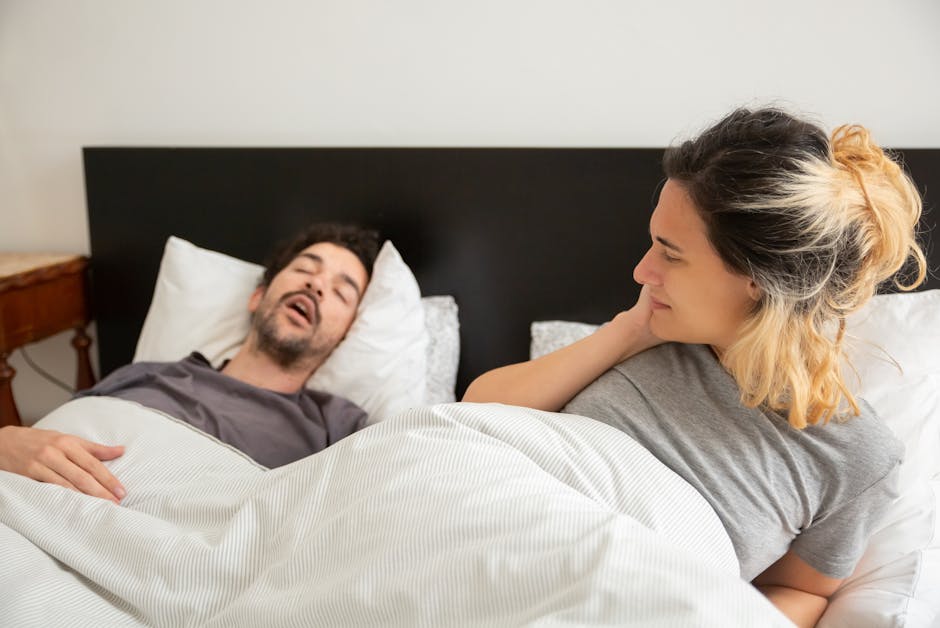
One common mistake is setting volume too high, which can actually increase stress levels rather than reduce them. Another is ignoring room acoustics, which can lead to uneven sound distribution. Finally, relying solely on sound masking without addressing lighting, temperature, or air quality limits overall effectiveness.
True sleep optimization requires a holistic approach that considers all environmental inputs together.
Frequently Asked Questions About White Noise and Sleep Optimization
What is the best white noise machine for sleeping through the night?
The best option is one that offers multiple sound profiles, consistent output, and adjustable volume levels that adapt to different environments.
How do you optimize a bedroom for better sleep quality?
By controlling sound, light, temperature, and air quality while maintaining a consistent bedtime routine.
Do white noise machines help with stress and anxiety at bedtime?
Yes, they reduce environmental unpredictability, which helps calm the nervous system.
What is the best bedroom lighting for relaxation and sleep?
Warm, low-intensity lighting that gradually dims before bedtime is most effective.
Can a humidifier improve sleep in a dry bedroom?
Yes, it helps maintain airway comfort and reduces dryness that can disrupt sleep.
Final Thoughts: Designing a Complete Sleep Ecosystem
White noise machines are powerful tools, but they are most effective when integrated into a complete sleep sanctuary system. By combining sound masking with controlled lighting, stable temperature, optimized air quality, and physical relaxation tools, you create an environment that naturally supports deep, restorative sleep.
Sleep is not a single-action problem—it is an environmental system. When that system is properly aligned, the body can recover more efficiently, stress levels decrease, and overall well-being improves significantly over time.
Pillar Article: How to Build a Home Gym That Supports Fitness, Recovery & Wellness













