Bleeding Gums? How to Prevent Gums From Bleeding Naturally at Home
Seeing blood in the sink after brushing or flossing can feel alarming. Many people assume something is seriously wrong, but in most cases, bleeding gums are an early warning sign that your oral hygiene routine needs adjustment rather than a sign of permanent damage. The good news is that mild gum bleeding is often reversible with consistent care, better brushing technique, and improved daily habits.
This guide explains why gums bleed, what it means for your oral health, and how to stop it naturally at home using evidence-based dental care practices. You’ll also learn how to build a daily routine that protects your gums long-term and when it’s time to see a dentist.
Why Are My Gums Bleeding?
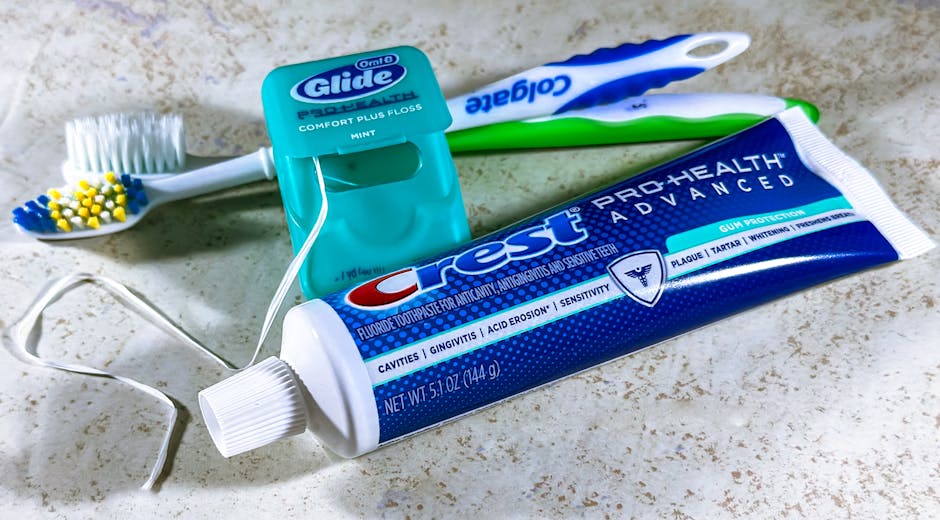
Bleeding gums usually occur when the gum tissue becomes inflamed or irritated. This inflammation is most commonly triggered by plaque buildup along the gumline. When bacteria accumulate, your body responds with inflammation, making gums more sensitive and prone to bleeding during brushing or flossing.
The Most Common Causes of Bleeding Gums
- Gingivitis: Early-stage gum disease caused by plaque buildup
- Poor brushing technique: Brushing too hard or using a hard-bristle toothbrush
- Infrequent flossing: Allows plaque between teeth to harden into tartar
- Hormonal changes: Pregnancy or puberty can increase gum sensitivity
- Vitamin deficiencies: Especially vitamin C and vitamin K
- Smoking: Reduces gum healing ability
- Medications: Blood thinners can increase bleeding risk
Is It Normal for Gums to Bleed When Brushing or Flossing?
Occasional minor bleeding can happen if you’ve recently started flossing or improved your cleaning routine. However, consistent bleeding is not normal and usually indicates inflammation or early gum disease. Healthy gums should not bleed during daily oral care.
Early Warning Signs You Should Not Ignore
- Red or swollen gums
- Persistent bad breath
- Gum tenderness or sensitivity
- Receding gumline
- Bleeding that continues for more than a week
What Bleeding Gums Usually Mean for Your Oral Health
Bleeding gums are often the first visible stage of gum disease progression. Understanding what is happening beneath the surface helps prevent more serious conditions like periodontitis.
How Gingivitis Develops
Gingivitis begins when plaque builds up along the gumline. Bacteria release toxins that irritate gum tissue, causing swelling and bleeding. At this stage, damage is still reversible with proper oral care.
When Gingivitis Turns Into Periodontitis
If untreated, gingivitis can progress into periodontitis, a more advanced form of gum disease where the supporting bone structure begins to break down. This can eventually lead to tooth mobility or loss.
How Plaque and Tartar Damage the Gumline
When plaque is not removed daily, it hardens into tartar. Tartar cannot be removed by brushing alone and creates a rough surface where bacteria thrive, worsening inflammation over time.
| Condition | Reversible | Main Cause |
| Gingivitis | Yes | Plaque buildup |
| Early Periodontitis | Partially | Untreated inflammation |
| Advanced Periodontitis | No (requires treatment) | Bone loss and deep infection |
How to Stop Bleeding Gums Naturally at Home
Most cases of bleeding gums improve within 7–14 days when proper oral hygiene techniques are applied consistently. The goal is not to brush harder, but to clean smarter and more gently.
Use a Soft-Bristle Toothbrush Instead of Brushing Harder
One of the biggest mistakes people make is increasing brushing force when they see bleeding. This actually worsens gum irritation. A soft-bristle brush combined with gentle circular motions is far more effective.
Improve Your Brushing Technique Step by Step
- Hold your toothbrush at a 45-degree angle toward the gumline
- Use small circular motions instead of aggressive scrubbing
- Brush for at least 2 minutes twice daily
- Focus on gumline edges where plaque builds up most
Floss Daily Without Damaging Your Gums
Flossing removes plaque between teeth where brushing cannot reach. If flossing causes bleeding initially, it usually means inflammation is already present. With daily use, bleeding should reduce significantly within days.
Rinse With Antibacterial Mouthwash Carefully
Alcohol-free antibacterial rinses can help reduce bacteria levels in the mouth and support gum healing. Overuse should be avoided to prevent dryness or irritation.
Eat Foods That Support Gum Healing
- Vitamin C-rich foods like oranges and strawberries
- Leafy greens for vitamin K
- Crunchy vegetables that naturally clean teeth
- Plenty of water to support saliva production
Portable Deep Cleaning Support for Gum Health
For people who struggle with plaque buildup or want a deeper clean between teeth, using an oral irrigator can significantly improve gum health by flushing out debris that brushing misses.

KentDO™ 300ML Oral Irrigator uses high-pressure water pulses to remove debris and bacteria from hard-to-reach areas. This can help reduce gum inflammation and support healthier gums when used consistently alongside brushing and flossing.
Explore oral care devices collection for more advanced cleaning tools that support gum health.
The Best Daily Routine to Prevent Gum Bleeding

A consistent daily routine is the most effective long-term solution for preventing gum bleeding. The key is balance: gentle cleaning, regular flossing, and supportive oral care habits.
Morning Gum Care Routine
- Brush gently for 2 minutes using soft bristles
- Clean tongue to reduce bacteria buildup
- Use mouthwash if needed
- Hydrate to stimulate saliva production
Nighttime Oral Hygiene Routine
Night care is the most important step because saliva production decreases during sleep, allowing bacteria to grow more easily.
- Brush thoroughly before bed
- Floss to remove trapped food particles
- Use water-based cleaning for deep gumline care
Daily Deep Cleaning Support Device

KentDO™ Portable Water Flosser helps remove plaque between teeth and along the gumline using gentle water pressure. It is especially useful for beginners or people with sensitive gums who find traditional flossing difficult.
It fits well into routines supported by the oral care devices collection and can significantly improve daily gum hygiene consistency.
Weekly Habits That Improve Gum Health
- Replace toothbrush every 2–3 months
- Monitor gum sensitivity changes
- Increase hydration and reduce sugary snacks
Comparison: Flossing Methods for Gum Health
| Method | Effectiveness | Comfort Level | Best For |
| Traditional Floss | High | Moderate | Precise cleaning |
| Water Flosser | Very High | High | Sensitive gums |
| Interdental Brushes | High | Moderate | Gaps between teeth |
Best Products for Sensitive and Bleeding Gums

Choosing the right oral care tools can make a significant difference in reducing gum irritation and improving long-term oral health. The goal is gentle but effective cleaning rather than aggressive scrubbing.
Best Toothbrush Support for Gum Protection
Soft-bristle manual brushes are suitable for most beginners, but electric brushing systems can improve consistency and reduce pressure mistakes.
For deeper cleaning support and gum-friendly technology, modern oral irrigators provide an additional layer of protection by flushing out debris that brushing alone cannot reach.
Water-Based Gum Cleaning Support
KentDO™ Oral Irrigator provides targeted cleaning for gum pockets and tight spaces between teeth. Its multiple pressure modes allow users to adjust intensity based on gum sensitivity.
This type of tool is commonly recommended in modern oral hygiene routines supported by the oral care blog for improving gum health naturally over time.
Comparison Matrix: Gum Care Methods
| Method | Ease of Use | Effectiveness | Gum Sensitivity Friendly |
| Manual Brushing | High | Medium | Medium |
| Electric Toothbrush | Very High | High | High |
| Water Flosser | Very High | Very High | Very High |
“Most cases of early gum inflammation can be reversed within two weeks if patients improve daily plaque control and adopt gentle cleaning habits.” — General Dental Hygiene Expert Insight
Mistakes That Make Bleeding Gums Worse
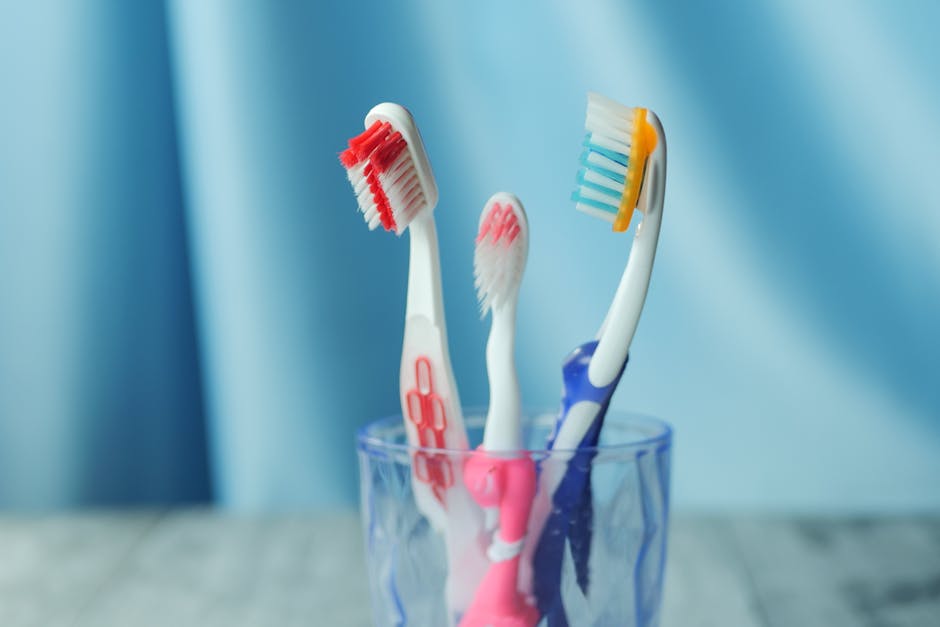
- Brushing too hard: Causes gum abrasion instead of cleaning
- Skipping flossing: Allows bacteria to accumulate between teeth
- Ignoring early symptoms: Leads to more serious gum disease progression
- Using harsh products: Abrasive toothpaste can worsen sensitivity
When Should You See a Dentist for Bleeding Gums?

If gum bleeding persists beyond 10–14 days despite improved hygiene, professional evaluation is recommended. Early treatment prevents long-term complications.
Signs You Need Professional Care
- Persistent bleeding or swelling
- Loose teeth or gum recession
- Severe pain or pus formation
- Chronic bad breath despite cleaning
What a Dentist May Recommend
Professional cleaning, scaling, root planing, or medicated rinses may be prescribed depending on severity. These treatments remove deep plaque and tartar that home care cannot reach.
Dentist-Approved Prevention Tips for Long-Term Gum Health
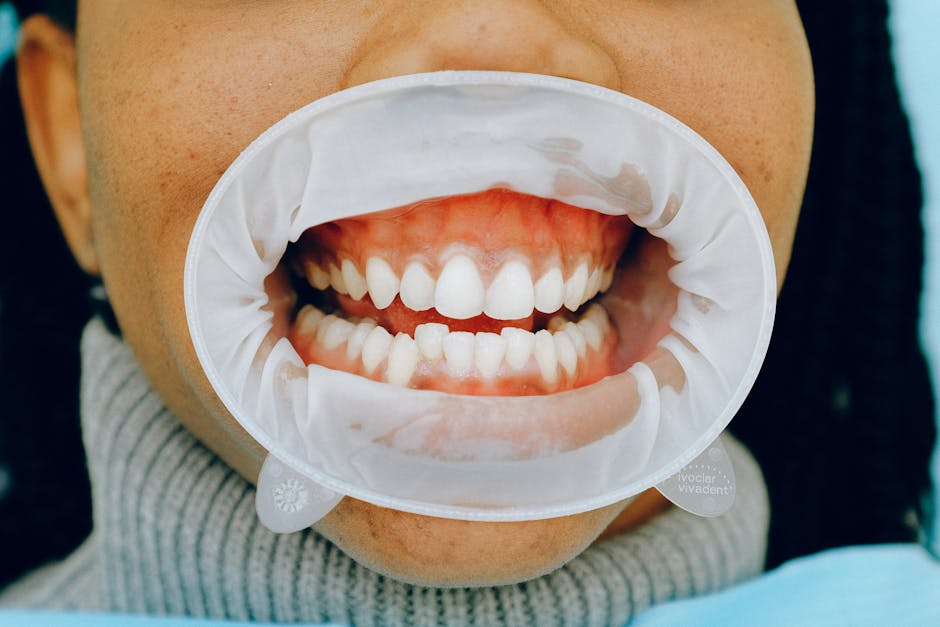
Long-term gum health depends on consistency rather than intensity. Small daily habits are more effective than occasional aggressive cleaning.
- Brush twice daily with gentle technique
- Floss or irrigate daily
- Maintain hydration and balanced nutrition
- Reduce sugar intake and smoking exposure
For more guidance, explore the beauty & self-care blog or browse the wellness & relaxation collection for supportive lifestyle tools.
FAQ
Why do my gums bleed when I brush my teeth?
Usually due to plaque buildup and gum inflammation (gingivitis).
How long does it take for bleeding gums to heal?
Most mild cases improve within 7–14 days with proper care.
Can a water flosser help bleeding gums?
Yes, it helps remove debris and reduce inflammation between teeth.
Is bleeding after flossing normal?
It can be initially, but should improve with consistent daily flossing.
When should I see a dentist?
If bleeding persists beyond two weeks or worsens over time.
Final Thoughts on Preventing Gum Bleeding
Bleeding gums are often a reversible early warning sign rather than a permanent condition. With consistent gentle brushing, daily cleaning between teeth, and supportive oral care tools, most people see significant improvement within a short period. The key is not to overreact with harsh brushing, but to build a sustainable routine that protects your gums every day.
Explore oral care devices to support your long-term gum health routine and maintain a cleaner, healthier smile.
Pillar Article: Oral Hygiene Routines: Beginner-to-Pro Daily Dental Guide