

Cold Therapy for Muscle Recovery: The Complete Science-Backed Guide
After an intense workout, it’s common to feel stiffness, tightness, and that deep muscle ache known as DOMS (Delayed Onset Muscle Soreness). For some people, it peaks 24–72 hours later and can make even simple movements feel heavy. This is where cold therapy enters the conversation—not as a trend, but as a recovery strategy widely used by athletes, trainers, and sports rehabilitation experts.
From ice baths and cryotherapy chambers to cold packs and localized cooling tools, cold therapy has become a cornerstone of modern muscle recovery systems. But understanding when it works, how it works, and how to use it safely is what separates effective recovery from overuse or misunderstanding.
This guide breaks down cold therapy from a sports science perspective and translates it into practical steps you can actually apply at home, whether you're a beginner training a few times a week or an advanced athlete managing high training loads. You’ll also learn how to combine cold therapy with hydration, sleep, compression, and mobility work for a complete recovery system.
For broader recovery strategies, you can explore our Body Care and Health Devices collection or discover supportive tools in the Wellness & Relaxation collection.
What Is Cold Therapy for Muscle Recovery?
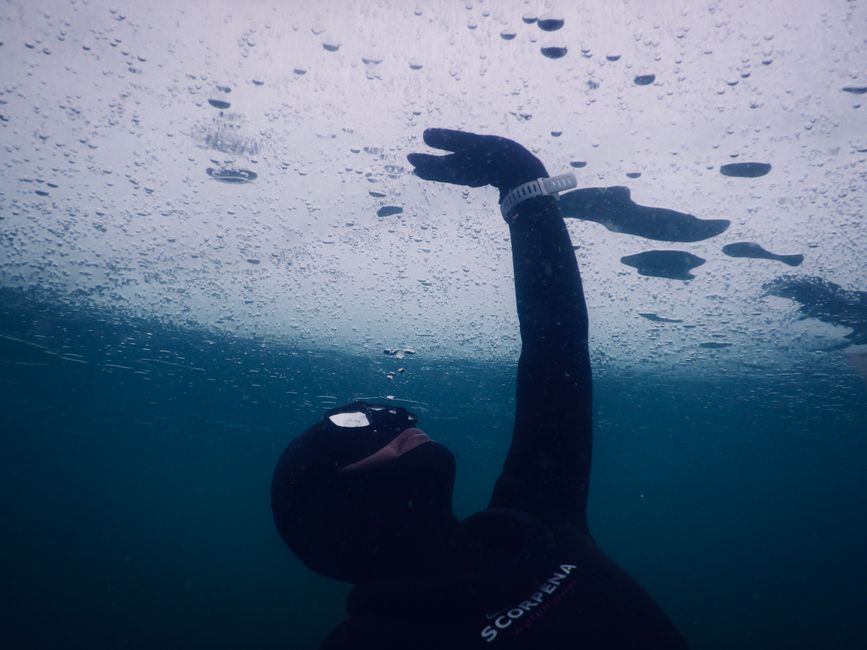
Cold therapy refers to the controlled application of low temperatures to the body to reduce pain, inflammation, and muscle soreness. It is commonly used after exercise, injury, or intense physical activity to help accelerate perceived recovery.
At its core, cold therapy works by lowering tissue temperature, which temporarily slows metabolic activity and reduces blood flow to the affected area. This process helps limit inflammation and numbs nerve endings, reducing pain perception.
Cold Therapy, Ice Baths, and Cryotherapy Explained
- Ice Baths: Full-body immersion in cold water (typically 10–15°C)
- Cryotherapy: Exposure to extremely cold air in a controlled chamber (-110°C to -140°C)
- Localized Cold Therapy: Ice packs, rollers, or cold compresses applied to specific muscles
Each method targets recovery differently. Ice baths influence systemic recovery, cryotherapy offers short high-intensity exposure, and localized tools provide targeted relief for specific muscle groups.
For additional recovery support tools, you may explore the Cold & Flu Relief collection and Foot & Body Comfort collection.
How Cold Therapy Works in the Body (Science Explained)

Cold therapy affects multiple physiological systems at once, including circulation, nerve response, and inflammation pathways. The overall result is a temporary reduction in muscle soreness and perceived fatigue.
Inflammation, Muscle Damage, and Recovery Response
During exercise, especially resistance training or high-intensity cardio, microscopic muscle damage occurs. This triggers inflammation, which is a natural healing response. However, excessive inflammation can contribute to soreness and stiffness.
Cold exposure helps regulate this response by constricting blood vessels (vasoconstriction), slowing metabolic activity, and reducing the buildup of inflammatory markers in muscle tissue.
How Cold Exposure Affects Blood Flow and Nerve Sensitivity
When cold is applied, blood vessels narrow, reducing local circulation. Once the body warms again, blood flow returns, potentially aiding nutrient delivery and waste removal.
Cold also decreases nerve conduction velocity, which temporarily reduces pain sensation. This is why ice baths often create an immediate feeling of relief even if underlying muscle recovery is still ongoing.
Benefits of Cold Therapy for Muscle Recovery
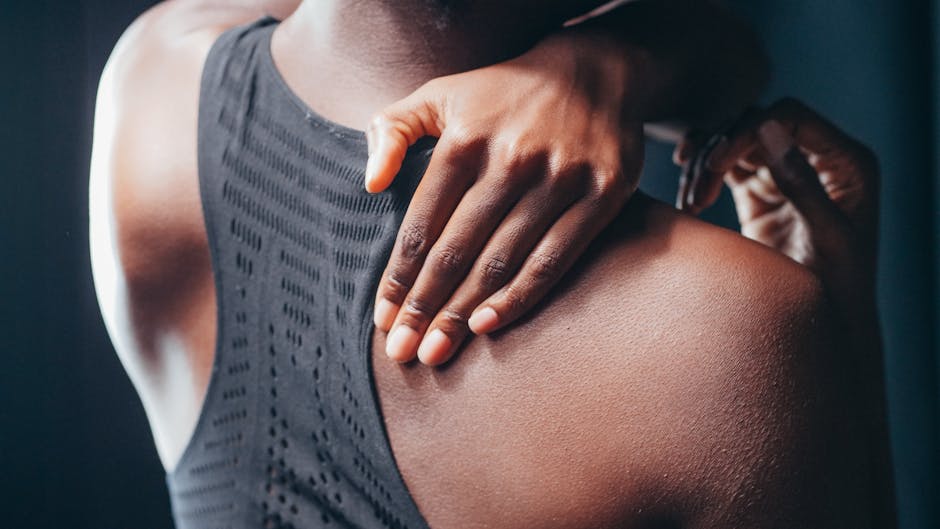
- Reduced DOMS: Helps decrease post-exercise soreness intensity
- Lower perceived fatigue: Athletes often feel more “refreshed” after exposure
- Improved recovery perception: Psychological recovery can improve performance consistency
- Swelling control: Useful after intense or eccentric training sessions
While cold therapy does not “repair” muscles directly, it influences how the body perceives and responds to recovery stress. That distinction is important for setting realistic expectations.
Cold therapy is best understood as a recovery modulation tool—it doesn’t accelerate muscle repair directly, but it helps manage inflammation and perceived soreness, which can improve training consistency over time.
Cold Therapy vs Cryotherapy vs Ice Baths vs Contrast Therapy
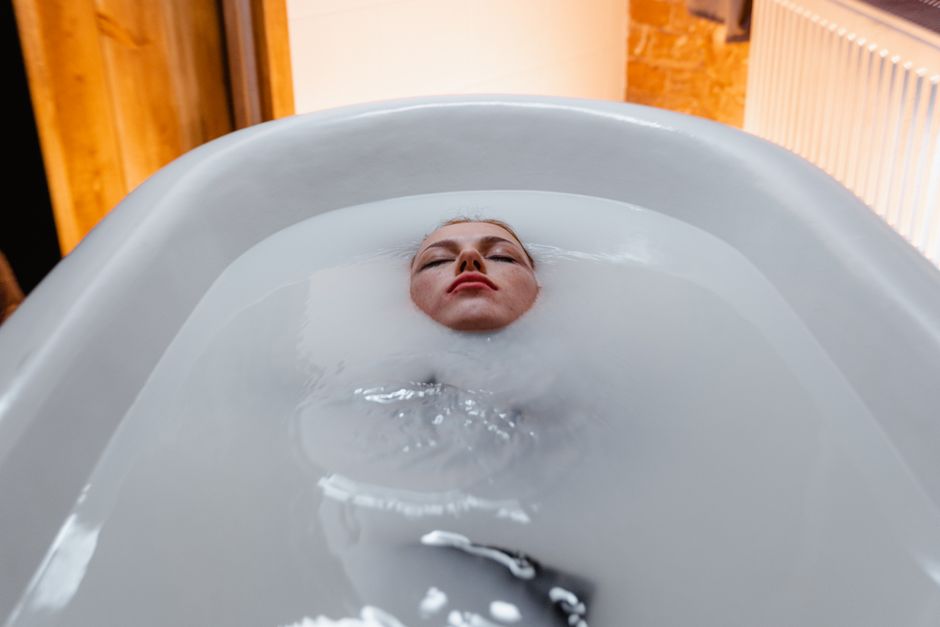
Different cold exposure methods offer different benefits depending on timing, accessibility, and training intensity.
| Method | Temperature Range | Duration | Best Use Case |
| Ice Baths | 10–15°C | 5–15 min | Full-body recovery |
| Cryotherapy | -110°C to -140°C | 2–4 min | Rapid recovery sessions |
| Cold Packs | 0–10°C | 10–20 min | Localized pain relief |
| Contrast Therapy | Cold + Warm cycles | 15–30 min | Circulation stimulation |
For most beginners, ice baths or localized cold tools are the most accessible and practical starting points.
Learn more about structured recovery tools in our Lifestyle collection and Winter Skincare & Hydration collection.
When Should You Use Cold Therapy After a Workout?

Timing matters significantly. Cold therapy is most effective when applied strategically rather than immediately after every workout.
Post-Workout Timing Windows
Using cold therapy within the first 0–6 hours post-exercise may reduce inflammation, but it can also interfere with muscle adaptation in strength training contexts. Waiting 6–24 hours is often recommended for hypertrophy-focused training.
How Long Should You Stay in an Ice Bath? (Beginner to Advanced Plan)

Ice bath duration should always be approached progressively. Longer is not always better, especially for beginners.
Beginner protocols typically start at 5–8 minutes at moderate cold exposure (10–15°C), gradually increasing to 10–15 minutes as tolerance improves.
Beginner Ice Bath Protocol (Safe Starting Point)
- Water temperature: 12–15°C
- Duration: 5–8 minutes
- Frequency: 1–2 times per week
- Focus: Lower body immersion first if needed
As your body adapts, you may extend duration slightly, but exceeding 15 minutes is generally unnecessary for recovery purposes.
For home recovery setups, explore the Warmth & Heat Therapy collection to complement cold exposure routines.
Recommended recovery tool example:

KentDO™ Ice Massage Roller Ball – 6-Hour Cold Pain Relief is a localized cold therapy tool designed for targeted muscle recovery and inflammation relief.
- Helps reduce muscle soreness and swelling
- Provides up to 6 hours of cooling effect
- Supports trigger point release and mobility
This type of tool is especially useful when full ice baths are not practical.
Intermediate and Advanced Progression
- Duration: 10–15 minutes
- Temperature: 8–12°C
- Frequency: 2–4 times per week
- Goal: Faster perceived recovery between training sessions
Safety Guidelines and Risks of Cold Therapy

Cold therapy is generally safe when used correctly, but overuse or improper exposure can cause issues such as numbness, skin irritation, or excessive vasoconstriction.
When Cold Therapy Can Be Harmful
- Immediately after hypertrophy-focused strength training (may reduce adaptation)
- In individuals with cardiovascular conditions (consult medical guidance)
- When exposure is too long or too cold
Recovery should enhance training, not replace adaptation signals your body needs to grow stronger.
Cold Therapy vs Heat Therapy: Which Should You Use?

Cold therapy is best for reducing inflammation and acute soreness, while heat therapy supports blood flow and muscle relaxation.
| Condition | Cold Therapy | Heat Therapy |
| Post-intense workout | Best | Not ideal immediately |
| Stiff muscles | Moderate | Best |
| Chronic tightness | Limited | Best |
Both methods can be integrated into a balanced recovery system depending on timing and training goals.
Beginner Cold Therapy Routine (Step-by-Step Workflow)

A structured routine helps beginners avoid overuse and maximize recovery benefits without unnecessary discomfort.
At-Home Ice Bath Setup
- Fill tub with cold water and ice (target 10–15°C)
- Prepare towel and warm clothing for after
- Set timer for 5–8 minutes
For recovery optimization, many athletes combine cold exposure with tools from the Body Care and Health Devices collection.
Supportive recovery system example:

Air Compression Leg Massager for Muscle Recovery & Circulation supports post-workout recovery through air pressure therapy that helps improve circulation and reduce leg fatigue.
- Enhances blood flow after training
- Helps reduce swelling and stiffness
- Supports passive recovery while resting
Post-Session Recovery Workflow
- Rewarm gradually after cold exposure
- Hydrate with electrolytes
- Perform light mobility or stretching
- Rest or sleep for full recovery integration
Explore more recovery systems in our Foot & Body Comfort collection and Cold & Flu Relief collection.
Hydration, Electrolyte Balance, and Recovery Optimization

Cold therapy works best when combined with proper hydration and electrolyte balance. Dehydration can increase muscle fatigue and slow recovery regardless of cold exposure benefits.
Why Hydration Matters for Muscle Recovery
Water supports nutrient transport, temperature regulation, and metabolic waste removal. Without adequate hydration, recovery systems become less efficient.
Foam Rolling, Compression, and Wearable Recovery Tools

Cold therapy is most effective when integrated with other recovery modalities such as foam rolling, compression therapy, and neuromuscular stimulation.
How Cold Therapy Combines With Other Recovery Methods
Using multiple recovery tools creates a layered system: cold therapy reduces soreness perception, compression improves circulation, and mobility work restores function.
Full Athlete Recovery Routine (Cold Therapy Integrated Plan)

A structured 24-hour recovery cycle can significantly improve training consistency.
- 0–2 hours: Hydration and light movement
- 2–6 hours: Cold therapy session if needed
- 6–12 hours: Compression or massage tools
- 12–24 hours: Sleep optimization and nutrition focus
Explore more structured tools in the Lifestyle collection.
Common Mistakes in Cold Therapy Recovery

- Using cold therapy immediately after every workout
- Overexposure beyond 15–20 minutes
- Ignoring hydration and nutrition
- Replacing sleep and rest with recovery tools
FAQ: Cold Therapy for Muscle Recovery
What is cold therapy for muscle recovery and how does it work?
Cold therapy uses low temperatures to reduce inflammation, slow nerve activity, and decrease muscle soreness perception.
How long should beginners stay in an ice bath for recovery?
Beginners should start with 5–8 minutes at moderate temperatures (10–15°C) and gradually increase based on tolerance.
What are the benefits of cryotherapy for muscle soreness?
Cryotherapy may help reduce perceived soreness, improve recovery perception, and support short-term performance readiness.
Should you use cold therapy or heat therapy after workouts?
Cold therapy is best for acute inflammation and post-intense workouts, while heat therapy is better for stiffness and chronic tightness.
How often should you use cold therapy for optimal muscle recovery?
2–4 times per week is generally sufficient for most active individuals, depending on training intensity.
Final Recovery Integration Strategy

Cold therapy is most effective when treated as part of a larger recovery system rather than a standalone solution. When combined with hydration, sleep, mobility work, compression, and smart training load management, it becomes a powerful tool for improving recovery consistency and reducing perceived fatigue.
For a complete recovery setup, explore the Wellness & Relaxation collection and integrate supportive tools that match your training lifestyle and recovery needs.
Pillar Article: Muscle Recovery Tools: The Complete System for Faster Recovery & Less Soreness













