

Muscle Recovery Tools: The Complete Guide to Building a Faster Recovery System
Training harder is no longer the problem for most active people. The real limitation is what happens after the workout ends. Muscle fatigue, delayed onset soreness, tight fascia, and accumulated nervous system stress can quietly slow progress, increase injury risk, and create long recovery gaps that break consistency.
This is where muscle recovery tools become essential—not as isolated gadgets, but as part of a structured recovery system. When used correctly, tools like foam rollers, massage devices, compression systems, and electrical stimulation units work together to support circulation, reduce muscle stiffness, and accelerate tissue repair.
The key shift is understanding that recovery is not a single action. It is a physiological process that requires timing, sequencing, and the right combination of interventions based on your training load and soreness type.
Why Muscle Recovery Is a Performance System (Not Just Products)

Muscle recovery is not a passive waiting period. It is an active biological process involving inflammation control, protein synthesis, neuromuscular repair, and metabolic waste clearance. When training intensity increases, so does micro-tearing in muscle fibers and stress on connective tissue.
The biology of recovery: muscle damage, repair, and adaptation
After resistance or endurance training, microscopic damage occurs in muscle fibers. This triggers an inflammatory response, which is necessary for adaptation but can also create soreness and stiffness. Satellite cells activate to repair fibers, while blood flow delivers nutrients and oxygen to rebuild tissue.
If recovery is supported correctly, the repaired muscle becomes stronger and more efficient. If it is not, fatigue accumulates and performance plateaus.
Why isolated recovery tools underperform without stacking
Using a single recovery tool in isolation often produces limited results because different tools target different physiological systems. Foam rolling improves fascia mobility, compression enhances venous return, and electrical stimulation supports neuromuscular recovery.
A stacked recovery approach—combining multiple methods—creates a more complete recovery environment that addresses circulation, tissue stiffness, and nervous system fatigue simultaneously.
For example, athletes often combine recovery methods from structured collections like the Body Care and Health Devices collection and the Wellness & Relaxation collection to build layered recovery routines.
The Science Behind Muscle Recovery (DOMS, Fascia, and Fatigue)
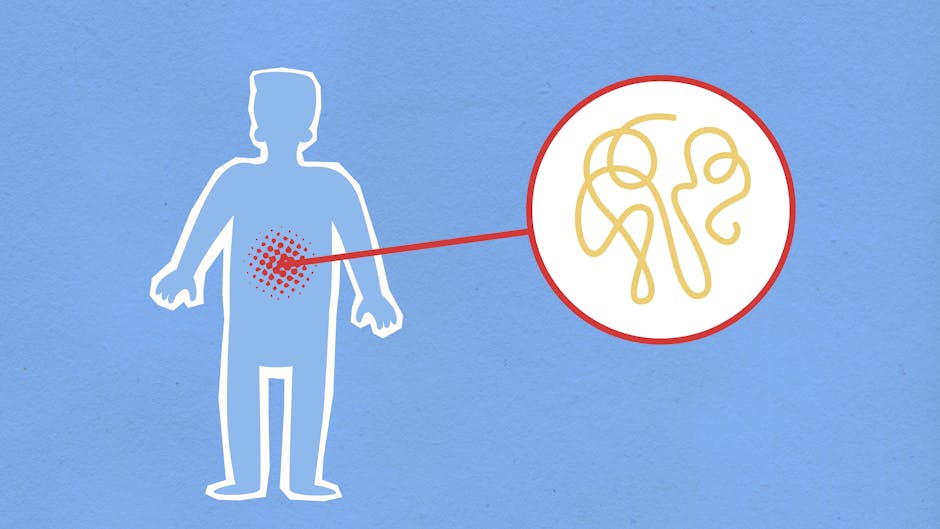
Delayed onset muscle soreness (DOMS), fascial tightness, and systemic fatigue are three distinct but overlapping recovery challenges. Understanding the difference between them is essential for choosing the right recovery strategy.
What is delayed onset muscle soreness (DOMS)?
DOMS typically appears 12–48 hours after unfamiliar or high-intensity exercise. It is associated with micro-tears in muscle fibers and localized inflammation. This soreness is not an injury, but a normal adaptation process.
Role of fascia and myofascial release in mobility and pain relief
Fascia is a connective tissue network surrounding muscles, organs, and joints. When it becomes tight due to training stress or inactivity, it restricts movement and increases stiffness. Myofascial release techniques aim to restore glide and elasticity within this system.
This is where tools like foam rollers become especially effective in improving range of motion and reducing perceived soreness.
Muscle Soreness Classification Framework (The Recovery Decision Model)
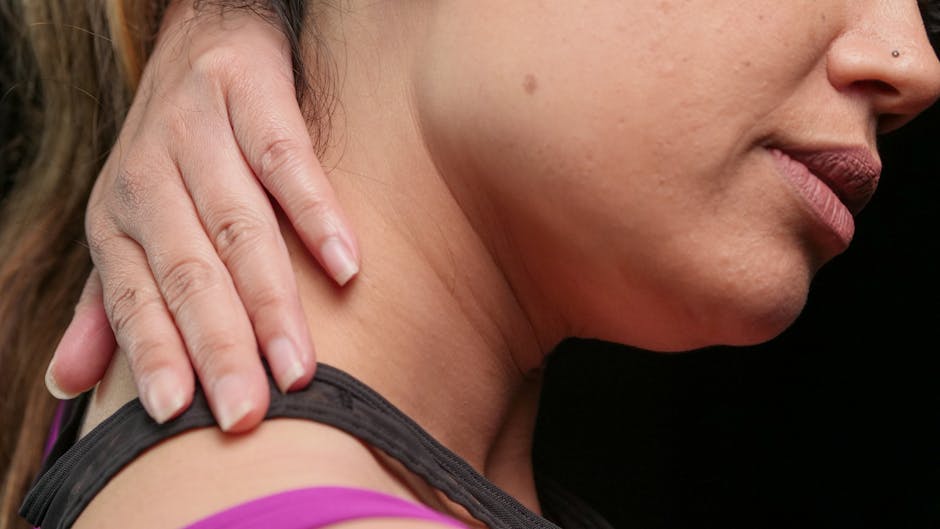
Not all soreness is the same, and treating every type of fatigue with the same recovery method leads to inefficient recovery cycles. A structured classification system helps match recovery tools to the actual physiological state of the body.
Acute inflammation vs DOMS vs chronic fatigue accumulation
- Acute inflammation: Occurs immediately after training or minor strain; requires gentle circulation and rest.
- DOMS: Peaks 24–72 hours post-exercise; benefits from moderate movement, fascia release, and light stimulation.
- Chronic fatigue: Builds over weeks of training overload; requires systemic recovery including sleep, nutrition, and neuromuscular reset.
How to self-diagnose your recovery state in under 2 minutes
A simple method is to assess three signals: movement stiffness, pain location, and energy levels. If stiffness is widespread and symmetrical, it is likely DOMS. If localized sharp pain exists, it may be acute strain. If energy is consistently low, systemic fatigue is likely present.
“Recovery effectiveness depends more on correct diagnosis of fatigue type than on tool selection itself.” — Sports Recovery Specialist
Complete Muscle Recovery Tools Ecosystem

Muscle recovery tools can be grouped into five major categories, each targeting a different part of the recovery process.
Foam roller and myofascial release tools
Foam rolling applies controlled pressure to soft tissue, helping reduce adhesions, improve blood flow, and increase mobility. It is most effective when used after workouts or during active recovery days.
A structured option like the foam massage roller is commonly used to support full-body mobility routines and post-leg-day recovery sessions.
Massage guns and percussion therapy devices
Percussion therapy delivers rapid mechanical pulses into muscle tissue, improving circulation and temporarily reducing stiffness. It is often used before workouts to activate muscles or after workouts for soreness relief.
Compression therapy systems
Compression tools apply rhythmic or static pressure to limbs, helping move metabolic waste products through the lymphatic system and improving venous return. These systems are particularly useful after endurance training or long periods of inactivity.
Cold therapy vs heat therapy systems
Cold therapy reduces inflammation and numbs acute soreness, while heat therapy improves circulation and relaxes tight muscles. Choosing between them depends on whether the goal is inflammation control or mobility restoration.
Electrical muscle stimulation (EMS) devices
EMS devices stimulate muscle contractions using electrical impulses. This supports neuromuscular activation, improves blood flow, and can help maintain muscle engagement during low-activity recovery periods.
An advanced option such as the electric muscle stimulator integrates multiple therapeutic modes, including TENS and EMS, to support both pain relief and recovery performance.
How to Match Recovery Tools to Your Soreness Type (Decision Tree Framework)
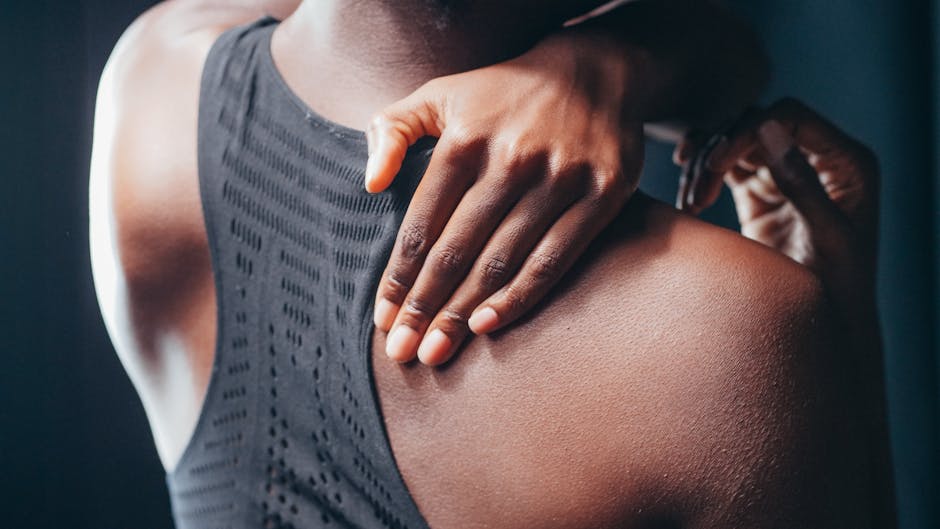
Matching recovery tools to the correct soreness type is the most efficient way to accelerate recovery and avoid overuse of ineffective methods. The decision framework below simplifies the process.
Post-strength training soreness protocol
After resistance training, muscles typically experience localized DOMS. The ideal recovery stack includes foam rolling, light movement, hydration, and optional EMS stimulation for circulation support.
Endurance training fatigue recovery protocol
Long-duration cardio creates systemic fatigue and lower limb inflammation. Compression tools, gentle stretching, and cold therapy are most effective in this scenario.
Injury-risk or high inflammation protocol
When inflammation is high, recovery should prioritize rest, cold therapy, and minimal mechanical pressure. Aggressive foam rolling or deep percussion therapy should be avoided in early stages.
5–15 Minute Evidence-Based Recovery Protocols
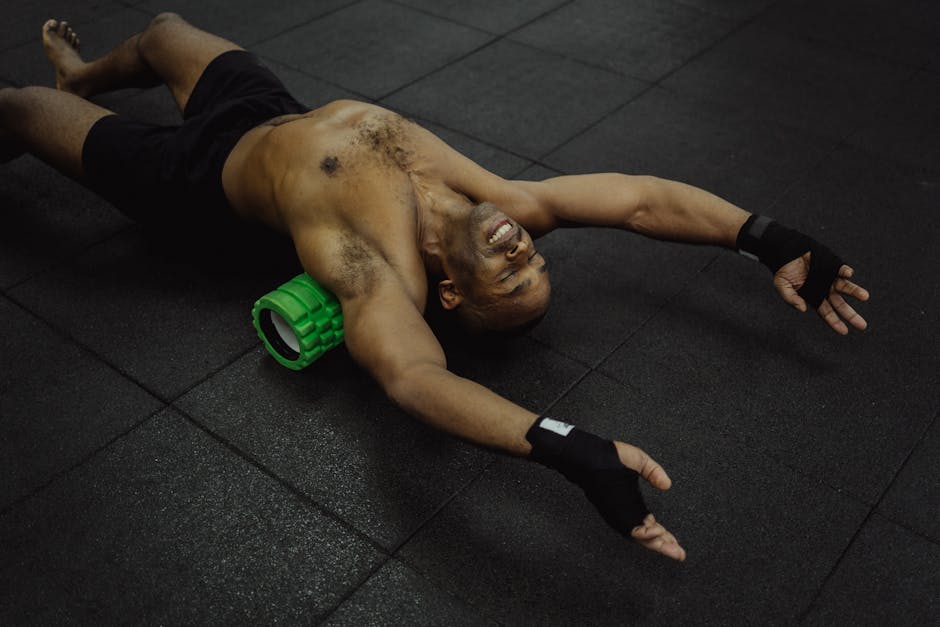
Short, structured recovery sessions are more effective than inconsistent long routines. The goal is to stimulate circulation, reduce stiffness, and reset neuromuscular activity without causing additional stress.
Pre-training activation recovery flow
A brief mobility routine including light foam rolling, dynamic stretching, and low-intensity activation prepares muscles for load and reduces injury risk.
Post-workout DOMS reduction protocol
Immediately after training, 5–10 minutes of foam rolling combined with hydration and light walking improves circulation and reduces stiffness onset.
Tools from the Foot & Body Comfort collection can enhance post-workout relaxation routines, especially for lower body fatigue.
Evening recovery and sleep optimization routine
Evening recovery focuses on parasympathetic nervous system activation. Light stretching, compression use, and reduced screen exposure improve sleep quality and muscle repair efficiency.
Deep Dive: Foam Rolling and Myofascial Release
Foam rolling is one of the most widely used muscle recovery methods due to its simplicity and effectiveness. It targets fascial restrictions and helps restore normal movement patterns after intense exercise.
How myofascial release improves range of motion
By applying sustained pressure to tight muscle groups, foam rolling improves tissue elasticity and reduces neural sensitivity, which increases range of motion temporarily and supports mobility training.
Common foam rolling mistakes that reduce effectiveness
- Rolling too quickly without sustained pressure
- Focusing only on painful areas instead of surrounding tissue
- Overusing foam rolling as a replacement for mobility training
For structured recovery sessions, the foam massage roller is often integrated into warm-up and cooldown routines to maintain consistency across training cycles.
Massage Guns and Percussion Therapy Explained

Percussion therapy devices have become widely used for athletic recovery due to their ability to deliver rapid deep-tissue stimulation. However, they must be used correctly to avoid overstimulation.
How percussion therapy affects muscle tissue and blood flow
Rapid mechanical pulses increase local blood circulation, reduce muscle tone temporarily, and stimulate sensory receptors that reduce perceived soreness. This makes them effective for short recovery windows.
When NOT to use massage guns
Percussion devices should be avoided on acute injuries, inflamed joints, or areas with sharp pain. Overuse can increase irritation rather than reduce it.
Compression, Cold, and Heat Therapy in Recovery Optimization

Temperature and pressure-based therapies play a critical role in regulating inflammation and circulation during recovery cycles.
When to use cold therapy vs heat therapy
Cold therapy is most effective immediately after high-intensity exercise or injury risk situations. Heat therapy is better for chronic stiffness, mobility restriction, and pre-workout preparation.
How compression therapy accelerates recovery cycles
Compression improves venous return and lymphatic drainage, helping reduce swelling and accelerate metabolic waste removal from muscles after prolonged activity.
Many athletes integrate compression tools from the Warmth & Heat Therapy collection and the Winter Wellness & Relaxation collection to build structured recovery environments at home.
Electrical Muscle Stimulation (EMS) for Advanced Recovery
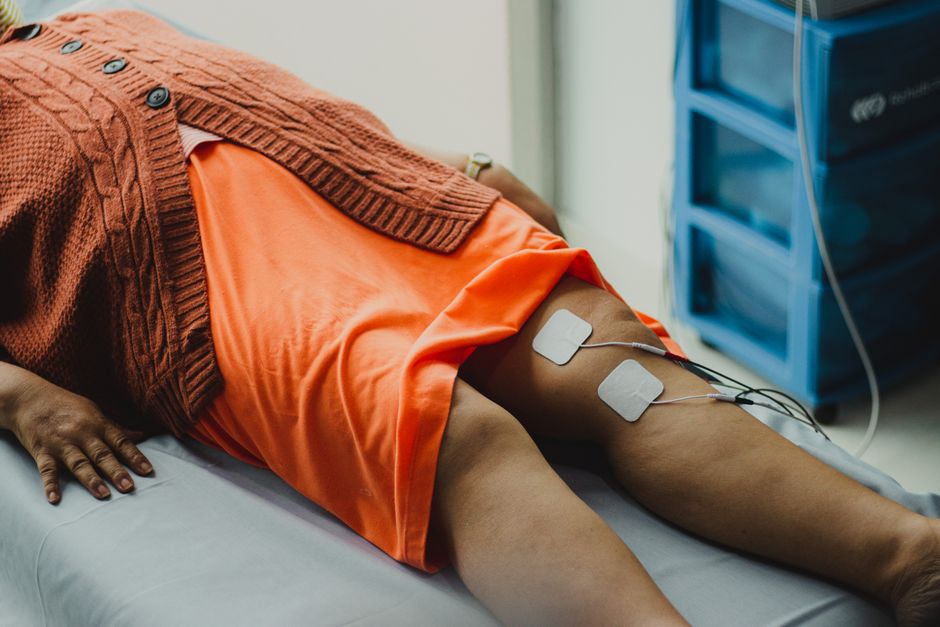
EMS technology provides targeted electrical impulses that stimulate muscle contractions without voluntary effort. This makes it particularly useful during low-activity recovery phases or rehabilitation periods.
How EMS supports neuromuscular recovery
EMS improves motor unit recruitment, enhances local circulation, and helps maintain neuromuscular activation when voluntary movement is limited due to soreness or fatigue.
Who should (and should not) use EMS devices
EMS is ideal for athletes, fitness enthusiasts, and rehabilitation users. However, it should be avoided by individuals with certain medical conditions or implanted electronic devices.
Advanced users often rely on devices like the electric muscle stimulator to integrate multiple therapy modes into a single recovery system.
Building a Weekly Muscle Recovery System

Recovery should be structured across the week rather than treated as a reaction to soreness. A weekly system ensures consistent adaptation and reduces injury risk.
High-intensity training week recovery map
During high-load weeks, recovery should include daily light mobility work, compression use after workouts, and at least one full rest day with minimal physical stress.
Moderate training maintenance recovery schedule
Moderate training loads allow for alternating active recovery days with structured training sessions. Foam rolling and light EMS sessions can be integrated 2–3 times per week.
Supporting tools from the Lifestyle collection help users maintain consistency in long-term recovery habits.
Common Mistakes in Muscle Recovery (and How to Avoid Them)
Even with the right tools, recovery can fail if used incorrectly or inconsistently.
Overusing recovery tools without addressing sleep and nutrition
Recovery tools cannot compensate for poor sleep or inadequate nutrition. Muscle repair depends heavily on protein intake, hydration, and sleep quality.
Misdiagnosing soreness type and choosing wrong tools
Using aggressive recovery methods on inflamed tissue or skipping recovery during chronic fatigue states can delay progress rather than improve it.
FAQ: Muscle Recovery Tools
What are the best muscle recovery tools for sore muscles?
The most effective tools include foam rollers, compression systems, heat/cold therapy devices, and EMS units, depending on soreness type and training load.
How do you choose the right muscle recovery tools for your workout routine?
Selection depends on whether your soreness is acute, delayed onset, or chronic fatigue. Each requires different combinations of mobility, circulation, and neuromuscular support tools.
Do massage guns or foam rollers work better for muscle recovery?
Foam rollers are better for structural fascia release, while massage guns are more effective for short-term circulation and rapid muscle relaxation.
How often should you use muscle recovery tools after a workout?
Light recovery tools can be used daily, while deeper interventions like percussion therapy or EMS should be used 2–4 times per week depending on training intensity.
What is the fastest way to recover muscles after intense exercise?
The fastest recovery combines hydration, active movement, foam rolling, adequate sleep, and targeted use of compression or electrical stimulation tools based on fatigue type.
Conclusion: Building a Smarter Muscle Recovery System
Muscle recovery is not about using more tools—it is about using the right combination at the right time. When foam rolling, compression, heat or cold therapy, and neuromuscular stimulation are structured into a system, recovery becomes faster, more predictable, and more effective.
By aligning recovery tools with soreness classification and training intensity, you create a performance advantage that supports consistent progress and reduces injury risk over time.
Related Articles:
- Muscle Soreness Scale: How To Measure Recovery And Avoid Overtraining
- How Much Sleep for Muscle Growth? Complete Recovery Guide for Faster Gains
- Post Workout Stretch Routine: Full Body Recovery Guide for Faster Muscle Recovery
- Muscle Recovery Devices Guide: Best Tools, Massage Guns & Recovery Systems for 2026
- Post Workout Supplement for Muscle Recovery: Complete 2026 Recovery Blueprint
- Does Heat Help Sore Muscles? Safe Recovery Methods That Actually Work
- Foam Roller for Muscle Recovery: The Complete Beginner-to-Athlete Guide for Faster Recovery
- Compression Socks for Muscle Recovery: Complete Athlete Guide for Faster Recovery in 2026
- Cold Therapy for Muscle Recovery: Science-Based Guide for Athletes & Beginners













