

Daily Hair Care Routine: Build the Perfect System for Healthy, Strong Hair
Most people don’t struggle with hair because of genetics—they struggle because of inconsistent routines, misinformation, and using the wrong techniques for their hair type. A well-structured daily hair care routine isn’t about using more products; it’s about building a system that works with your scalp, hair structure, and lifestyle.
This guide breaks down a science-backed, customizable approach to daily hair care—covering scalp health, styling, protection, and damage prevention. Whether you’re a beginner or refining your routine, this framework will help you create healthier, stronger, and more manageable hair over time.
What Is a Daily Hair Care Routine? (Simple Definition + Core Steps)

A daily hair care routine is a consistent set of steps designed to maintain scalp health, protect hair structure, and improve manageability through cleansing, conditioning, protection, and styling.
The 5 Core Daily Hair Care Steps
- Cleanse the scalp appropriately (not always daily)
- Condition and hydrate the hair
- Apply leave-in protection
- Style with minimal damage
- Maintain scalp balance and circulation
Daily vs Weekly Hair Care: What’s the Difference?
Daily routines focus on maintenance—hydration, protection, and styling—while weekly routines include deeper treatments like masks, scalp exfoliation, and clarifying washes. Understanding this separation prevents overwashing and product overload.
For deeper routine upgrades, many people explore tools and systems in the hair care and styling devices collection to support both daily and weekly routines effectively.
The Scalp-First Hair Care Model (Why Your Routine Starts at the Root)
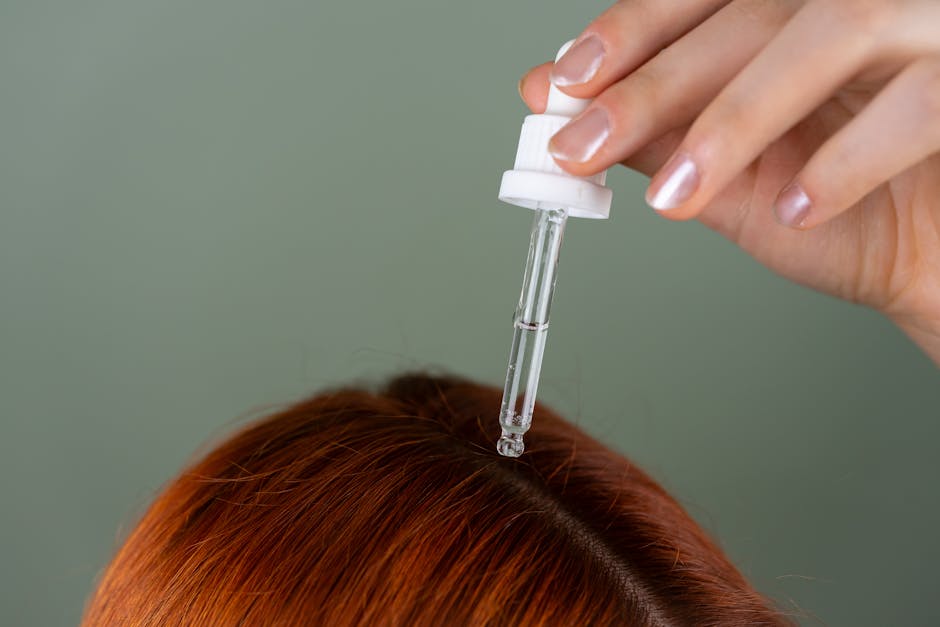
Healthy hair begins at the scalp. If your scalp is unbalanced—too oily, dry, or inflamed—your hair will reflect it through frizz, breakage, or slow growth.
Understanding Scalp Health and Microbiome Balance
Your scalp hosts a microbiome of bacteria and oils that must stay balanced. Overwashing strips natural oils, while underwashing leads to buildup and irritation.
How Sebum Production Affects Your Routine
Sebum (natural oil) protects hair, but excess production can weigh it down. Your routine should adapt:
- Oily scalp → lighter products, more frequent washing
- Dry scalp → hydrating products, less frequent washing
When to Add Scalp Exfoliation
If you experience buildup, itching, or flakes, weekly exfoliation can help reset your scalp environment and improve product absorption.
Build Your Personalized Daily Hair Care Routine (Step-by-Step System)

Step 1: Identify Your Hair Type and Porosity
Your hair type (straight, wavy, curly, coily) and porosity (low, medium, high) determine how your hair absorbs moisture and reacts to products.
Step 2: Choose the Right Cleansing System
Not all hair needs daily washing. Instead:
- Fine or oily hair → every 1–2 days
- Dry or curly hair → every 3–5 days
Step 3: Condition and Protect the Hair Cuticle
Conditioner smooths the cuticle layer, reducing friction, frizz, and breakage. Always focus on mid-lengths to ends.
Step 4: Add Leave-In and Daily Protection
Leave-in conditioners and heat protectants act as a shield against environmental damage and styling tools.
Step 5: Styling Without Damage
Daily styling doesn’t have to damage your hair if done correctly. Tools that reduce static and distribute natural oils can significantly improve results.
For example, a tool like KentDO™ Luxury Boar Bristle Paddle Hair Brush – Anti-Static & Massage Comb helps evenly distribute oils while minimizing frizz.

Gentle brushing techniques combined with tools from the hair care and styling devices collection can significantly reduce daily stress on your hair.
AM vs PM Hair Care Routine (Daily Breakdown)

Morning Hair Routine for Protection and Styling
- Detangle gently
- Apply leave-in conditioner
- Use heat protectant if styling
- Style with minimal heat
Night Hair Routine for Repair and Moisture Retention
- Brush to distribute oils
- Apply light serum or oil
- Use protective hairstyles (braids, buns)
- Sleep on low-friction surfaces
Many users complement their nighttime routine with relaxation tools from the wellness & relaxation collection to reduce stress-related hair issues.
Hair Type Routine Paths (Choose Your Flow)

Routine for Oily Hair
- Frequent washing with lightweight formulas
- Avoid heavy conditioners near roots
- Use volumizing styling methods
Routine for Dry or Damaged Hair
- Reduce washing frequency
- Use hydrating leave-ins daily
- Minimize heat exposure
Routine for Curly or Textured Hair
- Focus on moisture layering
- Use wide-tooth or gentle brushes
- Style while damp for definition
Routine for Fine vs Thick Hair
| Hair Type | Focus |
| Fine Hair | Volume, lightweight products |
| Thick Hair | Moisture control, smoothing |
Customizing your routine often involves experimenting with different tools found in the skin and beauty care devices collection for holistic care.
Tool Integration Without Damage (Modern Styling Guide)

How Ionic Hair Tools Reduce Frizz
Ionic technology breaks down water molecules faster and neutralizes static, helping hair dry smoother and faster.
When and How to Use Heat Protectant
Always apply heat protectant on damp hair before using dryers or styling tools. This creates a barrier that reduces moisture loss.
Daily Styling Without Breaking Keratin Structure
Hair is made of keratin proteins that weaken under excessive heat. To protect it:
- Use moderate temperatures
- Avoid repeated passes with hot tools
- Incorporate air drying when possible
Scalp-focused tools like KentDO™ Scalp Massager Brush – Relax & Boost Hair Growth can also enhance circulation and support healthier growth.

These tools integrate seamlessly with items from the body care and health devices collection to support full-body wellness.
Damage Prevention System (Stop Breakage Before It Starts)
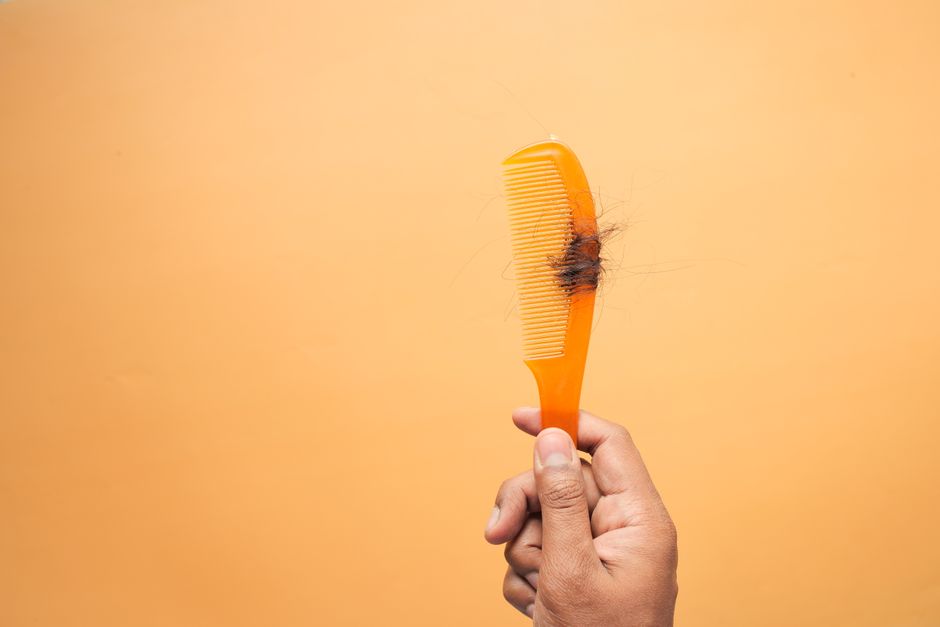
What Causes Split Ends and Breakage?
- Heat damage
- Mechanical stress (brushing, tight styles)
- Lack of moisture
Daily Habits That Protect Hair Strength
- Use gentle detangling techniques
- Avoid over-brushing
- Keep hair hydrated
When to Add Deep Conditioning Treatments
Weekly deep conditioning restores moisture and strengthens the hair shaft, especially for damaged or chemically treated hair.
Common Daily Hair Care Mistakes (And How to Fix Them)

Overwashing or Underwashing
Both extremes disrupt scalp balance. Adjust frequency based on oil production and lifestyle.
Using the Wrong Products for Your Hair Type
Heavy products on fine hair or lightweight products on thick hair can lead to poor results.
Skipping Protection Steps
Heat protectants and leave-ins are essential—not optional—if you style regularly.
Frequently Asked Questions
What is the best daily hair care routine for healthy hair?
A balanced routine includes cleansing as needed, conditioning, applying leave-in protection, gentle styling, and maintaining scalp health.
How do I build a hair care routine based on my hair type?
Start by identifying your hair type and porosity, then choose products and techniques that match your needs.
What are the correct hair care routine steps for beginners?
Cleanse, condition, protect, and style gently. Keep it simple and consistent.
How can I reduce hair breakage naturally in my daily routine?
Avoid heat overuse, detangle gently, and keep hair moisturized.
How often should I wash and care for my scalp?
It depends on your scalp type—oily scalps need more frequent washing, while dry scalps benefit from less frequent cleansing.
Conclusion
A successful daily hair care routine isn’t about perfection—it’s about consistency and personalization. By focusing on scalp health, adapting to your hair type, and using the right techniques, you can build a system that evolves with your needs.
Explore more routine-enhancing tools and systems in the hair care and styling devices collection to refine your approach and maintain long-term hair health.
Pillar Article: Hair Care Routine: Build Your Perfect System for Healthy, Frizz-Free Hair













