

Daily Skincare Routines: The Ultimate Hydration Blueprint for Every Skin Type
Modern skin is constantly under pressure. Indoor heating, air conditioning, travel dehydration, outdoor exposure, wind, and seasonal changes all disrupt the skin’s natural moisture balance. The result is a widespread issue: skin that looks dull, feels tight, reacts easily, or breaks out despite using multiple products.
A hydration-focused daily skincare routine is not just about applying moisturizer—it is a structured system designed to protect the skin barrier, maintain water balance, and adapt to environmental stress. Whether you are a beginner building your first routine or someone refining an advanced skincare system, understanding hydration is the foundation of healthy skin.
This guide breaks down a complete dermatologist-informed skincare framework that works for all skin types, including dry, oily, combination, and sensitive skin. It also integrates real-world scenarios like hiking, camping, and travel, where skin dehydration accelerates quickly.
Understanding Hydrated Skin: The Foundation of Every Effective Routine

Hydrated skin is not simply “moisturized skin.” Hydration refers to the water content inside the skin cells, while moisturization refers to sealing that water in. A healthy routine must support both processes to maintain elasticity, glow, and resilience.
Hydration vs Moisturization Explained
Hydration is about increasing water levels in the skin using humectants like glycerin and hyaluronic acid. Moisturization involves sealing that hydration with emollients and occlusives to prevent water loss. Without hydration, skin becomes tight and flaky; without moisturization, hydration evaporates quickly.
Role of Skin Barrier in Moisture Retention
The skin barrier acts like a protective shield made of lipids, ceramides, and skin cells. When it is strong, it locks in moisture and keeps irritants out. When damaged, water escapes easily, leading to dryness, sensitivity, and inflammation. Strengthening this barrier is essential for long-term skin health.
For deeper learning and product exploration, you can browse the curated Skincare & Hydration collection to understand barrier-supporting essentials:
Skincare & Hydration Collection
Core Components of a Daily Hydration Skincare Routine

A strong hydration routine is built on four essential pillars: cleansing, hydrating layers, moisturizing, and protection. Each step supports the next, forming a system rather than isolated actions.
Gentle Cleansing Without Stripping Natural Oils
Cleansing removes sweat, oil, and environmental pollutants. However, harsh cleansers can strip the skin barrier, worsening dehydration. A gentle cleanser preserves natural lipids while maintaining cleanliness.
Hydrating Toners, Serums, and Humectant Layering
Hydration layers typically include toners and serums rich in humectants like hyaluronic acid and glycerin. These ingredients pull water into the skin and prepare it for deeper absorption of active ingredients.
Moisturizer Types: Gel, Cream, and Occlusive Layers
Gel moisturizers suit oily skin, cream textures support dry skin, and occlusives provide sealing protection in extreme conditions. Choosing the right moisturizer type is essential for balancing hydration without clogging pores.
At-Home Hydration Technology for Deep Skin Support
Advanced skincare routines often include hydration devices that enhance absorption and deep cleansing. These tools can significantly improve skin texture and moisture retention when used correctly.

The KentDO™ Hydra Facial Machine is an example of a multi-functional hydration device that combines exfoliation, oxygen infusion, and deep cleansing. It helps remove buildup while improving serum absorption, making it especially useful for dull or congested skin.
Many users incorporate such devices into their weekly skincare practice alongside products from the Skin and Beauty Care Devices collection to enhance overall routine effectiveness.
Skin & Beauty Care Devices Collection
Morning Skincare Routine for All Skin Types
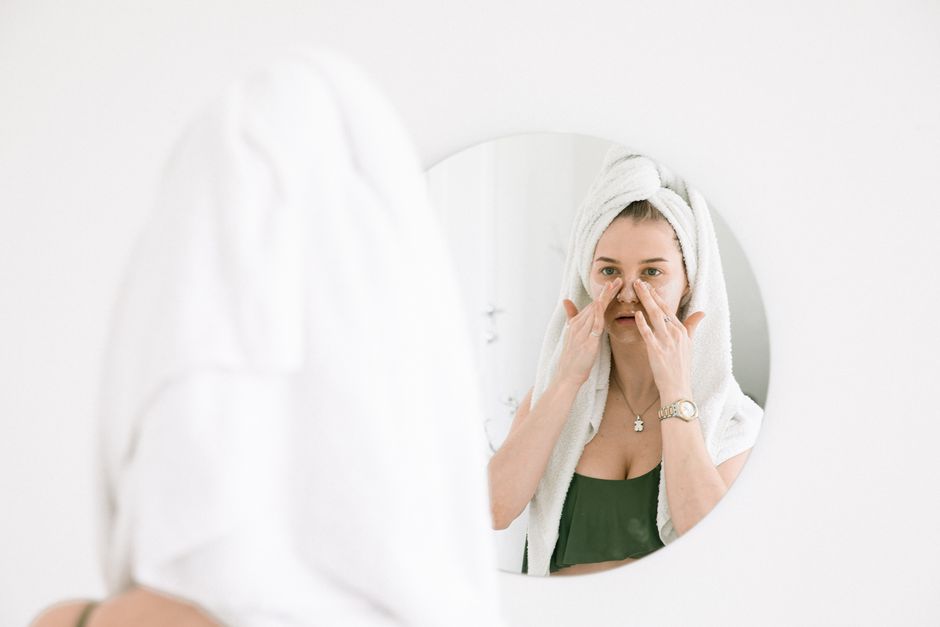
The morning routine focuses on hydration preservation and environmental protection. During the day, skin loses moisture due to UV exposure, pollution, and temperature changes, making protection essential.
Step-by-Step Morning Hydration Routine
- Cleanse with a gentle, non-stripping cleanser
- Apply hydrating toner or essence
- Use a lightweight serum with humectants
- Apply moisturizer suited to skin type
- Finish with broad-spectrum sunscreen
How Sunscreen Protects Skin Barrier and Prevents Water Loss
Sunscreen does more than prevent sunburn. It also reduces transepidermal water loss caused by UV exposure. This helps maintain hydration levels throughout the day and protects long-term barrier health.
Night Skincare Routine for Deep Hydration and Skin Barrier Repair

Nighttime is when the skin enters its natural repair mode. This is the ideal time for deep hydration, recovery, and active ingredient absorption.
Double Cleansing and Skin Preparation
Double cleansing removes sunscreen, pollution, and oil buildup. This ensures that hydration products can penetrate effectively without blockage from surface debris.
Tracking Skin Health for Better Hydration Decisions
Understanding your skin’s real condition helps prevent over-treatment or under-treatment. Many people misjudge their skin type, leading to ineffective routines.

The KentDO™ Portable Skin Analyzer provides real-time insights into moisture, oil balance, and elasticity. This allows users to adjust hydration levels more precisely, especially when switching between seasons or environments like hiking or travel.
Devices like this are often paired with tools from the Beauty & Self-Care Blog ecosystem for long-term skincare optimization strategies.
Barrier Repair with Ceramides and Lipid Replenishment
Ceramides and lipids restore the skin barrier structure, preventing water loss overnight. These ingredients are especially important for sensitive or dehydrated skin types that experience frequent irritation.
Overnight Hydration Mask Strategy
Overnight masks lock in moisture and provide continuous hydration while you sleep. They are particularly beneficial in dry climates or after exposure to wind, sun, or cold air.
Hydration Ingredients That Actually Work (Dermatologist-Backed)
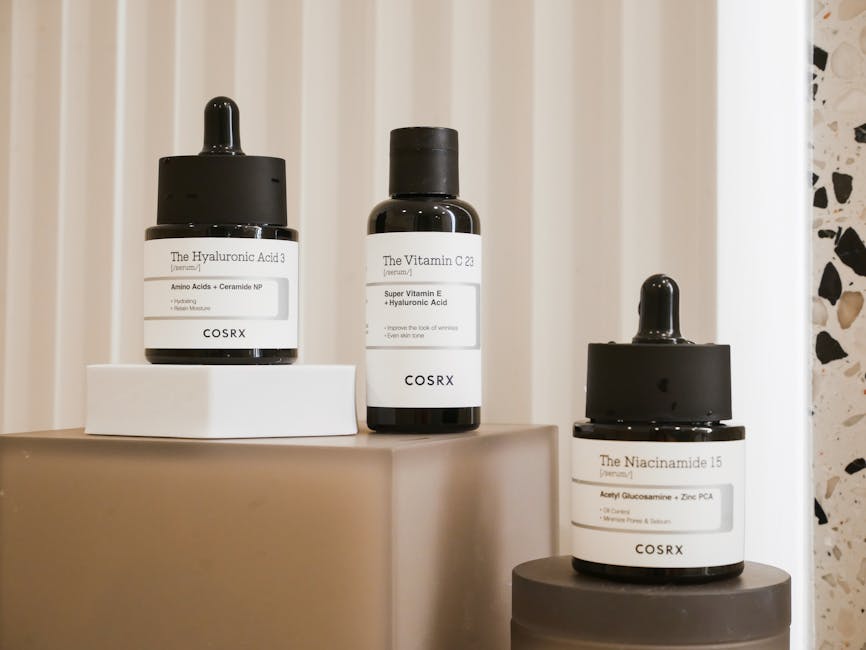
Effective hydration depends on scientifically supported ingredients rather than marketing claims. Understanding how each category works helps build smarter routines.
Hyaluronic Acid, Glycerin, and Humectants
Humectants attract water into the skin. Hyaluronic acid can hold multiple times its weight in water, making it a core ingredient in modern hydration routines.
Ceramides and Barrier Lipids
Ceramides act as the “mortar” between skin cells, strengthening the barrier and reducing moisture loss. They are essential for long-term hydration stability.
Occlusives That Prevent Water Loss
Occlusives form a protective layer on the skin, sealing in hydration and preventing evaporation. They are especially useful in cold or dry environments.
Climate-Based Skincare Adjustments for Hydration Protection

Skin does not behave the same in all environments. Climate changes significantly affect hydration levels, requiring routine adjustments.
Winter Dryness and Indoor Heating Adjustments
Cold air and indoor heating reduce humidity, increasing water loss. In these conditions, richer moisturizers and occlusive layers become essential.
Hot, Humid Climate Routine Simplification
In humid environments, lightweight gel moisturizers and minimal layering help prevent congestion while maintaining hydration balance.
Travel, Hiking, and Camping Skin Dehydration Prevention
Outdoor activities expose skin to wind, sun, dust, and temperature fluctuations. These conditions accelerate dehydration and barrier stress.

The KentDO™ Soft Bath Sponge provides gentle exfoliation that helps remove buildup from sweat, sunscreen, and environmental debris during travel or camping. It supports skin renewal without harsh abrasion, making it suitable for daily outdoor skincare routines.
For travelers and hikers, integrating tools from the Hiking Gear Collection and Camping Essentials Collection helps maintain skin hygiene and hydration on the go.
Skin Type-Based Hydration Routine Customization

Every skin type requires a different hydration strategy. Understanding your skin behavior ensures better results and fewer reactions.
Dry and Dehydrated Skin Routine
Focus on layered hydration, rich moisturizers, and occlusive sealing. Avoid over-cleansing and prioritize barrier repair ingredients.
Oily Skin Hydration Without Clogging Pores
Oily skin still needs hydration. Lightweight gel moisturizers and non-comedogenic serums help maintain balance without excess shine.
Sensitive and Barrier-Damaged Skin Recovery Routine
Sensitive skin requires minimal ingredients, fragrance-free products, and barrier-supporting formulas. Recovery routines should focus on calming inflammation and restoring lipids.
Combination Skin Balancing Strategy
Combination skin benefits from zone-based hydration, where different areas of the face receive different moisture levels depending on dryness or oiliness.
Barrier Repair Workflow: How to Fix Damaged Skin Fast

A damaged skin barrier requires a structured recovery approach focused on simplicity and restoration rather than active treatment.
Signs of a Damaged Skin Barrier
Common signs include redness, tightness, stinging, flaking, and sudden breakouts. These indicate moisture loss and barrier disruption.
3–7 Day Recovery Routine Plan
- Stop exfoliation and active ingredients temporarily
- Use gentle cleanser only once or twice daily
- Apply hydrating serums and barrier creams
- Increase moisturization frequency
Deep Hydration Support for Barrier Recovery

Advanced hydration support tools like the KentDO™ Hydra Facial Machine can assist barrier recovery by enhancing product absorption and gently cleansing without irritation. However, they should be used sparingly during sensitive recovery phases.
Common Hydration Skincare Mistakes Beginners Make

Many hydration issues come not from lack of products but from incorrect routine structure and layering.
Over-Exfoliation and Moisture Stripping
Excessive exfoliation damages the skin barrier and increases water loss, leading to chronic dryness and sensitivity.
Wrong Product Layering Order
Applying thick creams before serums prevents proper absorption, reducing hydration effectiveness.
| Skin Type | Best Hydration Focus | Common Mistake | Correction Strategy |
| Dry Skin | Layered hydration + occlusives | Skipping humectants | Add hydrating serum before moisturizer |
| Oily Skin | Lightweight hydration | Skipping moisturizer | Use gel-based moisturizer |
| Sensitive Skin | Barrier repair focus | Overuse of actives | Simplify routine |
| Combination Skin | Zone-based hydration | One-product approach | Adjust by facial zone |
Building a Long-Term Hydration Skincare System

Hydration is not a one-time fix—it is a long-term system that evolves with seasons, lifestyle, and skin condition changes.
Weekly hydration masks, seasonal adjustments, and periodic skin analysis help maintain consistency. Building habits around hydration ensures skin remains stable even during environmental stress.
Explore broader wellness and skincare education through the Body & Face Blog for ongoing learning and routine optimization.
Expert Insight on Daily Hydration Routines
“Skin hydration is not achieved by a single product but by consistent barrier support, intelligent layering, and adapting routines to environmental stress. The goal is stability, not perfection.”
— Dermatology-informed skincare principle widely used in barrier repair research
Frequently Asked Questions (FAQ)
What is the best daily skincare routine for beginners?
A beginner routine should include gentle cleansing, hydration with a serum or toner, moisturizing, and sunscreen in the morning, plus cleansing and barrier repair at night.
How do you moisturize dry skin daily without clogging pores?
Use lightweight hydrating serums first, followed by a balanced moisturizer that contains both humectants and emollients, avoiding heavy occlusives unless needed.
What should a morning and night moisturizing routine include?
Morning routines focus on protection and lightweight hydration, while night routines focus on deep hydration and barrier repair using richer formulas.
How can you repair a damaged skin barrier fast?
Reduce active ingredients, simplify cleansing, increase hydration layers, and use barrier-repair creams with ceramides and lipids for 3–7 days.
How should skincare routines change during winter, hiking, or camping trips?
Increase hydration layers in winter, simplify routines in humid climates, and prioritize barrier protection and gentle cleansing during outdoor activities.
Conclusion: Building a Sustainable Hydration System for Healthy Skin
A successful skincare routine is not defined by the number of products used but by the consistency and intelligence behind each step. Hydration is the foundation of skin health, and when supported by proper cleansing, barrier repair, and environmental adaptation, it creates long-term resilience.
By understanding your skin type, adjusting to climate conditions, and using hydration-focused strategies, you build a routine that supports both immediate comfort and long-term skin stability.
Whether you are at home, traveling, or exploring the outdoors, a structured hydration system ensures your skin remains balanced, protected, and healthy every day.
Pillar Article: Best Skincare for Hydration: The Ultimate Camping & Hiking Survival Routine













