Do Water Flossers Remove Plaque? Evidence-Based Guide to Oral Irrigators, Gum Health, and Daily Cleaning
Water flossers, also called oral irrigators, have become one of the most talked-about tools in modern oral hygiene. Many people use them daily hoping to remove plaque, improve gum health, and replace traditional string floss. But a key question remains: do water flossers actually remove plaque effectively, or are they just a convenient supplement?
This guide breaks down how water flossers work, what dental science says about plaque removal, who benefits most from them, and how to use them correctly for healthier gums and cleaner teeth.
What Is Plaque and Why It Matters for Oral Health
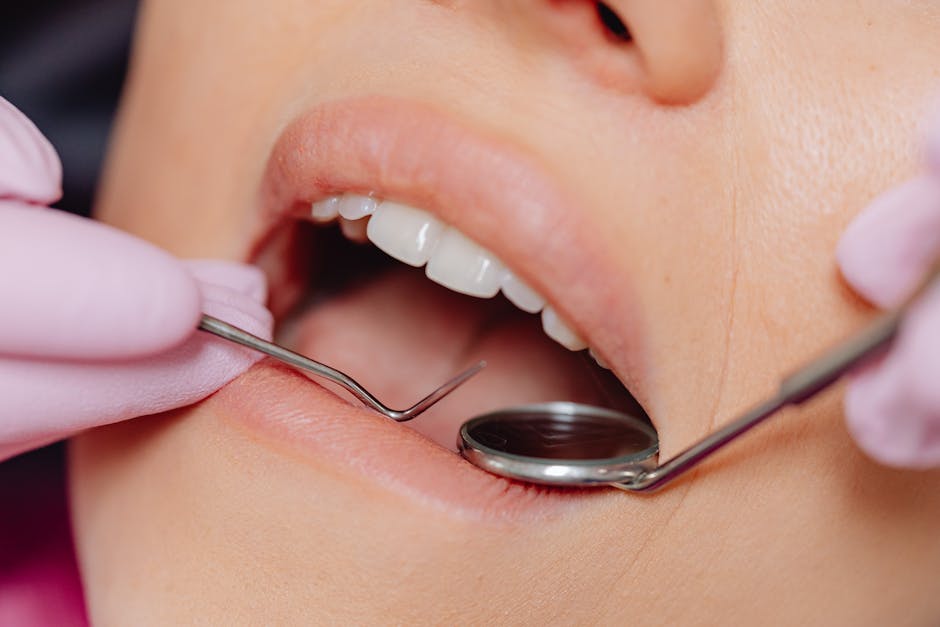
Plaque is a sticky, colorless film of bacteria that constantly forms on teeth. If not removed regularly, it hardens into tartar, leading to gum disease, cavities, bad breath, and inflammation.
How plaque forms in your mouth
After eating, food particles mix with saliva and bacteria. Within hours, this mixture begins forming a biofilm on teeth surfaces. If brushing and flossing do not disrupt it, plaque becomes more difficult to remove.
Why brushing alone is not enough
Even the best toothbrush cannot reach deep between teeth or under the gumline. This is where flossing—traditional or water-based—becomes essential for full oral cleaning.
Do Water Flossers Remove Plaque Effectively?
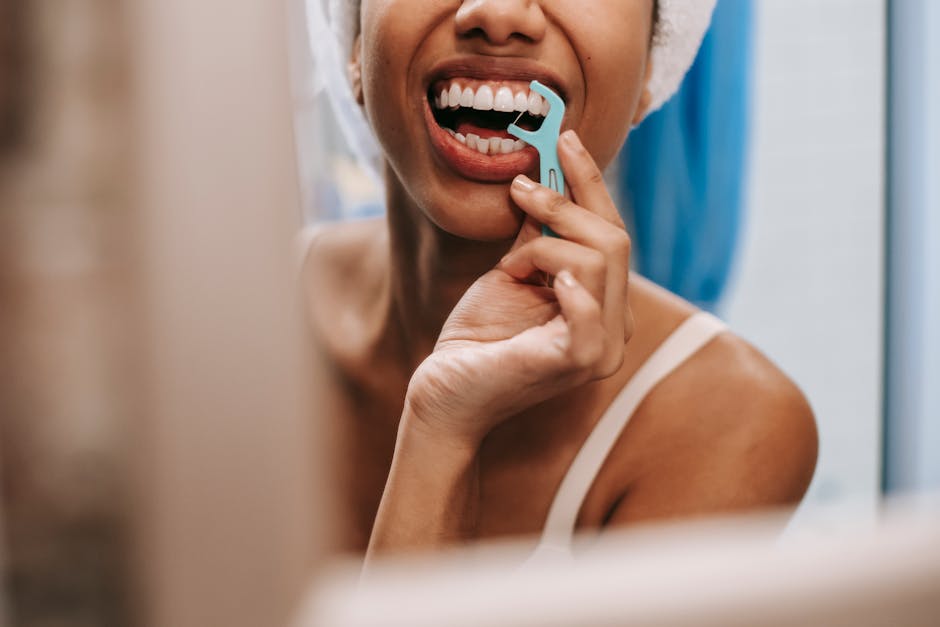
Water flossers do not “scrape” plaque like traditional floss. Instead, they use a pressurized stream of water to flush out food particles and disrupt bacterial biofilm below the gumline.
Clinical studies show that water flossers can significantly reduce plaque and gingival bleeding, especially in people with gum disease, braces, or difficulty using string floss.
| Cleaning Method | Plaque Removal Ability | Gum Health Impact | Ease of Use |
| String Floss | High (mechanical scraping) | Strong improvement if used correctly | Moderate difficulty |
| Water Flosser | Moderate (biofilm disruption) | Very strong for gum inflammation | Very easy |
| Toothbrushing Only | Low between teeth | Limited gumline cleaning | Easy |
Conclusion: water flossers remove plaque indirectly by breaking up and flushing bacteria, but they are most effective when combined with brushing or occasional string flossing.
How Water Flossers Work (Simple Explanation)

Water flossers use a motorized pump to send pulses of water through a narrow nozzle. The stream targets spaces between teeth and below the gumline where bacteria accumulate.
Key cleaning mechanisms
- Hydraulic pressure flushes debris from tight spaces
- Pulsation disrupts bacterial biofilm
- Water flow massages gums and improves circulation
Why gums benefit from water irrigation
Unlike string floss, water flossers reduce mechanical stress on gums while still stimulating blood flow. This makes them especially useful for sensitive gums or inflamed tissue.
Water Flosser vs Traditional Floss: Which Is Better?

The debate between water flossers and string floss depends on oral health needs, comfort, and consistency of use.
| Factor | Water Flosser | String Floss |
| Ease of use | Very easy | Requires technique |
| Plaque removal | Moderate | High |
| Gum sensitivity | Gentle | Can irritate gums |
| Braces compatibility | Excellent | Difficult |
| Travel convenience | Good (portable models) | Excellent |
Many dentists recommend combining both methods for optimal oral hygiene results.
Who Should Use a Water Flosser?

Water flossers are especially useful for people who struggle with traditional flossing or have specific oral care needs.
- People with braces or aligners
- Individuals with gum disease or bleeding gums
- Users with dental implants or bridges
- People with limited dexterity
- Travelers who want quick oral cleaning solutions
Explore more oral hygiene solutions in our Oral Care Devices collection for tools designed for everyday dental health improvement.
Best Ways to Use a Water Flosser Correctly
Proper technique significantly improves plaque removal effectiveness and gum health outcomes.
Step-by-step usage guide
- Fill reservoir with lukewarm water
- Select a low-pressure setting (especially for beginners)
- Lean over the sink to avoid splashing
- Angle nozzle at 90 degrees toward gumline
- Move slowly along each tooth space
- Pause briefly between teeth for deeper cleaning
Common mistakes to avoid
- Using maximum pressure too early
- Skipping back molars
- Rushing through the process
- Not cleaning the device regularly
Can Water Flossers Replace String Floss Completely?
For many users, water flossers can serve as a primary interdental cleaning tool. However, dental professionals often recommend string floss for removing tightly adhered plaque.
The ideal approach is hybrid: water flossing daily for gum health and occasional string flossing for deeper mechanical cleaning.
Benefits of Water Flossers for Gum Health
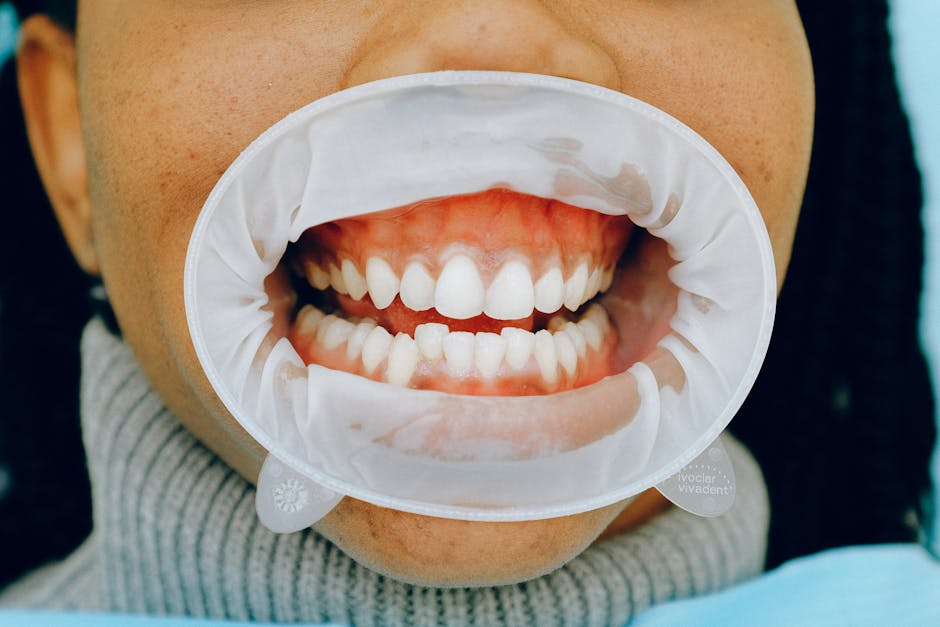
Water flossers are widely recognized for improving gum health, especially in individuals with inflammation or bleeding.
- Reduces gum bleeding
- Helps decrease gingivitis symptoms
- Improves gum stimulation and circulation
- Removes food debris from deep gum pockets
For full oral wellness systems, explore our Body Care and Health Devices collection for supportive hygiene tools.
Portable Water Flossers: Travel-Friendly Oral Hygiene
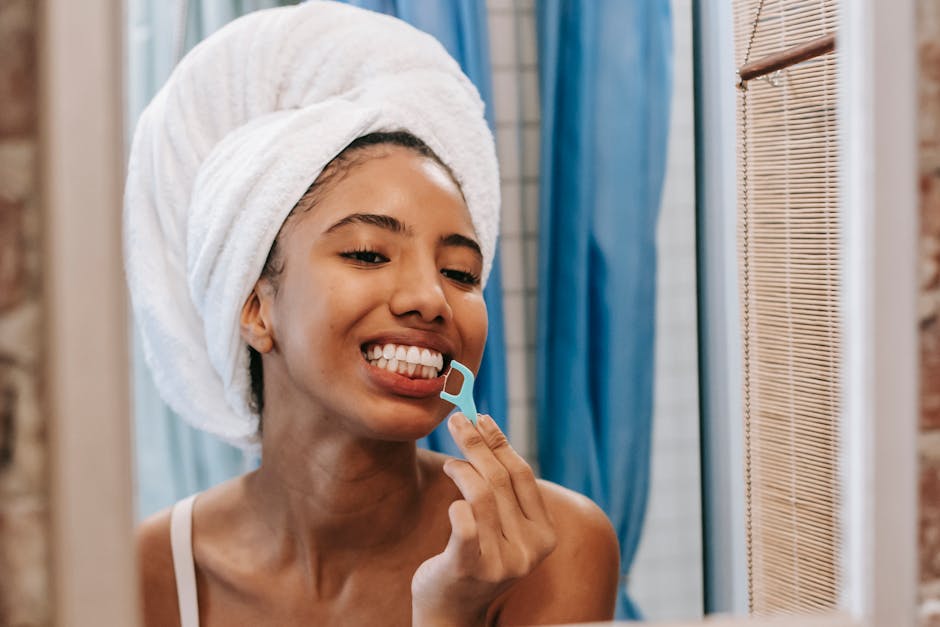
Modern portable water flossers allow users to maintain oral hygiene even while traveling. These compact devices are ideal for business trips, camping, or long-term travel.
They typically feature rechargeable batteries, compact reservoirs, and adjustable pressure levels.
To build a complete hygiene setup, explore our Lifestyle collection for travel-ready self-care essentials.
Why travelers prefer portable oral irrigators
- No need for bulky bathroom setups
- Fast cleaning in under 60 seconds
- Better gum care during irregular routines
Are Water Flossers Safe for Daily Use?
Yes, water flossers are safe for daily use when used correctly. They are often recommended for people with gum sensitivity because they are less abrasive than string floss.
However, using excessively high pressure settings may irritate gums, especially for beginners.
Scientific Perspective: What Dentists Say
“Water flossers are particularly effective for reducing gingival bleeding and improving gum health, especially when used consistently as part of a daily routine.”
Many dental professionals recommend water flossers as an adjunct tool rather than a complete replacement for all flossing methods.
Comparison: Water Flossers vs Oral Irrigators vs Floss Picks

| Tool | Best Use Case | Effectiveness |
| Water Flosser | Gum health & braces care | High for gum improvement |
| Oral Irrigator | General interdental cleaning | Moderate to high |
| Floss Picks | Quick debris removal | Moderate |
Discover more tools in our Eye Care Devices collection and related wellness systems designed for holistic personal care routines.
How to Choose the Right Water Flosser

Not all water flossers are equal. Choosing the right one depends on your oral health needs and lifestyle.
- Adjustable pressure settings for gum sensitivity
- Portable vs countertop design
- Battery life for travel convenience
- Tank size for uninterrupted cleaning
- Ease of cleaning and maintenance
Maintenance Tips for Water Flossers
Proper maintenance ensures hygiene and long-term performance.
- Empty water tank after each use
- Clean nozzle weekly
- Use filtered water if possible
- Descale internal parts monthly
FAQ: Water Flossers and Plaque Removal
Do water flossers remove plaque completely?
No, they reduce and disrupt plaque but do not mechanically scrape it like string floss.
Are water flossers better than floss?
They are better for gum health and ease of use, while floss is more effective for tight plaque removal.
Can water flossers replace brushing?
No, brushing remains essential for removing surface plaque and preventing cavities.
How often should you use a water flosser?
Once daily is recommended for most users.
Are water flossers good for sensitive gums?
Yes, they are often recommended for sensitive gums due to their gentle cleaning action.
Final Thoughts on Water Flossers and Plaque Control
Water flossers are a powerful addition to modern oral hygiene routines. While they may not fully replace traditional floss in all cases, they significantly improve gum health, reduce inflammation, and make daily cleaning easier for most users.
For best results, combine water flossing with brushing and occasional string flossing, and build a complete oral care system that supports long-term dental health.
Explore more dental wellness solutions in our Oral Care Blog and Beauty & Self-Care Blog for deeper guides and routines.
Pillar Article: Oral Hygiene Routines: Beginner-to-Pro Daily Dental Guide