

Does Heat Help Sore Muscles? The Complete Recovery Guide for Beginners
After a hard workout, sore muscles can make simple tasks feel exhausting. Many beginners wonder whether they should use heat or ice to recover faster, especially when stiffness, tightness, and fatigue start building up a day after exercise. The truth is that heat therapy can absolutely help sore muscles in the right situations, but timing and recovery strategy matter. This guide explains how heat therapy works, when to use it, when to avoid it, and how to combine it with stretching, hydration, foam rolling, sleep, and recovery tools for a more complete post-workout recovery routine.
Many active adults also explore supportive recovery routines through collections like Warmth & Heat Therapy, Body Care and Health Devices, and Wellness & Relaxation when building an at-home recovery setup.
What Causes Sore Muscles After Exercise?

Muscle soreness after exercise usually develops because muscles experience microscopic stress during training. This process is especially common after strength training, running hills, high-intensity intervals, or starting a new workout routine. Recovery is the body's natural repair process that helps muscles adapt and become stronger over time.
Understanding Delayed Onset Muscle Soreness (DOMS)
Delayed onset muscle soreness, often called DOMS, typically appears between 12 and 48 hours after exercise. This soreness develops when muscle fibers experience tiny tears from unfamiliar or challenging movement patterns.
DOMS is most common after:
- Heavy strength training
- Eccentric exercises like lowering weights
- Long-distance running
- Plyometric workouts
- Returning to exercise after a break
Symptoms often include:
- Muscle tightness
- Stiffness
- Reduced range of motion
- Tenderness
- Mild swelling
- Temporary loss of strength
While uncomfortable, DOMS is usually temporary and part of normal muscular adaptation.
Muscle Fatigue vs Muscle Inflammation vs Injury
Not all soreness means the same thing. Understanding the difference helps determine whether heat therapy is appropriate.
| Condition | Common Symptoms | Best Recovery Approach |
| Muscle Fatigue | Heavy, tired muscles | Hydration, light movement, rest |
| DOMS | Stiffness and soreness 12–48 hours later | Heat, stretching, mobility work |
| Inflammation | Swelling, warmth, tenderness | Cold therapy, reduced activity |
| Acute Injury | Sharp pain, bruising, instability | Medical evaluation and rest |
Heat works best for muscle tightness and stiffness, but fresh inflammation or injury usually responds better to cold therapy initially.
Why Beginners Experience More Muscle Soreness
Beginners often experience more soreness because their muscles are adapting to new stress. The body becomes more efficient with repeated training, meaning soreness usually decreases as fitness improves.
Common beginner mistakes that increase soreness include:
- Training too intensely too quickly
- Skipping warmups
- Ignoring cooldowns
- Poor sleep habits
- Insufficient hydration
- Not taking recovery days
Recovery-focused resources inside the Body & Face Blog and Beauty & Self-Care Blog can also help beginners build healthier recovery habits.
Does Heat Help Sore Muscles?

Yes, heat can help sore muscles by improving circulation, relaxing tight tissues, and reducing stiffness. Heat therapy is especially effective for delayed onset muscle soreness, chronic tightness, post-workout stiffness, and muscle fatigue without major swelling.
However, heat is not ideal immediately after acute injuries or when significant inflammation is present.
How Heat Therapy Works for Muscle Recovery
Heat therapy increases blood flow to muscles and surrounding tissues. Better circulation helps deliver oxygen and nutrients while supporting the removal of metabolic waste products.
When muscles warm up, tissues become more flexible and relaxed. This can:
- Reduce stiffness
- Improve mobility
- Ease muscle tightness
- Decrease discomfort during movement
- Support stretching routines
Heat also activates sensory receptors in the skin that can temporarily reduce the perception of pain.
Benefits of Heat Therapy After Workouts
Using heat after workouts may provide several practical recovery benefits:
- Improved blood circulation
- Reduced muscle stiffness
- Better flexibility
- Enhanced relaxation
- Improved comfort during stretching
- Reduced tension around joints
- Potential improvement in recovery consistency
Many athletes use heat therapy during lower-intensity recovery days to maintain movement quality and mobility.
What Heat Therapy Cannot Fix
Heat therapy is helpful, but it is not a cure-all recovery method. It cannot repair severe injuries or replace proper rest and nutrition.
Heat therapy will not effectively treat:
- Acute ligament tears
- Major swelling
- Serious inflammation
- Fractures
- Severe muscle strains
- Joint instability
If pain feels sharp, sudden, or worsening, rest and medical evaluation may be necessary.
Heat vs Ice: Which Is Better for Sore Muscles?

Heat and cold therapy serve different purposes. Choosing the right option depends on the type of soreness, timing, and symptoms.
When to Use Heat Therapy
Heat therapy works best for:
- Muscle stiffness
- Chronic tightness
- DOMS
- Reduced flexibility
- Tension-related discomfort
- Warmups before mobility work
Most people benefit from heat 24 hours or more after intense exercise once acute inflammation decreases.
When to Use Cold Therapy
Cold therapy is generally better for:
- Fresh injuries
- Swelling
- Acute inflammation
- Bruising
- Sharp pain
- Post-impact soreness
Ice helps constrict blood vessels and reduce swelling during the early stages of injury.
Simple Heat vs Ice Symptom Chart
| Symptom | Heat | Ice |
| Stiff muscles | Yes | No |
| Swelling | No | Yes |
| DOMS soreness | Usually yes | Sometimes |
| Acute injury | No | Yes |
| Tight lower back | Yes | Sometimes |
| Chronic tension | Yes | Rarely |
Can You Alternate Heat and Ice?
Some athletes use contrast therapy, which alternates heat and cold exposure. This method may help circulation and recovery perception, especially after intense training blocks.
A simple beginner contrast routine includes:
- Apply heat for 3–5 minutes
- Switch to cold for 1–2 minutes
- Repeat 3–4 rounds
This approach is commonly used for legs after long runs or heavy training sessions.
Best Types of Heat Therapy for Muscle Recovery

Different heat methods work for different recovery situations. The best option depends on soreness location, convenience, and personal preference.
Heating Pads for Targeted Muscle Relief
Heating pads are one of the simplest and most beginner-friendly recovery tools. They provide consistent warmth directly to sore muscles and are commonly used for shoulders, back, hips, and knees.
A practical example is the KentDO™ Heated Shoulder Massager for Deep Pain Relief, which combines warmth and vibration massage for post-workout tension relief.

Heating pads are especially useful for:
- Desk-related shoulder tension
- Post-workout stiffness
- Recovery before stretching
- Lower back tightness
- Cold-weather muscle discomfort
Many recovery-focused households also explore supportive wellness products through the Foot & Body Comfort and Warmth & Heat Therapy collections.
Explore more about heat-assisted recovery support
Warm Baths and Epsom Salt Soaks
Warm baths provide full-body relaxation and are one of the most affordable recovery tools available. Heat from the water promotes circulation while helping muscles relax.
Some athletes also add Epsom salts, although research on magnesium absorption remains mixed. Regardless, warm water immersion itself can still improve relaxation and recovery comfort.
For best results:
- Keep water warm, not extremely hot
- Limit sessions to 15–20 minutes
- Hydrate afterward
- Avoid immediately after intense overheating
Infrared Heat Therapy and Sauna Recovery
Infrared saunas and heat rooms are popular among athletes for relaxation and recovery support. Heat exposure may temporarily reduce muscle stiffness and help the nervous system relax after hard training.
Potential benefits include:
- Relaxation
- Temporary pain relief
- Improved mobility
- Stress reduction
- Recovery routine consistency
However, proper hydration is essential because sweating increases fluid loss.
Heat Wraps for Travel and Office Recovery
Portable heat wraps can help people who spend long hours sitting, traveling, or working at desks. Gentle warmth may reduce stiffness during the day and improve movement comfort afterward.
Busy professionals often combine mobile recovery routines with tools found in the Lifestyle and Wellness & Relaxation collections.
How Long Should You Use Heat for Sore Muscles?

Heat therapy is most effective when used safely and consistently. More heat does not necessarily mean faster recovery.
Recommended Heat Therapy Duration
Most recovery sessions should last:
- 15–20 minutes for heating pads
- 10–15 minutes for localized heat wraps
- 15–20 minutes for warm baths
- 10–20 minutes for sauna exposure depending on tolerance
Longer sessions may increase the risk of skin irritation or overheating.
How Often to Apply Heat After Exercise
Many people use heat therapy:
- 1–3 times daily for soreness
- Before stretching sessions
- During evening recovery routines
- On active recovery days
Consistency matters more than intensity. Gentle, repeatable recovery habits tend to support long-term progress better than occasional extreme recovery sessions.
Signs You Are Using Too Much Heat
Stop heat therapy if you notice:
- Skin redness that persists
- Dizziness
- Burning sensations
- Excessive sweating
- Increased swelling
- Pain worsening instead of improving
Always place a fabric layer between heating devices and skin when appropriate.
When You Should Avoid Heat Therapy

Heat is not suitable for every situation. Using heat incorrectly may worsen inflammation or delay recovery.
Heat Therapy Mistakes That Can Worsen Recovery
Common mistakes include:
- Using heat immediately after acute injury
- Applying heat to swollen joints
- Sleeping directly on heating pads
- Using extremely high temperatures
- Ignoring hydration needs
If swelling or sharp pain is present, cold therapy is often the safer starting point.
Symptoms That Require Rest or Medical Evaluation
Seek medical guidance if you experience:
- Severe swelling
- Sudden sharp pain
- Loss of joint stability
- Numbness
- Bruising
- Pain lasting more than several days
- Difficulty bearing weight
Normal soreness should gradually improve, not worsen dramatically.
Who Should Use Heat Therapy Carefully
Certain individuals should consult a healthcare professional before frequent heat therapy use, including:
- People with diabetes-related nerve sensitivity
- Individuals with circulation disorders
- Older adults with reduced skin sensitivity
- People recovering from surgery
- Anyone with unexplained pain symptoms
The Complete Muscle Recovery System for Faster Results

Heat therapy works best when combined with other proven recovery habits. The most effective recovery systems focus on consistency, movement quality, sleep, hydration, and stress management.
Combining Heat Therapy With Stretching
Warm muscles typically stretch more comfortably than cold muscles. Applying heat before mobility work may improve flexibility and reduce stiffness during stretching sessions.
A simple sequence includes:
- Apply heat for 10–15 minutes
- Perform gentle mobility exercises
- Stretch slowly without bouncing
- Finish with light walking or movement
This routine works especially well for hips, hamstrings, calves, and shoulders.
Using a Foam Roller After Heat Therapy
Foam rolling after heat exposure may help muscles relax more effectively. Heat softens tissues while foam rolling supports self-myofascial release.
Benefits may include:
- Reduced tightness
- Improved circulation
- Temporary flexibility improvements
- Reduced movement stiffness
Beginners should avoid aggressive rolling pressure. Slow, controlled movement usually works better.
Massage Guns and Heat: Recovery Stack for Athletes
Some athletes combine heat therapy with percussion massage devices to improve relaxation and mobility during recovery days.
Electrical stimulation tools are also used in some home recovery routines. One example is the Electric Muscle Stimulator for Pain Relief & Muscle Recovery, which supports muscle stimulation and post-workout recovery workflows.

Recovery devices should support healthy habits, not replace them. Hydration, sleep, nutrition, and training balance remain foundational.
See how muscle stimulation tools fit into recovery routines
Hydration and Electrolytes for Muscle Recovery
Hydration affects circulation, muscle function, and overall recovery quality. Dehydration can increase fatigue and prolong soreness.
Recovery hydration strategies include:
- Drinking water consistently throughout the day
- Replacing electrolytes after long workouts
- Eating potassium-rich foods
- Reducing excessive alcohol intake
Hydration support is often overlooked compared to recovery gadgets, but it plays a major role in performance and muscle repair.
Sleep and Muscle Recovery Explained
Sleep is one of the most powerful recovery tools available. During sleep, the body supports hormonal balance, tissue repair, and nervous system recovery.
Poor sleep may increase:
- Fatigue
- Perceived soreness
- Stress levels
- Recovery time
- Risk of overtraining
Adults who train regularly should prioritize consistent sleep schedules and recovery-friendly nighttime routines.
Beginner-Friendly Post Workout Recovery Routine

Recovery does not need to be complicated. A consistent beginner-friendly routine can dramatically improve comfort and training sustainability.
30-Minute Recovery Routine After Strength Training
- Walk lightly for 5 minutes
- Hydrate immediately after training
- Apply heat for 10–15 minutes
- Perform gentle stretching
- Use light foam rolling if needed
- Eat a balanced recovery meal
This simple sequence supports circulation, flexibility, and relaxation without overwhelming beginners.
Recovery Routine for Runners and Cardio Athletes
Runners often experience calf, hamstring, and hip tightness after long sessions. Recovery routines for endurance athletes should prioritize circulation and lower-body mobility.
Helpful recovery habits include:
- Walking cooldowns
- Compression gear
- Hydration
- Gentle stretching
- Heat after stiffness develops
- Sleep optimization
Many endurance-focused recovery routines also incorporate products from the Foot & Body Comfort and Body Care and Health Devices collections.
At-Home Recovery Checklist for Busy Adults
- Drink water throughout the day
- Move every hour during desk work
- Use heat therapy for stiffness
- Stretch 5–10 minutes daily
- Prioritize sleep consistency
- Schedule recovery days weekly
- Avoid excessive training intensity
Simple routines done consistently often outperform complicated recovery systems that are difficult to maintain.
How Athletes Use Heat Therapy for Sports Recovery

Athletes frequently use heat therapy strategically rather than randomly. Timing and training context matter.
Pre-Workout Warmup vs Post-Workout Recovery Heat
Before workouts, heat may help increase tissue flexibility and movement comfort during warmups.
After workouts, heat is generally used later once inflammation settles and stiffness begins developing.
Athletes often avoid immediate post-exercise heat after high-impact or contact sports where inflammation risk is higher.
Recovery Strategies for Weightlifters
Weightlifters commonly focus recovery efforts on:
- Shoulders
- Lower back
- Hips
- Knees
- Upper back
Heat therapy may support mobility sessions, stretching, and active recovery days between heavy lifting sessions.
Recovery Strategies for Endurance Athletes
Endurance athletes often combine:
- Hydration
- Compression
- Heat therapy
- Contrast showers
- Sleep optimization
- Mobility work
The goal is not just soreness reduction but maintaining consistent movement quality across training weeks.
Common Muscle Recovery Mistakes Beginners Make
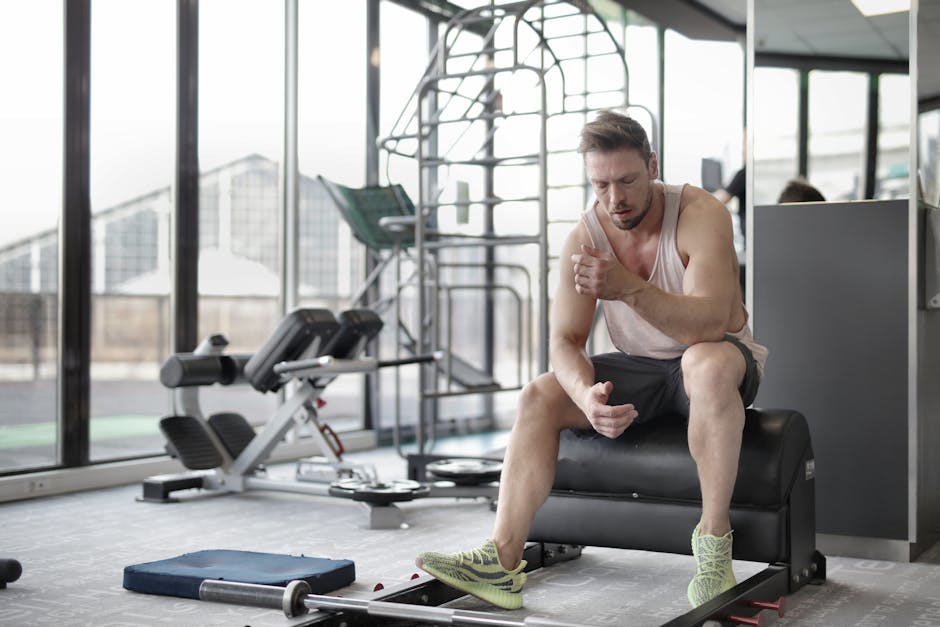
Many recovery setbacks happen because beginners misunderstand how recovery actually works.
Using Heat Too Early
Applying heat immediately after acute injury or severe inflammation may worsen swelling. Timing matters. Heat is usually more helpful once stiffness develops rather than during the earliest inflammatory phase.
Skipping Recovery Days
Muscles adapt during recovery, not during workouts alone. Overtraining without adequate rest can increase fatigue, reduce performance, and elevate injury risk.
Ignoring Hydration and Sleep
Recovery devices cannot compensate for chronic sleep deprivation or dehydration. Recovery basics remain the most important long-term performance factors.
Overusing Recovery Gadgets Without Consistency
Recovery tools can support routines, but consistency matters far more than expensive equipment. Stretching daily, sleeping well, eating properly, and staying active during recovery days usually create better results than relying solely on gadgets.
Many readers build sustainable recovery systems gradually through educational resources inside the Body & Face Blog and supportive recovery collections like Warmth & Heat Therapy.
Frequently Asked Questions
Does heat help sore muscles after a workout?
Yes, heat can help sore muscles by improving circulation, reducing stiffness, and relaxing tight tissues. It is especially useful for delayed onset muscle soreness and post-workout tightness.
Is heat good for sore muscles or should you use ice?
Heat is generally better for stiffness and chronic tightness, while ice is better for swelling, inflammation, and fresh injuries.
When should you avoid heat therapy for muscle soreness?
Avoid heat therapy if there is significant swelling, acute injury, bruising, or sharp pain. Cold therapy is usually preferred during the early injury stage.
How long should you use a heat pad for post workout recovery?
Most heat therapy sessions should last about 15–20 minutes to avoid skin irritation or overheating.
Does heat help muscle recovery faster for athletes?
Heat may support comfort, flexibility, and circulation, but complete recovery also depends on sleep, hydration, nutrition, and balanced training.
Can heat therapy reduce muscle stiffness?
Yes, warming muscles can improve tissue flexibility and temporarily reduce stiffness.
Should you use heat before or after stretching?
Heat is often most helpful before stretching because warm muscles typically move more comfortably.
Is a heating pad safe for everyday muscle soreness?
Heating pads are generally safe when used properly for short sessions at moderate temperatures.
Can heat therapy help back pain after exercise?
Heat may help reduce lower back tightness and stiffness after exercise, especially when combined with mobility work and proper posture habits.
What is the best recovery method for sore muscles?
The best recovery approach combines several habits including proper sleep, hydration, stretching, nutrition, light movement, and recovery therapies matched to the type of soreness.
Conclusion
Heat therapy can absolutely help sore muscles when used correctly. It works best for stiffness, tension, delayed onset muscle soreness, and mobility-focused recovery sessions. However, the most effective recovery routines combine heat with smart training balance, stretching, hydration, sleep, mobility work, and consistent recovery habits.
Rather than relying on one solution alone, focus on building a sustainable recovery system that fits your lifestyle and training level. Many active adults gradually expand their routines through supportive wellness resources like Body Care and Health Devices, Wellness & Relaxation, and the Beauty & Self-Care Blog for additional recovery education and everyday wellness ideas.
Pillar Article: Muscle Recovery Tools: The Complete System for Faster Recovery & Less Soreness













