

Electric Massage for Neck Pain: Ergonomic Recovery Guide for Desk Workers
Modern desk work has created a new wave of chronic neck stiffness, shoulder tightness, posture fatigue, headaches, and reduced concentration. Long hours spent looking down at laptops, leaning toward monitors, and sitting without movement can place continuous stress on the cervical spine and upper back muscles. Over time, this repetitive strain often develops into persistent discomfort that affects productivity, sleep quality, and overall well-being.
For many remote workers and office employees, recovery requires more than occasional stretching. A complete ergonomic recovery system combines posture awareness, workstation improvements, movement habits, heat therapy, muscle relaxation, and supportive recovery tools such as electric neck massagers. When integrated correctly, these strategies can help reduce muscle tension, improve comfort during long workdays, and support healthier movement patterns.
Many professionals also explore broader wellness solutions through collections like Body Care and Health Devices, Wellness & Relaxation, and Warmth & Heat Therapy to create more supportive home office recovery routines.
Why Desk Workers Develop Chronic Neck and Shoulder Pain

Neck and shoulder pain among office workers is rarely caused by a single event. Instead, discomfort develops gradually through repetitive positioning, prolonged sitting, muscle fatigue, and poor ergonomic habits. Understanding the root causes helps create more effective recovery strategies and prevents recurring strain.
How Forward Head Posture Affects the Cervical Spine
Forward head posture occurs when the head shifts in front of the shoulders instead of remaining aligned with the spine. This posture dramatically increases pressure on the cervical muscles and joints. Even a small forward shift can force the neck muscles to support additional weight for hours at a time.
Common causes include:
- Looking downward at laptops or phones
- Improper monitor height
- Rounded shoulders while typing
- Weak upper back muscles
- Lack of movement during long work sessions
Over time, forward head posture contributes to muscle tightness, tension headaches, reduced mobility, and shoulder discomfort. Many ergonomic specialists recommend adjusting monitor placement and improving chair support to reduce strain accumulation.
The Relationship Between Muscle Tension and Screen Time
Continuous screen exposure often reduces natural movement frequency. During focused work sessions, people tend to hold static positions for extended periods without noticing muscle tension building in the shoulders and neck.
Common muscle groups affected include:
- Upper trapezius
- Levator scapulae
- Cervical extensors
- Shoulder stabilizers
- Upper thoracic muscles
When these muscles remain contracted for long periods, blood circulation may decrease and stiffness can increase. Heat therapy, mobility work, and massage recovery tools are commonly used to help reduce accumulated tension.
Readers researching posture recovery often combine ergonomic strategies with resources from the Body & Face Blog and Lifestyle collection to improve long-term workspace comfort.
Common Symptoms of Office-Related Neck Strain
Office-related cervical strain can appear in different ways depending on severity and duration.
| Symptom | Common Cause | Typical Work Trigger |
| Neck stiffness | Muscle fatigue | Long sitting sessions |
| Shoulder tightness | Elevated shoulder posture | Typing and mouse use |
| Tension headaches | Cervical muscle stress | Extended screen focus |
| Upper back soreness | Poor spinal alignment | Low-quality seating |
| Reduced mobility | Chronic tension buildup | Minimal movement breaks |
Recognizing symptoms early can help prevent chronic discomfort from worsening into more serious posture-related issues.
How Electric Neck Massagers Support Office Recovery
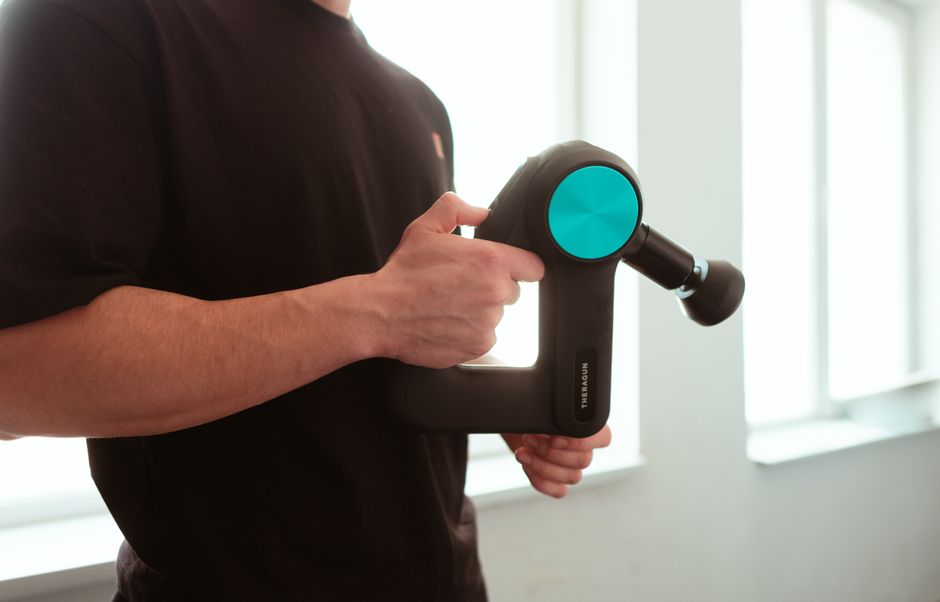
Electric neck massagers are designed to help reduce muscle tightness and support relaxation through kneading motion, vibration therapy, heat therapy, or electrical muscle stimulation. While these devices are not medical treatments, many desk workers use them to improve comfort during or after long workdays.
What an Electric Neck Massager Actually Does
Most electric neck massagers work by stimulating muscles through rhythmic pressure, vibration, or warming functions. The goal is to encourage relaxation, improve circulation, and reduce perceived muscle stiffness.
Popular massage technologies include:
- 3D kneading massage
- Heat therapy
- Pulse stimulation
- Vibration massage
- Compression support
For example, the KentDO™ Neck & Shoulder Massager – Hot Compress Relief combines deep kneading massage with adjustable heat therapy for office recovery routines.

Many users prefer heat-assisted massage because warmth may help loosen stiff muscles after long sitting sessions.
Benefits for Remote Workers and Office Employees
Remote workers frequently experience repetitive strain due to improvised home office setups and extended screen exposure. Electric massage devices may support comfort in several ways:
- Encouraging short relaxation breaks
- Helping reduce shoulder tightness
- Supporting post-work recovery routines
- Improving perceived relaxation
- Promoting awareness of posture habits
Some professionals also combine massage recovery with products from the Foot & Body Comfort collection to support full-body comfort during long workdays.
Heat Therapy vs Vibration Massage Therapy
Heat therapy and vibration therapy offer different recovery experiences.
| Therapy Type | Primary Goal | Best For |
| Heat therapy | Muscle relaxation | Stiffness and tightness |
| Vibration therapy | Muscle stimulation | Fatigue reduction |
| Kneading massage | Deep pressure sensation | Chronic tension |
| EMS pulse therapy | Muscle activation | Targeted stimulation |
Heat therapy is especially popular during colder seasons or after extended periods of inactivity because warmth may improve relaxation and comfort.
When to Use a Neck Massager During the Workday
Strategic timing can improve the effectiveness of ergonomic recovery habits.
- Before work to loosen stiffness
- Midday after long meetings
- During scheduled movement breaks
- After work to reduce accumulated tension
- Before bedtime for relaxation
Many experts recommend keeping massage sessions short and consistent rather than relying on extended, aggressive sessions.
Check latest details here if you want to explore a heat-based recovery option designed for home or office use.
Choosing the Best Electric Massage Device for Neck Relief

Choosing the right recovery device depends on work habits, posture patterns, comfort preferences, and intended usage frequency. Office workers often benefit from lightweight, ergonomic designs that integrate easily into daily routines.
Features That Matter Most for Desk Workers
Important features to evaluate include:
- Quiet operation for office environments
- Adjustable intensity settings
- Comfortable ergonomic fit
- Portable design
- Rechargeable battery life
- Heat functionality
- Easy cleaning materials
Desk workers who travel frequently may prioritize portability and cordless operation over stronger massage intensity.
Cordless vs Plug-In Neck Massagers
| Type | Advantages | Limitations |
| Cordless | Portable and flexible | Limited battery life |
| Plug-in | Consistent power | Less convenient for travel |
| Wearable | Hands-free use | May provide lighter pressure |
| Pillow-style | Comfort-focused | Less mobile during use |
Safety Considerations for Daily Massage Use
Safe usage habits are essential for sustainable recovery routines.
- Avoid excessive pressure or intensity
- Limit sessions to recommended durations
- Stop use if discomfort increases
- Consult a medical professional for chronic pain
- Avoid sleeping with active massage devices
Recovery tools work best when combined with posture improvement and movement habits rather than used as standalone solutions.
Best Device Types for Home Office Recovery
Different device categories support different recovery goals.
| Device Type | Ideal Use Case |
| Wraparound massagers | Deep shoulder and neck pressure |
| U-shaped pillow massagers | Travel and relaxation |
| EMS neck devices | Light stimulation therapy |
| Heating pads | Warmth and muscle relaxation |
The KentDO™ Heated Neck Massager – Deep 3D Shiatsu Relief is an example of a portable pillow-style design focused on travel-friendly comfort and heat-assisted relaxation.

Users looking for broader recovery and wellness setups often explore the Wellness & Relaxation and Warmth & Heat Therapy collections for complementary comfort solutions.
The Complete Ergonomic Recovery System for Neck Pain

Electric massage devices work best when integrated into a complete ergonomic system that supports posture, movement, circulation, and muscle recovery throughout the day.
Why an Ergonomic Office Chair Matters
An ergonomic office chair supports spinal alignment and reduces unnecessary strain on the neck and shoulders. Poor seating often forces users into forward head posture and rounded shoulders.
Key ergonomic chair features include:
- Lumbar support
- Adjustable seat height
- Armrest positioning
- Reclining functionality
- Seat depth support
Proper chair alignment helps distribute body weight more evenly and reduces upper-body tension.
Standing Desk Benefits for Cervical Posture
Standing desks encourage movement variability throughout the day. Alternating between sitting and standing can help reduce prolonged static loading on the neck and upper back muscles.
Benefits may include:
- Improved posture awareness
- Reduced prolonged sitting time
- Better circulation
- Increased movement frequency
- Reduced shoulder stiffness
Desk Posture Correction Techniques That Actually Work
Simple adjustments often create meaningful improvements.
- Keep shoulders relaxed while typing
- Align ears over shoulders
- Place feet flat on the floor
- Avoid craning toward the monitor
- Take movement breaks every 30–60 minutes
Many users also combine posture adjustments with comfort products from the Foot & Body Comfort collection to support healthier sitting positions.
Monitor Height, Keyboard Placement, and Arm Positioning
Workstation setup strongly influences neck strain.
| Ergonomic Element | Recommended Position |
| Monitor top | At or slightly below eye level |
| Keyboard | Close to body |
| Elbows | Approximately 90 degrees |
| Wrists | Neutral alignment |
| Feet | Flat on floor or footrest |
Even small ergonomic corrections can significantly improve comfort during long work sessions.
Best Recovery Habits for Preventing Office Neck Stiffness

Daily recovery habits are often more effective than occasional intense recovery sessions. Consistency matters more than complexity.
Mobility Stretching Exercises for Desk Workers
Simple mobility exercises can help reduce stiffness and improve movement quality.
- Neck side bends
- Shoulder rolls
- Thoracic rotations
- Chest-opening stretches
- Upper trapezius stretches
Gentle movement throughout the day is generally more sustainable than infrequent long workouts for posture recovery.
The Best Short Break Techniques During Work
Micro-breaks can improve circulation, reduce muscle tension, and refresh concentration.
| Break Type | Recommended Duration | Primary Benefit |
| Standing break | 2 minutes | Reduce sitting fatigue |
| Stretching break | 3–5 minutes | Improve mobility |
| Walking break | 5–10 minutes | Boost circulation |
| Breathing exercises | 1–2 minutes | Stress reduction |
Some workers pair short breaks with wellness devices from the Body Care and Health Devices collection to reinforce relaxation habits during demanding workdays.
How Long Neck Strain Takes to Heal
Mild neck stiffness from desk work may improve within days if posture and movement habits change quickly. Chronic tension patterns often require weeks or months of consistent ergonomic improvement and recovery work.
Factors influencing recovery include:
- Severity of posture issues
- Daily sitting duration
- Stress levels
- Sleep quality
- Exercise consistency
- Workstation ergonomics
Sleep Position and Cervical Support Pillow Recommendations
Nighttime recovery plays an important role in reducing chronic stiffness. Poor sleep posture can reinforce neck strain accumulated during the day.
Helpful strategies include:
- Using supportive cervical pillows
- Avoiding stomach sleeping
- Keeping the neck aligned with the spine
- Reducing excessive pillow height
- Maintaining shoulder support
Comfort-focused sleep and relaxation solutions are often paired with products from the Wellness & Relaxation collection to create better nighttime recovery environments.
Daily Office Recovery Routine Using Electric Massage Therapy

Creating a structured recovery routine helps office workers maintain consistency and reduce the accumulation of daily muscle tension.
Morning Desk Preparation Routine
Before starting work:
- Adjust monitor height
- Check chair positioning
- Perform 3–5 minutes of mobility work
- Hydrate before extended sitting
- Plan movement breaks into the schedule
Starting the workday with posture awareness helps reduce strain accumulation later in the day.
Midday Recovery and Stretching Workflow
Midday recovery sessions are often the most effective because muscle tension usually peaks after several hours of sitting.
Helpful midday habits include:
- Brief walking sessions
- Neck mobility exercises
- Shoulder blade activation
- Heat therapy breaks
- Short massage sessions
Many workers use devices like the KentDO™ 26W Neck & Shoulder Massager – Deep Tissue Relief during recovery periods because of its hands-free design and heat-assisted kneading features.

Explore more about this recovery device if you want a stronger deep-tissue massage experience for home office use.
Post-Work Recovery Routine for Shoulder Tension
After work, recovery should focus on reversing prolonged static posture.
- Take a walk outdoors
- Perform gentle upper-body stretching
- Use heat therapy for tight muscles
- Limit additional screen exposure
- Practice diaphragmatic breathing
Evening recovery routines help transition the body away from sustained work-related tension.
Weekly Recovery Habits for Long-Term Posture Improvement
Long-term posture improvement depends on consistent habits rather than occasional intense interventions.
Helpful weekly goals include:
- Strength training for upper back muscles
- Daily posture awareness
- Regular movement breaks
- Stretching consistency
- Workspace reassessment
- Recovery-focused sleep habits
Many users also explore educational resources from the Beauty & Self-Care Blog to support sustainable wellness habits.
Mistakes That Make Neck Pain Worse in Home Offices

Some common habits unintentionally increase muscle tension and prolong recovery timelines.
Using Massage Devices Too Aggressively
Excessive intensity or prolonged massage sessions can irritate sensitive muscles instead of helping recovery. Gentle, consistent sessions are generally more effective than aggressive treatment.
Signs of overuse may include:
- Increased soreness
- Skin irritation
- Headaches
- Muscle sensitivity
- Lingering discomfort
Ignoring Posture While Treating Symptoms
Massage devices can provide temporary relief, but poor posture habits will continue generating strain if workstation ergonomics remain unchanged.
Effective recovery requires:
- Posture awareness
- Movement consistency
- Monitor adjustments
- Chair optimization
- Healthy sitting habits
Poor Laptop Positioning and Couch Working
Couch working often places the neck in extreme flexion and encourages rounded shoulders. Laptops positioned too low force users to look downward for long periods, dramatically increasing cervical strain.
External keyboards, monitor risers, and supportive seating can help improve alignment during remote work.
Skipping Movement Breaks During Long Work Sessions
Remaining seated for hours without movement increases muscular fatigue and reduces circulation. Frequent movement is one of the simplest and most effective recovery strategies available to desk workers.
Even short standing or stretching breaks can help interrupt harmful posture patterns before they become chronic.
Frequently Asked Questions
How does an electric neck massager help reduce office fatigue?
Electric neck massagers may help reduce muscle tension, encourage relaxation, improve comfort, and support recovery after prolonged sitting or repetitive desk work.
How long does neck strain take to heal from desk work?
Mild strain may improve within days, while chronic posture-related discomfort often requires weeks or months of consistent ergonomic improvement and movement habits.
What is the best ergonomic setup for home office neck pain?
A supportive chair, properly positioned monitor, neutral keyboard placement, regular movement breaks, and posture awareness create the foundation of an ergonomic setup.
Can a cervical support pillow improve posture and sleep comfort?
Supportive pillows may help maintain better spinal alignment during sleep and reduce overnight neck strain for some users.
What are the best short break techniques for reducing neck stiffness at work?
Standing breaks, short walks, stretching sessions, breathing exercises, and mobility drills can help reduce stiffness during long workdays.
Are electric neck massagers safe for daily use?
Most devices are intended for short, controlled sessions. Users should follow manufacturer recommendations and avoid excessive intensity or prolonged use.
What causes forward head posture in office workers?
Forward head posture commonly develops from prolonged screen use, low monitor placement, poor sitting habits, and weak upper back support.
Can heat therapy help relieve shoulder tension from desk work?
Heat therapy may help relax tight muscles and improve comfort after long periods of sitting or repetitive work tasks.
How often should desk workers stretch during the workday?
Many ergonomic experts recommend movement or stretching breaks every 30–60 minutes to reduce muscle fatigue and improve circulation.
Do standing desks reduce neck and shoulder pain?
Standing desks can help reduce prolonged sitting time and encourage movement variation, which may improve posture awareness and reduce stiffness for some users.
Conclusion
Sustainable neck pain relief rarely comes from a single device or quick fix. Long-term comfort depends on combining ergonomic workstation design, healthy movement habits, posture awareness, stretching routines, recovery-focused sleep, and supportive relaxation tools.
Electric massage for neck recovery can play a valuable role within a broader ergonomic wellness system, especially for desk workers managing daily tension, stiffness, and posture fatigue. When paired with smarter workstation habits and consistent movement, massage therapy tools may help create a more comfortable and productive work environment.
For readers building a more supportive home office wellness routine, exploring collections like Body Care and Health Devices, Foot & Body Comfort, and Wellness & Relaxation can provide additional ergonomic comfort and recovery ideas.
Pillar Article: Best Home Office Setup for Productivity: Ergonomic Guide for Comfort, Focus, and Posture













