Electric Travel Toothbrushes: The Complete Guide to Portable Oral Care Devices for Travel, Camping, and Everyday Mobility
Maintaining strong oral hygiene while traveling is far more challenging than at home. Whether you're flying internationally, backpacking across countries, or managing short business trips, your daily brushing and flossing routine is often disrupted by limited space, inconsistent water access, and the inconvenience of full-size dental tools.
This is where electric travel toothbrushes and compact oral care systems become essential. Modern portable dental devices are designed to maintain gum health, reduce plaque buildup, and support consistent hygiene routines even in the most minimal travel setups.
This guide breaks down everything you need to know about building a travel-ready oral care system—from toothbrush technology and water flossers to hygiene storage, TSA considerations, and real-world usage strategies for frequent travelers.
Why Portable Oral Care Matters More Than Ever
Travel disrupts nearly every aspect of your daily routine, and oral hygiene is often the first habit to slip. Studies in preventive dentistry consistently show that even short-term interruptions in brushing and flossing can increase plaque accumulation and gum inflammation.
When plaque is not removed effectively, it hardens into tartar, which significantly increases the risk of gingivitis and bad breath. This is especially problematic during travel when sugary snacks, irregular meals, and dehydration are common.
Portable oral care devices help bridge this gap by providing consistent cleaning performance regardless of location. A compact electric toothbrush paired with a travel water flosser or floss picks ensures that your oral microbiome remains stable even when you're away from home.
Key travel oral health challenges
- Limited luggage space for hygiene products
- Inconsistent access to clean water in remote areas
- Battery and charging limitations
- Irregular brushing schedules due to travel fatigue
- Increased sugar intake during trips
What Makes a Great Electric Travel Toothbrush?

Not all electric toothbrushes are suitable for travel. A high-quality travel toothbrush should balance portability, battery life, cleaning performance, and durability.
1. Compact size and protective travel case
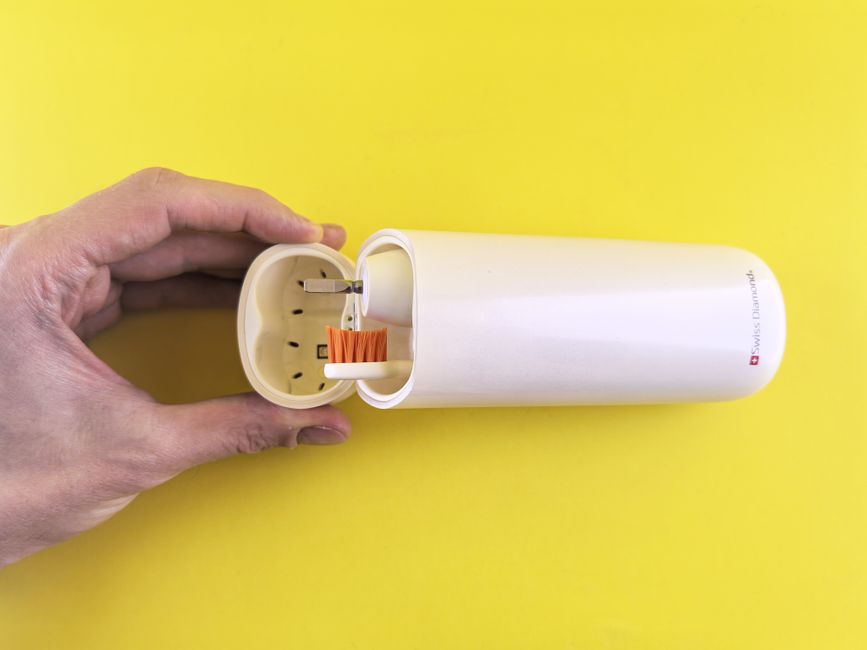
A travel toothbrush should fit easily into carry-on luggage without requiring bulky accessories. A hard-shell case is essential for protecting bristles from contamination.
2. Long battery life and USB charging
Modern travel toothbrushes often feature USB-C charging and battery life ranging from 10–30 days. This eliminates the need for bulky charging docks during trips.
3. Gentle cleaning modes for gum sensitivity
Travel can increase gum sensitivity due to dehydration and diet changes. Soft or sensitive modes help reduce irritation while still removing plaque effectively.
4. Waterproof and durable construction
Waterproof ratings (typically IPX7 or higher) ensure safe usage in bathrooms, showers, or outdoor camping environments.
Electric vs Manual Toothbrush for Travel

| Feature | Electric Travel Toothbrush | Manual Toothbrush |
| Plaque removal efficiency | High (oscillating or sonic technology) | Moderate (depends on technique) |
| Portability | High (compact modern designs) | Very high |
| Ease of use | Very easy | Technique dependent |
| Gum protection | Advanced pressure sensors | User-controlled |
| Battery dependency | Yes | No |
While manual toothbrushes remain a viable option for extreme minimalists, electric models significantly improve cleaning consistency, especially during irregular travel routines.
How Water Flossers Fit Into Travel Oral Care

Water flossers are becoming increasingly popular among travelers who want deeper interdental cleaning without traditional string floss. These devices use a pressurized stream of water to remove debris between teeth and along the gumline.
Benefits of portable water flossers
- More comfortable for sensitive gums
- Effective for braces and dental work
- Faster than traditional flossing
- Reduces gum bleeding over time
For travel, compact cordless water flossers are ideal. They typically feature rechargeable batteries and detachable water reservoirs designed for easy cleaning in hotel bathrooms or campsites.
Building a Complete Travel Oral Care System

A complete portable oral hygiene setup goes beyond just a toothbrush. It should function as a mini dental care system designed for consistency and simplicity.
Core components of a travel oral care kit
- Electric travel toothbrush
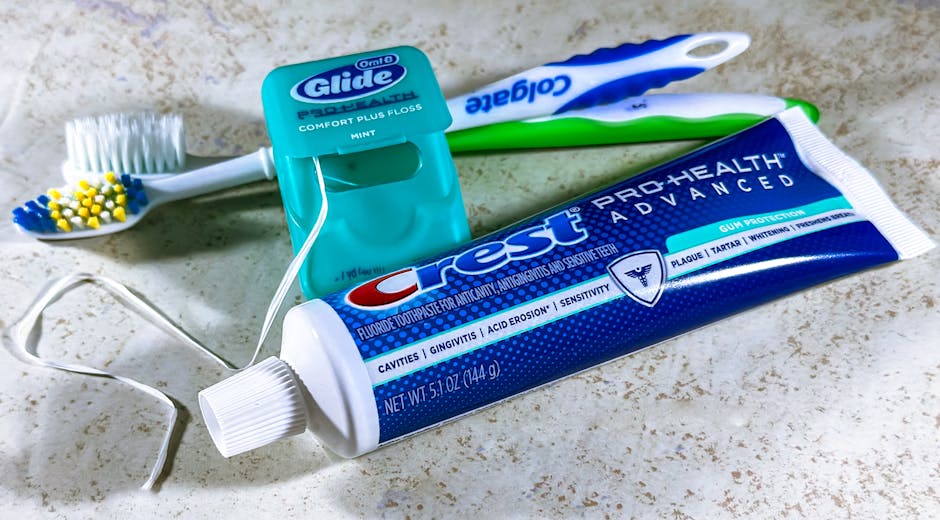
- Compact toothpaste tube
- Travel floss or water flosser
- Tongue scraper
- Protective storage case
For organized travelers, integrating oral care into a broader system such as a oral care devices collection helps maintain consistency and simplifies packing decisions.
How to Maintain Oral Hygiene While Traveling

Consistency is more important than perfection when it comes to travel oral hygiene. Even a simplified routine can protect against plaque buildup and gum inflammation.
Morning travel routine
- Brush for 2 minutes using a soft or sensitive mode
- Clean tongue surface to reduce bacteria buildup
- Hydrate immediately after waking
Evening travel routine
- Brush thoroughly after final meal
- Use floss or water flosser
- Rinse with water or mild mouthwash
For travelers who frequently experience dry mouth or irritation, integrating hydration-focused habits from a skincare & hydration collection can indirectly support oral health.
Travel Scenarios and Device Recommendations
Business travel
Business travelers benefit from ultra-compact electric toothbrushes with USB charging and silent operation. These devices fit easily into toiletry kits and can be used discreetly in shared accommodations.
Backpacking and camping
For outdoor travel, durability and battery life become the most important factors. Waterproof devices and manual backup options are recommended.
Long-haul flights and layovers
Travel toothbrushes with protective cases are ideal for freshening up during long flights. Portable floss picks are also useful for quick cleaning between meals.
Comparison Matrix: Key Features of Travel Oral Care Devices
| Feature | Travel Electric Toothbrush | Portable Water Flosser | Manual Travel Kit |
| Best for plaque removal | High | Medium–High | Low–Medium |
| Portability | High | Medium | Very High |
| Gum sensitivity support | High | Very High | Low |
| Ease of use | Very Easy | Easy | Moderate |
| Travel durability | High | Medium | High |
Expert Insight on Travel Oral Care
“Most patients underestimate how quickly plaque builds up during travel. Even a 3–4 day disruption in brushing quality can lead to early gum inflammation. A portable electric toothbrush is one of the simplest ways to maintain dental stability on the road.” — Dr. Laura Mitchell, DDS, Preventive Dentistry Specialist
Common Mistakes Travelers Make With Oral Hygiene

Skipping nighttime brushing due to fatigue
This is one of the most common issues. Nighttime brushing is critical because saliva production decreases during sleep, increasing bacterial activity.
Relying only on mouthwash
Mouthwash alone cannot remove plaque. It should only complement brushing and flossing.
Not cleaning travel toothbrush properly
Moist environments inside travel cases can promote bacterial growth if toothbrush heads are not dried properly.
How to Store Oral Care Devices While Traveling
Proper storage is essential for hygiene and device longevity. Always allow toothbrush heads to dry before sealing them in a case. Water flossers should be emptied after each use to prevent mold buildup.
Travelers who want structured packing systems can explore a lifestyle collection that includes compact hygiene and travel organization tools.
Long-Term Benefits of Consistent Travel Oral Care
Maintaining oral hygiene while traveling is not just about preventing bad breath. Long-term consistency helps reduce gum disease risk, maintain enamel strength, and prevent costly dental treatments.
Over time, travelers who maintain structured routines report fewer issues with sensitivity, less bleeding gums, and improved overall oral comfort during trips.
Quick Travel Oral Care Checklist
- Pack compact electric toothbrush with case
- Include travel-size toothpaste
- Bring floss or water flosser
- Carry tongue scraper for fresh breath
- Ensure charging cable compatibility
- Dry all devices before storage
FAQ: Electric Travel Toothbrushes and Portable Oral Care
Why do electric travel toothbrushes work better than manual brushes?
They provide consistent oscillation or sonic cleaning, which removes more plaque with less effort compared to manual brushing.
Are water flossers necessary for travel?
They are not essential but highly beneficial for users with sensitive gums, braces, or recurring gum inflammation.
How long should a travel toothbrush battery last?
Most quality devices last between 10 and 30 days depending on usage and mode settings.
Can I bring electric toothbrushes on a plane?
Yes, electric toothbrushes are allowed in carry-on luggage and are TSA-friendly.
What is the best way to clean a travel toothbrush?
Rinse thoroughly after each use, allow it to air dry, and store it in a ventilated case.
Conclusion: Building a Reliable Oral Care System for Travel
Travel should not compromise oral health. With the right combination of compact tools and consistent habits, maintaining clean teeth and healthy gums becomes effortless anywhere in the world.
Electric travel toothbrushes, portable flossing systems, and structured hygiene routines form the foundation of modern travel oral care. When used consistently, they help prevent plaque buildup, reduce gum irritation, and ensure long-term dental health regardless of destination.
Pillar Article: Oral Hygiene Routines: Beginner-to-Pro Daily Dental Guide