Electric vs Manual Toothbrushes: Dentist-Style Guide for Plaque, Sensitivity & Travel
Most people brush twice a day and still deal with plaque buildup, bleeding gums, or persistent bad breath. The issue is often not effort—it’s technique, consistency, and the type of toothbrush being used. Electric vs manual toothbrushes isn’t just a preference debate; it directly affects how effectively plaque is disrupted at the gumline, how much pressure is applied, and how well daily habits are maintained over time.
This guide breaks down the real differences in a dentist-style framework so you can understand what actually improves oral health outcomes—not just what looks convenient on the surface.
Electric vs Manual Toothbrushes: Quick Verdict for Different Oral Care Needs

The best toothbrush depends on your oral condition, brushing habits, and lifestyle. Both electric and manual toothbrushes can clean effectively when used correctly, but they differ significantly in consistency and plaque removal efficiency.
Best Choice for Plaque Removal
Electric toothbrushes generally outperform manual brushing in plaque disruption because of consistent oscillating or sonic motion. These movements reduce reliance on user technique, helping clean along the gumline more evenly.
Best Choice for Sensitive Gums and Teeth
Manual toothbrushes offer full control over pressure, but electric toothbrushes with pressure sensors can actually reduce over-brushing—one of the main causes of gum irritation.
Best Choice for Travel and Simplicity
Manual brushes are lightweight and require no charging, making them simple for short trips. However, modern electric brushes with long battery life now compete closely in convenience.
Best Choice for Braces and Orthodontic Cleaning
Electric toothbrushes and water flossing systems are significantly more effective at removing plaque around brackets and wires where manual brushes often miss hidden buildup.
How Electric and Manual Toothbrushes Actually Remove Plaque
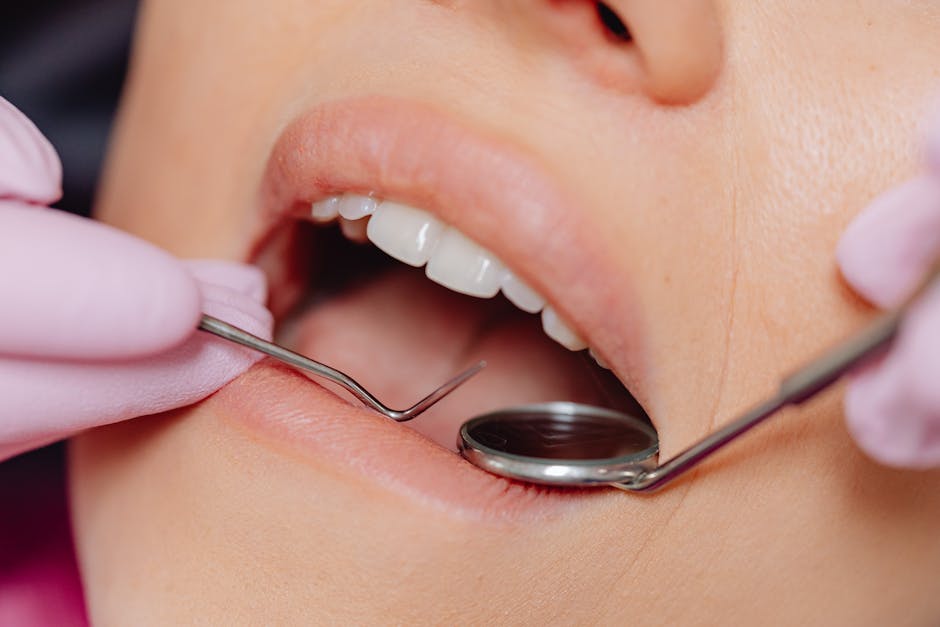
To understand the difference, it’s important to look at how plaque is physically removed from teeth. Plaque is a sticky bacterial film that adheres to enamel and especially accumulates along the gumline and between teeth.
What Causes Plaque Buildup Even When You Brush Daily
Even with twice-daily brushing, plaque can remain in hard-to-reach areas. Common issues include rushed brushing, incorrect angles, and insufficient cleaning time per quadrant of the mouth.
Oscillating Toothbrush Technology Explained
Oscillating toothbrushes use rapid rotational movement to break up plaque more efficiently than static brushing. The motion helps lift debris away from the tooth surface rather than relying solely on manual scrubbing.
How Sonic Toothbrushes Work
Sonic toothbrushes use high-frequency vibrations that create fluid dynamics around the teeth. This allows cleaning beyond direct bristle contact, reaching slightly between teeth and along the gumline.
Manual Brushing Technique: Why Most People Overbrush
Manual brushing often leads to excessive pressure. Many users assume harder brushing equals cleaner teeth, but this can wear down enamel and irritate gums over time, increasing sensitivity instead of improving cleanliness.
Are Electric Toothbrushes Better Than Manual Toothbrushes for Plaque Removal?
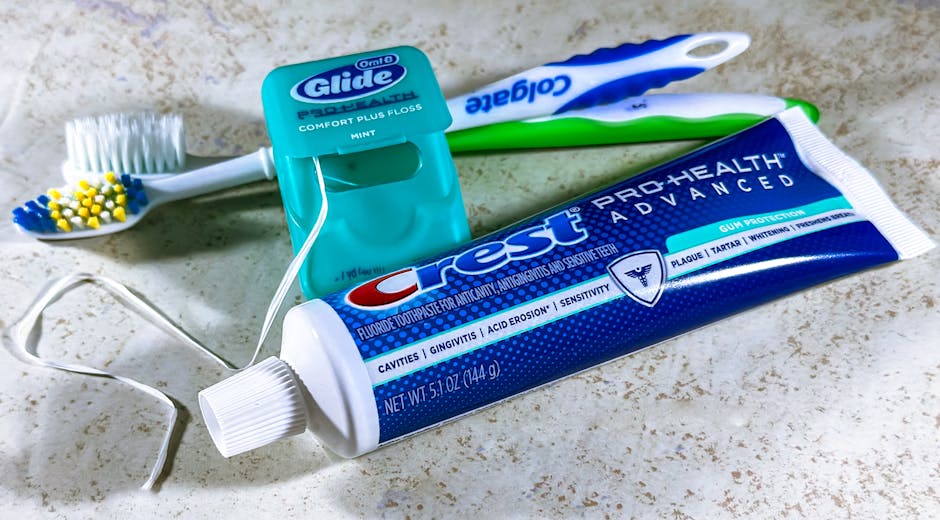
In most clinical comparisons, electric toothbrushes show a measurable advantage in plaque reduction and gingivitis control. However, technique still matters. A poorly used electric toothbrush is still less effective than a properly used manual one.
What Clinical Observations Suggest
Consistent brushing technique and coverage are more important than brushing force. Electric toothbrushes improve consistency, especially for users with inconsistent habits.
The biggest advantage of electric toothbrushes is not speed—it’s standardization. Built-in timers and guided brushing patterns reduce missed areas.
Why Consistency Matters More Than Brushing Speed
Most oral health issues stem from inconsistency rather than lack of effort. Electric toothbrushes help maintain consistent motion, reducing variation between brushing sessions.
How Built-In Timers Improve Daily Brushing Habits
Timers ensure users brush for the recommended duration, helping prevent under-brushing in rushed mornings or evenings.
Best Toothbrush Choice for Sensitive Teeth and Bleeding Gums
Sensitivity and gum bleeding are often signs of inflammation or over-brushing. Choosing the right toothbrush plays a major role in recovery and prevention.
Can Electric Toothbrushes Damage Gums?
Electric toothbrushes do not inherently damage gums. Damage typically comes from improper use, especially pressing too hard. Modern devices often include pressure sensors to prevent this issue.
Pressure Sensors and Gum Protection Features
Advanced electric toothbrushes reduce intensity automatically when too much force is applied, helping protect gum tissue from repeated trauma.
Best Bristle Types for Sensitive Teeth Care
Soft bristles are essential for sensitive gums. They clean effectively while minimizing abrasion on enamel and soft tissue.
When Gum Recession Is a Brushing Technique Problem
In many cases, gum recession is linked to aggressive brushing habits rather than toothbrush type alone. Adjusting pressure and angle can significantly improve gum health over time.
Recommended Electric Toothbrush for Sensitive Care
For users dealing with sensitivity or early gum issues, a controlled electric brushing system can help reduce pressure variability while maintaining deep cleaning performance.
This electric toothbrush features multiple cleaning modes, including a gentle setting designed specifically for sensitive gums. Its smart timer and controlled vibration help improve brushing consistency while minimizing over-brushing risk.

How to Use an Electric Toothbrush Properly Without Damaging Gums

One of the most common mistakes users make is treating an electric toothbrush like a manual one. This reduces effectiveness and can cause irritation.
Step-by-Step Electric Toothbrush Technique
- Place the brush head at a 45-degree angle toward the gumline
- Let the brush do the work—avoid scrubbing motion
- Move slowly across each tooth section
- Follow the built-in timer for full coverage
Common Mistakes That Cause Gum Irritation
Pressing too hard, rushing through brushing, and skipping inner tooth surfaces are the most common errors.
How Long You Should Brush Each Area
Each quadrant of the mouth should receive roughly 30 seconds of focused cleaning to ensure balanced plaque removal.
Manual Toothbrush Advantages Most Comparison Articles Ignore
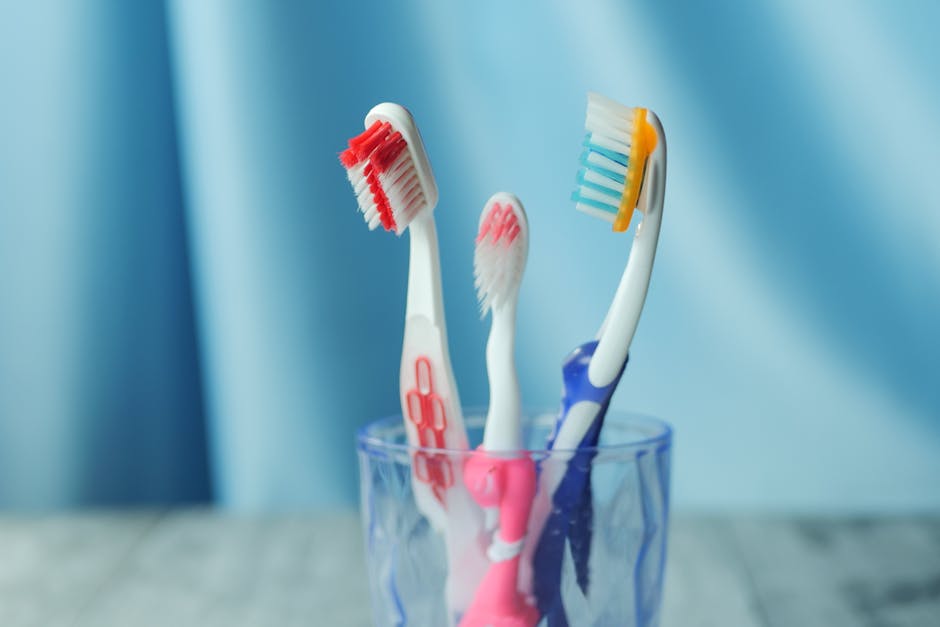
While electric toothbrushes are often highlighted as superior, manual brushes still offer meaningful advantages in specific contexts.
Why Some Dentists Still Recommend Manual Toothbrushes
Manual brushing allows precise control over pressure and angle, which can be beneficial for users with strong technique discipline.
Better Control for Certain Users
Some individuals prefer tactile feedback, especially those who are sensitive to vibration or motion-based cleaning.
Cost and Simplicity Benefits
Manual toothbrushes are widely accessible, require no charging, and are easy to replace, making them practical for basic oral care routines.
Electric Toothbrush Buying Guide: What Actually Matters

Choosing an electric toothbrush is less about brand hype and more about understanding features that affect oral health outcomes.
Oscillating vs Sonic Toothbrushes
Oscillating brushes rely on rotating heads, while sonic brushes use high-frequency vibrations. Both can be effective depending on brushing consistency.
Pressure Sensors, Timers, and Smart Features
Pressure sensors prevent gum damage, while timers improve brushing duration consistency. These features often matter more than extra brushing modes.
Battery Life and Charging Considerations
Long battery life is particularly important for travel or busy routines where frequent charging is inconvenient.
Recommended Oral Care Setup
For enhanced plaque control, many users combine electric brushing with targeted interdental cleaning tools.
Explore more in the Oral Care Devices collection for complete brushing systems and hygiene upgrades.
Best Electric Toothbrush for Travel, Braces, and Everyday Routines
Travel and orthodontic care require additional attention because plaque buildup tends to increase when routines are disrupted.
Best Travel Electric Toothbrush Features
Compact design, long battery life, and protective travel cases are essential for maintaining hygiene on the go.
Oral Hygiene Tips for Frequent Travelers
Travelers often benefit from portable cleaning tools that maintain consistency even outside home environments.
Portable Water Flosser for Deep Cleaning
For users who need deeper interdental cleaning—especially with braces or tight spacing—a water flosser significantly improves plaque removal efficiency.
KentDO™ Portable Water Flosser
This oral irrigator uses targeted water pressure to remove debris between teeth and along the gumline. It is especially helpful for braces users and anyone struggling with gum inflammation or food retention.

Best Toothbrush Setup for Braces Oral Hygiene
Braces require multi-step cleaning: electric brushing for surface plaque and water flossing for interdental areas. This combination significantly reduces plaque accumulation around brackets.
Combining Electric Toothbrushes with Water Flossers
Using both tools together creates a more complete oral hygiene system, improving gum health and reducing long-term buildup risks.
Many users pair these tools with items from the Oral Care Devices collection to build a complete at-home dental routine.
Electric vs Manual Toothbrushes by User Type
The best choice depends on lifestyle, oral health condition, and consistency habits.
Best Option for Beginners
Electric toothbrushes simplify technique and reduce dependency on manual skill.
Best Option for Adults with Gum Sensitivity
Controlled pressure and soft modes make electric options more forgiving for sensitive users.
Best Option for Busy Professionals and Travelers
Long battery life and built-in timers help maintain consistency even with irregular schedules.
Dentist-Style Daily Brushing Routine for Better Oral Health

Effective oral care is not just about the toothbrush—it’s about the routine structure.
Morning Oral Care Routine
A consistent morning routine helps remove overnight bacterial buildup and prepares the mouth for daily activity.
Nighttime Plaque Removal Routine
Night brushing is the most important step, as saliva production decreases during sleep, allowing bacteria to grow more easily.
How Mouthwash and Water Flossers Fit Into the Routine
Water flossers improve interdental cleaning, while mouthwash helps reduce bacterial load. Together, they enhance overall oral hygiene.
Explore supportive tools in the Oral Care Devices collection to complete your routine setup.
A consistent 2-minute brushing routine twice daily is more impactful than occasional intensive cleaning sessions.
Frequently Asked Questions
Are electric toothbrushes better than manual toothbrushes for plaque removal?
Electric toothbrushes generally provide more consistent plaque removal due to automated motion, but proper manual brushing can still be effective.
What is the best electric toothbrush for beginners with sensitive gums?
A toothbrush with soft modes, pressure control, and timers is ideal for beginners and sensitive users.
How do you use an electric toothbrush properly without damaging gums?
Use light pressure, let the brush move naturally, and avoid scrubbing motion across teeth.
Can electric toothbrushes help prevent gum disease?
Yes, when used consistently and correctly, they help reduce plaque buildup that contributes to gum disease.
Are manual toothbrushes still recommended by dentists?
Yes, especially when used with correct technique and consistent brushing habits.
Final Thoughts on Electric vs Manual Toothbrushes
The most effective toothbrush is the one that improves consistency, reduces plaque buildup, and supports healthy gum behavior over time. Electric toothbrushes provide structural advantages in timing and motion control, while manual brushes still work well when technique is strong and consistent.
Long-term oral health depends less on the tool itself and more on how reliably it is used every day, along with proper cleaning habits and supportive oral care tools.
Pillar Article: Oral Hygiene Routines: Beginner-to-Pro Daily Dental Guide