

Energy Efficient Heating Solutions: Best Ways to Stay Warm for Less in 2026
Rising winter energy costs are pushing many households and remote workers to rethink how they heat their spaces. Traditional heating systems often waste energy through poor insulation, outdated controls, and inefficient heat distribution—leading to higher bills without consistent comfort. At the same time, modern lifestyles demand stable indoor temperatures for productivity, sleep quality, and overall wellbeing.
This guide breaks down the most effective energy efficient heating solutions available in 2026, comparing technologies, costs, and real-world use cases. Whether you're optimizing a home office, upgrading a full-house system, or simply trying to reduce monthly utility bills, this roadmap helps you make smarter, ROI-focused decisions for long-term comfort.
For more ways to build a comfortable living environment, explore our Winter Wellness & Relaxation collection and Warmth & Heat Therapy collection for additional indoor comfort solutions.
Why Energy Efficient Heating Matters More in 2026

Energy efficiency is no longer just about saving money—it directly impacts comfort, productivity, and even health. With fluctuating energy prices and increasing awareness of sustainable living, homeowners are shifting toward smarter heating systems that reduce waste while improving thermal comfort.
The Hidden Cost of Inefficient Indoor Heating
Many homes lose a significant portion of heat through windows, walls, and poorly insulated floors. This forces heating systems to work harder, consuming more electricity or fuel. Over time, this inefficiency compounds into higher bills and inconsistent room temperatures, especially in older buildings.
What Makes a Heating Solution Truly Energy Efficient?
An efficient heating system does more than generate heat—it distributes it intelligently. Key factors include zoning capability, insulation compatibility, smart temperature control, and low standby energy consumption. Modern systems also use automation to adjust heat output based on occupancy and external weather conditions.
How Indoor Thermal Comfort Affects Sleep, Focus, and Workspace Productivity
Studies consistently show that indoor temperature affects cognitive performance and physical comfort. Cold environments reduce concentration, while overheating leads to fatigue. For remote workers, maintaining balanced thermal comfort is essential for productivity and long-term health.
To improve workspace comfort holistically, many users combine heating upgrades with ergonomic accessories from the Lifestyle collection and comfort-focused tools from the Foot & Body Comfort collection.
Quick Comparison: Best Energy Efficient Heating Solutions for Homes

Heating Efficiency Comparison Table
| Heating Type | Efficiency Level | Best Use Case | Cost Range |
| Heat Pumps | Very High | Whole-home heating | High upfront, low running cost |
| Infrared Panels | High | Targeted room heating | Medium |
| Ceramic Space Heaters | Medium | Small rooms / spot heating | Low |
| Smart Thermostats | Optimization Tool | System-wide efficiency | Medium |
Average Operating Cost by Heating Type
Heat pumps typically offer the lowest long-term operating costs due to high efficiency ratios. Infrared systems reduce waste by directly heating objects instead of air. Ceramic heaters, while affordable, consume more electricity when used for extended periods.
Best Heating Option by Room Size and Lifestyle
Small apartments benefit from portable heaters or infrared panels, while larger homes require centralized systems like heat pumps. Home offices often perform best with localized heating combined with insulation improvements.
Heat Pumps: The Most Efficient Whole-Home Heating Upgrade

Heat pumps are widely considered the gold standard for energy efficient heating. Instead of generating heat, they transfer it from outside air or ground sources into your home, drastically reducing electricity consumption compared to traditional systems.
How Heat Pumps Work
Heat pumps move thermal energy rather than creating it, making them significantly more efficient than resistance-based electric heaters. This process allows them to deliver multiple units of heat for every unit of electricity consumed.
Heat Pump Efficiency vs Traditional Electric Heating
Compared to standard electric heaters, heat pumps can reduce energy usage by up to 60–75%, depending on climate conditions and insulation quality. This makes them one of the most cost-effective long-term solutions for whole-home heating.
When a Heat Pump Is Worth the Investment
Heat pumps are ideal for homeowners in moderate climates or well-insulated buildings. While upfront installation costs are higher, long-term savings on utility bills often offset the investment within a few years.
To enhance localized comfort alongside whole-home systems, many users combine heating setups with supportive wellness tools from the Body Care and Health Devices collection.
Best Supplementary Heating Example
While not a heat pump, compact thermal comfort tools can complement large systems during peak cold periods or workstation use.

Electric Heating Pad with 10 Heat Levels for Fast Relief offers localized warmth for cold days, making it a useful companion in energy-conscious households where full-room heating is not always necessary.
Infrared Heating Panels vs Ceramic Space Heaters
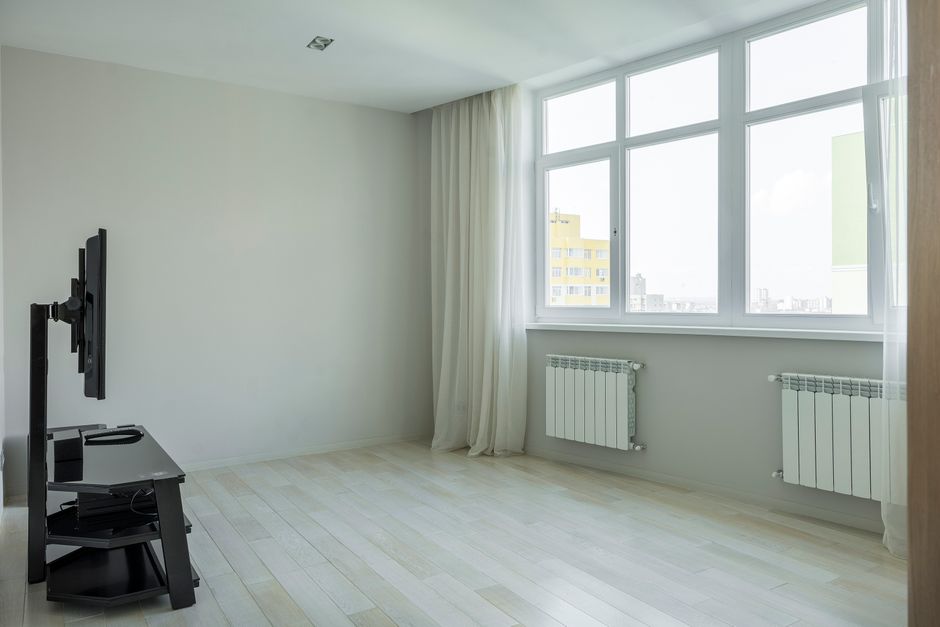
Infrared and ceramic heaters serve very different roles in modern energy-efficient homes. Infrared panels focus on radiant heat transfer, while ceramic heaters rely on warming air through convection.
Are Infrared Heating Panels More Efficient Than Space Heaters?
Yes—infrared systems are generally more efficient for targeted heating because they reduce heat loss by directly warming objects and people instead of circulating air that can escape through drafts.
Best Use Cases for Ceramic Space Heaters
Ceramic heaters remain popular for quick, portable heating in small rooms or temporary use cases such as bathrooms or personal workspaces.
Comfort Differences
Infrared heating feels more natural and consistent, while ceramic heaters provide faster but less stable temperature increases. Air quality is also better maintained with infrared systems due to reduced air movement.
Smart Thermostats and Automated Heating Control
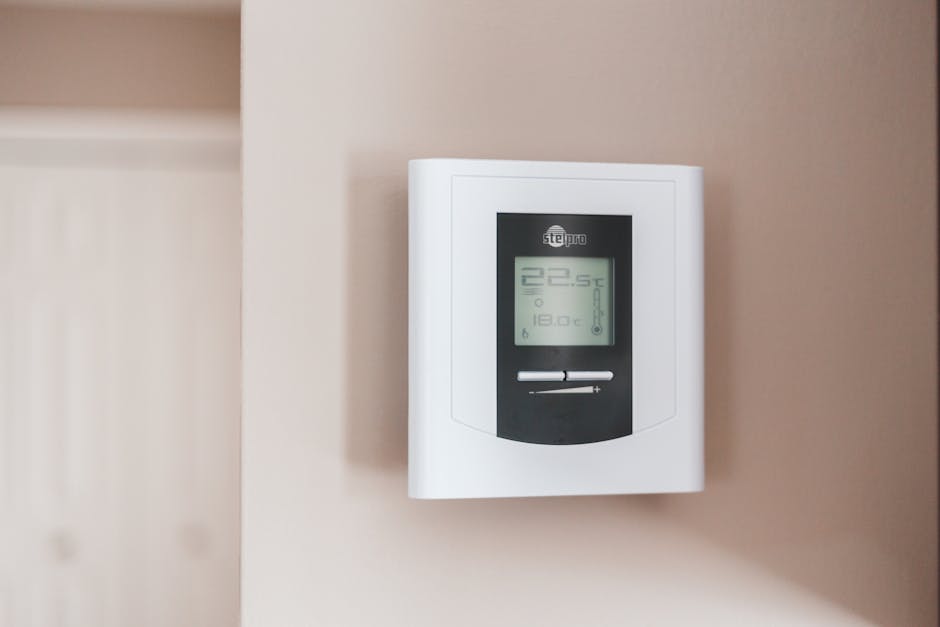
Smart thermostats play a critical role in reducing energy waste by learning user behavior and adjusting temperatures automatically. Instead of running continuously, they optimize heating schedules based on occupancy and time of day.
How Smart Thermostats Reduce Energy Waste
By integrating sensors and automation, smart thermostats eliminate unnecessary heating cycles. This ensures rooms are only heated when needed, significantly reducing monthly energy consumption.
Best Smart Thermostat Features for 2026
Key features include AI-based learning, mobile app control, energy usage analytics, and multi-zone temperature management.
Integrating Smart Heating With Air Circulation Systems
Combining smart thermostats with ceiling fans or airflow systems helps distribute heat evenly, improving overall efficiency without increasing energy consumption.
For improved indoor environments, many homeowners also explore air quality and comfort solutions in the Winter Skincare & Hydration collection.
Low-Cost Ways to Stay Warm Without Increasing Electricity Bills

Not all heating improvements require major investments. Small changes in insulation, airflow, and daily habits can significantly reduce energy loss.
Thermal Curtains and Winter Insulation Solutions
Thermal curtains help trap heat inside rooms by reducing window-based heat loss. Combined with weather stripping, they can improve overall energy retention.
How Air Leaks Increase Heating Costs
Even small gaps around doors and windows allow warm air to escape. Sealing these leaks is one of the fastest ways to improve heating efficiency.
Using Air Circulation to Improve Heating Efficiency
Ceiling fans set to low speed can help distribute warm air more evenly across rooms, reducing the need for additional heating output.
Best Heating Setup for a Home Office Workspace

Home offices require a unique balance of comfort and efficiency. Overheating or underheating can both reduce focus and productivity, making localized heating solutions especially important.
Why Workspace Temperature Affects Productivity
Thermal discomfort reduces cognitive performance and increases fatigue. Maintaining stable warmth in a workspace helps improve focus and work consistency throughout the day.
Recommended Heating Setup for Small Home Offices
A combination of localized heat sources and ergonomic comfort tools often works best for compact workspaces.

KentDO™ Heated Neck and Shoulder Pad is designed for desk workers experiencing stiffness from long sitting hours. Its targeted warmth supports comfort without requiring full-room heating, making it an efficient workspace companion.
Balancing Warmth, Noise Reduction, and Air Quality
Combining quiet heating tools with noise-reducing environments improves both focus and relaxation during long working hours.
Explore more supportive workspace solutions in the Wellness & Relaxation collection.
Ergonomic Heating Placement Tips
Position heating sources away from direct airflow paths to avoid uneven heating. Maintain safe distances from desks and ensure consistent circulation for maximum comfort.
How to Choose the Right Heating Solution for Your Home

Choosing the right system depends on climate, room size, insulation quality, and usage habits. Instead of focusing on a single product, it’s more effective to design a layered heating strategy.
Decision Tree: Choose Based on Budget, Climate, and Room Size
Low-budget users benefit from portable heating devices, while high-efficiency seekers should consider heat pumps combined with smart thermostats and insulation upgrades.
Understanding Energy Efficiency Ratings Before Buying
Efficiency ratings such as COP and energy labels help determine how much heat is produced per unit of energy consumed. Higher values indicate better performance and lower long-term costs.
Common Heating Mistakes That Waste Energy
Overheating rooms, ignoring insulation, and using inefficient portable heaters for long durations are among the most common mistakes that increase energy bills unnecessarily.
2026 Heating Trends Homeowners Should Watch
Heating technology is rapidly evolving toward smarter, more adaptive systems that integrate AI, renewable energy, and advanced insulation strategies.
AI-Driven Smart Heating Systems
Future systems will predict usage patterns and adjust heating automatically for maximum efficiency and comfort.
Ultra-Low Energy Home Heating Designs
Passive heating techniques combined with advanced insulation materials are reducing reliance on active heating systems.
The Growing Popularity of Infrared Heating
Infrared systems continue to grow due to their simplicity, efficiency, and improved comfort experience compared to traditional convection heating.
“Energy efficiency is no longer a luxury upgrade—it is becoming the baseline expectation for modern home comfort systems. The smartest heating strategies combine technology, insulation, and behavioral adjustments rather than relying on a single device.”
FAQ: Energy Efficient Heating Solutions
What are the most energy efficient heating solutions for homes in 2026?
Heat pumps, infrared heating systems, and smart thermostats are among the most efficient options due to their ability to optimize energy usage and reduce waste.
How can I stay warm indoors without increasing electricity bills?
Improving insulation, sealing air leaks, using layered heating strategies, and optimizing thermostat settings can significantly reduce energy consumption.
Are infrared heating panels more efficient than space heaters?
Yes, infrared panels are generally more efficient because they directly heat objects instead of warming air that can easily escape.
What is the best heating setup for a home office workspace?
A combination of localized heating, ergonomic comfort tools, and smart temperature control provides the best balance of efficiency and productivity.
How do smart thermostats improve indoor thermal comfort and efficiency?
They automate temperature control based on occupancy and usage patterns, reducing wasted energy while maintaining consistent comfort.
Do heat pumps save money compared to electric heaters?
Yes, heat pumps are significantly more efficient and can reduce long-term heating costs by up to 60–75% depending on usage.
What heating system works best for small apartments?
Infrared panels or portable ceramic heaters are typically best due to their compact size and targeted heating capability.
Are thermal curtains really effective during winter?
Yes, they help reduce heat loss through windows and improve overall room insulation.
How can I improve heating efficiency in older homes?
Sealing drafts, upgrading insulation, and using zoned heating strategies can dramatically improve efficiency in older buildings.
What temperature is best for indoor comfort and productivity?
Most people perform best in temperatures between 20–22°C (68–72°F), depending on humidity and personal preference.
Conclusion: Building a Smarter Heating Strategy
The most effective approach to energy efficient heating in 2026 is not relying on a single device, but combining multiple strategies—efficient systems like heat pumps, smart automation, and simple insulation improvements. When paired with targeted comfort tools, homeowners can significantly reduce energy costs while improving daily comfort and productivity.
To continue optimizing your indoor environment, explore more comfort-focused solutions in the Body Care and Health Devices collection and build a smarter, more efficient home setup today.
Pillar Article: Best Home Office Setup for Productivity: Ergonomic Guide for Comfort, Focus, and Posture













