

Essential Oils for Relaxation Bath: Complete Aromatherapy Bath Blueprint for Beginners
Modern stress rarely switches off at the end of the day. Long work hours, endless notifications, dry indoor air, poor sleep habits, and emotional fatigue can leave both the body and mind feeling overstimulated. That is why more people are turning to aromatherapy baths and home spa rituals as part of a sustainable self-care routine. A warm bath infused with carefully chosen essential oils can create a calming environment that supports relaxation, mindfulness, skin comfort, and better evening habits.
This complete beginner-friendly guide explains how to safely use essential oils in baths, how to build a realistic home spa routine, and how to combine aromatherapy with hydration, meditation, scalp care, exfoliation, and sleep-focused wellness habits. Whether you are exploring stress relief rituals for the first time or refining your nighttime self-care routine, this guide offers a practical blueprint you can personalize over time.
Many people also explore tools and wellness accessories from the Wellness & Relaxation collection to support calming evening rituals, meditation habits, and restorative home spa environments.
Why Aromatherapy Baths Are Becoming a Core Home Wellness Ritual
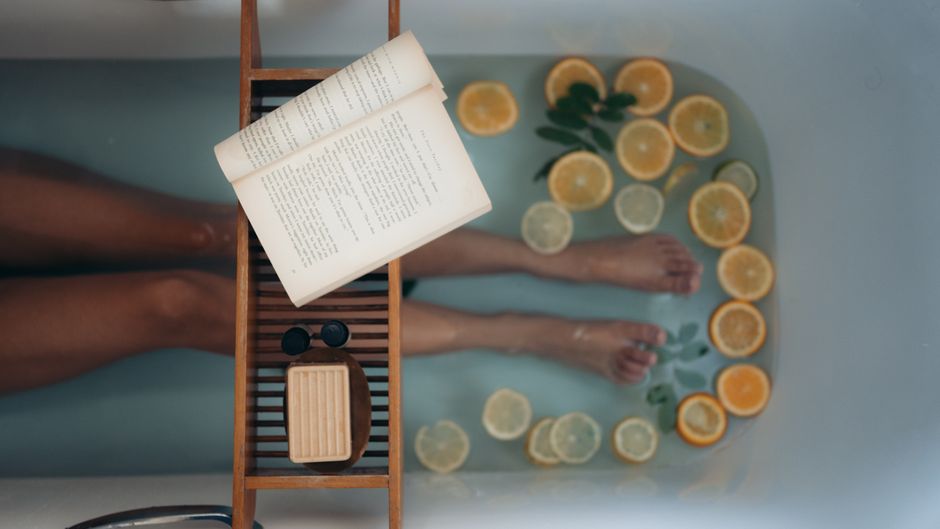
Aromatherapy baths combine warm water immersion with aromatic plant oils to create a sensory relaxation experience. Unlike complicated wellness trends, aromatherapy baths are accessible, customizable, and easy to integrate into everyday routines.
What Is Aromatherapy and How Does It Work During a Bath?
Aromatherapy uses concentrated botanical extracts known as essential oils to create specific sensory experiences. During a bath, warm water and steam help disperse aroma molecules into the air while the body relaxes in heat. Different scents are often associated with different emotional effects. Lavender is commonly used for calmness, peppermint for mental refreshment, and eucalyptus for spa-like clarity.
The sensory experience matters just as much as the ingredients themselves. Lighting, temperature, sound, breathing, and mindfulness all contribute to how relaxing a bath feels. This is why many modern home spa routines combine aromatherapy with meditation, scalp massage, gentle exfoliation, and hydration practices.
How Warm Baths Support Relaxation, Sleep, and Mindfulness
Warm baths can help encourage physical relaxation by soothing tense muscles and creating a transition away from daily stimulation. Many people use evening baths as a signal that the workday is ending and rest is beginning. This habit-building aspect is often overlooked but extremely important.
Adding calming music, dim lighting, candles, or guided breathing can transform a basic bath into a mindfulness ritual. Some people also combine bath rituals with products and tools from the Warmth & Heat Therapy collection to create a more complete recovery-focused environment.
Why Beginners Prefer At-Home Spa Rituals for Daily Stress Relief
Professional spa visits can feel expensive or difficult to schedule regularly. Home spa routines offer flexibility and consistency. Even a 20-minute evening routine can become a powerful emotional reset when repeated consistently.
Beginners also appreciate that home spa rituals can be adapted to different goals:
- Stress relief after work
- Sleep preparation
- Skin hydration support
- Scalp and hair relaxation
- Mindfulness and meditation practice
- Cold weather self-care
- Muscle comfort and recovery
For additional wellness inspiration and educational resources, many readers also explore the Beauty & Self-Care Blog for broader self-care frameworks and seasonal wellness tips.
Best Essential Oils for Relaxation Bath Routines

Choosing the right essential oils depends on your wellness goals. Some oils are associated with calmness and sleep, while others create refreshing or cleansing sensations.
Lavender Essential Oil for Sleep and Emotional Calm
Lavender is one of the most popular beginner-friendly essential oils because of its soft floral scent and calming reputation. Many people use lavender in evening baths to support relaxation and transition into bedtime routines.
Lavender pairs well with:
- Epsom salts
- Chamomile
- Warm milk baths
- Mindfulness meditation
- Nighttime journaling
Chamomile Essential Oil for Stress Relief and Gentle Evening Rituals
Chamomile is often chosen for quiet evening rituals because of its soothing aroma. It works especially well in baths focused on emotional reset, gentle self-care, and sleep preparation.
Chamomile blends well with lavender and sandalwood for a soft nighttime atmosphere.
Eucalyptus Essential Oil for Clear Breathing and Spa-Like Showers
Eucalyptus creates a clean and refreshing aroma often associated with luxury spa environments. Many people enjoy eucalyptus baths during colder months or after physically demanding days.
Eucalyptus also pairs naturally with shower steam routines and scalp care rituals. Wellness-focused routines often combine aromatherapy with items from the Cold & Flu Relief collection during seasonal transitions.
Peppermint Essential Oil for Mental Refresh and Tension Relief
Peppermint creates a cooling and energizing sensory experience. While lavender is commonly associated with sleep, peppermint is often used earlier in the evening when mental refreshment and tension relief are the primary goals.
Because peppermint can feel intense, beginners should use smaller amounts and avoid overuse.
Tea Tree Oil for Cleansing and Skin-Focused Bath Routines
Tea tree oil is commonly used in skin-focused wellness routines because of its fresh, cleansing aroma. It is often paired with oatmeal baths, gentle exfoliation, and scalp cleansing rituals.
People exploring hydration and skin-support routines frequently browse the Skincare & Hydration collection for complementary self-care tools and accessories.
Quick Comparison Table: Best Oils by Mood, Sleep, and Wellness Goal
| Essential Oil | Best For | Common Mood Association | Best Time to Use |
| Lavender | Sleep routines | Calm and relaxation | Evening |
| Chamomile | Stress relief | Comfort and softness | Nighttime |
| Eucalyptus | Spa atmosphere | Refreshing clarity | Morning or evening |
| Peppermint | Tension relief | Mental refreshment | Early evening |
| Tea Tree | Skin-focused baths | Clean and fresh | Any time |
How to Safely Use Essential Oils in a Bath
Safety matters because essential oils are highly concentrated. Beginners should always prioritize dilution and moderation.
Why Essential Oils Should Never Be Added Directly to Water
Oil and water do not naturally mix. Adding essential oils directly into bathwater can leave concentrated droplets floating on the surface, potentially irritating sensitive skin.
Instead, mix essential oils into a carrier before adding them to water.
Best Carrier Oils and Bath Bases for Beginners
Common beginner-friendly bath bases include:
- Fractionated coconut oil
- Sweet almond oil
- Unscented bath salts
- Milk powder
- Colloidal oatmeal
- Honey
These ingredients help disperse essential oils more evenly throughout the bath.
How Much Essential Oil Should You Use in a Bath?
Most beginners only need 5 to 10 diluted drops total per bath. More is not always better. Strong aromas can become overwhelming in enclosed bathroom environments.
A simple beginner formula includes:
- 1 tablespoon carrier oil
- 5 drops essential oil blend
- 1 cup Epsom salt
Essential Oil Bath Safety for Sensitive Skin and Pregnancy
People with sensitive skin should perform patch tests and avoid overly strong blends. Some essential oils may not be appropriate during pregnancy or for certain medical conditions. When in doubt, consult a qualified healthcare professional.
Children and pets may also be sensitive to strong aromas, especially concentrated eucalyptus and peppermint oils.
Common Aromatherapy Bath Mistakes to Avoid
- Using too many oils at once
- Skipping carrier oils
- Taking overly hot baths
- Using irritating exfoliants aggressively
- Ignoring hydration after bathing
- Using artificial fragrance oils instead of real essential oils
Gentle skincare routines and hydration habits can be supported with wellness tools from the Skin and Beauty Care Devices collection.
Building the Perfect Relaxation Bath Routine at Home

The most effective home spa routines are simple enough to repeat consistently. Instead of copying luxury spa aesthetics perfectly, focus on building a calming experience that fits your real schedule and lifestyle.
Step 1: Prepare a Calm Environment With Lighting and Music
Lighting strongly influences emotional atmosphere. Dim lighting helps reduce overstimulation and supports relaxation. Many people prefer candles, warm-toned lamps, or salt lamps.
Soft ambient music, nature sounds, or guided meditations can also improve the overall sensory experience.
Step 2: Add Epsom Salt Bath Blends and Himalayan Pink Salt
Epsom salt baths remain popular because they are simple and affordable. Many people combine salts with lavender or eucalyptus oils for a spa-inspired experience.
Adding oatmeal or milk powder can also create a softer skin feel during colder seasons.
Step 3: Pair Aromatherapy With Mindfulness Meditation
Baths become more restorative when combined with intentional mindfulness practices. Simple breathing exercises or guided meditations can help slow racing thoughts and encourage emotional reset.
Try a basic breathing pattern:
- Inhale slowly for 4 seconds
- Pause for 4 seconds
- Exhale for 6 seconds
- Repeat for several minutes
Step 4: Practice Gentle Dry Brushing Before Bathing
Dry brushing is often used before bathing to support gentle exfoliation and smoother-feeling skin. Use soft upward strokes toward the heart and avoid irritated areas.
People interested in body-focused self-care routines frequently explore the Body Care and Health Devices collection for massage and relaxation accessories.
Step 5: Use Scalp Massage and Hydration for Full-Body Relaxation
Scalp massage is frequently overlooked in home spa routines even though it can feel deeply relaxing. Gentle scalp stimulation may help reduce tension and improve the overall sensory experience of a self-care ritual.
Hair and scalp wellness tools from the Hair Care and Styling Devices collection are often paired with aromatherapy and hydration-focused routines.
Step 6: Transition Into a Sleep-Friendly Nighttime Routine
The period immediately after a bath matters just as much as the bath itself. Avoid bright screens and loud stimulation afterward whenever possible.
Instead, transition into:
- Hydrating skincare
- Loose comfortable clothing
- Herbal tea
- Reading
- Journaling
- Light stretching
- Guided meditation
Creating repeatable nighttime rituals often improves consistency more effectively than complicated wellness routines.
Best Bath Recipes for Stress Relief, Sleep, and Emotional Reset

Simple bath recipes can make aromatherapy feel easier and more approachable for beginners.
Relaxing Lavender and Chamomile Sleep Bath
- 1 cup Epsom salt
- 5 drops lavender oil
- 3 drops chamomile oil
- 1 tablespoon carrier oil
This blend works well for evening wind-down rituals.
Eucalyptus Spa Bath for Mental Refresh
- 1 cup bath salts
- 4 drops eucalyptus oil
- 2 drops peppermint oil
- Warm steam shower before bathing
This blend creates a spa-inspired atmosphere many people enjoy during colder seasons.
Peppermint Recovery Bath for Busy Evenings
- 1 cup Epsom salt
- 3 drops peppermint oil
- 2 drops lavender oil
- Cool washcloth for forehead relaxation
This combination is popular after physically or mentally demanding days.
Skin-Soothing Oatmeal and Tea Tree Bath Blend
- 1 cup colloidal oatmeal
- 2 drops tea tree oil
- 1 tablespoon coconut oil
- Warm—not hot—water
This recipe focuses more on skin comfort and hydration support.
Simple Beginner Aromatherapy Bath Recipe With Only 3 Ingredients
- 1 cup Epsom salt
- 5 drops lavender oil
- 1 tablespoon carrier oil
Beginners do not need complicated formulas to create effective home spa rituals.
Can Aromatherapy Baths Help With Stress, Anxiety, and Better Sleep?

Aromatherapy baths are not medical treatments, but many people find them emotionally supportive as part of broader self-care habits.
What Research Says About Relaxation and Aromatherapy
Research on aromatherapy continues to evolve. Some studies suggest certain scents may influence mood, stress perception, and relaxation responses. However, experiences vary widely between individuals.
The combination of warm water, intentional rest, sensory comfort, and consistent routines likely contributes significantly to the overall relaxing effect.
How Bath Rituals Support Nervous System Recovery
Modern life often keeps the nervous system in a constant state of stimulation. Dedicated quiet time without multitasking can support emotional decompression.
Bath rituals encourage slower breathing, physical stillness, and reduced external stimulation. These environmental factors can feel restorative after overstimulating days.
Why Consistency Matters More Than Complexity
Simple routines repeated consistently tend to feel more sustainable than elaborate wellness systems. Even a 15-minute nightly ritual can become meaningful when practiced regularly.
Focus on:
- Consistency
- Comfort
- Hydration
- Sleep preparation
- Mindful breathing
- Gentle sensory experiences
Complete Nighttime Self-Care Routine for Better Sleep
Nighttime routines work best when they create predictable emotional cues that encourage rest and relaxation.
The Ideal 60-Minute Wind-Down Routine
| Time | Activity |
| 0–10 Minutes | Dim lights and prepare bath |
| 10–30 Minutes | Aromatherapy bath and breathing exercises |
| 30–40 Minutes | Hydrating skincare and scalp massage |
| 40–50 Minutes | Tea, journaling, or reading |
| 50–60 Minutes | Meditation and screen-free relaxation |
Combining Bath Rituals With Herbal Tea and Journaling
Journaling can help externalize racing thoughts before bed. Many people use gratitude journaling or simple brain-dump writing to clear mental clutter.
Pairing aromatherapy baths with caffeine-free herbal tea can also create calming consistency.
How to Create a Weekly Home Spa Routine
Instead of treating self-care as an occasional luxury, create smaller repeatable rituals throughout the week.
- Monday: Scalp care and hydration
- Wednesday: Exfoliation and body care
- Friday: Full aromatherapy bath ritual
- Sunday: Meditation and skincare reset
Additional wellness inspiration is available through the Lifestyle collection and educational wellness resources.
Simple Self-Care Habits That Improve Relaxation Over Time
- Reducing screen exposure before bed
- Maintaining consistent sleep schedules
- Staying hydrated
- Practicing mindful breathing
- Creating calming evening environments
- Using gentle skincare and scalp care routines
Do Ionic Foot Detox Baths Really Work at Home?

Ionic foot detox baths remain popular wellness devices, but they are also widely debated. Understanding the difference between relaxation benefits and scientific claims is important.
What Foot Detox Baths Claim to Do
Many ionic foot baths claim to support detoxification, improve circulation, and promote overall wellness through ionized water systems.
Some people enjoy them primarily for relaxation and foot comfort rather than expecting dramatic health changes.
KentDO™ Detox Ionic Foot Spa Bath Machine

This type of device is often integrated into broader relaxation-focused home spa routines rather than used as a replacement for evidence-based medical care.
What Science and Wellness Experts Say
Scientific evidence supporting detoxification claims remains limited. Water color changes observed during sessions may result from ion reactions, metal corrosion, minerals, and other environmental factors rather than toxins leaving the body.
However, warm foot baths themselves can still feel soothing and relaxing, especially after long periods of standing or stress.
Safer Alternatives for Relaxation and Recovery at Home
- Warm Epsom salt foot soaks
- Gentle massage
- Hydration
- Stretching
- Mindfulness meditation
- Compression and recovery routines
Many people also combine foot care routines with products from the Foot & Body Comfort collection to create relaxing recovery-focused evenings.
How to Choose High-Quality Essential Oils for Beginners
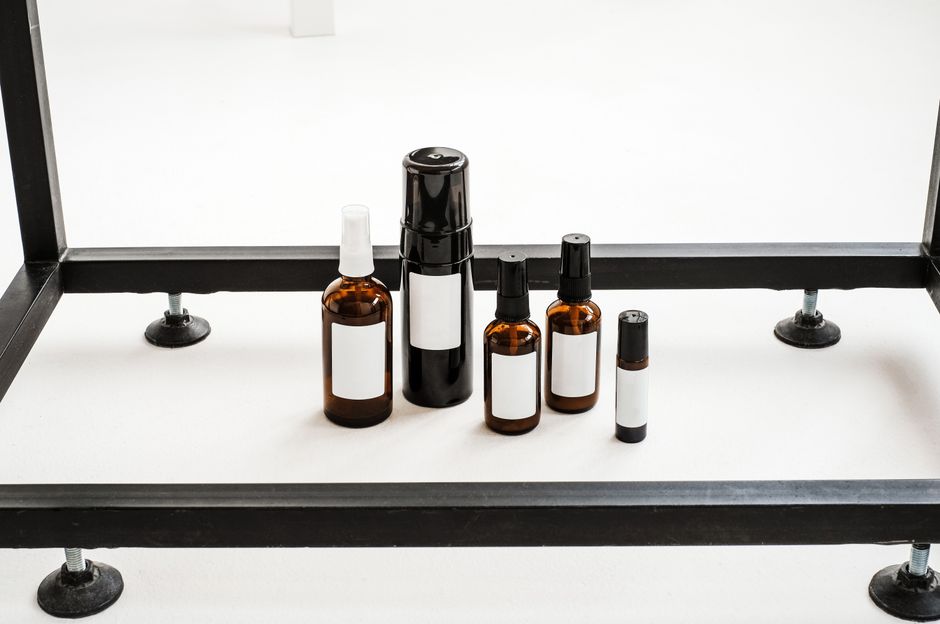
Not all oils are created equally. Learning basic label-reading skills can help beginners avoid misleading products.
Understanding Purity, Dilution, and Fragrance Oils
Pure essential oils are different from synthetic fragrance oils. Fragrance oils may smell pleasant but do not provide the same botanical composition.
Look for:
- Botanical names
- Clear ingredient lists
- Dark glass bottles
- Proper dilution guidance
- Transparent sourcing information
What to Look for on Essential Oil Labels
- Latin botanical names
- Extraction methods
- Batch information
- Country of origin
- Safety warnings
Beginner Starter Kits Worth Considering
Most beginners only need a few versatile oils:
- Lavender
- Eucalyptus
- Peppermint
- Chamomile
- Tea tree
Starting simple reduces overwhelm and helps you identify which aromas you genuinely enjoy.
Tools and Accessories for a Home Spa Bath Setup
Helpful accessories may include:
- Bath trays
- Soft towels
- Dry brushes
- Scalp massage tools
- Humidifiers
- Meditation cushions
- Foot soak basins
Readers building complete relaxation spaces often explore the Gifts & Accessories collection for wellness-oriented home spa additions and calming self-care accessories.
Frequently Asked Questions
What are the best essential oils for relaxation bath routines?
Lavender, chamomile, eucalyptus, peppermint, and tea tree are among the most popular beginner-friendly oils. Lavender and chamomile are commonly associated with calming nighttime routines.
How do you safely use essential oils in a bath?
Always dilute essential oils in a carrier oil, bath salt, milk powder, or another dispersing base before adding them to water.
Can aromatherapy baths help with stress and anxiety relief?
Many people find aromatherapy baths emotionally relaxing, especially when combined with mindfulness, breathing exercises, and consistent nighttime habits.
What is the best nighttime self care routine for better sleep?
A calming routine may include a warm bath, dim lighting, reduced screen time, journaling, hydration, meditation, and consistent sleep scheduling.
Do ionic foot detox baths really work at home?
Scientific evidence supporting detox claims is limited, but many people still enjoy ionic foot baths for warmth, relaxation, and self-care experiences.
Can you mix Epsom salt with essential oils in a bath?
Yes. Many people combine Epsom salt with diluted essential oils to create relaxing aromatherapy bath blends.
How often should you take an aromatherapy bath?
Most people benefit from one to three aromatherapy baths weekly depending on skin sensitivity, schedule, and wellness goals.
Which essential oils should beginners avoid in baths?
Strong oils like cinnamon, clove, and undiluted peppermint may irritate sensitive skin and should be used cautiously.
What is the difference between bath salts and essential oil blends?
Bath salts dissolve into water and are often mineral-based, while essential oils are concentrated aromatic plant extracts requiring dilution.
Can aromatherapy baths improve sleep quality naturally?
Consistent bedtime rituals that include warm baths, calming scents, mindfulness, and reduced stimulation may help support better sleep habits over time.
Conclusion
Aromatherapy baths are more than a temporary wellness trend. They offer a practical and repeatable way to slow down, reduce overstimulation, and create intentional self-care habits at home. The most effective routines are not necessarily the most expensive or elaborate. Often, simple combinations of warm water, calming aromas, mindful breathing, gentle hydration, and consistent evening rituals provide the most sustainable results.
Whether your goal is better sleep, stress relief, smoother skin, or emotional reset, building a personalized home spa routine can help create moments of calm in an increasingly busy world. Start small, stay consistent, and focus on routines that genuinely help you feel restored.
For more wellness inspiration, self-care education, and home relaxation ideas, explore the Body & Face Blog and broader wellness collections designed to support everyday relaxation routines.
Pillar Article: Spa Products for Home: Build the Ultimate Self-Care Routine













