

Spa Products for Home: The Complete Beginner Self-Care Routine Guide
Creating a relaxing spa routine at home has become one of the most practical ways to improve daily wellness, reduce stress, and support healthier skin without needing expensive appointments or complicated treatments. A well-designed home spa routine can help soothe dry skin, relieve scalp tension, improve sleep quality, and create calming rituals that fit into everyday life.
Many beginners assume they need luxury products or complicated skincare systems to enjoy a spa-quality experience at home. In reality, the best home spa routines are simple, consistent, and personalized. A few carefully selected tools, calming habits, and gentle treatments can completely transform how your body and mind recover after long workdays or stressful weeks.
Whether you are interested in aromatherapy baths, facial steaming, exfoliation, scalp massage, hydration care, or stress-relief routines, this guide walks through everything beginners need to know. You can also explore supportive wellness categories like Wellness & Relaxation and Skin and Beauty Care Devices to build a more personalized self-care setup.
Why Home Spa Self-Care Routines Are Growing in 2026
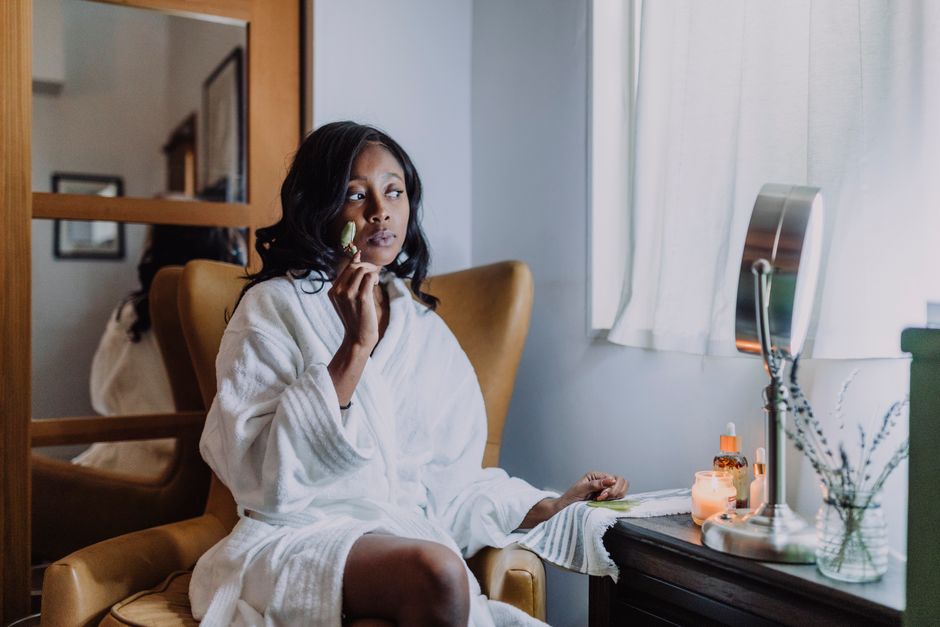
Home wellness routines have evolved from occasional pampering into sustainable self-care habits. More people are prioritizing stress management, sleep recovery, hydration, and mindful relaxation as part of their weekly schedules. Instead of viewing spa rituals as luxury experiences, many now treat them as essential wellness practices.
The Shift From Luxury Spa Visits to Personalized Home Wellness
Modern home spa routines are designed around convenience, affordability, and flexibility. Rather than spending hours traveling to appointments, people can create relaxing rituals directly in their bathrooms or bedrooms using beginner-friendly tools and calming routines.
Home spa wellness also allows for complete customization. Some people focus on dry skin relief and hydration, while others prioritize scalp care, stress reduction, or sleep support. This flexibility makes at-home self-care more sustainable than occasional luxury treatments.
Many beginners start by exploring categories like Lifestyle or Body Care and Health Devices to understand which tools align with their wellness goals.
The Physical and Mental Benefits of Structured Self-Care Rituals
A structured home spa routine can support both physical comfort and emotional recovery. Warm baths, gentle massage techniques, hydration-focused skincare, and calming scents all help activate relaxation responses within the body.
- Improved skin hydration and softness
- Reduced feelings of stress and tension
- Better sleep preparation during evening routines
- Temporary relief from scalp tightness and body fatigue
- More mindful daily habits and self-care consistency
- Reduced dryness during winter months
Consistent routines often matter more than expensive products. Small wellness rituals repeated weekly tend to create more sustainable benefits over time.
Why Beginners Often Overcomplicate At-Home Spa Routines
One of the most common beginner mistakes is trying too many treatments at once. Over-exfoliation, excessive product layering, and complicated skincare schedules often lead to irritation and burnout.
A beginner-friendly spa routine should feel calming, not overwhelming. Start with simple practices:
- Gentle cleansing
- Warm steam or baths
- Light exfoliation
- Hydration and moisture
- Relaxation-focused breathing or massage
Building a sustainable wellness habit is far more effective than chasing perfection.
How to Create a Spa Routine at Home for Beginners

Building an effective home spa routine starts with creating a calm environment and following a simple sequence that supports cleansing, relaxation, exfoliation, and recovery.
| Step | Purpose | Beginner Focus |
| Create atmosphere | Reduce stress | Lighting and aromatherapy |
| Prepare skin | Open pores gently | Warm cleansing and steam |
| Exfoliate carefully | Remove buildup | Gentle body care |
| Relax muscles | Reduce tension | Massage and warm baths |
| Seal hydration | Prevent dryness | Moisturizers and rest |
Step 1: Create a Relaxing Spa Environment
The atmosphere of your home spa routine significantly affects relaxation quality. Soft lighting, calming scents, warm towels, and quiet music help signal the brain to slow down and transition away from stress.
Popular relaxation strategies include:
- Using lavender or chamomile essential oils
- Keeping lighting soft and warm
- Playing calming instrumental music
- Preparing herbal tea or infused water
- Using warm towels after cleansing
Many beginners combine calming routines with supportive products from the Warmth & Heat Therapy collection to create a more restorative experience during colder seasons.
Step 2: Start With Gentle Skin Preparation
Skin preparation helps improve cleansing and hydration absorption. Start by washing the face with lukewarm water and a gentle cleanser. Facial steaming can help soften buildup and temporarily open pores before applying skincare products.
Warm steam may also help improve comfort for dry skin during winter months. However, beginners should avoid excessive heat or prolonged steaming sessions, especially if they have sensitive skin.
Step 3: Add Exfoliation and Body Care
Exfoliation removes dead skin cells and improves skin smoothness when performed correctly. Gentle exfoliation once or twice weekly is usually sufficient for most beginners.
A simple shower exfoliation routine may include:
- Warm shower or bath
- Gentle exfoliating glove or sponge
- Light circular motions
- Rinse thoroughly
- Apply moisturizer immediately afterward
One beginner-friendly example is the KentDO™ Soft Bath Sponge – Exfoliating & Skin Renewal.

The soft texture helps beginners exfoliate more gently while supporting smoother skin and improved cleansing comfort during shower routines.
Step 4: Focus on Relaxation and Recovery
After cleansing and exfoliation, shift attention toward stress relief and muscle recovery. Warm baths, scalp massage tools, and foot soaks can help calm the nervous system while encouraging relaxation.
Scalp massage is especially useful for people who experience tension headaches, screen fatigue, or stress buildup around the temples and neck.
You can also explore wellness-focused routines through the Beauty & Self-Care Blog for additional beginner ideas and recovery rituals.
Step 5: Finish With Moisture and Rest
Hydration is one of the most important final steps in any home spa routine. Exfoliation and warm water treatments can temporarily reduce skin moisture, making post-treatment hydration essential.
Use fragrance-free moisturizers if your skin feels sensitive. Applying lotion immediately after bathing helps lock in moisture more effectively.
Evening spa routines work especially well because the body naturally transitions toward rest and recovery before sleep.
The Essential Spa Products Every Beginner Should Start With

Choosing beginner-friendly spa products is less about luxury branding and more about functionality, comfort, and ease of use. The best products simplify self-care routines rather than complicate them.
Electric Facial Steamers for Hydration and Skin Prep
Facial steamers help soften skin buildup and support hydration-focused skincare routines. Many beginners use steam before masks, cleansers, or moisturizers because warm steam may temporarily improve product absorption.
Steam sessions should remain short and gentle. Excessive heat exposure can irritate sensitive skin and increase redness.
Wooden Body Brushes and Dry Brushing Tools
Dry brushing is commonly used before showers to help remove flaky skin and temporarily stimulate circulation. Beginners should always use gentle pressure and avoid damaged or irritated skin.
Benefits of dry brushing may include:
- Smoother skin texture
- Temporary circulation support
- Improved awareness during self-care routines
- Better preparation for moisturizers
Dry brushing should never feel painful or overly abrasive.
Exfoliating Shower Gloves for Smooth Skin
Shower gloves and exfoliating tools help simplify body care routines. They are especially helpful for dry elbows, knees, and rough skin patches.
Beginners should avoid aggressive scrubbing and limit exfoliation frequency to prevent irritation.
Scalp Massage Combs for Tension Relief
Scalp massage tools have become increasingly popular because they combine stress relief with scalp wellness. Gentle massage may help reduce tension buildup around the scalp and neck while making hair washing routines feel more relaxing.
Many users pair scalp care with products from the Hair Care and Styling Devices collection for a more complete self-care routine.
Essential Oils and Aromatherapy Bath Products
Aromatherapy helps create emotional association with relaxation and recovery. Popular beginner scents include:
- Lavender for calming evenings
- Eucalyptus for refreshing showers
- Chamomile for bedtime relaxation
- Peppermint for revitalizing baths
- Vanilla for comfort and warmth
Essential oils should always be diluted appropriately before adding them to bathwater or applying them near the skin.
Bath Salts for Muscle Recovery and Relaxation
Bath salts are frequently used to support evening relaxation rituals after physically demanding days. Warm water immersion combined with calming scents can help encourage recovery-focused routines.
People interested in deeper foot relaxation often incorporate warm soak systems into their routines. One example is the KentDO™ Heated Foot Bath Massager for Deep Relaxation.

The combination of warmth and gentle massage can help transform a simple evening routine into a more calming recovery ritual.
Explore more foot and body comfort essentials for additional recovery-focused wellness tools.
A Beginner-Friendly Weekly Home Spa Routine Schedule

Consistency matters more than intensity when building wellness habits. A realistic weekly schedule helps prevent burnout and keeps self-care sustainable.
| Day | Recommended Focus | Estimated Time |
| Monday | Quick shower and hydration | 15 minutes |
| Wednesday | Scalp massage and relaxation | 20 minutes |
| Friday | Exfoliation and body care | 25 minutes |
| Weekend | Full spa ritual | 45-90 minutes |
Quick 15-Minute Weeknight Self-Care Routine
Busy schedules often make long spa routines unrealistic. A short evening ritual can still provide meaningful relaxation benefits.
- Warm shower
- Gentle facial cleanse
- Light scalp massage
- Apply moisturizer
- Practice deep breathing for five minutes
This simple structure helps maintain consistency without feeling overwhelming.
The Complete Weekend Home Spa Ritual
Weekend routines provide more time for full-body care and deeper relaxation. A complete ritual may include:
- Aromatherapy bath
- Facial steaming
- Body exfoliation
- Scalp massage
- Hydration masks
- Foot soaks
- Mindfulness meditation
Many people combine these routines with supportive products from the Skincare & Hydration collection during colder months when dryness becomes more noticeable.
How Often You Should Exfoliate, Steam, and Use Bath Treatments
Overusing spa treatments can damage the skin barrier and increase irritation. Most beginners benefit from moderation.
| Treatment | Recommended Frequency |
| Facial steaming | 1-2 times weekly |
| Body exfoliation | 1-2 times weekly |
| Bath salts | 2-3 times weekly |
| Scalp massage | Several times weekly |
| Moisturizing | Daily |
Habit Stacking Strategies for Consistent Self-Care
Habit stacking means attaching wellness routines to existing behaviors. This approach makes self-care more sustainable.
Examples include:
- Using moisturizer after brushing teeth
- Doing scalp massage during hair washing
- Practicing mindfulness after evening showers
- Using aromatherapy during nightly reading
Consistency gradually turns wellness activities into automatic routines.
How Different Spa Products Support Different Body Areas
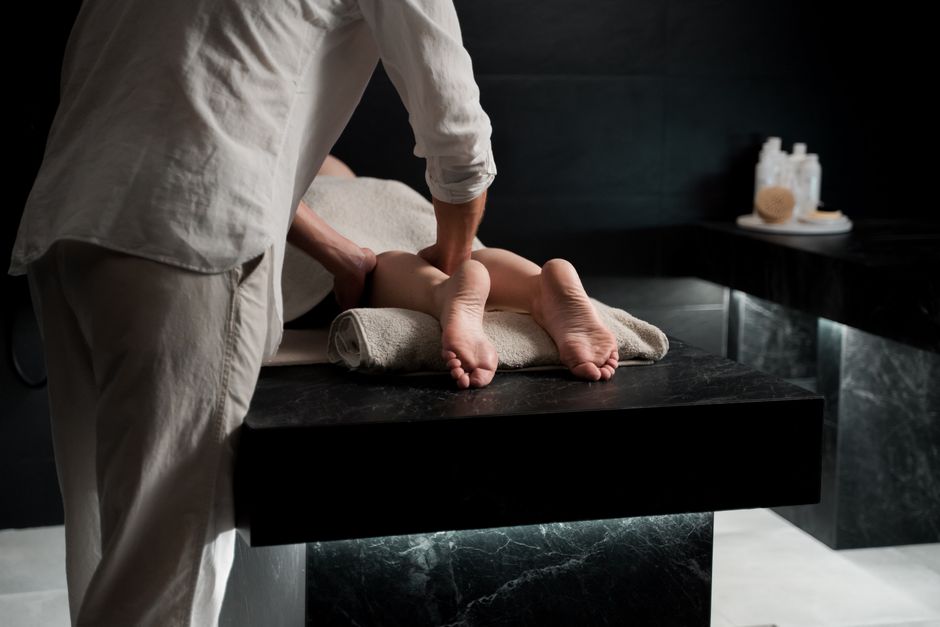
Different parts of the body require different types of care. Understanding how specific spa products support various wellness goals helps beginners build more effective routines.
Facial Care and Hydration Support
Facial skin tends to be more delicate than the rest of the body. Hydration-focused routines usually work better than aggressive exfoliation.
Effective beginner facial care includes:
- Gentle cleansers
- Warm steam
- Hydrating masks
- Light moisturizers
- Reduced fragrance exposure
People exploring facial wellness often browse Skin and Beauty Care Devices to discover beginner-friendly skincare tools.
Body Exfoliation and Dry Skin Care
Dry body skin commonly appears around elbows, knees, heels, and arms. Gentle exfoliation combined with regular moisturizing can help improve skin texture over time.
Important beginner tips include:
- Never exfoliate irritated skin
- Use lukewarm instead of hot water
- Moisturize immediately after showering
- Avoid over-scrubbing
- Reduce exfoliation during winter if skin becomes sensitive
Scalp Relaxation and Tension Relief
The scalp stores significant physical tension, especially during stressful periods. Massage tools and gentle scalp stimulation may help create a more calming self-care experience.
Common benefits associated with scalp massage routines include:
- Stress relief
- Improved relaxation
- Reduced tension awareness
- Enhanced mindfulness during showers
Additional scalp-focused wellness ideas are available in the Hair, Skin & Nail Blog.
Bath Therapy for Full-Body Relaxation
Bath therapy combines warmth, hydration, aromatherapy, and mindfulness into one relaxing experience. Evening baths are especially effective for stress reduction and bedtime preparation.
Some people enjoy adding ionic foot soaks or hydrotherapy-style routines into their recovery sessions. One example is the KentDO™ Detox Ionic Foot Spa Bath Machine – Full-Body Wellness Boost.

Warm foot soak routines are commonly used as part of evening relaxation habits and stress recovery practices.
How to Choose Home Spa Products for Sensitive Skin

Sensitive skin requires a more cautious and simplified approach. Many beginners accidentally damage their skin barrier by overusing exfoliants or heavily fragranced products.
Ingredients and Fragrances to Avoid
Some common triggers for irritation include:
- Strong synthetic fragrance
- Harsh alcohols
- Aggressive scrubs
- Excessive acids
- Very hot water
Fragrance-free and gentle formulations are usually safer starting points for beginners.
How to Patch Test New Spa Products
Patch testing helps reduce the risk of irritation. Apply a small amount of product to a discreet area of skin and wait 24 hours before full use.
If redness, itching, burning, or swelling occurs, discontinue use immediately.
Gentle Exfoliation Tips for Sensitive Skin
Sensitive skin benefits from reduced exfoliation frequency and softer tools.
- Exfoliate once weekly initially
- Use soft-textured materials
- Avoid combining multiple exfoliants
- Always moisturize afterward
- Reduce exfoliation during cold weather
When to Reduce Frequency or Stop Using a Product
Common warning signs include:
- Persistent redness
- Burning sensations
- Peeling or cracking
- Increased dryness
- Itching or discomfort
Healthy self-care routines should support comfort and recovery rather than create irritation.
"The best home spa routines are consistent, calming, and tailored to individual skin and stress needs rather than focused on using the maximum number of products."
Common At-Home Spa Routine Mistakes Beginners Should Avoid

Many self-care mistakes happen because beginners assume more treatments automatically produce better results. In reality, overdoing wellness routines often creates irritation and exhaustion.
Over-Exfoliating the Skin
One of the most common issues is exfoliating too frequently or too aggressively. Excess exfoliation can weaken the skin barrier and increase dryness.
Signs of over-exfoliation include:
- Tightness
- Redness
- Flaking
- Burning after skincare application
Reducing frequency usually helps restore comfort.
Using Too Many Products at Once
Trying multiple new products simultaneously makes it difficult to identify irritation triggers. Beginners should introduce products gradually and monitor how their skin responds.
Simple routines often outperform complicated systems because they are easier to maintain consistently.
Skipping Hydration After Treatments
Warm water, steam, and exfoliation all increase the importance of post-treatment hydration. Moisturizing after spa treatments helps support smoother skin and improved comfort.
Hydration becomes especially important during colder seasons when indoor heating contributes to dryness.
Treating Self-Care Like a One-Time Event
Wellness routines work best when they become sustainable habits instead of occasional luxury events. Small routines repeated regularly tend to produce more meaningful long-term benefits.
Even short 10-15 minute rituals can improve recovery and stress management when practiced consistently.
Building a Personalized Home Wellness Routine That Actually Lasts

The most effective spa routine is one that feels realistic, calming, and adaptable to your lifestyle. Self-care should support daily recovery rather than create additional pressure.
Choosing Rituals Based on Stress, Sleep, or Skin Goals
Different wellness goals require different approaches.
| Goal | Recommended Focus |
| Stress relief | Baths, scalp massage, aromatherapy |
| Dry skin | Hydration and gentle exfoliation |
| Sleep support | Evening routines and warm baths |
| Energy recovery | Foot soaks and body massage |
| Mindfulness | Breathing and meditation practices |
Creating a Spa Routine You Can Maintain Weekly
Start small and build gradually. A simple weekly structure may include:
- One exfoliation session
- Two relaxation baths
- Daily moisturizing
- Three short mindfulness sessions
- Regular scalp massage during showers
Wellness routines should adapt to changing schedules and seasons rather than remain rigid.
Additional self-care inspiration can be found through the Body & Face Blog and Gifts & Accessories collections.
How Small Wellness Habits Improve Daily Recovery
Daily recovery is often shaped by small repeated actions rather than dramatic lifestyle changes. Hydration, mindful breathing, gentle skincare, and evening relaxation rituals all contribute to better overall wellness over time.
Creating intentional moments of calm during stressful periods helps support emotional balance and self-awareness. Many people find that structured self-care routines improve not only physical comfort but also mental clarity and sleep quality.
Explore more wellness and relaxation essentials to personalize your own sustainable home spa environment.
Frequently Asked Questions
How do you create a spa routine at home for beginners?
Start with a simple structure that includes cleansing, gentle exfoliation, hydration, and relaxation. Create a calming atmosphere using soft lighting, aromatherapy, and warm towels. Consistency matters more than complexity.
What are the best spa products for home relaxation and stress relief?
Popular beginner-friendly products include facial steamers, exfoliating shower gloves, bath salts, scalp massage tools, warm foot soaks, and moisturizing skincare products designed for relaxation and recovery.
How often should you do an at-home facial routine?
Most beginners benefit from a gentle facial routine one to two times weekly. Daily cleansing and moisturizing can continue separately without needing intensive treatments every day.
What are the benefits of using an electric facial steamer at home?
Facial steamers may help soften buildup, improve cleansing comfort, and temporarily support hydration-focused skincare routines when used carefully and moderately.
How do you choose home spa products for sensitive skin?
Look for gentle, fragrance-free products with simple ingredient lists. Avoid harsh exfoliants and patch test new products before full use.
What is the correct order for a home spa routine?
Most routines follow this sequence: create a relaxing environment, cleanse, steam or prep skin, exfoliate gently, apply hydration, and finish with rest or relaxation practices.
Can you build a relaxing spa experience without expensive products?
Yes. Many effective home spa routines rely more on consistency and atmosphere than luxury products. Warm baths, hydration, mindfulness, and gentle body care can all create meaningful relaxation.
Are exfoliating shower gloves safe for sensitive skin?
They can be safe when used gently and infrequently. Choose soft-textured materials and avoid aggressive scrubbing to reduce irritation risk.
How often should you use bath salts and aromatherapy baths?
Most people can safely enjoy bath treatments two to three times weekly depending on skin sensitivity and hydration needs.
What are the benefits of scalp massage tools for stress relief?
Scalp massage tools may help reduce tension awareness, support relaxation, and create a more calming shower or bedtime routine.
Conclusion
Building a home spa routine does not require complicated systems or expensive luxury treatments. The most effective self-care habits are simple, realistic, and consistent. Gentle exfoliation, hydration, warm baths, aromatherapy, scalp care, and mindful relaxation practices all work together to support better recovery and daily wellness.
Start small, personalize your routine gradually, and focus on comfort rather than perfection. A calming self-care ritual practiced consistently can help improve relaxation, reduce stress, and create healthier long-term wellness habits.
For more beginner-friendly wellness inspiration, explore the Body Care and Health Devices collection or browse the Beauty & Self-Care Blog for additional routines, guides, and self-care ideas.
Related Articles:
- Skincare Routines For Dry Skin: Complete Hydration Guide For 2026
- Essential Oils for Relaxation Bath: Complete Home Spa & Stress Relief Guide
- Free Guided Meditations for Anxiety: A Complete Beginner System for Daily Calm, Better Sleep, and Stress Relief
- Massage Tension Relief: Complete At-Home Guide to Tools, Techniques & Relaxation Routines
- Hand Care Routines: Repair Dry Cracked Hands and Feet Naturally
- How to Treat Dry Scalp Naturally: Beginner-Friendly Remedies, Cleansing & Hydration Guide
- How to Exfoliate Skin at Home: Safe Routines for Smooth, Hydrated Skin
- The Best At Home Facial Guide for Glowing Skin and Relaxation













