

Eye Muscle Fatigue Treatment: How to Relieve Screen Eye Strain Naturally
Modern life is built around screens. From early morning emails on your phone to late-night scrolling on a laptop, your eyes rarely get a real break. Over time, many people begin noticing a familiar pattern: heavy eyes, blurred focus, headaches, and that persistent feeling that your vision is “tired.” This is commonly known as eye muscle fatigue, a core component of digital eye strain.
The good news is that this condition is not permanent in most cases. With the right understanding and consistent daily habits, you can significantly reduce discomfort, restore visual comfort, and protect long-term eye health. This guide breaks down the causes, symptoms, and most effective natural relief strategies used by office workers, students, and screen-heavy professionals worldwide.
What Is Eye Muscle Fatigue and Why It Happens in the Digital Era

Eye muscle fatigue refers to the overuse and strain of the muscles responsible for focusing your eyes. These muscles constantly adjust when you shift focus between screens, documents, and distant objects. When this activity becomes prolonged without rest, the muscles become overworked, leading to discomfort and visual stress.
Eye muscle fatigue vs general eye tiredness
General eye tiredness is often temporary and improves after sleep or rest. Eye muscle fatigue, however, is more persistent and is directly linked to sustained focusing activity. It may include blurred vision, difficulty concentrating, and pressure around the eyes or forehead.
Connection to Digital Eye Strain and Computer Vision Syndrome
Eye muscle fatigue is a key component of Digital Eye Strain (also called Computer Vision Syndrome). This condition arises from extended screen exposure, reduced blinking rate, and high visual demands placed on the eyes during close-up focus.
How prolonged focus affects eye muscles and blinking rate
When focusing on screens, blinking can decrease by up to 50%. This reduces tear distribution and increases dryness. At the same time, eye muscles remain locked in near-focus mode for long periods, leading to overuse and fatigue.
Explore supportive wellness tools in our Wellness & Relaxation collection to complement your recovery routine.
Common Symptoms of Screen-Related Eye Fatigue

Eye muscle fatigue presents in subtle but progressive ways. Recognizing symptoms early helps prevent long-term discomfort and chronic strain.
Burning, dryness, and blurred vision
A frequent sign is a burning sensation in the eyes, often paired with dryness or intermittent blurred vision. This happens due to reduced blinking and tear instability during screen use.
Headaches and forehead pressure from screen strain
Many individuals experience tension headaches around the forehead or behind the eyes. This is caused by prolonged contraction of the focusing muscles and visual overload.
Light sensitivity and difficulty focusing
Bright screens or office lighting can feel uncomfortable. Users may also struggle to refocus quickly when shifting between near and far objects.
Main Causes of Eye Muscle Fatigue in Office Workers

Understanding the root causes helps you create a more effective prevention strategy. Most cases are related to environmental and behavioral factors rather than underlying disease.
Screen brightness and contrast imbalance
High brightness levels or poor contrast settings force the eyes to work harder to interpret visual information. Over time, this increases muscle strain.
Blue light exposure and circadian disruption
Blue light emitted from digital screens can interfere with natural sleep cycles and contribute to visual discomfort during extended exposure.
Improve your nighttime comfort with supportive tools from our Skincare & Hydration collection, which includes sleep-supporting wellness essentials.
Office ergonomics and viewing distance issues
Improper monitor height, incorrect seating posture, and short viewing distances increase strain on eye muscles and neck alignment.
The 20-20-20 Rule: The Foundation of Eye Strain Relief

The 20-20-20 rule is one of the simplest and most effective methods for reducing digital eye strain. It is widely recommended by eye care professionals for daily screen users.
How the 20-20-20 rule works
Every 20 minutes, look at something 20 feet away for at least 20 seconds. This resets the eye focusing system and allows the muscles to relax briefly.
How to integrate it into office workflows
Set reminders or align breaks with natural work transitions, such as after emails, meetings, or document reviews.
Common mistakes people make
Many people forget the “distance” requirement or take breaks too late after fatigue has already built up. Consistency is more important than duration.
Best Eye Strain Exercises for Eye Muscle Recovery

Targeted exercises can improve flexibility, reduce stiffness, and restore natural focusing ability over time.
Eye rolling and focus shifting exercises
Slowly roll your eyes clockwise and counterclockwise to relax surrounding muscles. Then alternate focus between near and far objects.
Near and far focus training routine
Hold your thumb close to your face, focus on it, then switch focus to a distant object. Repeat for 1–2 minutes.
Palming technique for instant relief
Rub your hands together, gently place them over closed eyes, and breathe deeply. This reduces sensory overload and promotes relaxation.
Office Ergonomics Setup for Reducing Eye Strain

Optimizing your workspace can significantly reduce long-term eye muscle fatigue and prevent recurring symptoms.
Monitor height, distance, and angle setup
Your screen should be slightly below eye level and about an arm’s length away. This reduces upward strain and improves visual comfort.
Lighting optimization in office environments
Avoid direct glare on your screen and balance ambient lighting to reduce contrast stress on the eyes.
Screen brightness and night mode settings
Adjust brightness to match your surroundings and enable night mode during evening use to reduce visual intensity.
Hydration and Eye Comfort Support

Hydration plays a critical role in maintaining tear film stability, which directly affects eye comfort during screen use.
When natural tear production is insufficient, artificial lubrication support may help relieve dryness and irritation associated with eye fatigue. Consistent hydration throughout the day also supports overall eye surface comfort and reduces friction during blinking.
Blue Light Exposure and Screen Protection Strategies
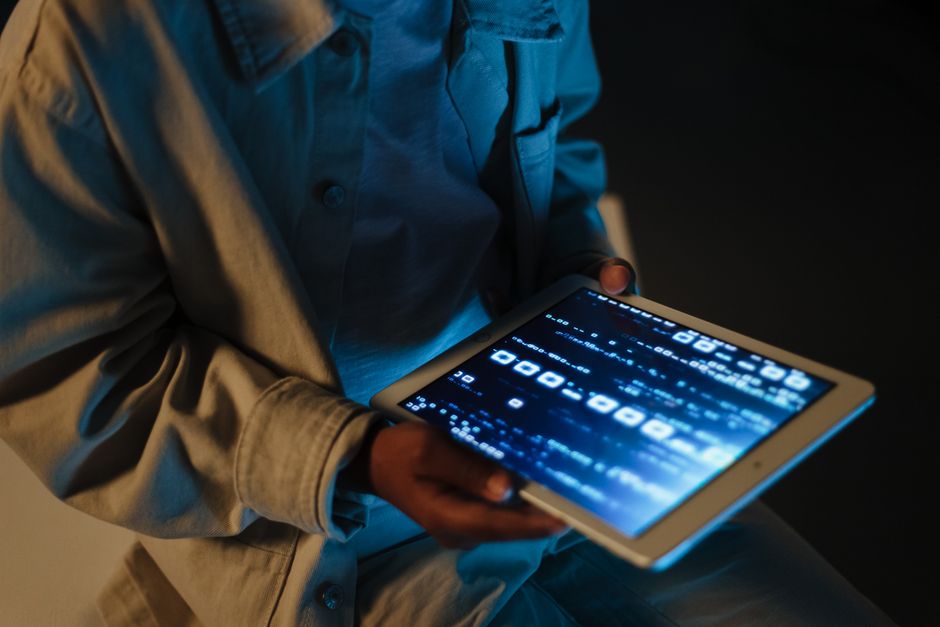
Blue light management is an important part of modern eye care routines, especially for office workers and students.
Do blue light glasses really help?
Blue light glasses may reduce visual discomfort for some users, particularly during long evening screen sessions. However, they work best when combined with proper screen habits and breaks.
Support your screen wellness habits by exploring our Lifestyle collection for daily comfort solutions.
Device settings and filter tools
Using built-in night mode, reducing brightness, and applying warm color filters can significantly reduce eye strain during extended use.
Eye Massage and Heated Eye Mask Therapy for Recovery

One of the most effective modern approaches to relieving eye muscle fatigue is using heat and massage therapy. These methods help relax eye muscles, improve circulation, and reduce tension built up from screen exposure.
How eye massage improves circulation and relaxation
Gentle pressure and vibration help stimulate blood flow around the eye area, reducing stiffness and promoting relaxation of overworked muscles.
Benefits of heated eye masks for screen fatigue
Warm compress therapy helps improve tear oil gland function and relieves dryness associated with prolonged screen use.

Heated Eye Massager for Eye Strain Relief combines warm compress and vibration technology to help relax tired eye muscles after long screen sessions. It is commonly used for evening recovery routines and office fatigue relief.
When and how to use recovery devices
Most users benefit from 10–15 minute sessions in the evening or after extended screen exposure. Consistent use supports long-term relaxation and improved comfort.

KentDO Eye Massager offers multiple massage modes designed to reduce eye fatigue, dryness, and tension caused by daily screen use. It is especially helpful for users with high visual workloads.
“Consistent eye relaxation habits combined with ergonomic screen use can significantly reduce digital eye strain symptoms in most healthy adults.” — Vision wellness specialist
Discover more supportive tools in our Eye Care Devices collection for daily visual comfort support.
Nighttime Recovery Routine for Eye Muscle Fatigue
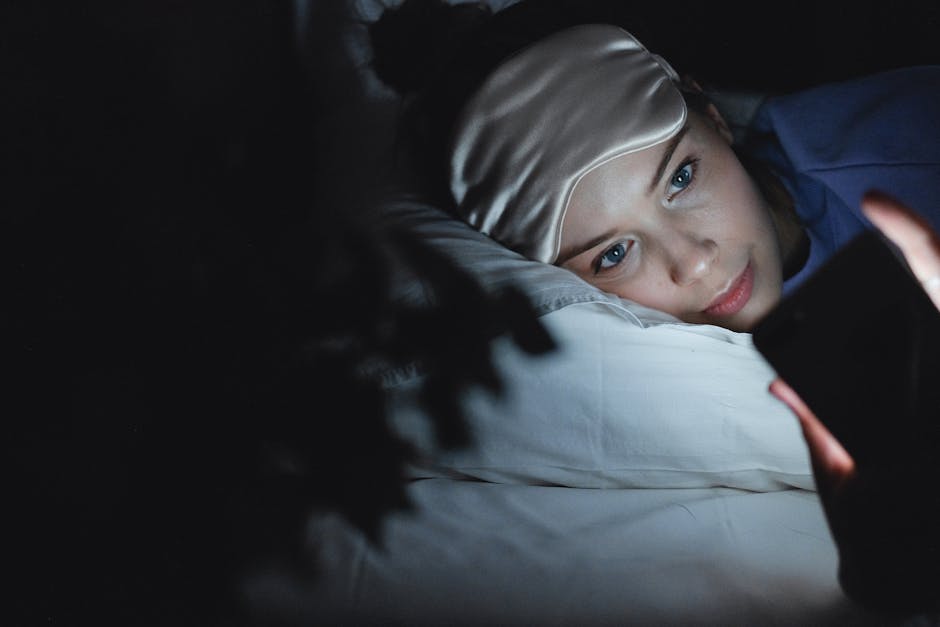
Your evening routine plays a major role in how your eyes recover from daily strain. Without proper rest, symptoms can accumulate and worsen over time.
Screen shutdown timing strategy
Reduce screen exposure at least 30–60 minutes before sleep to allow your visual system to reset naturally.
Sleep quality optimization for eye recovery
Deep sleep supports tissue repair and reduces inflammation around eye muscles, improving next-day comfort.
Relaxation techniques before bed
Gentle breathing exercises, warm compresses, and reduced lighting help signal your body to transition into recovery mode.
Comparison: Natural Relief Methods vs Device-Assisted Therapy
| Method | Effectiveness | Speed of Relief | Best Use Case |
| 20-20-20 Rule | High for prevention | Gradual | Daily screen work |
| Eye Exercises | Moderate to high | Medium | Muscle flexibility improvement |
| Heat Therapy | High for relaxation | Fast | Evening recovery |
| Eye Massager Devices | Very high | Fast | Severe eye fatigue |
Expert Insight
Eye care professionals emphasize that consistent micro-breaks and ergonomic adjustments are more effective than occasional long rest periods. The combination of behavioral habits and supportive tools creates the most sustainable results for screen-related eye fatigue.
FAQ: Eye Muscle Fatigue Treatment
What does eye fatigue feel like after long screen time?
It often feels like heaviness, dryness, blurred vision, or pressure around the eyes, especially after prolonged focus on digital devices.
Why do screens make eyes tired so quickly?
Screens reduce blinking, increase visual focus demand, and expose eyes to bright light and blue wavelengths, all of which contribute to fatigue.
What are the best eye strain exercises for office workers?
Near-far focus switching, eye rolling, and palming techniques are commonly recommended for daily relief.
How can I reduce eye strain at the computer naturally?
Use the 20-20-20 rule, adjust screen brightness, improve ergonomics, and take regular breaks throughout the day.
Can sleep quality and hydration help reduce eye muscle fatigue?
Yes. Proper sleep supports recovery, while hydration helps maintain tear stability and reduces dryness-related discomfort.
Conclusion
Eye muscle fatigue is one of the most common digital lifestyle issues today, but it is also highly manageable. With the right combination of screen habits, ergonomic awareness, hydration, and recovery techniques, you can significantly reduce discomfort and protect your long-term eye health.
Building small daily habits—like taking screen breaks, adjusting your workspace, and incorporating relaxation tools—creates lasting improvements without major lifestyle disruption. Over time, your eyes become more resilient, comfortable, and less reactive to digital strain.
For deeper recovery support, explore solutions in our Wellness & Relaxation collection and Eye Care Devices collection to build a complete daily eye care routine.
Pillar Article: How to Prevent Eye Strain: A Complete Digital Screen Protection System













