

Foam Roller for Muscle Recovery: The Ultimate 2026 Recovery Blueprint
Muscle soreness after training isn’t just discomfort—it’s a signal that your body is adapting, repairing, and rebuilding. Whether you’re lifting weights, running long distances, or doing high-intensity workouts, delayed onset muscle soreness (DOMS) can limit performance, reduce mobility, and slow your progress if recovery is neglected. That’s where foam rolling becomes a foundational tool in modern sports recovery systems.
Foam rolling is widely used by athletes, physical therapists, and fitness beginners to reduce muscle tightness, improve mobility, and support myofascial release. When combined with stretching, hydration, sleep, and targeted recovery tools, it forms a complete system that helps the body recover faster and perform better.
What Is Foam Rolling and Myofascial Release?
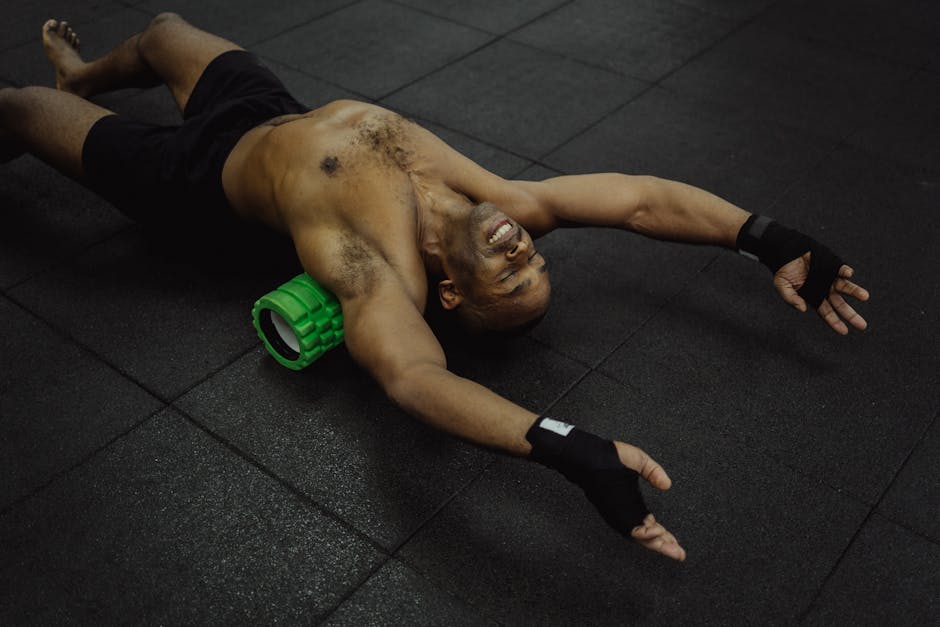
Foam rolling is a self-massage technique that uses body weight and a cylindrical roller to apply pressure to muscles and connective tissue (fascia). Myofascial release refers to the process of reducing tension in the fascia to improve movement, reduce pain, and restore normal muscle function.
Understanding fascia and muscle tightness
Fascia is a thin layer of connective tissue that surrounds muscles, bones, and organs. When fascia becomes tight due to overuse, poor posture, or inactivity, it can restrict movement and create trigger points—small knots that feel painful or stiff. Foam rolling helps apply sustained pressure to these areas, encouraging relaxation and improved circulation.
How myofascial release works in recovery
By applying controlled pressure through foam rolling, you stimulate mechanoreceptors in the muscles and fascia. This reduces neuromuscular tension, increases blood flow, and helps break up adhesions. Over time, this improves flexibility and reduces post-workout stiffness.
The Science Behind Foam Rolling and Muscle Recovery

Foam rolling influences both mechanical and neurological recovery pathways. It doesn’t “flush toxins” as commonly claimed, but it does improve circulation, reduce muscle stiffness perception, and enhance range of motion immediately after use.
DOMS and muscle microtrauma explained
Delayed onset muscle soreness occurs when muscle fibers experience microscopic damage during training. This triggers inflammation and temporary stiffness. Foam rolling helps reduce the sensation of soreness by improving blood flow and reducing pain sensitivity in the nervous system.
Neurological effects of pressure-based recovery
Pressure applied through foam rolling activates the parasympathetic nervous system, promoting relaxation. This reduces muscle guarding, allowing tighter areas to release and move more freely. Athletes often report improved mobility immediately after a rolling session.
Key Benefits of Foam Rolling for Athletic Recovery
Foam rolling provides a wide range of benefits when used consistently as part of a structured recovery routine. It is especially effective when paired with stretching and hydration strategies.
Faster recovery and reduced DOMS
Regular foam rolling helps reduce perceived soreness after workouts and supports faster return to training readiness. This is especially useful for strength athletes and runners who experience frequent muscle fatigue.
Improved flexibility and mobility training performance
By reducing fascia restrictions, foam rolling improves joint range of motion. This leads to better squat depth, improved running stride mechanics, and more efficient movement patterns.
Injury prevention and trigger point therapy support
Targeting tight muscle groups reduces the likelihood of compensation injuries. Foam rolling also complements trigger point therapy by helping release stubborn knots in high-tension areas like the calves, glutes, and upper back.
When to Use a Foam Roller: Pre-Workout vs Post-Workout

Timing matters when using foam rolling as part of a recovery system. Different approaches apply depending on whether you're preparing for exercise or recovering afterward.
Pre-workout activation protocols
Before training, foam rolling should be light and dynamic. The goal is to increase blood flow and activate muscles—not deeply release tissue. Focus on short, controlled rolls over major muscle groups like quads, hamstrings, and glutes.
Post-workout recovery protocols
After exercise, foam rolling can be slower and more targeted. This is when deeper pressure is beneficial, helping reduce tension and improve recovery speed. Spending 10–15 minutes post-workout can significantly reduce stiffness the next day.
Rest day recovery optimization
On rest days, foam rolling helps maintain mobility and reduce accumulated tightness. It is often combined with light stretching and walking to support active recovery.
Foam Rolling Techniques for Full-Body Recovery

Proper technique is essential for effective foam rolling. The goal is not speed, but controlled pressure and mindful movement across muscle groups.
Upper body: back, lats, shoulders
Place the roller under your upper back and slowly roll from mid-back to shoulders. Avoid rolling directly on the lower spine. For lats, rotate slightly to each side and roll along the side of your torso.
Lower body: quads, hamstrings, calves
For quadriceps, lie face down with the roller under your thighs and move slowly from hip to knee. Hamstrings are rolled in a seated position, while calves require steady pressure from ankle to knee.
Glutes and hip mobility release
Sitting on the roller with one ankle crossed over the opposite knee allows targeted glute release. Small circular motions help unlock deep tension in the hip region, improving squat and running performance.
Beginner Foam Rolling Protocol (Step-by-Step Routine)

A structured beginner routine helps prevent overuse and ensures proper adaptation. Start slow and focus on consistency rather than intensity.
5–10 minute daily starter routine
Begin with major muscle groups: calves, hamstrings, quads, and upper back. Spend 30–60 seconds per area, focusing on slow breathing and controlled pressure. This routine is ideal after workouts or during recovery days.
Pain tolerance and pressure control
Foam rolling should feel like “comfortable discomfort,” not sharp pain. If pressure is too intense, reduce body weight on the roller or switch to a softer density option.
Foam Roller Types, Density, and Buying Guide

Choosing the right foam roller depends on experience level, body type, and training intensity. Density and texture significantly affect recovery results.
Soft vs medium vs firm density comparison
| Type | Best For | Intensity |
| Soft | Beginners, sensitive muscles | Low |
| Medium | General fitness users | Moderate |
| Firm | Athletes, deep tissue release | High |
For most beginners, a medium-density roller is ideal, offering a balance of comfort and effectiveness.
Textured vs smooth rollers
Smooth rollers provide even pressure distribution, while textured rollers target trigger points more aggressively. Beginners should start with smooth surfaces before progressing to textured designs.
Best foam roller for beginners vs athletes
Beginners benefit from softer rollers that reduce discomfort, while athletes often prefer firmer rollers for deeper tissue work and faster recovery between training sessions.
One widely used option is the KentDO™ Foam Massage Roller – Muscle Relief & Recovery, designed for deep tissue release, flexibility improvement, and post-workout recovery support.

Recovery Sequencing Framework: Foam Rolling + Stretching + Therapy

An effective recovery system follows a structured sequence rather than random techniques. This improves results and reduces injury risk.
Correct order of recovery steps
1. Light movement (walking or cycling)
2. Foam rolling (muscle release)
3. Static stretching (lengthening muscles)
4. Hydration and nutrition (repair support)
Cold therapy and compression therapy integration
Cold therapy reduces inflammation after intense sessions, while compression supports circulation and reduces swelling. These methods work best when combined with foam rolling for complete recovery.
Workout-Specific Foam Rolling Routines
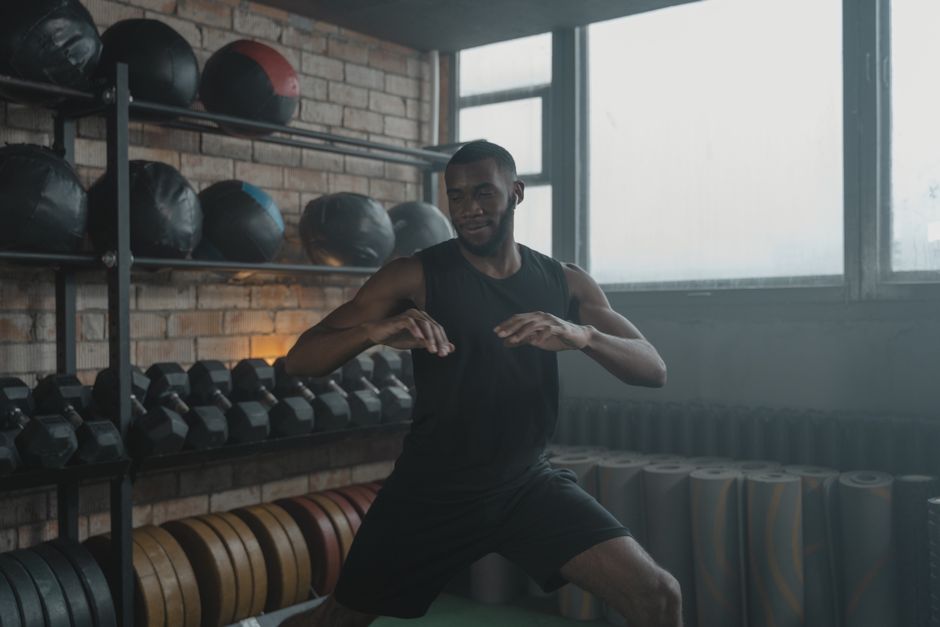
Different training styles create different muscle stress patterns, so recovery should be adapted accordingly.
Strength training recovery routine
Focus on quads, glutes, hamstrings, and upper back. Strength training creates deep muscle tension that benefits from slower, more targeted rolling sessions.
Running and endurance athlete routine
Prioritize calves, IT band region, hamstrings, and hip flexors. These areas often become overused in repetitive motion sports.
HIIT and high-intensity recovery protocol
Full-body rolling is recommended, with emphasis on lower body and lower back due to explosive movement patterns and fatigue accumulation.
Common Foam Rolling Mistakes to Avoid

Many users reduce effectiveness by applying incorrect techniques or excessive pressure.
Over-rolling and excessive pressure
Spending too long on a single muscle can lead to irritation. Keep sessions efficient and avoid pushing into sharp pain.
Incorrect timing in recovery sequence
Foam rolling should not replace stretching or mobility work. It is most effective when integrated into a broader recovery routine.
Advanced Recovery System: Foam Rolling with Massage Guns, Compression, and Sleep

Modern recovery systems combine multiple tools for maximum effectiveness. Foam rolling is often the foundation, supported by additional modalities.
Massage gun vs foam roller usage strategy
Foam rollers provide broad pressure across large muscle groups, while massage guns target specific trigger points. Together, they create a complete muscle recovery system.
Compression therapy and circulation recovery
Compression gear improves venous return and reduces swelling after intense training sessions. This enhances recovery speed when used alongside foam rolling.
Sleep optimization for muscle repair
Sleep is the most critical recovery factor. Muscle repair, hormone regulation, and nervous system recovery all peak during deep sleep cycles.
Safety Guidelines and Who Should Avoid Foam Rolling

Foam rolling is generally safe, but it should be used with awareness of certain limitations.
Injury considerations and contraindications
Avoid foam rolling directly over fractures, severe inflammation, or acute injuries. Individuals with medical conditions should consult a healthcare professional before starting.
Pain vs therapeutic discomfort
Foam rolling should feel intense but manageable. Sharp or radiating pain is a sign to stop immediately or adjust technique.
Ice Therapy for Enhanced Recovery Support

Cold therapy is often used alongside foam rolling to reduce inflammation and accelerate post-workout recovery. Targeted cold massage can be especially effective for sore muscles and localized tension.
The KentDO™ Ice Massage Roller Ball – 6-Hour Cold Pain Relief provides long-lasting cold therapy for reducing soreness and improving circulation after intense training.

Frequently Asked Questions About Foam Rolling
How do you use a foam roller correctly for muscle recovery?
Use slow, controlled movements across major muscle groups while applying moderate pressure. Focus on breathing and avoid rolling directly on joints or bones.
What is the best foam roller for sore muscles and tight fascia?
Medium to firm density rollers are typically best for sore muscles. Beginners should start softer and progress gradually as tolerance improves.
How long should you foam roll after a workout?
Most effective sessions last 10–15 minutes, focusing on 30–60 seconds per muscle group.
Can foam rolling reduce muscle soreness and improve recovery speed?
Yes, foam rolling helps reduce perceived soreness and improves circulation, which supports faster recovery between training sessions.
What muscles should beginners foam roll first?
Beginners should start with calves, quads, hamstrings, and upper back, as these are the most commonly tight areas after exercise.
Conclusion: Building a Complete Recovery System
Foam rolling is not just a recovery trend—it is a foundational tool in modern athletic performance systems. When used correctly, it supports mobility, reduces soreness, and enhances overall training consistency. However, its true effectiveness comes from integration with stretching, hydration, sleep, and complementary recovery technologies.
To build a complete system, explore more in our body care and health devices collection, or discover tools designed for relaxation in our wellness and relaxation collection. For cold therapy solutions, the cold & flu relief collection offers additional recovery support options.
When recovery becomes intentional, performance follows. Foam rolling is one of the simplest yet most powerful steps toward faster recovery and long-term physical resilience.
Pillar Article: Muscle Recovery Tools: The Complete System for Faster Recovery & Less Soreness













