

Foods Hydrate Skin: 25 Best Hydrating Foods for Healthy Glowing Skin
Healthy skin hydration starts long before serums, creams, and overnight masks enter your routine. Your skin barrier depends heavily on hydration from within, including water intake, electrolyte balance, nutrient-dense foods, and consistent lifestyle habits. Outdoor exposure from hiking, camping, cold weather, heat, and travel can quickly increase dehydration and make skin appear dull, tight, flaky, or irritated.
Learning which foods hydrate skin naturally can help improve moisture retention, support collagen production, and strengthen the skin barrier over time. From water-rich fruits and vegetables to omega-3 fatty acids and electrolyte-supporting meals, nutrition plays a major role in maintaining smooth, resilient, healthy-looking skin.
For readers building a complete wellness-focused skincare routine, the Skincare & Hydration collection includes hydration-focused tools and self-care essentials designed for seasonal dryness and outdoor recovery. You can also explore the Body & Face Blog for additional hydration and skin barrier care guidance.
Why Skin Hydration Starts From Within

Skin hydration is closely connected to nutrition, fluid balance, and the health of the skin barrier. While moisturizers help reduce surface dryness, long-term hydration depends on how effectively the body retains water and nutrients at the cellular level.
How hydration affects the skin barrier
The skin barrier is the outermost protective layer that helps lock moisture in and prevent irritation from environmental stressors. When dehydration occurs, transepidermal water loss increases, causing skin to become rough, sensitive, and prone to flaking.
Cold air, dry climates, wind exposure, air travel, and prolonged sun exposure can all weaken the skin barrier. Outdoor enthusiasts often experience this after hiking, camping, or extended travel where humidity levels are low and water intake may be inconsistent.
Hydrating foods help support barrier recovery by supplying water, antioxidants, vitamins, minerals, and healthy fats that improve elasticity and moisture retention.
The relationship between water intake, electrolytes, and glowing skin
Drinking water alone is important, but electrolytes also help regulate fluid balance throughout the body. Sodium, potassium, magnesium, and calcium help cells absorb and retain hydration more effectively.
When electrolyte levels become imbalanced through sweating, intense outdoor activity, or heat exposure, skin may appear dull and dehydrated even when water intake seems adequate.
Foods rich in minerals and water content help restore hydration naturally while supporting healthy circulation and nutrient delivery to skin tissue.
Common dehydration triggers that impact skin health
- High temperatures and prolonged sun exposure
- Cold winter air and indoor heating systems
- Altitude changes during hiking or mountain travel
- Long flights and dry cabin air
- Alcohol and excessive caffeine intake
- Low electrolyte consumption
- Poor sleep and stress
- Over-cleansing or harsh skincare products
Many outdoor travelers combine hydration-focused nutrition with routines from the Lifestyle collection to support recovery during active trips and changing weather conditions.
What Nutrients Help Hydrate Skin Naturally?

Certain nutrients directly support hydration, elasticity, and skin barrier performance. A balanced diet rich in minerals, antioxidants, healthy fats, and water-rich produce can significantly improve overall skin hydration.
Electrolytes and fluid balance
Electrolytes regulate fluid movement throughout the body and help maintain optimal hydration levels. Potassium-rich foods such as bananas, avocados, and coconut water help replenish fluids lost through sweating.
Magnesium supports cellular hydration and may help reduce dryness linked to stress and fatigue. Sodium also plays a role in fluid balance, though excessive processed sodium intake can contribute to puffiness and dehydration.
Omega-3 fatty acids for moisture retention
Omega-3 fatty acids help strengthen the skin barrier and reduce inflammation that contributes to dryness and irritation. Fatty fish, walnuts, flaxseeds, and chia seeds support smoother and more resilient skin.
These healthy fats are especially important during winter camping, cold weather hiking, and dry climates where environmental stress increases water loss.
Vitamin C and collagen production
Vitamin C supports collagen synthesis, which helps maintain skin firmness and elasticity. It also functions as an antioxidant that protects skin from environmental damage caused by UV exposure and pollution.
Citrus fruits, strawberries, kiwi, bell peppers, and leafy greens are excellent sources of vitamin C that support glowing, hydrated skin.
Hyaluronic acid and water-binding compounds
Hyaluronic acid naturally occurs in the body and helps bind water to skin tissue. Certain foods help support natural hyaluronic acid production, including bone broth, soy-based foods, root vegetables, and leafy greens.
Water-binding nutrients help skin maintain a plumper appearance and reduce the look of dryness-related fine lines.
Antioxidants that protect dehydrated skin
Outdoor exposure increases oxidative stress, which can accelerate dryness and damage the skin barrier. Antioxidants help neutralize free radicals while supporting recovery and hydration retention.
Colorful berries, tomatoes, spinach, sweet potatoes, green tea, and dark leafy vegetables are rich in antioxidant compounds linked to healthier skin.
Readers interested in hydration-supportive wellness tools can explore the Body Care and Health Devices collection for complementary self-care routines.
25 Best Hydrating Foods for Healthy Skin

Hydrating foods provide both water content and nutrients that support healthy skin function. Combining water-rich produce with healthy fats and proteins creates longer-lasting hydration benefits.
Water-rich fruits that support glowing skin
- Watermelon – Contains over 90% water and provides lycopene for antioxidant support.
- Strawberries – Rich in vitamin C and hydration-supporting antioxidants.
- Oranges – Provide hydration, vitamin C, and electrolyte support.
- Grapefruit – High water content with skin-protective antioxidants.
- Peaches – Contain vitamins A and C plus hydrating natural sugars.
- Blueberries – Rich in antioxidants that help reduce environmental stress.
- Pineapple – Contains bromelain and vitamin C for skin recovery.
- Kiwi – Supports collagen production and hydration.
Vegetables that hydrate and strengthen the skin barrier
- Cucumber – One of the highest water-content vegetables for hydration support.
- Celery – Provides hydration and potassium.
- Tomatoes – Rich in lycopene and hydrating fluids.
- Zucchini – Supports hydration while remaining lightweight and easy to digest.
- Spinach – Provides magnesium, iron, and antioxidants.
- Romaine lettuce – Contains water and electrolyte-supportive minerals.
- Bell peppers – High vitamin C content supports collagen production.
- Sweet potatoes – Rich in beta carotene for skin barrier support.
Healthy fats and protein sources for lasting hydration
- Salmon – Rich in omega-3 fatty acids that strengthen the skin barrier.
- Avocados – Healthy fats improve moisture retention.
- Chia seeds – Absorb water and provide omega-3 support.
- Walnuts – Contain fatty acids and antioxidants.
- Greek yogurt – Supports hydration with protein and probiotics.
- Eggs – Contain amino acids that support skin repair.
Hydrating foods ideal for hikers, campers, and outdoor travel
- Coconut water – Natural electrolyte source for outdoor hydration.
- Trail mix with dried fruit and seeds – Portable nutrient support for long hikes.
- Overnight oats with berries – Provides hydration-supportive fiber and minerals.
For travel-friendly wellness and recovery support, many outdoor enthusiasts also browse the Wellness & Relaxation collection during seasonal camping and recovery planning.
Quick comparison table: best foods for hydration, collagen, and electrolyte recovery
| Food | Main Benefit | Key Nutrients | Best Use |
| Watermelon | Hydration | Water, lycopene | Summer heat |
| Salmon | Barrier support | Omega-3 | Dry climates |
| Cucumber | Fluid replenishment | Water, potassium | Daily hydration |
| Avocado | Moisture retention | Healthy fats | Winter skin support |
| Spinach | Antioxidant support | Magnesium, vitamin C | Outdoor recovery |
| Coconut water | Electrolyte replenishment | Potassium | After hiking |
Best Drinks and Electrolyte Strategies for Skin Hydration

Hydration beverages and electrolyte strategies can help improve skin appearance, especially during outdoor activity, seasonal weather changes, and high sweat loss.
Are electrolyte supplements good for skin hydration outdoors?
Electrolyte supplements may support hydration during prolonged outdoor exposure, especially in hot weather, dry climates, or high-intensity activity. Sweating causes mineral loss that can affect both energy levels and skin hydration.
Balanced electrolyte intake helps the body retain fluids more effectively, which can reduce dryness and improve skin resilience during camping trips and extended hikes.
For post-outdoor recovery, some people pair hydration-focused nutrition with overnight skincare routines using products like KentDO™ Collagen Face Mask – Deep Hydration & Firming.

Hydration drinks that support healthy skin
- Coconut water
- Mineral water
- Herbal teas
- Low-sugar electrolyte beverages
- Fruit smoothies with berries and greens
- Water infused with citrus and cucumber
Hydrating beverages work best when combined with nutrient-rich meals instead of replacing whole foods entirely.
When hydration supplements may help
Hydration supplements can be helpful during:
- Long hikes and endurance activity
- Camping in dry or high-altitude climates
- Heat waves and intense sweating
- Travel-related dehydration
- Recovery after illness or poor sleep
They are most effective when paired with balanced nutrition and adequate water intake.
Ingredients to avoid in hydration beverages
- Excessive added sugar
- Highly caffeinated energy drinks
- Alcohol-heavy beverages
- Artificially flavored drinks with minimal electrolytes
These may increase dehydration or contribute to inflammation that worsens dry skin symptoms.
Meal-Based Hydration Strategies for Better Skin

Building meals around hydration-supportive foods can improve skin moisture retention more effectively than relying on occasional hydration trends.
Morning hydration meals for skin recovery
Breakfast is an ideal time to replenish fluids after overnight water loss. Combining hydrating produce with healthy fats and protein creates longer-lasting hydration support.
- Greek yogurt with berries and chia seeds
- Oatmeal topped with strawberries and walnuts
- Green smoothies with spinach, cucumber, and avocado
- Eggs with tomatoes and leafy greens
Hydrating snacks for work, hiking, and travel
Portable snacks help maintain hydration during busy days and outdoor adventures.
- Fresh fruit containers
- Cucumber slices with hummus
- Trail mix with dried fruit and seeds
- Coconut water
- Hydrating smoothies
- Yogurt cups with berries
Travel-friendly wellness accessories and self-care tools can also be found in the Gifts & Accessories collection for hydration-focused routines.
Summer vs winter hydration meal adjustments
Hydration needs change with seasonal weather patterns.
During summer, focus on high-water fruits, electrolyte-rich beverages, and lighter meals that replenish fluids quickly. In winter, healthy fats, soups, herbal teas, and omega-3-rich foods help support the skin barrier against cold dry air.
Simple 1-day hydration-focused meal plan for healthy skin
| Meal | Example | Hydration Benefit |
| Breakfast | Oatmeal with berries and chia | Fiber and water retention |
| Snack | Cucumber and hummus | Electrolyte support |
| Lunch | Salmon salad with avocado | Omega-3 hydration support |
| Snack | Coconut water and fruit | Fluid replenishment |
| Dinner | Soup with leafy greens and sweet potatoes | Barrier-support nutrients |
Many readers also explore the Skin and Beauty Care Devices collection to complement hydration-focused wellness habits at home.
Can Diet Improve Dry Skin and Skin Hydration?
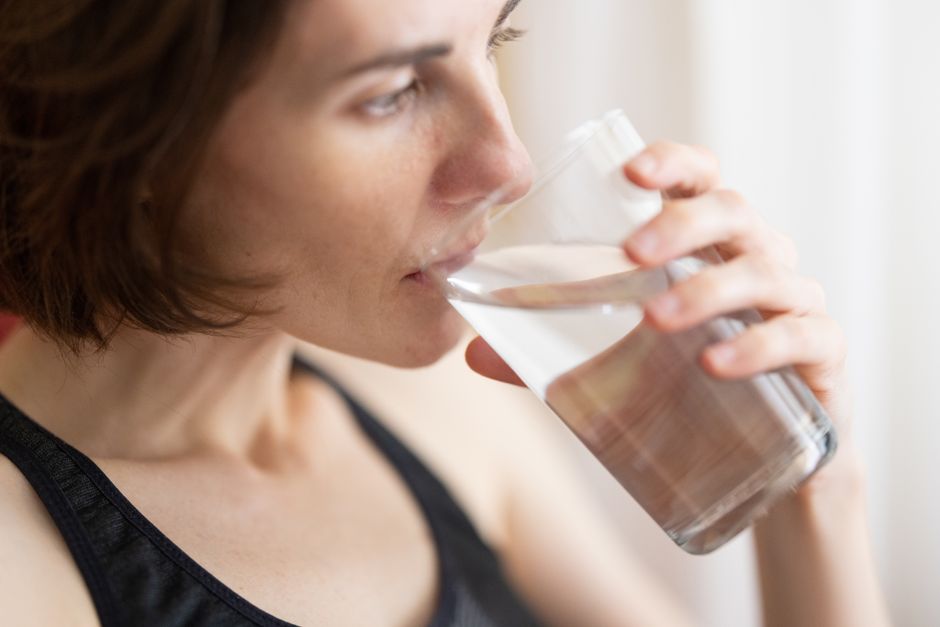
Nutrition can significantly influence skin hydration over time. While dietary changes do not produce overnight results, consistent hydration-focused eating patterns can improve moisture retention, elasticity, and skin barrier strength.
How long nutrition changes take to affect skin
Most people notice gradual improvements over several weeks of consistent hydration and nutrient support. Skin cell turnover typically takes around one month, meaning hydration habits require consistency for visible results.
Improved sleep, hydration balance, reduced alcohol intake, and increased antioxidant consumption can all contribute to healthier skin appearance.
Signs your diet may be contributing to dry skin
- Persistent flaking or tightness
- Dull complexion
- Increased skin sensitivity
- Frequent dehydration headaches
- Low intake of fruits and vegetables
- Minimal healthy fat consumption
- Heavy intake of processed foods
Hydration myths that can worsen skin dryness
One common misconception is that drinking excessive water alone automatically fixes dry skin. Hydration depends on mineral balance, nutrient intake, and skin barrier health as well.
Another myth is that oily skin cannot be dehydrated. Many people with oily or combination skin still experience dehydration due to over-cleansing, heat exposure, or poor nutrition.
Outdoor Hydration Tips for Campers, Hikers, and Active Lifestyles

Outdoor environments can rapidly increase dehydration and stress the skin barrier. Heat, cold air, wind exposure, and prolonged sweating all contribute to moisture loss.
How heat, altitude, and dry air affect skin hydration
High temperatures increase sweating, while altitude and dry air accelerate water evaporation from the skin. Cold climates can also weaken the skin barrier by reducing humidity levels.
These conditions often cause:
- Flaky or tight skin
- Redness and irritation
- Cracked lips
- Dull complexion
- Increased sensitivity
Portable hydrating foods for camping trips
- Electrolyte packets
- Dried fruit
- Nuts and seeds
- Protein oatmeal packets
- Coconut water
- Fresh oranges and apples
- Hydration smoothies in insulated containers
Campers preparing seasonal self-care kits often browse the Warmth & Heat Therapy collection for recovery-focused wellness support during cold outdoor trips.
Electrolyte recovery after hiking and sweating
After intense activity, replenishing both fluids and minerals is important for recovery and hydration balance. Combining water with potassium-rich foods, magnesium sources, and sodium-containing meals helps restore hydration more effectively.
Recovery-focused skincare routines can also support skin comfort after sun, wind, and dry air exposure. Some travelers include KentDO™ 30pcs Collagen Sleeping Masks – Anti-Wrinkle Care in overnight recovery routines after extended outdoor activity.

Combining nutrition and skincare for outdoor skin protection
The best hydration strategy combines internal and external support. Water-rich foods, electrolytes, healthy fats, and antioxidant-rich produce help maintain hydration internally, while gentle cleansers and barrier-supportive skincare help reduce moisture loss externally.
Readers building broader wellness routines can also explore the Beauty & Self-Care Blog for seasonal skincare strategies and hydration-focused self-care habits.
Expert Tips to Maintain Hydrated Healthy Skin Daily

Consistent habits often matter more than occasional treatments when it comes to maintaining hydrated skin.
“Healthy skin hydration depends on a combination of nutrition, electrolyte balance, environmental protection, and consistent daily habits rather than a single product or trend.”
Daily hydration habits that support skin elasticity
- Drink water consistently throughout the day
- Eat water-rich produce daily
- Prioritize omega-3-rich foods
- Limit alcohol and excess caffeine
- Sleep adequately for overnight recovery
- Use gentle cleansers that protect the barrier
- Increase electrolyte intake during heat exposure
The best hydration routine for active lifestyles
People with active outdoor lifestyles often benefit from combining hydration-focused meals with supportive skincare habits:
- Hydrate before outdoor activity begins
- Pack electrolyte-supportive snacks
- Replenish fluids immediately after sweating
- Use gentle nighttime hydration routines
- Increase healthy fat intake during winter
- Protect skin from wind and sun exposure
Additional wellness and recovery options are available through the Foot & Body Comfort collection for post-activity recovery support.
When to consider professional advice for chronic dry skin
If dryness becomes severe, painful, persistent, or associated with redness and cracking, professional medical advice may be helpful. Chronic skin dryness can sometimes relate to underlying health conditions, allergies, or nutritional deficiencies.
Frequently Asked Questions
What foods hydrate skin the fastest?
Watermelon, cucumber, strawberries, oranges, coconut water, and leafy greens are among the fastest hydrating foods because they contain high water content and electrolyte-supportive nutrients.
Can diet improve dry skin and skin hydration?
Yes. Consistent intake of water-rich foods, omega-3 fatty acids, antioxidants, and electrolytes can improve moisture retention and strengthen the skin barrier over time.
Are electrolyte supplements good for skin hydration outdoors?
Electrolyte supplements may help during hiking, camping, high heat exposure, and prolonged sweating by supporting fluid balance and hydration retention.
What vegetables are best for skin health and hydration?
Cucumber, spinach, celery, lettuce, tomatoes, and bell peppers provide hydration along with vitamins and antioxidants that support healthy skin.
How can campers and hikers stay hydrated for healthier skin?
They should combine consistent water intake with electrolyte support, water-rich foods, omega-3 fats, and protective skincare habits during outdoor exposure.
Do omega-3 foods help dry skin?
Yes. Omega-3-rich foods such as salmon, walnuts, flaxseeds, and chia seeds help strengthen the skin barrier and reduce inflammation linked to dryness.
Can dehydration make skin look older?
Dehydration can increase the appearance of fine lines, dullness, and rough texture because the skin loses moisture and elasticity.
What is the best fruit for glowing hydrated skin?
Watermelon is one of the best fruits for hydrated skin due to its high water content and antioxidant profile, though berries and citrus fruits are also highly beneficial.
How much water should you drink for healthy skin?
Hydration needs vary based on activity level, weather, and body size, but consistent water intake combined with nutrient-rich foods supports healthier skin hydration.
Are hydration supplements better than water-rich foods?
Hydration supplements can help during intense activity or heat exposure, but whole foods provide additional vitamins, antioxidants, fiber, and healthy fats that support long-term skin health.
Conclusion
Healthy hydrated skin depends on far more than surface skincare products alone. Nutrition, electrolyte balance, healthy fats, antioxidants, water intake, and daily habits all influence how effectively the skin retains moisture and protects itself from environmental stress.
Whether you spend long hours outdoors, travel frequently, or simply want healthier glowing skin, focusing on hydration-supportive foods can strengthen the skin barrier and improve long-term resilience.
For additional hydration-focused wellness routines, explore the Skincare & Hydration collection alongside educational resources available through the Hair, Skin & Nai Blog.
Pillar Article: Best Skincare for Hydration: The Ultimate Camping & Hiking Survival Routine













