

Free Guided Meditations for Anxiety: The Beginner’s System for Stress Relief, Better Sleep, and Emotional Balance
Anxiety can feel overwhelming when racing thoughts, constant stress, emotional exhaustion, and restless nights begin affecting your everyday life. Many beginners assume meditation is difficult or requires complete silence of the mind, but guided meditation is designed to make relaxation more approachable. With calming narration, breathing support, and structured mindfulness exercises, guided meditation helps beginners learn how to regulate stress without pressure or perfection.
Whether you struggle with work stress, nighttime anxiety, emotional burnout, or daily overwhelm, building a gentle mindfulness routine can support better emotional balance and healthier stress management habits over time. Many people also combine meditation with calming self-care rituals from the Wellness & Relaxation collection to create a more peaceful home environment.
In this beginner-friendly guide, you’ll learn how guided meditation works for anxiety relief, how to choose the right meditation style for your symptoms, how to build a sustainable daily routine, and which free meditation resources can help you start today.
Why Guided Meditation Works for Anxiety and Stress Relief

Guided meditation helps calm the nervous system by shifting attention away from stress loops and toward breathing, body awareness, and mindfulness. Unlike silent meditation, guided sessions provide verbal direction that helps beginners stay focused and emotionally grounded.
How Anxiety Affects the Nervous System
Anxiety activates the body’s fight-or-flight response. When stress hormones like cortisol and adrenaline increase, the nervous system stays in a heightened alert state. This can lead to:
- Racing thoughts
- Muscle tension
- Restlessness
- Shallow breathing
- Sleep disruption
- Difficulty concentrating
- Emotional overwhelm
Over time, chronic stress can make relaxation feel unfamiliar. Guided meditation helps interrupt this cycle by encouraging slower breathing, physical relaxation, and emotional awareness.
How Guided Meditation Helps Calm the Mind
Guided meditation combines mindfulness techniques with calming verbal instruction. Most sessions focus on breathing exercises, body scanning, visualization, grounding techniques, or emotional observation.
These practices encourage the parasympathetic nervous system — often called the “rest and digest” response — to become more active. This may help reduce physical tension, slow the heart rate, and create a stronger sense of calm.
Many beginners find that meditation becomes even more effective when combined with healthy self-care habits like hydration, warm baths, dry brushing, and relaxing nighttime routines. You can explore supportive wellness routines in the Beauty & Self-Care Blog.
What Makes Guided Meditation Easier for Beginners
Beginners often worry they are “bad at meditation” because thoughts continue appearing during practice. Guided meditation removes much of this pressure by giving the brain a simple structure to follow.
Benefits of guided meditation for beginners include:
- Clear verbal instruction
- Reduced mental wandering
- Easier emotional grounding
- Less pressure to meditate perfectly
- Short session options for busy schedules
- Support for sleep and stress relief
Because guided meditation is highly accessible, it works well for people who are new to mindfulness, stressed from work, recovering from burnout, or struggling with anxiety-related sleep issues.
The Best Types of Free Guided Meditations for Anxiety Beginners
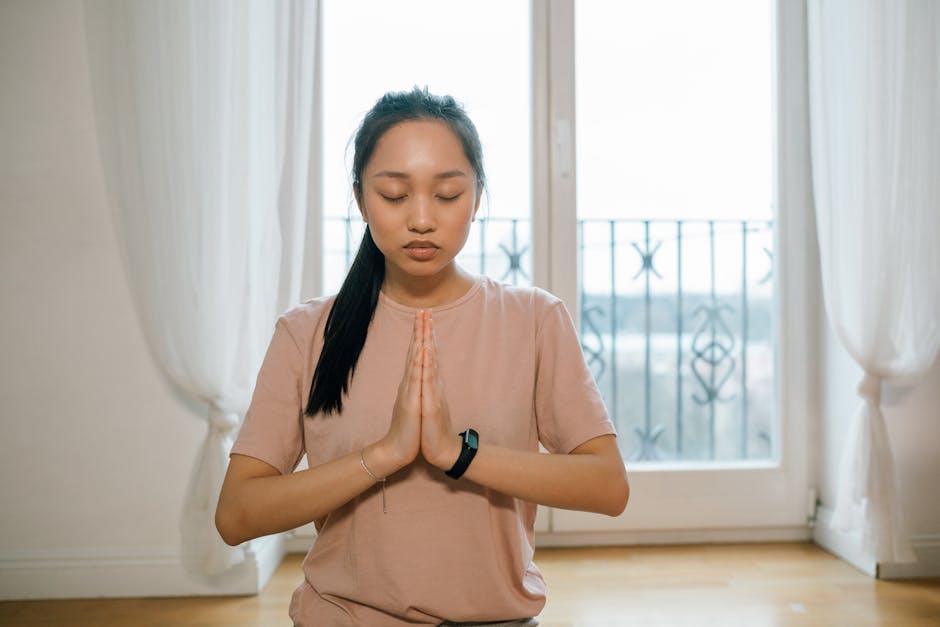
Different meditation styles support different emotional needs. Choosing the right type of guided meditation can help beginners feel more comfortable and consistent.
| Meditation Type | Best For | Typical Session Length | Main Benefit |
| Breathing Meditation | Panic and racing thoughts | 3–10 minutes | Immediate calming |
| Body Scan Meditation | Physical tension | 10–20 minutes | Muscle relaxation |
| Sleep Meditation | Nighttime anxiety | 15–45 minutes | Improved sleep readiness |
| Progressive Muscle Relaxation | Burnout and overwhelm | 10–25 minutes | Deep physical release |
| Mindfulness Meditation | Long-term emotional balance | 5–20 minutes | Stress resilience |
Breathing Meditations for Panic and Racing Thoughts
Breathing-focused guided meditations help slow mental overstimulation by encouraging steady breath patterns. These exercises redirect attention away from spiraling thoughts and toward physical sensations.
Common breathing methods include:
- Box breathing
- 4-7-8 breathing
- Slow diaphragmatic breathing
- Counted breathing exercises
Short breathing meditations are especially useful during stressful workdays, emotional overwhelm, or moments of panic.
Body Scan Meditation for Physical Tension and Stress
Body scan meditation teaches awareness of physical sensations throughout the body. Guided narration slowly moves attention from head to toe while encouraging muscular relaxation.
This practice can help beginners recognize where stress is physically stored. Common tension areas include the jaw, neck, shoulders, chest, and lower back.
People interested in broader relaxation and recovery routines often pair body scan meditation with gentle spa-inspired self-care practices from the Body Care and Health Devices collection.
Sleep Meditation for Nighttime Anxiety and Insomnia
Sleep meditation combines slow breathing, calming narration, visualization, and soothing audio designed to prepare the body for rest. These meditations work particularly well for people who experience:
- Overthinking at bedtime
- Difficulty falling asleep
- Stress-related insomnia
- Nighttime emotional overwhelm
- Physical restlessness
Many sleep meditations also encourage reduced screen time, low lighting, and calming sensory environments before bed.
Progressive Muscle Relaxation for Overwhelm and Burnout
Progressive muscle relaxation involves intentionally tensing and relaxing muscle groups throughout the body. This guided technique helps people become more aware of physical stress patterns.
Beginners often enjoy progressive muscle relaxation because it provides an active task rather than requiring stillness alone.
Benefits may include:
- Reduced muscle tightness
- Improved body awareness
- Physical stress release
- Calmer breathing
- Better sleep preparation
Mindfulness Meditation for Daily Emotional Balance
Mindfulness meditation teaches nonjudgmental awareness of thoughts, emotions, and sensations. Rather than trying to eliminate thoughts completely, mindfulness encourages observing experiences without reacting to them immediately.
Over time, this can improve emotional resilience and stress regulation. Mindfulness meditation also supports healthier self-care habits, emotional awareness, and improved focus throughout the day.
Many people build mindfulness practices alongside skincare, hydration, and relaxation rituals from the Skincare & Hydration collection to support overall wellness routines.
How to Choose the Right Guided Meditation Based on Your Anxiety Symptoms
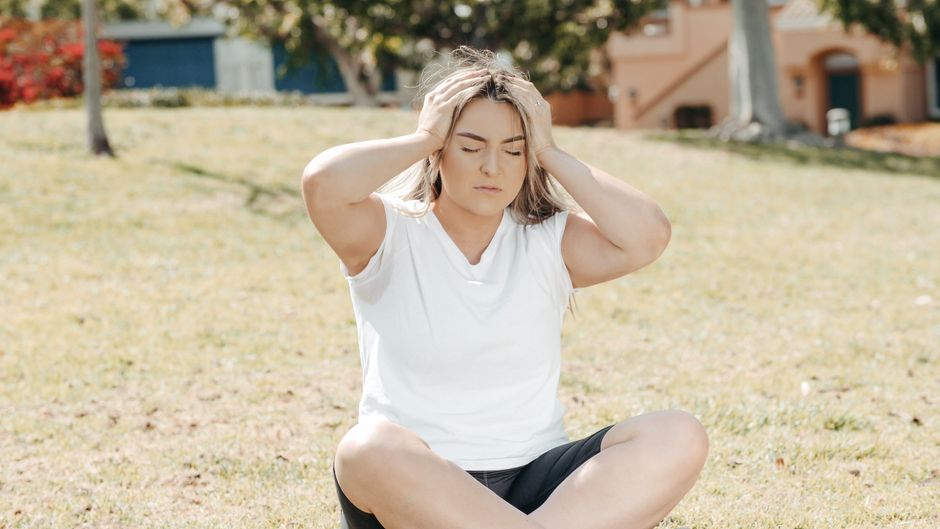
The most effective meditation style often depends on your emotional symptoms, stress intensity, and available time.
Best Meditations for Racing Thoughts
If your mind feels overstimulated, start with short breathing meditations under 10 minutes. Guided grounding exercises can help redirect attention away from repetitive stress loops.
Helpful techniques include:
- Breath counting
- Box breathing
- Five-senses grounding
- Short mindfulness check-ins
Best Meditations for Emotional Overwhelm
People experiencing emotional exhaustion often respond well to slower guided meditations with gentle narration and body awareness techniques.
Body scan meditation and mindfulness sessions may help create emotional space while reducing overstimulation.
Best Meditations for Sleep Anxiety
If anxiety increases at night, choose longer sleep-focused guided meditations with calming music or ambient sounds. Bedtime meditation works best when combined with consistent nighttime routines.
Helpful nighttime habits include:
- Dimming lights before bed
- Reducing phone use
- Taking warm baths
- Using calming aromatherapy
- Practicing slow breathing exercises
Best Meditations for Work Stress and Burnout
Work-related stress often creates mental fatigue, muscle tension, and emotional exhaustion. Midday mindfulness sessions lasting 5–15 minutes can help reset the nervous system during demanding schedules.
Short workplace-friendly meditation techniques include:
- Breathing breaks
- Guided visualization
- Chair meditation
- Progressive muscle relaxation
- Mindful walking
A Beginner-Friendly Daily Meditation Routine for Anxiety Relief
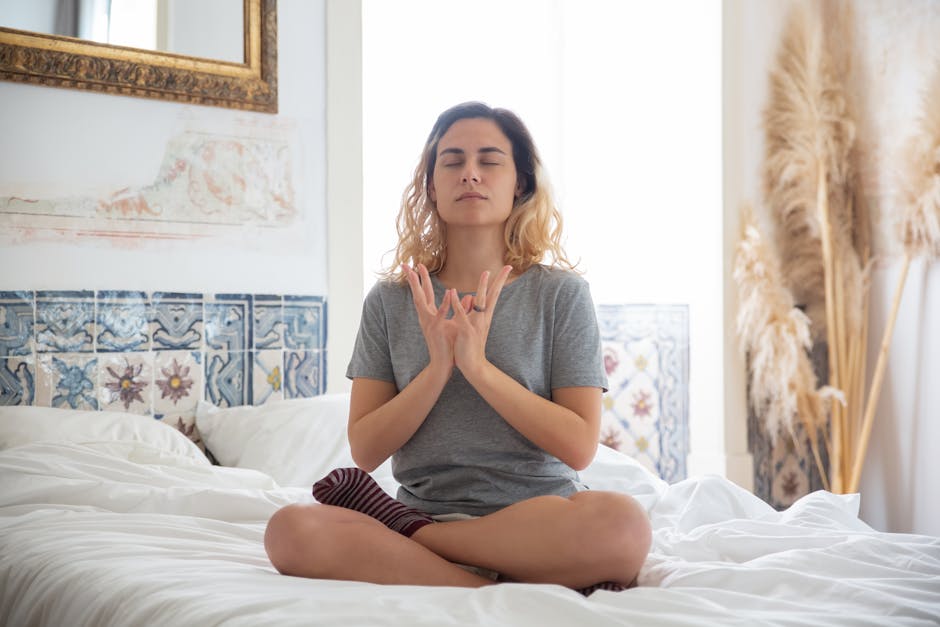
Consistency matters more than perfection. A sustainable meditation routine should feel realistic, calming, and flexible enough to fit your lifestyle.
| Time of Day | Suggested Practice | Recommended Length | Main Goal |
| Morning | Breathing meditation | 5–10 minutes | Reduce stress buildup |
| Midday | Mindfulness reset | 3–5 minutes | Emotional regulation |
| Evening | Body scan meditation | 10–20 minutes | Physical relaxation |
| Before Bed | Sleep meditation | 15–30 minutes | Sleep support |
The Ideal Morning Meditation Routine
Morning meditation helps reduce stress accumulation before the day becomes overwhelming. Many beginners benefit from short breathing exercises immediately after waking.
A simple morning mindfulness routine may include:
- Drink water
- Sit comfortably
- Practice 5 minutes of guided breathing
- Stretch gently
- Set one calming intention for the day
Some people also create peaceful sensory environments with soft lighting, calming scents, and gentle self-care rituals from the Lifestyle collection.
Midday Stress Reset Techniques
Stress tends to build gradually during the day. Short mindfulness resets can prevent emotional overload and improve concentration.
Effective midday techniques include:
- Three-minute breathing breaks
- Stretching while practicing mindful breathing
- Walking meditation outdoors
- Guided grounding exercises
- Mindful hydration habits
The Best Nighttime Meditation Routine for Better Sleep
Nighttime meditation routines help transition the body out of stress mode and into relaxation.
A calming evening routine may include:
- Reduce bright lighting one hour before bed
- Take a warm shower or bath
- Limit stimulating screen time
- Practice body scan meditation
- Listen to sleep meditation audio
- Focus on slow breathing
For people who enjoy spa-style recovery rituals, tools like the KentDO™ Yoga Massage Pads – Deep Neck, Back & Foot Relief can support physical relaxation during evening wind-down routines.

Many beginners find that combining meditation with gentle body relaxation improves emotional decompression after stressful days.
How Long Beginners Should Meditate Each Day
Beginners do not need long sessions to benefit from meditation. In fact, shorter sessions are often easier to maintain consistently.
- 3–5 minutes: Excellent starting point
- 10 minutes: Strong beginner habit range
- 15–20 minutes: Deeper relaxation support
- 30+ minutes: Better for experienced meditators
The goal is consistency rather than duration. Even brief daily mindfulness practice can help support stress reduction over time.
Common Beginner Meditation Mistakes That Increase Frustration
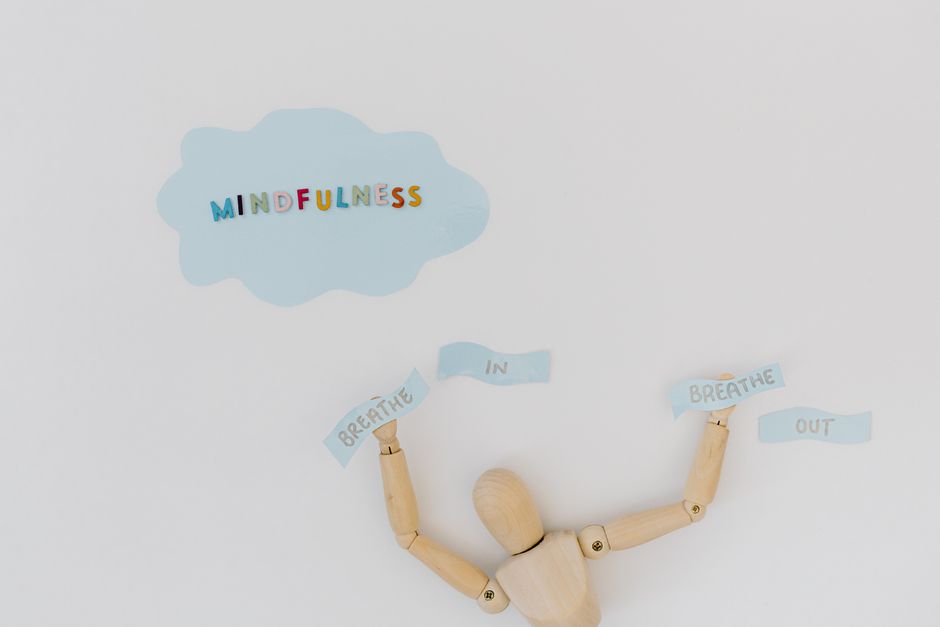
Many beginners quit meditation because of unrealistic expectations. Understanding common mistakes can make mindfulness practice more sustainable and enjoyable.
Trying to Completely Stop Your Thoughts
Meditation is not about eliminating thoughts entirely. Thoughts naturally appear during mindfulness practice. The goal is learning to observe them without becoming overwhelmed.
Beginners often improve faster when they stop judging their meditation performance.
Starting With Sessions That Are Too Long
Long meditation sessions can feel intimidating or mentally exhausting for beginners. Starting with short sessions increases consistency and reduces frustration.
Five calm minutes every day is more sustainable than one difficult hour each week.
Skipping Breath Awareness
Breath awareness is foundational for anxiety management because breathing patterns directly influence nervous system activation.
Shallow breathing often increases stress symptoms, while slower breathing may help encourage physical calmness.
Expecting Immediate Anxiety Elimination
Meditation supports emotional regulation gradually. Most people experience subtle improvements first, including:
- Reduced reactivity
- Better emotional awareness
- Improved sleep readiness
- Calmer breathing
- Reduced physical tension
Building emotional resilience takes time and consistency.
How to Create a Relaxing Home Environment for Meditation

Your environment strongly influences your ability to relax consistently. Creating a calm home setup can make meditation feel easier and more inviting.
Lighting, Sound, and Comfort Setup Tips
A peaceful meditation space does not need to be complicated or expensive. Small adjustments can improve comfort and reduce distractions.
Helpful environment upgrades include:
- Warm lighting
- Soft blankets or cushions
- Minimal clutter
- Nature sounds or calming audio
- Comfortable seating
- Reduced phone notifications
Many people also explore calming wellness tools from the Foot & Body Comfort collection to support evening relaxation routines.
Using Aromatherapy Essential Oils During Meditation
Aromatherapy can create stronger sensory associations with relaxation. Certain calming scents may help support mindfulness rituals and bedtime routines.
Popular meditation-friendly scents include:
- Lavender
- Sandalwood
- Chamomile
- Eucalyptus
- Bergamot
- Cedarwood
Essential oils are often used during warm baths, breathing exercises, or nighttime meditation sessions.
Helpful Home Spa Relaxation Tools for Stress Recovery
While meditation itself requires very little equipment, some beginners enjoy integrating supportive wellness tools into broader self-care rituals.
For example, the KentDO™ Sandalwood Massage Comb – Stress Relief & Skin Glow can be used during calming scalp massage routines before meditation or bedtime relaxation.

Scalp massage may help encourage physical relaxation and reduce feelings of tension after long days of mental overstimulation.
Creating a Sustainable Self Care Routine Around Meditation
Meditation works best when integrated into a broader wellness lifestyle rather than treated as an isolated task.
A balanced self-care routine may include:
- Hydration habits
- Gentle movement
- Sleep hygiene
- Mindful breathing
- Stress management practices
- Healthy nighttime routines
- Relaxation-focused skincare rituals
You can discover more stress-reduction and wellness ideas through the Body & Face Blog and the Hair, Skin & Nai Blog.
The Science Behind Meditation, Sleep Quality, and Emotional Balance

Modern research increasingly supports meditation as a useful tool for stress regulation, emotional resilience, and sleep support.
How Meditation Supports Nervous System Regulation
Meditation encourages activation of the parasympathetic nervous system, which helps the body shift away from chronic stress responses.
This can contribute to:
- Slower breathing
- Reduced muscle tension
- Improved emotional awareness
- Lower perceived stress levels
- Better physical relaxation
Why Guided Meditation Improves Sleep Quality
Anxiety often interferes with sleep by increasing mental stimulation before bedtime. Guided meditation slows this mental activity by creating structured focus and sensory calm.
Sleep-focused mindfulness routines may help:
- Reduce bedtime overthinking
- Improve relaxation before sleep
- Lower nighttime stress
- Support healthier sleep habits
The Link Between Mindfulness and Emotional Resilience
Mindfulness teaches people to observe emotions without immediately reacting to them. Over time, this awareness may improve emotional flexibility and reduce stress sensitivity.
Rather than eliminating difficult emotions, mindfulness helps create healthier responses to them.
Free Guided Meditation Resources Beginners Can Start Using Today
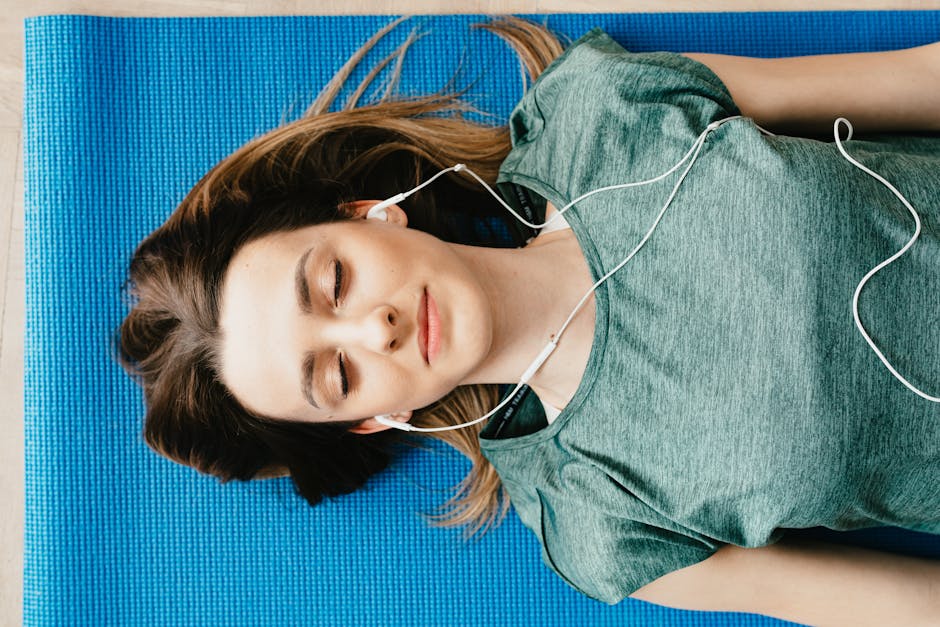
There are many excellent free meditation resources available online for beginners.
Best Short Guided Meditations Under 5 Minutes
Short meditations are ideal for people with busy schedules or limited attention spans.
Look for guided sessions focused on:
- Breathing resets
- Quick grounding exercises
- Mindful body awareness
- Stress reduction breaks
Best Free Sleep Meditations for Anxiety
Sleep meditation videos and audio tracks are widely available on platforms like YouTube, Spotify, and wellness apps.
Helpful sleep meditation features include:
- Slow narration
- Soft music
- Nature sounds
- Body scan guidance
- Breath pacing
Best Beginner Meditation Apps and Platforms
Popular beginner meditation platforms often include:
- Free guided meditation libraries
- Sleep meditation categories
- Breathing exercises
- Mindfulness courses
- Stress management tools
Many apps also offer reminders that help build consistent meditation habits.
How to Build a Personalized Meditation Playlist
Creating a custom meditation playlist can improve consistency and emotional comfort.
Your playlist might include:
- Morning breathing sessions
- Work stress resets
- Sleep meditations
- Nature soundscapes
- Progressive muscle relaxation audio
Pairing favorite meditation tracks with consistent self-care rituals can strengthen relaxation habits over time.
Frequently Asked Questions
What are the best free guided meditations for anxiety beginners?
Breathing meditations, body scan meditation, mindfulness meditation, and sleep meditations are among the most beginner-friendly options for anxiety relief.
How do I start a daily mindfulness meditation habit?
Start with short sessions lasting 3–5 minutes and attach meditation to an existing routine like waking up, showering, or bedtime preparation.
Can guided meditation help with anxiety and sleep quality?
Guided meditation may help calm the nervous system, reduce stress buildup, and support better relaxation before sleep.
How long should I meditate daily for stress relief?
Beginners often benefit from 5–10 minutes daily. Consistency matters more than long sessions.
What is the best nighttime meditation routine for relaxation and better sleep?
A calming nighttime routine may include reduced lighting, warm baths, body scan meditation, breathing exercises, and guided sleep meditation.
What type of meditation works best for panic attacks?
Breathing-focused guided meditations and grounding exercises are often most helpful during high-stress moments and panic symptoms.
Can beginners meditate even if they cannot stop thinking?
Yes. Meditation does not require eliminating thoughts completely. Guided meditation teaches awareness and emotional regulation rather than mental perfection.
Are breathing exercises better than mindfulness meditation for anxiety?
Both can help. Breathing exercises often provide faster short-term calming, while mindfulness meditation supports long-term emotional resilience.
How quickly does meditation help reduce stress?
Some people notice immediate relaxation after short sessions, while deeper emotional benefits typically develop gradually through consistent practice.
Should I meditate in the morning or before bed for anxiety relief?
Both can help. Morning meditation supports stress prevention, while nighttime meditation improves relaxation and sleep readiness.
Conclusion
Guided meditation for anxiety is not about becoming perfectly calm overnight. It is about gradually building healthier emotional habits that support relaxation, stress management, sleep quality, and emotional balance over time.
Beginners often see the best results when they start small, stay consistent, and create calming routines that feel sustainable rather than overwhelming. Whether you begin with five minutes of breathing meditation, a nighttime body scan, or a short mindfulness session during stressful workdays, each practice helps strengthen your ability to respond to stress more calmly.
As your mindfulness routine grows, combining meditation with supportive self-care habits, hydration, gentle relaxation rituals, and calming wellness environments can help create a more balanced lifestyle that supports long-term emotional well-being.
Pillar Article: Spa Products for Home: Build the Ultimate Self-Care Routine













