

The Ultimate Hair Styling Guides: Tools, Techniques & Damage-Free Routines
If you’ve ever struggled with frizz, flat volume, or heat-damaged ends, you’re not alone. Most people don’t lack effort—they lack a system. Random tutorials, mismatched tools, and inconsistent routines often lead to wasted time and disappointing results. The truth? Great hair isn’t about owning more tools—it’s about knowing exactly when and how to use them.
This guide breaks everything down into a decision-based hair styling system. You’ll learn which tools to use, how to use them correctly, and how to build routines that protect your hair while delivering salon-quality results at home. If you’re ready to simplify your routine and get consistent results, start by exploring tools in the hair care and styling devices collection for a complete overview of your options.
What Are Hair Styling Guides? (And Why Most People Do It Wrong)
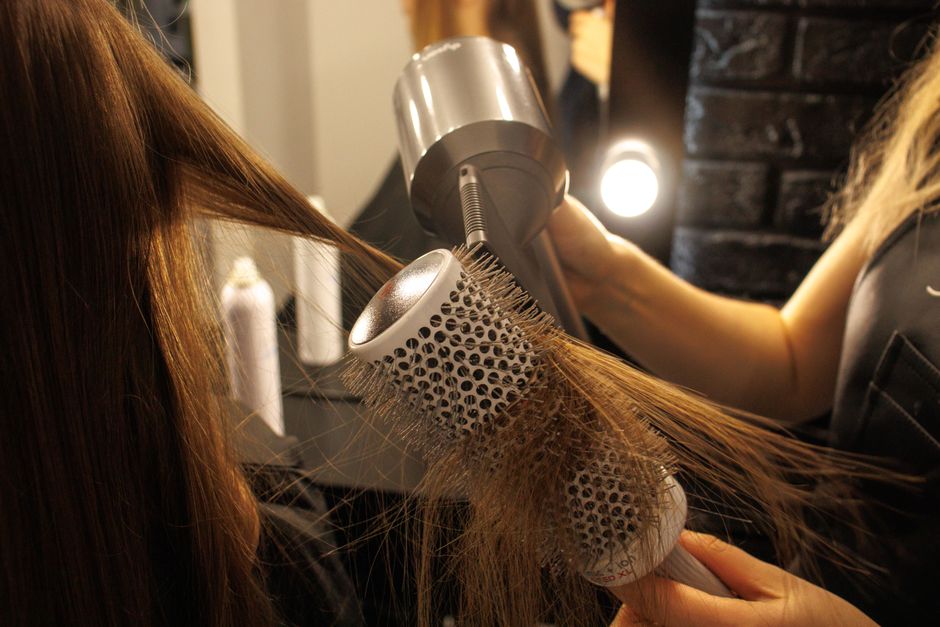
Hair styling guides are structured systems that combine tools, techniques, and routines to help you achieve specific outcomes—whether that’s volume, smoothness, curls, or frizz control.
The Problem With Random Styling Advice
Most online advice focuses on isolated tips: “use a curling iron,” “apply heat protectant,” or “blow dry upside down.” While helpful individually, these tips fail because they don’t consider your hair type, goals, or time constraints.
This leads to common issues:
- Using the wrong tool for your hair type
- Applying too much heat unnecessarily
- Creating inconsistent results day-to-day
- Damaging hair due to poor technique
What a Proper Hair Styling System Looks Like
A real system connects four elements:
- Tools: What you use (dryer, brush, straightener)
- Techniques: How you use them
- Routine: When and how often you style
- Hair type: Your unique texture and needs
Instead of guessing, you follow a clear path based on your desired result.
The Essential Hair Styling Tools for Beginners (Complete Toolkit)

Before learning techniques, you need to understand the tools. The goal isn’t to own everything—it’s to choose smart, versatile tools that cover multiple needs.
Core Styling Tools You Actually Need (Not Everything)
For most beginners, these are enough:
- Hair dryer or hot air brush
- Round brush or paddle brush
- Curling tool (wand or iron)
- Straightening tool
- Heat protectant
If you want simplicity, many people prefer all-in-one tools from the hair care and styling devices collection that reduce clutter and save time.
Hair Dryer Brush vs Hot Air Brush: What’s the Difference?
These terms are often used interchangeably, but there are differences:
| Feature | Hair Dryer Brush | Hot Air Brush |
| Main Function | Dry + style | Style on damp hair |
| Airflow Power | Higher | Moderate |
| Best For | Quick routines | Refining styles |
For beginners, a combined tool is often the easiest starting point.
7-in-1 Hair Dryer Brush – Ionic High-Speed Styling Tool

This type of multi-function tool simplifies styling by combining drying, smoothing, and volumizing into one step—especially helpful if you’re short on time.
Ceramic vs Ionic vs Tourmaline Tools Explained
Understanding material technology helps you reduce damage and improve results:
- Ceramic: Even heat distribution
- Ionic: Reduces frizz by neutralizing static
- Tourmaline: Enhances shine and smoothness
Ionic tools are especially effective for frizz control and daily styling.
Curling Wand vs Curling Iron: Which Should You Choose?
Choose based on your comfort and desired result:
- Curling wand: More natural waves, no clamp
- Curling iron: Structured curls, easier for beginners
Professional vs Beginner Tools: What Matters Most?
Beginners should prioritize:
- Temperature control
- Lightweight design
- Multi-function capability
Professional tools matter later—but technique matters first.
Decision-Based Hair Styling System (Find Your Routine Fast)
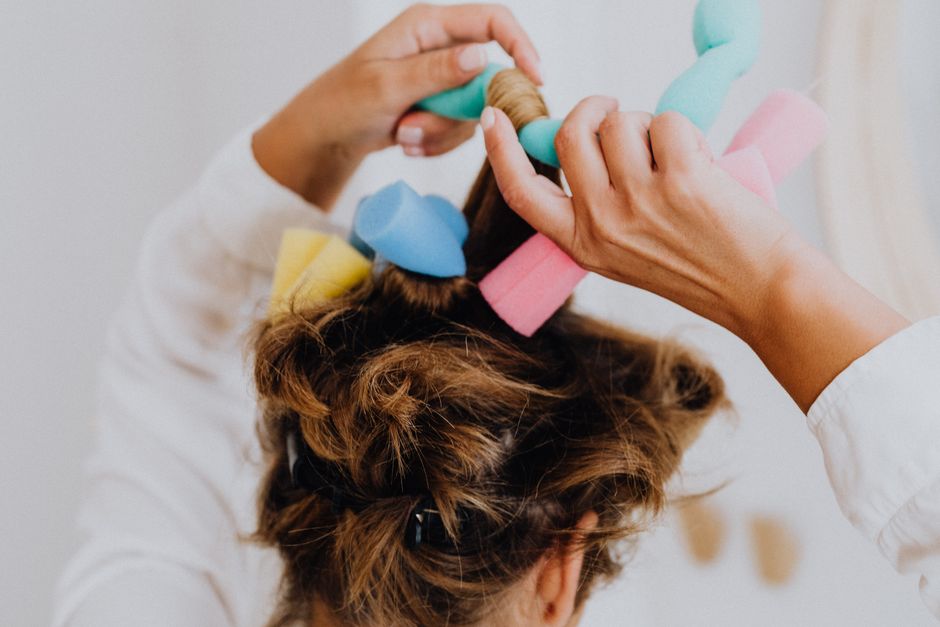
This is where everything comes together. Instead of guessing, follow the path that matches your goal.
If You Have Frizzy Hair → Use This Tool + Routine
Use ionic tools, lower heat, and finish with cool air. Avoid over-drying.
If You Want Volume → Best Tools & Blow Dry Method
Focus on root lift with round brushes and airflow direction.
If You Want Sleek Straight Hair → Step-by-Step Plan
Blow dry first, then refine with a straightening tool for a polished finish.
If You Want Curls/Waves → Tool + Technique Matching
Match barrel size to curl type and adjust heat based on thickness.
If You’re Short on Time → 10-Minute Styling System
Use multi-functional tools to reduce steps and simplify your routine.
Blow Drying Techniques That Actually Protect Your Hair

Blow drying is one of the most common sources of damage—but also one of the easiest to fix.
Step-by-Step Blow Dry Routine (Damage-Free)
- Towel dry gently
- Apply heat protectant
- Use medium heat
- Keep airflow moving
- Finish with cool air
Common Blow Dry Mistakes Causing Frizz & Breakage
- Holding dryer too close
- Using high heat constantly
- Skipping heat protection
Using a Hair Dryer Brush for Salon Results at Home
Hair dryer brushes simplify technique by combining airflow and brushing into one motion.
For more styling tools that support efficient routines, explore the skin and beauty care devices collection to complement your routine.
Heat Styling Without Damage: The Complete Protection System

Heat styling doesn’t have to damage your hair—if done correctly.
How Heat Damages Hair (And How to Stop It)
Excessive heat breaks down protein bonds, leading to dryness and breakage.
How to Use Heat Protectant Spray Correctly
- Apply to damp hair
- Distribute evenly
- Do not oversaturate
Best Temperature Settings by Hair Type
| Hair Type | Temperature |
| Fine | 120–150°C |
| Medium | 150–180°C |
| Thick | 180–210°C |
Daily vs Occasional Styling: Safe Frequency Guide
Limit high-heat styling to a few times per week and alternate with low-heat or heatless methods.
To support recovery, many people incorporate tools from the warmth & heat therapy collection for relaxation and scalp care.
Frizz Control Methods That Actually Work

Frizz is one of the most searched hair problems—and one of the most misunderstood.
Why Frizz Happens (Humidity, Damage, Technique)
Frizz occurs when hair absorbs moisture unevenly, often due to damage or dryness.
Tool-Based Frizz Control (Ionic & Tourmaline Explained)
Ionic tools neutralize static, while tourmaline enhances smoothness.
Routine-Based Frizz Prevention System
- Hydrate hair regularly
- Use proper drying technique
- Avoid over-styling
For deeper care, explore options in the skincare & hydration collection that support overall hair health.
Daily & Weekly Hair Styling Routine System
Consistency matters more than intensity.
Daily Styling Routine (5–15 Minutes)
- Quick refresh
- Low heat touch-ups
- Frizz control
Weekly Reset Routine (Repair + Restyle)
- Deep conditioning
- Minimal heat styling
- Scalp care
Scalp Care Routine for Better Styling Results
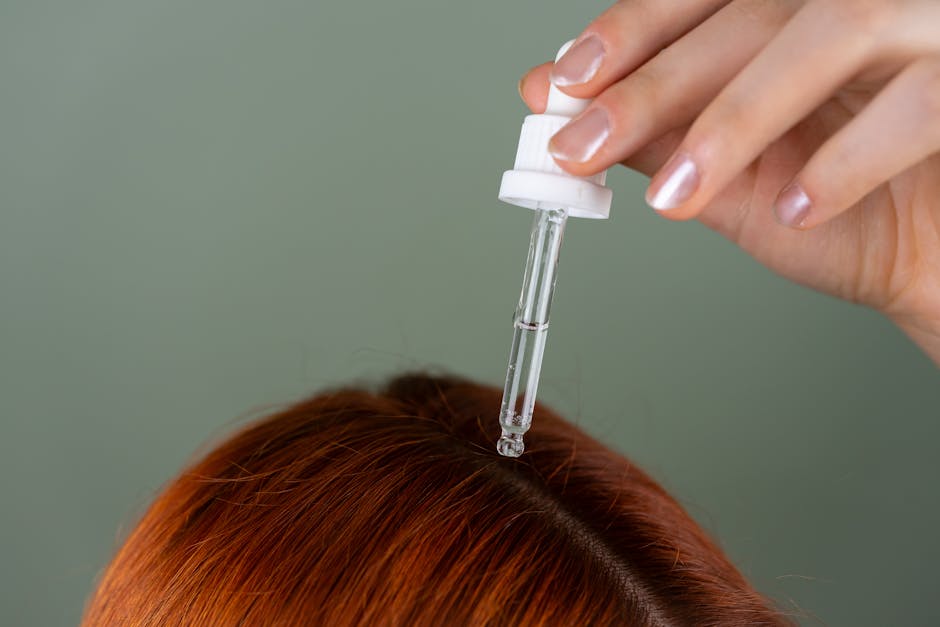
Healthy hair starts at the scalp. A clean, balanced scalp improves styling outcomes dramatically.
Many users complement this with products from the body care and health devices collection to maintain overall wellness.
Travel-Friendly Hair Styling Tools & Minimalist Kits
Styling on the go requires efficiency and portability.
Compact Tools That Replace Multiple Devices
Look for tools that combine multiple functions into one lightweight design.
How to Build a Minimal Styling Kit
- One multi-function tool
- Compact brush
- Travel-size protectant
For travel essentials, explore the lifestyle collection for compact and practical solutions.
FAQ
What are the essential hair styling tools for beginners?
A hair dryer or hot air brush, a brush, a curling tool, and a straightener are typically enough to start.
How do you use a curling brush correctly?
Wrap small sections around the brush, apply heat while rotating, and release slowly to form curls.
What is the best way to blow dry hair without damage?
Use medium heat, keep the dryer moving, and always finish with cool air.
How can I protect my hair from heat styling tools?
Use heat protectant, control temperature, and avoid daily high-heat styling.
Which hair styling tools are best for reducing frizz?
Ionic tools and proper drying techniques are most effective for frizz control.
Conclusion
Great hair styling isn’t about buying more tools—it’s about using the right system. When you match tools to your goals, apply the correct techniques, and follow a consistent routine, results become predictable and effortless.
Start simple, build your routine step by step, and explore more tools in the hair care and styling devices collection to refine your system over time.
Pillar Article: Hair Care Routine: Build Your Perfect System for Healthy, Frizz-Free Hair













