

Hand Care Routines: How to Repair Dry Cracked Hands and Feet
Dry, cracked hands and feet are more than a cosmetic concern. Frequent hand washing, harsh weather, indoor heating, hot showers, friction, and dehydration can weaken the skin barrier and lead to redness, itching, flaking, and painful cracks. Many people try to solve the problem with random moisturizers, but lasting improvement usually requires a consistent routine focused on hydration, barrier repair, gentle exfoliation, and environmental protection.
This guide explains how to build effective hand care routines for dry cracked skin, including daily recovery habits, overnight repair methods, exfoliation strategies, ingredient education, and foot care techniques. You will also learn how to customize routines based on climate, lifestyle, and skin sensitivity while creating a relaxing self-care ritual at home.
For more wellness-focused routines and recovery tools, explore the Wellness & Relaxation collection and the Beauty & Self-Care Blog for additional home care ideas.
Why Hands and Feet Become Dry, Cracked, and Damaged

The skin on the hands and feet experiences constant environmental stress. Hands are exposed to soaps, sanitizers, detergents, and weather changes throughout the day, while feet deal with pressure, sweat, friction, and prolonged standing. When moisture loss exceeds the skin’s ability to repair itself, cracking and irritation develop.

How the Skin Barrier Protects Moisture
The outermost layer of skin acts like a protective wall that holds water inside while blocking irritants from entering. This barrier contains lipids, ceramides, natural moisturizing factors, and skin cells arranged in layers. When the barrier becomes damaged, water escapes more easily, leading to dryness, tightness, and inflammation.
Healthy skin barriers maintain flexibility and softness. Damaged barriers often feel rough, sting when products are applied, and develop tiny fissures or flakes. Barrier-focused routines aim to restore this protective layer instead of only masking dryness temporarily.
Common Causes of Cracked Hands and Feet
- Frequent hand washing and sanitizer use
- Cold weather and indoor heating
- Long hot showers
- Harsh soaps and cleaning chemicals
- Friction from shoes or repetitive activities
- Standing for extended periods
- Low humidity environments
- Dehydration and aging
- Over-exfoliation
- Occupational exposure to irritants
People who work in healthcare, food service, cleaning, construction, or childcare often experience more severe dryness because their skin is exposed to water and irritants repeatedly throughout the day.
Signs Your Skin Barrier Needs Repair
Common symptoms of barrier damage include:
- Tightness after washing
- Visible flaking or peeling
- Redness and irritation
- Persistent itching
- Burning when applying skincare products
- Painful cracks around knuckles or heels
- Rough texture and scaling
If these symptoms continue despite moisturization, your routine may need more intensive hydration, gentler cleansing, or reduced exfoliation.
The Best Daily Hand Care Routine for Dry Cracked Hands

An effective hand care routine focuses on preventing moisture loss throughout the day while supporting overnight recovery. Consistency matters more than using complicated products.

Morning Hand Care Routine
- Wash hands with lukewarm water and a gentle cleanser.
- Pat skin dry instead of rubbing aggressively.
- Apply a lightweight moisturizer while skin is still slightly damp.
- Use sunscreen on the backs of hands during daytime exposure.
- Wear gloves during cleaning or outdoor cold weather.
Morning routines should prioritize protection and hydration without leaving skin overly greasy during daily activities.
Post-Washing Moisture Recovery Steps
The first few minutes after washing are critical because water evaporates quickly from the skin. Apply moisturizer immediately after drying hands to trap moisture inside the barrier.
Look for creams containing:
- Ceramides
- Glycerin
- Hyaluronic acid
- Shea butter
- Petrolatum
People with severe dryness may benefit from carrying a small hand cream throughout the day. Consistent reapplication is often more important than using expensive products.
Many people also combine daily routines with recovery tools from the Skincare & Hydration collection or massage-focused products inside the Body Care and Health Devices collection.
Nighttime Repair Routine for Deep Hydration
Nighttime is ideal for intensive barrier repair because the skin naturally recovers during sleep.
- Wash hands gently with lukewarm water.
- Apply a thick moisturizing cream or ointment.
- Seal moisture with an occlusive layer if needed.
- Wear soft cotton gloves overnight.
Overnight occlusion helps reduce water loss and improves absorption of moisturizing ingredients.
How Long It Takes to Repair Cracked Hands
Mild dryness can improve within several days of consistent care, while deeper cracks may require two to four weeks of barrier-focused treatment. Severe cases often worsen when routines are inconsistent or when environmental triggers remain unaddressed.
Hydration, reduced irritant exposure, and routine adherence are the biggest factors influencing recovery time.
How to Repair Extremely Dry and Cracked Hands Overnight

Overnight recovery routines can dramatically improve severe dryness because they allow extended contact time between moisturizing ingredients and the skin barrier.

The Overnight Hand Mask Method
- Soak hands briefly in lukewarm water for five minutes.
- Pat dry gently.
- Apply a thick layer of barrier cream or ointment.
- Cover hands with cotton gloves.
- Leave overnight for extended hydration support.
This method helps soften rough patches and supports healing of superficial cracks.
Best Ingredients for Overnight Barrier Repair
| Ingredient | Primary Benefit | Best For |
| Ceramides | Barrier restoration | Compromised skin barriers |
| Petrolatum | Prevents moisture loss | Severe dryness |
| Shea Butter | Softens rough skin | Flaky texture |
| Glycerin | Attracts water | Daily hydration |
| Hyaluronic Acid | Water retention | Dehydrated skin |
Mistakes That Can Worsen Cracks Overnight
- Using excessively hot water
- Applying strong acids to broken skin
- Over-exfoliating sensitive areas
- Using heavily fragranced products
- Skipping moisturizer after washing
Skin recovery is usually slower when irritation continues overnight.
For relaxing evening rituals, some people enjoy soaking tired feet with the KentDO™ Heated Foot Bath Massager.

The Best Foot Care Routine for Dry Cracked Feet
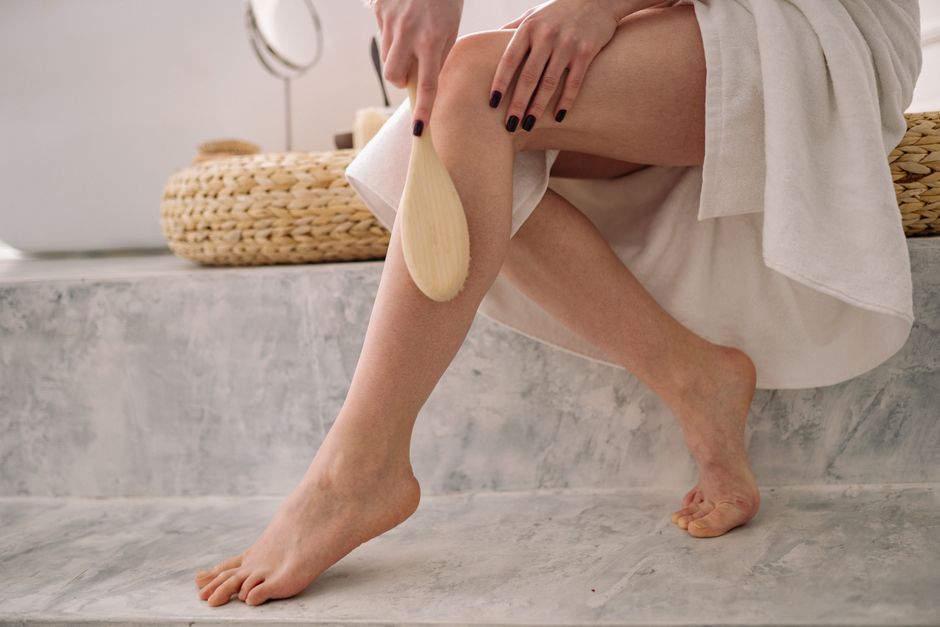
Feet require a slightly different care approach because heel skin is naturally thicker and experiences more pressure and friction than hands.

Daily Foot Care Basics
- Wash feet gently using lukewarm water.
- Dry thoroughly between toes.
- Apply moisturizer immediately afterward.
- Wear breathable socks.
- Avoid prolonged barefoot walking on rough surfaces.
Hydrating feet consistently prevents thick buildup and painful heel fissures from worsening.
How to Soften Rough Heels Safely
Gentle exfoliation once or twice weekly can help remove dead skin without damaging the barrier. Avoid aggressive scraping or overuse of abrasive tools.
Safe methods include:
- Warm foot soaks
- Soft exfoliating cloths
- Mild chemical exfoliants
- Hydrating foot masks
After exfoliating, apply a thick moisturizer immediately to reduce moisture loss.
Why Urea Cream Helps Cracked Feet
Urea is both hydrating and keratolytic, meaning it softens thickened skin while improving moisture retention. Lower concentrations support hydration, while higher concentrations help break down rough buildup on heels.
Combining exfoliation with hydration is usually more effective than relying on exfoliation alone.
You can also browse the Foot & Body Comfort collection and the Body & Face Blog for additional foot wellness strategies.
The Most Effective Ingredients for Dry Cracked Skin Repair
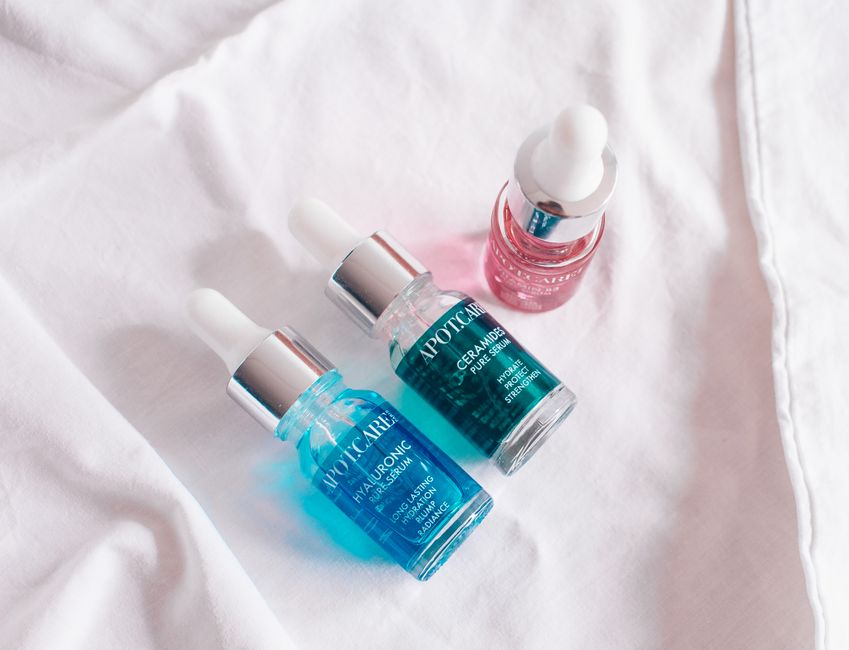
Understanding skincare ingredients helps you choose products that match your skin needs instead of relying on marketing claims alone.

Ceramides for Skin Barrier Recovery
Ceramides are lipids naturally found in the skin barrier. They help seal moisture inside the skin while reducing irritation from environmental stressors.
Barrier repair routines often prioritize ceramide-based creams because they support long-term recovery instead of providing temporary softness only.
Hyaluronic Acid for Water Retention
Hyaluronic acid functions as a humectant, attracting water into the skin. It works best when paired with occlusive ingredients that prevent evaporation.
Applying hyaluronic acid to slightly damp skin may improve hydration retention.
Petrolatum vs Shea Butter vs Glycerin
| Ingredient | Category | Main Function | Best Use |
| Petrolatum | Occlusive | Locks in moisture | Severe dryness |
| Shea Butter | Emollient | Softens skin texture | Rough flaky areas |
| Glycerin | Humectant | Attracts hydration | Daily moisture support |
How to Choose the Right Hand Cream or Foot Cream
Choose products based on skin condition and environment:
- Lightweight lotions for mild dryness
- Barrier creams for frequent hand washers
- Occlusive ointments for overnight recovery
- Urea creams for rough heels
- Fragrance-free formulas for sensitive skin
People building complete wellness routines often pair skincare with stress relief devices from the Warmth & Heat Therapy collection and hydration-focused products from the Skin and Beauty Care Devices collection.
How Often Should You Exfoliate Dry Hands and Feet?

Exfoliation helps remove dead skin buildup, but excessive exfoliation can worsen barrier damage and increase sensitivity.

Physical vs Chemical Exfoliation
| Type | Method | Best For |
| Physical Exfoliation | Scrubs, cloths, brushes | Thicker rough skin |
| Chemical Exfoliation | AHAs, BHAs, urea | Gentler texture renewal |
People with sensitive skin often tolerate mild chemical exfoliants better than harsh scrubbing.
Safe Exfoliation Schedule for Sensitive Dry Skin
- Mild dryness: 1–2 times weekly
- Moderate roughness: 2 times weekly
- Severely cracked skin: avoid exfoliation until healing improves
Always follow exfoliation with moisturizer to support barrier recovery.
Signs You Are Over-Exfoliating
- Burning or stinging
- Increased redness
- Shiny tight skin
- New sensitivity
- Worsening cracks
Reducing exfoliation frequency often helps irritated skin recover more quickly.
Hand Care Routines by Skin Type and Lifestyle

Different environments and lifestyles place different demands on the skin barrier. Personalized routines are usually more sustainable and effective.

Best Routine for Sensitive Skin
- Use fragrance-free products
- Avoid strong exfoliants
- Choose ceramide-rich creams
- Limit hot water exposure
- Patch test new products carefully
Hand Care for Frequent Hand Washers
Healthcare workers, parents, food service employees, and cleaners often need heavier barrier protection.
Helpful strategies include:
- Applying cream after every wash
- Using alcohol-free cleansers when possible
- Wearing gloves during cleaning tasks
- Keeping travel-sized moisturizer nearby
Winter Hand Care Routine
Cold air and indoor heating significantly reduce environmental humidity. During winter, thicker creams and overnight masks are often necessary.
Indoor humidifiers may also help reduce moisture loss during colder months.
Summer Foot Care and Sweat Management
Summer routines should balance hydration with sweat management. Breathable socks, proper shoe rotation, and lightweight moisturizers help prevent friction-related irritation.
For recovery after long days standing or walking, some people use the KentDO™ Electric Foot Massager – Pain Relief & Heated Therapy.

Daily Habits That Help Prevent Dry Cracked Hands and Feet

Preventive habits reduce the likelihood of recurring dryness and support long-term skin barrier health.

The Role of Hydration and Indoor Humidity
Environmental dryness accelerates water loss from the skin. Drinking enough fluids and maintaining indoor humidity can help support overall skin comfort.
Humidifiers are especially helpful during winter months or in heavily air-conditioned environments.
Why Gloves Matter During Cleaning
Cleaning chemicals and detergents strip oils from the skin barrier. Wearing protective gloves reduces direct exposure and helps preserve moisture.
Soft cotton liners beneath rubber gloves may improve comfort during longer cleaning sessions.
Building a Relaxing At-Home Self-Care Ritual
Stress management and consistent wellness habits often improve adherence to skincare routines. A calming evening ritual may include:
- Warm foot soaks
- Gentle massage
- Hydrating masks
- Mindfulness practices
- Barrier repair creams
Many readers also enjoy exploring the Lifestyle collection and the Hair, Skin & Nail Blog for additional self-care inspiration.
“Consistency is one of the most important factors in barrier repair. Small daily habits often outperform occasional intensive treatments.”
When Dry Cracked Skin May Need Professional Treatment

Some cases of dryness require evaluation by a healthcare professional, especially when symptoms become severe or persistent.
Signs of Infection or Severe Barrier Damage
- Bleeding cracks
- Swelling
- Pus or discharge
- Severe pain
- Rapid spreading redness
- Persistent inflammation
These symptoms may indicate infection or significant barrier compromise.
Conditions That Mimic Dry Skin
Some medical conditions resemble ordinary dryness, including eczema, psoriasis, allergic dermatitis, and fungal infections. Persistent symptoms should be professionally evaluated for accurate diagnosis and treatment guidance.
Frequently Asked Questions
What is the best daily hand care routine for dry cracked hands?
The best routine includes gentle cleansing, moisturizing after every wash, using barrier-supporting ingredients like ceramides and glycerin, and applying thicker creams overnight.
How can I repair extremely dry and cracked hands overnight?
Apply a thick moisturizing cream or ointment before bed and wear cotton gloves overnight to reduce moisture loss and support barrier recovery.
What causes hands and feet to become very dry and cracked?
Common causes include overwashing, cold weather, hot water exposure, friction, harsh soaps, aging, dehydration, and low humidity environments.
Which ingredients help restore the skin barrier on hands and feet?
Ceramides, glycerin, hyaluronic acid, shea butter, petrolatum, and urea are commonly used to support hydration and barrier repair.
How often should you exfoliate dry hands and feet at home?
Most people benefit from exfoliating once or twice weekly. Severely cracked or irritated skin may require less frequent exfoliation.
Is petrolatum good for cracked hands?
Yes. Petrolatum helps reduce moisture loss and supports healing when used as part of a barrier repair routine.
What is the difference between hand cream and foot cream?
Foot creams are usually thicker and may contain ingredients like urea to soften rough skin, while hand creams are often lighter for daytime use.
Can over-washing damage the skin barrier on hands?
Yes. Frequent washing removes natural oils and increases moisture loss, especially when combined with harsh soaps or hot water.
How do you heal cracked heels fast at home?
Use gentle exfoliation, thick moisturizers, overnight occlusion, breathable socks, and consistent hydration to support heel repair.
Should you use exfoliation on severely dry skin?
Exfoliation should be limited or avoided if the skin is actively cracked, inflamed, or painful because excessive exfoliation may worsen irritation.
Conclusion
Repairing dry cracked hands and feet requires more than occasional moisturizer use. Effective hand care routines focus on protecting the skin barrier, maintaining hydration, reducing environmental stress, and supporting recovery with consistent daily habits. Small changes such as moisturizing after washing, avoiding harsh cleansers, using overnight repair methods, and practicing gentle exfoliation can make a significant difference over time.
For additional wellness routines and self-care support, explore the Skincare & Hydration collection, the Foot & Body Comfort collection, and the Beauty & Self-Care Blog for more at-home care inspiration.
Pillar Article: Spa Products for Home: Build the Ultimate Self-Care Routine













