

Home Skin Care Devices for Dry Skin: Ultimate Buying & Hydration Guide
Modern skin rarely struggles with just one problem. Dryness, dehydration, barrier weakness, and environmental stress all overlap—especially for people exposed to air conditioning, travel, outdoor camping, or seasonal climate shifts. What looks like “dry skin” is often a combination of moisture loss and barrier dysfunction caused by daily environmental pressure.
This is where at-home skin care devices have reshaped modern hydration routines. Instead of relying only on creams and serums, users can now build a structured hydration system using devices that enhance absorption, support barrier repair, and improve skin recovery efficiency. This guide breaks down how these tools work, how to use them correctly, and how to build a complete hydration ecosystem at home.
To explore more skincare systems and routines, you can browse the full Skin and Beauty Care Devices collection or discover complementary wellness tools in the Wellness & Relaxation collection.
Understanding Dry Skin in 2026: Barrier Damage, Dehydration, and Environmental Stress

Dry skin is no longer just a seasonal issue. In 2026, dermatologists increasingly categorize it as a barrier dysfunction condition influenced by lifestyle and environmental exposure. There is a key distinction between dry skin (lack of oil) and dehydrated skin (lack of water), and many people experience both simultaneously.
Dry skin vs dehydrated skin explained
Dry skin occurs when the skin produces insufficient sebum, leading to flakiness and rough texture. Dehydrated skin, on the other hand, is caused by water loss in the epidermis, often triggered by environmental stress or improper skincare routines. Devices can help address both conditions by improving hydration delivery and supporting barrier repair.
How skin barrier dysfunction develops
The skin barrier is made of lipids and natural moisturizing factors that protect against water loss. When this barrier weakens, moisture escapes more easily, making skin sensitive, tight, and prone to irritation. Over-cleansing, harsh weather, and pollution are leading causes of this breakdown.
Modern lifestyle triggers
Indoor heating, air conditioning, long flights, screen exposure, and outdoor activities like hiking or camping all contribute to dehydration. These factors make at-home hydration systems more relevant than ever.
How Home Skin Care Devices Work for Hydration and Barrier Repair
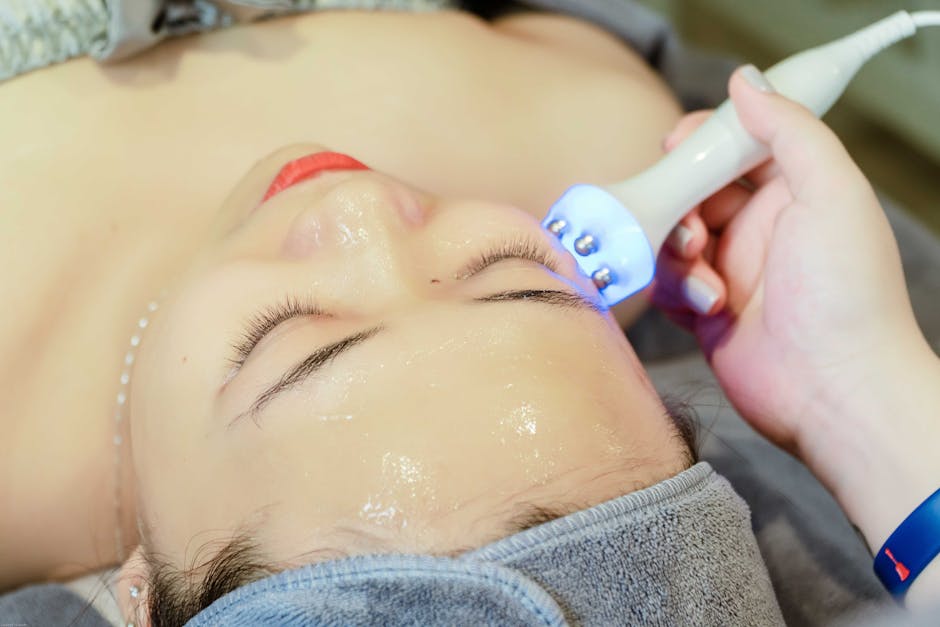
At-home skin care devices support hydration through physical and energy-based mechanisms that improve how skincare products interact with the skin. While they do not replace moisturizers, they significantly enhance how effectively ingredients are delivered and absorbed.
Transdermal hydration pathways
Devices like ultrasonic tools and oxygen infusion systems help temporarily increase skin permeability, allowing hydrating ingredients such as hyaluronic acid to penetrate more effectively into the upper layers of the skin.
Heat, vibration, light, and microcurrent effects
Different devices use different mechanisms. LED light therapy reduces inflammation, microcurrent devices support circulation, facial steamers increase hydration absorption, and vibration-based tools help improve serum distribution across the skin surface.
Limitations and realistic expectations
Devices are not magic solutions. They work best when paired with consistent skincare routines, barrier-supporting ingredients, and proper usage frequency. Overuse can stress the skin, so balance is essential.
Complete Hydration Device Ecosystem: Types of At-Home Skin Care Devices

A complete hydration system includes multiple device categories working together. Each plays a specific role in cleansing, preparing, delivering, and sealing moisture into the skin.
One of the most comprehensive systems for deep hydration and cleansing is the KentDO™ Hydra Facial Machine.

This device represents a multi-functional hydration approach combining cleansing, exfoliation, oxygen infusion, and microcurrent support into a single system.
- Hydra dermabrasion helps remove dead skin cells gently
- Oxygen infusion enhances serum absorption
- Microcurrent stimulation supports skin firmness
- Multi-step hydration delivery improves glow and texture
For users building a complete skincare setup, this type of device works well alongside tools found in the Body Care and Health Devices collection or seasonal systems in the Winter Skincare Hydration collection.
LED light therapy masks for inflammation and recovery
LED masks use specific wavelengths of light to target inflammation and support skin recovery. Red light is commonly used for hydration-related repair and collagen stimulation.
Ultrasonic facial cleansing devices for hydration prep
These devices remove impurities while preparing skin for better hydration absorption. They are often used before serums or masks.
Microcurrent facial devices for circulation support
Microcurrent tools stimulate facial muscles and improve circulation, indirectly supporting nutrient delivery to skin cells.
Facial steamer devices for moisture infusion
Steam opens pores and softens the skin surface, allowing hydrating ingredients to penetrate more effectively.
Nano mist sprayers for on-the-go hydration
Portable mist devices provide instant hydration support during travel, outdoor exposure, or dry indoor environments.
Hydrating sheet mask systems for occlusive repair
Sheet masks create a physical barrier that locks moisture into the skin, making them ideal after device-based treatments.
Hydration Ingredient + Device Pairing Framework (Science-Based Routine Design)
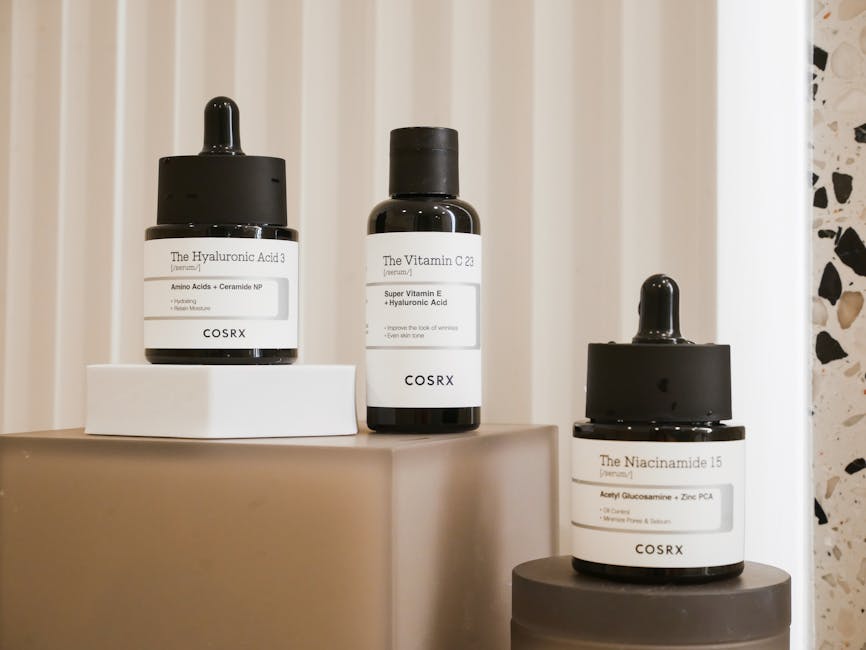
Devices are most effective when paired with the right skincare ingredients. This pairing strategy improves hydration retention and barrier repair outcomes.
Hyaluronic acid serums with ultrasonic delivery
Ultrasonic devices help enhance the penetration of hyaluronic acid, improving hydration depth and skin plumpness.
Ceramide moisturizers for barrier sealing
Ceramides restore lipid balance and lock in moisture after device use, making them essential for barrier recovery routines.
Skin barrier repair creams for recovery nights
These creams are designed to support overnight repair when skin regeneration is at its peak.
Layering order for maximum absorption
Always begin with cleansing devices, followed by hydrating serums, device-assisted infusion, and finishing with barrier creams.
Best At-Home Hydration Routine Using Skin Care Devices

A structured routine ensures devices enhance rather than overwhelm the skin. Timing and frequency are essential.
Morning hydration routine
Morning routines should focus on protection and lightweight hydration. Gentle cleansing devices, followed by antioxidant serums and lightweight moisturizers, help maintain skin balance throughout the day.
Evening recovery routine
Evening routines prioritize repair. This is the ideal time for LED masks, microcurrent devices, and intensive hydration masks.
An excellent nighttime hydration option is the KentDO™ Collagen Face Mask.
Weekly intensive hydration protocol
Once or twice a week, deeper treatments such as hydra facials or steam sessions can reset skin hydration levels.
Overuse risks and skin fatigue prevention
Using devices too frequently can overstimulate the skin barrier. Balance is key—hydration should support recovery, not stress the skin further.
Outdoor Exposure & Travel Recovery: How Devices Restore Dehydrated Skin Fast

Travel and outdoor activities expose skin to wind, UV stress, and fluctuating humidity levels. This leads to rapid moisture depletion.
Post-hiking and camping recovery
After outdoor exposure, focus on gentle cleansing, hydration replenishment, and barrier sealing. Devices like nano mist sprayers or hydra tools help restore balance quickly.
Flight dehydration repair workflow
Airplane cabins are extremely dehydrating. A post-flight routine should include hydration masks and barrier repair creams to restore moisture levels.
Portable hydration tools for travel kits
Compact devices such as skin analyzers and mist sprayers are ideal for maintaining hydration consistency while traveling.
Humidity, Climate, and Seasonal Adjustments for Device-Based Skincare

Climate plays a major role in how your skin responds to hydration systems.
Dry winter climates vs humid tropical climates
In dry climates, heavier hydration and barrier repair are necessary. In humid climates, lightweight hydration and controlled device use prevent congestion.
Device frequency adjustments by season
Winter may require more frequent hydration treatments, while summer routines should focus on maintenance and protection.
Indoor heating and AC mitigation strategies
Indoor environments often mimic desert-like dryness. Hydration devices help counteract this constant moisture loss.
Common Mistakes When Using Home Skin Care Devices

Even advanced users often misuse hydration devices, reducing their effectiveness.
Overuse of LED and microcurrent devices
Too much stimulation can weaken skin recovery cycles.
Skipping barrier repair after device use
Devices open pathways for absorption, but without barrier creams, moisture loss can still occur.
Using devices on compromised skin
Irritated or broken skin should not be treated with active devices until healed.
Misunderstanding hydration vs exfoliation cycles
Hydration and exfoliation must be balanced. Over-exfoliation damages barrier integrity.
How to Choose the Best Home Skin Care Device for Dry Skin
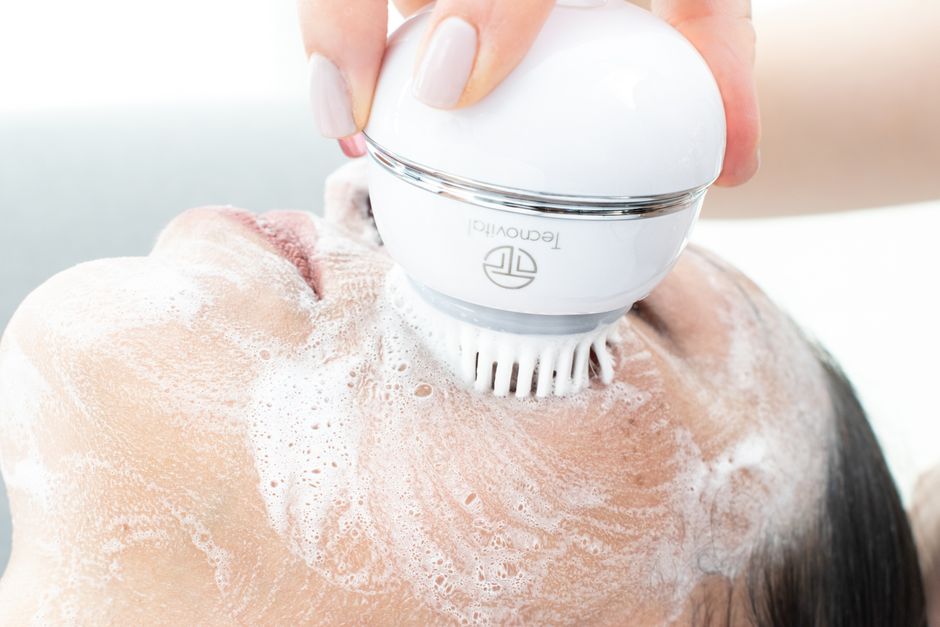
Selecting the right device depends on skin type, goals, and lifestyle.
A helpful diagnostic tool for personalized skincare selection is the KentDO™ Portable Skin Analyzer.

This device helps identify moisture levels, oil balance, and environmental impact, allowing users to tailor hydration routines more precisely.
For broader wellness systems, explore the Lifestyle collection or seasonal wellness tools in the Winter Wellness & Relaxation collection.
Skin type matching framework
Dry skin benefits from hydration-heavy devices, while oily dehydrated skin requires balance-focused tools.
Feature comparison checklist
Look for devices that combine cleansing, hydration infusion, and barrier support rather than single-function tools.
Budget vs professional-grade devices
Higher-end systems offer multi-step hydration cycles, while beginner devices focus on basic cleansing and moisturizing support.
Long-term maintenance considerations
Maintenance includes cleaning device heads, replacing filters, and ensuring proper storage.
Scientific Evidence Behind Hydration Devices and Skin Barrier Improvement
Research in dermatological science supports the role of light therapy, hydration infusion, and microcurrent stimulation in improving skin condition.
While results vary, studies consistently show improved hydration retention, reduced inflammation, and enhanced product absorption when devices are used correctly alongside barrier-supporting skincare.
FAQ: Home Skin Care Devices and Hydration Tools
What are home skin care devices used for?
They are used to support cleansing, hydration, absorption of skincare products, and barrier repair at home.
Do hydrating facial devices actually improve skin barrier health?
Yes, when used correctly with barrier-supporting ingredients, they can enhance hydration and strengthen skin resilience.
How often should you use at-home facial hydration devices?
Most devices should be used 1–3 times per week depending on intensity and skin sensitivity.
Can skincare devices replace moisturizers or serums in a routine?
No, devices enhance skincare but do not replace essential hydration products like moisturizers or serums.
What is the best routine for dry skin using home skincare devices?
A balanced routine includes gentle cleansing, device-assisted hydration, serum application, and barrier cream sealing.
Conclusion
At-home skin care devices are most effective when viewed as part of a complete hydration ecosystem rather than standalone solutions. When combined with proper skincare layering, seasonal adjustments, and barrier-focused ingredients, they significantly improve moisture retention and skin resilience.
For best results, consistency and balance matter more than intensity. A well-structured hydration routine can transform how skin responds to environmental stress, travel, and daily lifestyle factors.
Pillar Article: Best Skincare for Hydration: The Ultimate Camping & Hiking Survival Routine













