
Home Wellness Device Buying Guide: How to Choose Safe & Effective Wellness Products
Modern life has made stress, poor sleep, sedentary routines, and physical tension almost unavoidable. Many people respond by buying wellness gadgets randomly—massage devices, sleep aids, posture tools—without understanding how they work together. The result is often clutter, inconsistent use, and disappointing outcomes.
A more effective approach is to build a structured home wellness ecosystem. Instead of collecting isolated devices, you design a system that supports sleep, recovery, stress management, posture, and environmental balance in a coordinated way. This guide walks you through exactly how to do that safely and effectively.
What Is a Home Wellness Ecosystem (And Why Beginners Need a System, Not Products)

A home wellness ecosystem is a coordinated set of tools and habits that support physical and mental well-being across multiple areas of daily life. Instead of focusing on individual devices, you focus on how they work together to improve your sleep, recovery, energy, and stress resilience.
Why isolated wellness gadgets fail long-term
Most beginners buy devices based on trends or marketing claims. A massage device here, a sleep gadget there—without integration. The problem is not the tools themselves, but the lack of structure. Without a system, usage drops quickly, and devices become unused clutter.
Core pillars of a wellness ecosystem
- Sleep optimization: improving depth and consistency of rest
- Physical recovery: reducing muscle tension and improving circulation
- Stress regulation: calming the nervous system during the day
- Posture & ergonomics: preventing chronic strain from sitting
- Environmental wellness: improving air, light, and comfort conditions
Beginner mistake: overbuying trending devices
Many users start with advanced tools before mastering basics like sleep hygiene or posture correction. This leads to poor results and frustration. A system-first approach ensures every device has a clear purpose and routine integration.
Explore foundational wellness tools in the Wellness & Relaxation collection or build essentials from the Lifestyle category.
How to Choose Safe and Effective Wellness Devices (Evidence-Informed Framework)

Before purchasing any wellness device, it is important to evaluate it through safety, usability, and evidence-based effectiveness—not marketing claims alone.
Safety standards and medical considerations
Check whether the device has basic safety certifications, clear instructions, and defined usage limits. Avoid devices that promise medical cures or extreme transformations without scientific backing.
Evidence vs marketing claims
Wellness marketing often uses exaggerated language. Focus on whether the mechanism is plausible: for example, massage devices improve circulation and relaxation, while air purifiers physically remove particles from air.
Build quality and usability
Devices that are complicated or uncomfortable to use will not become part of your routine. Simplicity often leads to better long-term outcomes than advanced features.
When to avoid certain devices
If you have underlying health conditions, are pregnant, or are recovering from injury, always consult a healthcare professional before using electrical stimulation or intensive recovery tools.
| Evaluation Factor | What to Look For | Red Flags |
|---|---|---|
| Safety | Certifications, clear usage limits | No instructions or vague claims |
| Effectiveness | Mechanism supported by basic science | “Miracle cure” marketing |
| Usability | Simple daily integration | Complex setup or frequent maintenance |
| Durability | Strong materials, rechargeable systems | Cheap plastics, unclear warranty |
Beginner-Friendly Home Wellness Setup: The Essential Starter Stack

A beginner-friendly wellness system focuses on foundational improvements rather than advanced optimization. The goal is to create immediate improvements in sleep, comfort, and stress levels.
Sleep foundation devices
Sleep is the most important pillar. Tools like white noise machines and weighted blankets help regulate nervous system activity and improve sleep consistency.
Air quality basics
Clean air and balanced humidity reduce irritation, fatigue, and sleep disruption. Air quality improvements often deliver noticeable benefits within days.
Stress and recovery essentials
Simple recovery tools help reduce daily tension buildup, especially for people working long hours at a desk.
Explore recovery-focused tools in the Body Care and Health Devices collection or browse calming solutions in Wellness & Relaxation.
Sleep Optimization Devices: Building the Foundation of Recovery

Sleep is where recovery, hormone regulation, and cognitive restoration occur. A structured sleep environment improves not just rest quality but also daytime energy and emotional stability.
Weighted comfort and nervous system regulation
Weighted blankets can help create a calming pressure effect that supports relaxation before sleep.
Sound conditioning for deeper rest
White noise machines mask disruptive environmental sounds and help maintain consistent sleep cycles.
Sleep tracking limitations
Sleep trackers can provide insights but should not be treated as medical diagnostic tools. They are best used for identifying patterns rather than precise measurements.
| Sleep Tool | Main Benefit | Best For |
|---|---|---|
| Weighted blanket | Calming nervous system | Anxiety-related sleep difficulty |
| White noise machine | Sound masking | Light sleepers in noisy environments |
| Sleep tracker | Pattern awareness | Data-driven users |
Stress Relief & Mental Wellness Tools for Daily Use

Stress management is most effective when it is integrated into daily micro-routines rather than treated as a separate activity.
Aromatherapy and sensory regulation
Aromatherapy diffusers can help create calming environmental cues that signal relaxation time.
Breathing and mindfulness tools
Guided meditation devices or breathing tools support nervous system downregulation, especially during work breaks or before sleep.
Routine integration strategy
The key is consistency. Even 5–10 minutes of structured relaxation daily can significantly reduce accumulated stress over time.
Explore calming setups in the Wellness & Relaxation collection or build a calm workspace using Lifestyle essentials.
Recovery & Pain Relief Devices: Home-Based Physical Wellness

Physical recovery tools are designed to reduce muscle tension, improve circulation, and support post-activity recovery. These tools are especially useful for sedentary workers or active individuals.
Massage technology for muscle relief
Massage devices help reduce tightness in commonly stressed areas such as the back, shoulders, and neck.
Electric cupping therapy overview
KentDO™ Smart Electric Cupping Device combines suction, heat, and massage to support deep tissue relaxation and circulation improvement. It is commonly used for post-workout recovery and chronic muscle stiffness.
Safe usage considerations
Recovery devices should be used in moderation. Overuse may lead to skin sensitivity or muscle irritation. Always start with low intensity settings.
| Recovery Method | Function | Intensity Level |
|---|---|---|
| Massage | Muscle relaxation | Low to moderate |
| Cupping therapy | Circulation support | Moderate |
| Heat therapy | Tension relief | Low |
Explore additional recovery tools in the Foot & Body Comfort collection or browse heat-based solutions in Warmth & Heat Therapy.
Posture, Movement & Ergonomics: Preventing Daily Physical Strain

Posture-related strain is one of the most common modern wellness issues. Long hours of sitting can lead to neck, back, and shoulder discomfort if not addressed properly.
Posture correction tools
Devices that gently remind or support posture alignment can help build awareness, but should not replace ergonomic habits.
Desk environment optimization
Proper chair height, monitor alignment, and movement breaks are more effective than any single device alone.
Behavioral pairing strategy
The most effective posture improvement comes from combining tools with behavioral changes such as timed standing breaks.
Recovery & Fitness Integration Tools
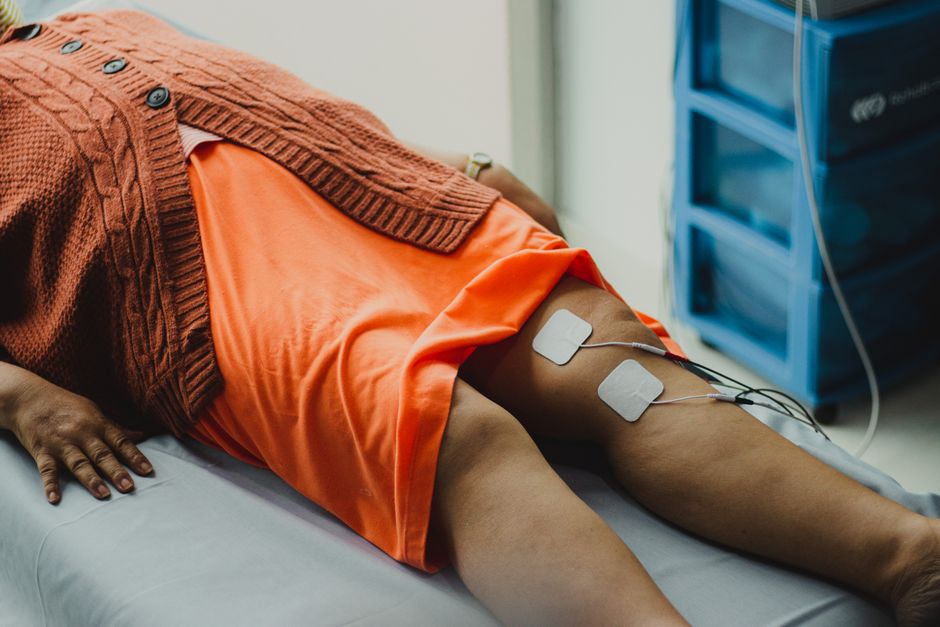
Some advanced home wellness systems include electrical muscle stimulation tools for recovery and fitness support.
KentDO™ EMS Muscle Stimulator uses electrical impulses to activate muscle contractions, supporting muscle engagement and post-exercise recovery. It is often used as a complementary tool rather than a replacement for exercise.
Key benefits overview
- Supports muscle activation and toning
- Helps with recovery after exercise
- Portable and easy to use at home
- Multiple intensity settings for personalization
How to Build Your Home Wellness Setup on Any Budget

Building a wellness system does not require a large investment. The key is prioritization and phased implementation.
Starter budget ($100–$300)
Focus on sleep and stress basics such as relaxation tools and simple recovery devices. Avoid advanced technology at this stage.
Mid-tier ($300–$800)
Add recovery devices and environmental improvements such as air quality tools and ergonomic upgrades.
Advanced ($800+)
Build a full ecosystem combining sleep, recovery, posture, and mindfulness technologies into a structured daily routine.
Begin building your foundation using the Body Care and Health Devices collection or expand into Skin and Beauty Care Devices for full-body wellness integration.
How to Combine Devices into a Daily Wellness Routine

The effectiveness of any wellness device depends on how consistently it is used within a daily structure.
Morning routine
Light movement, posture awareness, and hydration set the tone for the day.
Workday stress management
Short breaks using breathing tools or posture resets prevent tension buildup.
Evening recovery routine
Recovery tools, calming scents, and reduced light exposure prepare the body for sleep.
Maintenance, Safety, and Long-Term Usage Guidelines
Proper maintenance ensures both safety and device longevity. Clean devices regularly, follow usage limits, and avoid overuse.
Who should be cautious
Individuals with medical conditions, pregnant users, or those with chronic pain should consult professionals before using electrical or intensive recovery devices.
Device overuse risks
More usage does not equal better results. Overuse can reduce effectiveness and cause discomfort.
Frequently Asked Questions
What are the best home wellness devices for beginners?
Beginners should focus on sleep tools, basic recovery devices, and stress management tools rather than advanced technologies.
How do I choose safe wellness gadgets for home use?
Look for safety certifications, simple operation, realistic claims, and clear usage instructions.
What should be included in a home wellness setup?
A balanced setup includes sleep support, recovery tools, posture support, stress management, and environmental wellness improvements.
Are home wellness devices worth buying for stress relief and recovery?
Yes, when used consistently and as part of a structured system, they can significantly improve relaxation and physical recovery.
How much should I budget for home wellness products?
You can start with as little as $100–$300 for essential tools and expand gradually as you build your system.
Conclusion
A successful home wellness setup is not defined by how many devices you own, but by how well they work together to support your daily life. By focusing on sleep, recovery, posture, stress, and environment in a structured way, you create a system that delivers long-term benefits instead of short-term excitement.
Begin with foundational tools, integrate them into daily routines, and expand only when each layer is consistently used. Explore structured wellness options through the Wellness & Relaxation collection or build your complete system step by step using Lifestyle products.
Pillar Article: How to Build a Home Gym That Supports Fitness, Recovery & Wellness













