

How Much Sleep for Muscle Growth: The Science-Backed Recovery Guide to Faster Gains
Sleep is one of the most underestimated drivers of muscle growth, recovery, and athletic performance. While training intensity and nutrition often get most of the attention, the real adaptation happens during deep sleep—when the body repairs muscle fibers, regulates hormones, and restores energy systems. If sleep is inconsistent or insufficient, progress slows, soreness increases, and recovery becomes unpredictable.
This guide breaks down exactly how much sleep you need for muscle growth, how sleep quality impacts recovery speed, and how to build a structured nightly routine that supports strength gains, reduced soreness, and long-term performance improvements.
Why Sleep Is Essential for Muscle Growth and Recovery
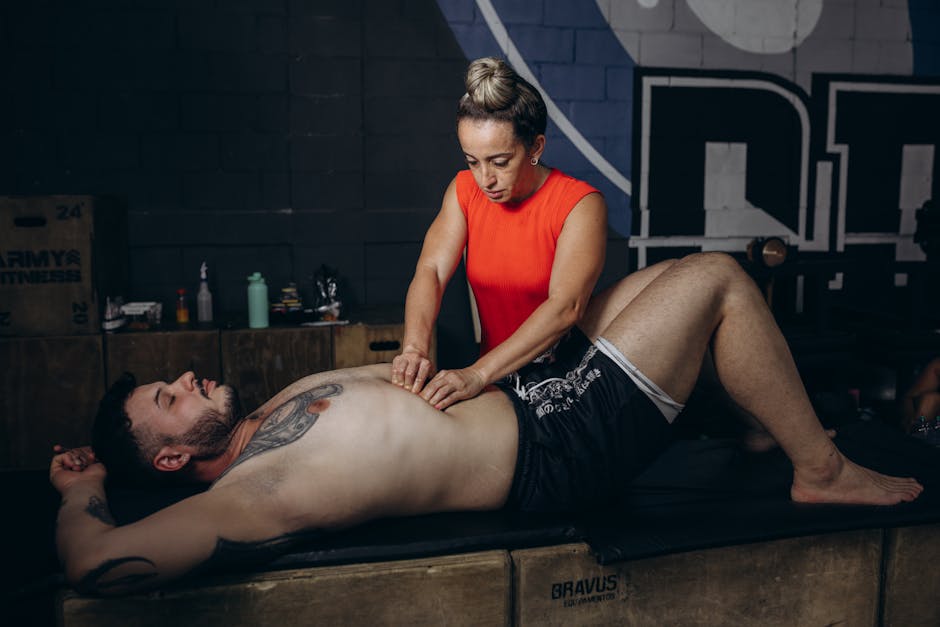
Muscle growth does not occur during workouts. Instead, it happens during recovery, especially during deep sleep cycles. When you sleep, your body enters a highly anabolic state where key repair processes are activated.
During this time, protein synthesis increases, damaged muscle fibers are rebuilt, and growth hormone secretion peaks. At the same time, cortisol levels drop, reducing inflammation and muscle breakdown.
Without adequate sleep, these processes are disrupted, leading to slower recovery, higher injury risk, and reduced training performance.
The Role of Hormones in Muscle Repair
Two major hormones drive muscle recovery during sleep:
- Growth Hormone (GH): Released primarily during deep sleep stages, GH supports tissue repair and muscle regeneration.
- Testosterone: Essential for muscle protein synthesis and strength development, testosterone production is strongly influenced by sleep duration and quality.
Sleep deprivation reduces both hormones, directly limiting muscle growth potential even if training is optimal.
How Much Sleep Do You Need for Muscle Growth?

Research consistently shows that most adults need between 7 and 9 hours of sleep per night for optimal recovery and muscle development. However, athletes and highly active individuals often benefit from even more.
| Training Level | Recommended Sleep | Recovery Impact |
| Beginner / Light Activity | 7–8 hours | Supports baseline recovery and adaptation |
| Regular Gym Training | 8–9 hours | Improves muscle repair and reduces soreness |
| Athletes / High Intensity Training | 9–10 hours | Maximizes performance and growth potential |
| Overtrained / Fatigue State | 10+ hours (temporary) | Helps restore hormonal balance and recovery capacity |
Consistently sleeping less than 6 hours per night can significantly impair muscle growth, increase soreness duration, and reduce strength performance over time.
Sleep Cycles and Muscle Recovery Efficiency

Sleep is not a uniform state. It consists of cycles that include light sleep, deep sleep, and REM sleep. Each stage plays a different role in recovery.
Deep Sleep: The Muscle Repair Phase
Deep sleep is where the majority of physical recovery occurs. Blood flow increases to muscles, tissue repair accelerates, and inflammation decreases. Missing deep sleep stages directly reduces recovery efficiency.
REM Sleep: Nervous System Recovery
REM sleep supports cognitive function, motor skill learning, and nervous system balance. This is essential for coordination, strength performance, and training consistency.
Disrupted REM cycles often lead to fatigue, slower reaction times, and reduced training quality.
Sleep Deprivation and Muscle Growth Slowdown

Even one night of poor sleep can negatively affect performance. Chronic sleep deprivation amplifies these effects over time.
Key impacts include:
- Reduced protein synthesis
- Increased muscle soreness duration
- Higher cortisol levels (muscle breakdown hormone)
- Lower energy and training intensity
- Impaired recovery signaling
Over time, poor sleep can mimic symptoms of overtraining syndrome, even if training volume remains unchanged.
Sleep Quality vs Sleep Quantity

While sleep duration is important, sleep quality is equally critical. Fragmented sleep reduces deep sleep cycles and limits recovery efficiency.
| Factor | Good Sleep Quality | Poor Sleep Quality |
| Deep Sleep Duration | High | Low |
| Wake-ups | Minimal | Frequent |
| Recovery Speed | Fast | Slow |
| Muscle Soreness | Short-lived | Prolonged |
Improving sleep quality often produces faster recovery benefits than simply increasing sleep duration.
Sleep Optimization Strategies for Faster Muscle Growth

Optimizing sleep requires both environmental and behavioral adjustments. The goal is to improve sleep depth, consistency, and recovery signaling.
1. Maintain a Consistent Sleep Schedule
Going to bed and waking up at the same time every day helps regulate circadian rhythm, improving hormonal balance and recovery efficiency.
2. Reduce Blue Light Exposure
Limiting screen exposure before bed supports natural melatonin production, helping the body transition into deep sleep faster.
3. Optimize Sleep Environment
A cool, dark, and quiet room improves sleep depth and reduces disruptions during recovery cycles.
4. Post-Workout Recovery Integration
Combining sleep with recovery tools enhances muscle relaxation and circulation. One effective option is:

Air Compression Leg Massager helps improve circulation, reduce post-workout swelling, and relax lower-body muscles before sleep. This supports faster transition into recovery states and improves sleep quality.
Recovery Methods That Enhance Sleep-Based Muscle Growth

Sleep works best when combined with proper recovery strategies. Techniques that reduce muscle tension and inflammation before bed improve sleep depth and recovery efficiency.
Active Recovery and Muscle Relaxation Techniques
Light movement such as walking or stretching helps reduce stiffness and improves blood flow before sleep.
Massage-Based Recovery for Deep Tissue Relief
Muscle stimulation tools can reduce soreness and prepare the body for deeper rest cycles.

Electric Muscle Stimulator uses advanced TENS and EMS technology to reduce muscle tension and support faster recovery. When used before bedtime, it helps relax fatigued muscles and improve sleep readiness.
Hydration and Electrolyte Balance
Proper hydration supports muscle repair and prevents nighttime cramps that can disrupt sleep cycles.
Tools for Tracking Sleep and Recovery Progress

Tracking recovery helps identify whether sleep habits are supporting or limiting muscle growth. Monitoring fatigue, soreness, and sleep quality creates a feedback loop for improvement.
Recovery Tracking Systems
Simple tracking methods include sleep journals, soreness scoring, and wearable devices that monitor heart rate variability (HRV).
Electrical Muscle Recovery Technology
Advanced recovery devices can complement sleep by improving circulation and muscle relaxation.

The KentDO EMS Muscle Stimulator supports muscle activation and recovery through electrical stimulation therapy. It can be used as part of a nightly recovery routine to reduce stiffness and improve sleep-based regeneration.
Beginner Sleep Recovery Routine for Muscle Growth

Creating a structured sleep routine ensures consistent recovery results. A simple framework helps beginners build sustainable habits.
Step 1: Evening Wind-Down (60–90 minutes before bed)
- Reduce screen exposure
- Perform light stretching
- Hydrate moderately
Step 2: Muscle Relaxation Phase
- Use gentle recovery tools
- Focus on lower body and back muscles
- Reduce physical tension buildup
Step 3: Sleep Optimization
- Maintain cool room temperature
- Minimize noise and light
- Stick to consistent sleep timing
This routine improves both sleep quality and muscle recovery efficiency over time.
Expert Insight on Sleep and Muscle Growth
“Sleep is the most powerful anabolic state for the human body. Without adequate sleep, no training program can reach its full potential.” — Dr. Matthew Walker, Sleep Neuroscience Researcher
How Sleep Affects Overtraining and Fatigue

Insufficient sleep can mimic overtraining symptoms even in moderate training programs. Key signs include persistent soreness, reduced performance, and elevated fatigue levels.
When sleep improves, recovery markers such as energy levels, strength output, and soreness reduction typically improve within days.
Comparison: Sleep Quality vs Muscle Recovery Outcomes

| Sleep Pattern | Muscle Growth Outcome | Recovery Speed | Injury Risk |
| 7–9 hours high-quality sleep | Optimal growth | Fast | Low |
| 6–7 hours inconsistent sleep | Moderate growth | Moderate | Medium |
| Less than 6 hours sleep | Impaired growth | Slow | High |
Internal Recovery Resources
Explore more recovery strategies across our Body Care and Health Devices collection for full-body wellness support systems.
Many athletes also combine sleep optimization with tools from the Foot & Body Comfort collection to reduce post-training fatigue.
For temperature-based recovery, the Warmth & Heat Therapy collection supports muscle relaxation before sleep.
Additional recovery tools can also be found in the Wellness & Relaxation collection for improved sleep quality and stress reduction.
For athletes focusing on structured recovery systems, the Beauty & Self-Care Blog offers deeper insights into recovery optimization routines.
Frequently Asked Questions (FAQ)
How much sleep do I need for muscle growth?
Most people need 7–9 hours of sleep, while athletes may benefit from 9–10 hours for optimal recovery and muscle repair.
Does more sleep increase muscle growth?
Yes, up to an optimal range. Beyond that, benefits plateau, but insufficient sleep significantly reduces muscle growth potential.
What happens if I sleep less than 6 hours?
Muscle recovery slows, soreness increases, and hormone levels like testosterone and growth hormone decline.
Can naps help muscle recovery?
Yes, short naps (20–30 minutes) can improve recovery, alertness, and reduce fatigue between training sessions.
Is deep sleep more important than total sleep?
Both matter, but deep sleep is critical for muscle repair and physical recovery processes.
Conclusion: Sleep as the Foundation of Muscle Growth
Sleep is not just rest—it is the most powerful recovery tool available for muscle growth, performance, and long-term physical development. Without sufficient sleep, even the best training and nutrition plans cannot produce optimal results.
By prioritizing consistent sleep duration, improving sleep quality, and integrating recovery tools into your nightly routine, you can dramatically enhance muscle repair, reduce soreness, and accelerate progress.
For sustainable growth, treat sleep as part of your training program—not an afterthought.
Start optimizing your recovery system today through structured sleep habits and supportive recovery tools from the Lifestyle collection.
Pillar Article: Muscle Recovery Tools: The Complete System for Faster Recovery & Less Soreness













