
How to Choose Hydrating Skincare Products for Dry Skin, Outdoor Travel, and Daily Barrier Repair
Dry, dehydrated skin has become one of the most common skincare concerns in modern lifestyles. Long hours in air conditioning, outdoor exposure, cold weather, hiking trips, low-humidity environments, over-cleansing, and aggressive exfoliation all contribute to moisture loss and weakened skin barrier function. Many people assume dry skin only affects winter climates, but dehydration can happen year-round in humid cities, desert environments, airplanes, campsites, and even indoor office settings.
Learning how to choose hydrating skincare products correctly can dramatically improve skin comfort, elasticity, texture, and long-term resilience. The challenge is that hydration products are often marketed with confusing claims, trendy ingredients, and unrealistic promises. A lightweight hydrating serum that works well in humid weather may fail completely during cold camping trips. A rich moisturizer designed for winter skin repair may overwhelm oily dehydrated skin in summer climates.
This guide explains how hydration actually works, how to identify your skin’s hydration needs, which ingredients support barrier repair, how outdoor environments change your routine requirements, and how to build a hydration-focused skincare system that works both at home and while traveling.
Readers looking for broader wellness routines often explore the Skincare & Hydration collection alongside hydration-focused skincare workflows for seasonal barrier protection.
What Does Hydrated Skin Actually Mean?

Hydrated skin is not simply oily skin or skin covered in thick creams. True hydration refers to water content within the skin and the skin barrier’s ability to retain that moisture over time.
When hydration levels drop, the skin often becomes:
- Tight after cleansing
- Rough or flaky
- Dull or uneven
- More sensitive to products
- Prone to redness and irritation
- Less elastic
- More vulnerable to environmental damage
Many people confuse dry skin with dehydrated skin. Dry skin lacks oil, while dehydrated skin lacks water. Oily skin types can still experience severe dehydration, especially after excessive exfoliation, prolonged sun exposure, harsh cleansers, or outdoor activities.
How the Skin Barrier Controls Hydration
The skin barrier acts like a protective shield that helps prevent transepidermal water loss (TEWL). When this barrier weakens, moisture escapes more rapidly, leading to irritation and chronic dehydration.
Healthy hydration routines focus on:
- Adding water to the skin
- Reducing water evaporation
- Supporting barrier lipids
- Avoiding irritation triggers
- Protecting against environmental stress
Educational resources in the Body & Face Blog often discuss the relationship between moisture retention and long-term skin resilience in changing climates.
The Science of Skin Hydration and Barrier Repair
Modern skincare science increasingly focuses on maintaining barrier integrity rather than aggressively treating skin with harsh actives. Hydration and barrier support are deeply connected.
What Causes Chronic Dry and Dehydrated Skin?
Multiple lifestyle and environmental factors contribute to dehydration:
- Cold winter air
- High-altitude camping
- Desert hiking conditions
- Indoor heating systems
- Frequent cleansing
- Overuse of exfoliating acids
- Hot showers
- UV exposure
- Insufficient water intake
- Lack of occlusive moisturization
Outdoor workers and frequent travelers often experience compounded dehydration because their skin repeatedly shifts between dry climates, sun exposure, wind stress, and low-humidity indoor environments.
Understanding Transepidermal Water Loss (TEWL)
TEWL measures how much moisture evaporates from the skin. High TEWL levels are commonly associated with damaged or weakened skin barriers.
Signs of elevated TEWL include:
- Persistent dryness despite moisturizing
- Burning or stinging after product application
- Patchy roughness
- Increased sensitivity
- Flaking around the nose or mouth
- Post-cleansing tightness
Hydrating skincare products should aim to reduce TEWL through balanced ingredient layering rather than relying on heavy creams alone.
How Outdoor Exposure Changes Hydration Needs
Camping trips, hiking, and outdoor travel expose the skin to conditions that accelerate dehydration:
- Cold wind
- Dry mountain air
- UV radiation
- Sweat evaporation
- Reduced access to cleansing routines
- Long periods without reapplication
Outdoor hydration routines work best when products are lightweight, portable, non-irritating, and easy to layer quickly.
“Barrier support is often more important than aggressive treatment when skin is exposed to repeated environmental stress,” explains many dermatology-focused hydration frameworks used in preventive skincare routines.
How to Identify Your Skin’s Hydration Needs

Choosing hydrating skincare products starts with accurately identifying how your skin behaves in different environments.
Dry Skin
Dry skin naturally produces less oil and often needs richer moisturizers, ceramides, and occlusive ingredients.
Common characteristics:
- Flaking
- Persistent roughness
- Visible dryness year-round
- Tightness after washing
- Fine dehydration lines
Oily but Dehydrated Skin
Oily dehydrated skin overproduces oil while lacking water content. This is extremely common in humid climates and among people who over-cleanse.
Best approaches include:
- Gel moisturizers
- Hydrating serums
- Gentle cleansers
- Barrier repair ingredients
- Lightweight layering
Sensitive Dehydrated Skin
Sensitive skin often reacts poorly to fragrance-heavy products, harsh exfoliants, and overly active skincare routines.
Hydration strategies should prioritize:
- Minimal ingredient lists
- Barrier creams
- Ceramides
- Colloidal oatmeal
- Gentle cleansing
- Reduced exfoliation frequency
Combination Skin in Outdoor Conditions
Combination skin may require different hydration levels depending on climate exposure. Campers, hikers, and travelers frequently notice oilier T-zones combined with dry cheeks or dehydrated areas after prolonged sun and wind exposure.
Travel skincare systems from the Lifestyle collection are often paired with hydration-focused routines for portability and convenience.
The Most Important Hydrating Skincare Ingredients
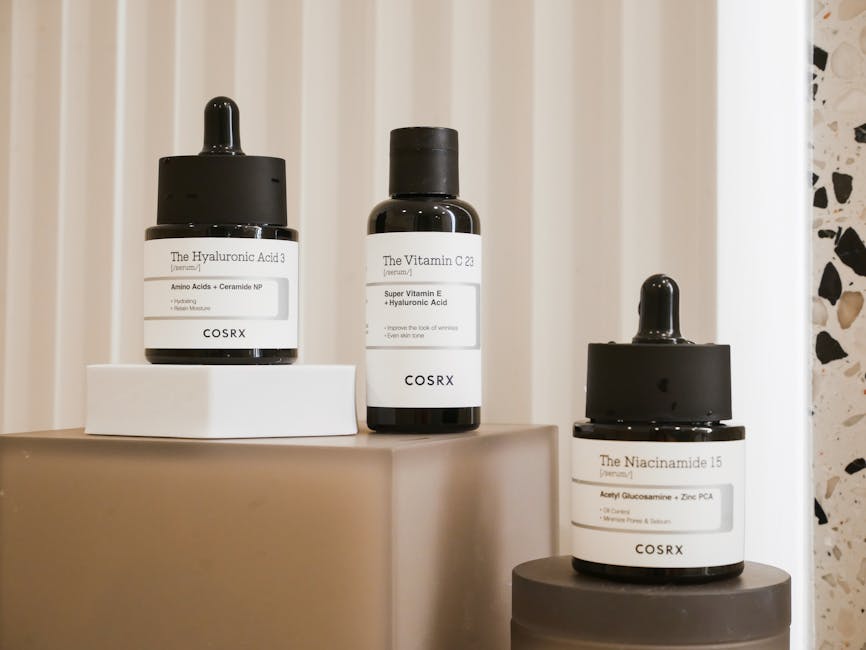
Ingredient selection matters more than product marketing language. Understanding ingredient function helps you choose products intelligently.
Hyaluronic Acid
Hyaluronic acid attracts and retains water within the skin. It works best when layered under moisturizers that help seal hydration.
Best for:
- Dehydrated skin
- Travel hydration
- Humid climates
- Layered hydration routines
Ceramides
Ceramides are lipids naturally found in the skin barrier. They help restore barrier integrity and reduce moisture loss.
Best for:
- Winter skincare
- Barrier repair
- Sensitive skin
- Cold-weather camping
Glycerin
Glycerin is a powerful humectant that attracts water into the outer layers of the skin.
Benefits include:
- Long-lasting hydration
- Barrier support
- Improved softness
- Compatibility with most skin types
Squalane
Squalane helps reduce water loss while remaining lightweight and comfortable for many skin types.
Excellent for:
- Outdoor hydration routines
- Travel skincare
- Combination skin
- Humid climates
Panthenol
Panthenol supports soothing and barrier repair while improving moisture retention.
Colloidal Oatmeal
Colloidal oatmeal is especially useful for sensitive, irritated, or weather-stressed skin.
Ingredients That Can Worsen Dehydration
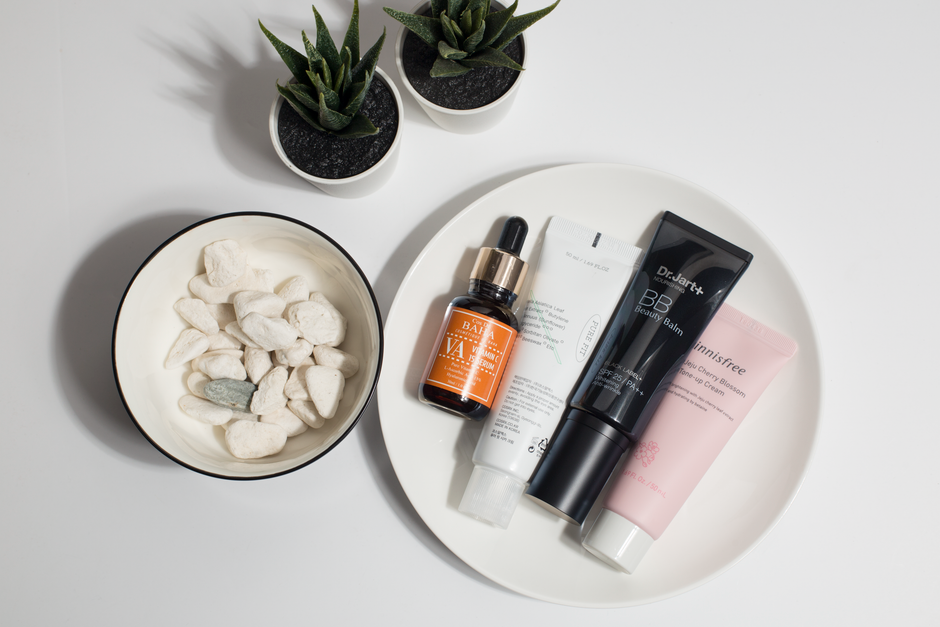
Not every “hydrating” product actually supports barrier health. Some formulas include irritating ingredients that increase dryness over time.
| Ingredient Type | Potential Problem | Who Should Be Careful |
| Strong alcohols | Can increase dryness | Dry or sensitive skin |
| Overly harsh exfoliating acids | Barrier disruption | Compromised skin |
| Heavy fragrance | Possible irritation | Sensitive skin |
| Over-cleansing foaming agents | Increased TEWL | Outdoor-exposed skin |
| Aggressive scrubs | Micro-irritation | Winter or dehydrated skin |
Best Home Skin Care Devices for Dry Skin Hydration
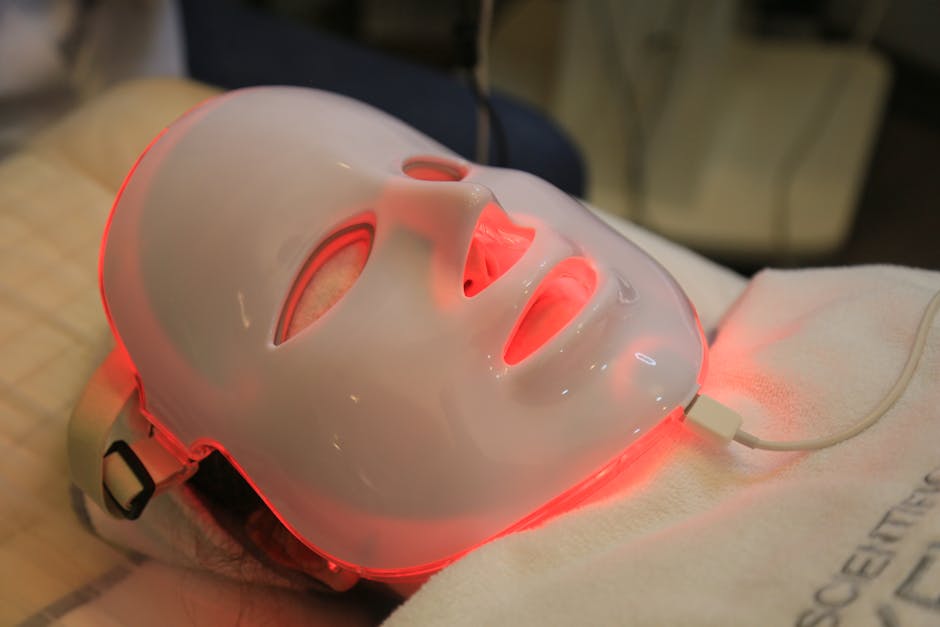
Hydration-focused skincare devices can support moisture retention, improve ingredient absorption, and help maintain consistency in long-term barrier care routines.
LED Light Therapy Masks
LED masks are often used to support recovery, reduce visible redness, and complement hydration-focused routines.
Potential benefits include:
- Reduced irritation appearance
- Support for stressed skin
- Recovery-focused nighttime routines
- Gentle long-term consistency
Many readers researching hydration-support technology also browse the Skin and Beauty Care Devices collection for broader home skincare ecosystems.
Facial Steamers
Facial steamers can temporarily soften the skin and prepare it for hydration layering. However, excessive steaming may worsen dehydration if overused.
Safe practices include:
- Short sessions
- Moderate heat
- Immediate moisturization afterward
- Limiting frequency
Nano Mist Sprayers
Nano mist devices are popular among travelers and outdoor enthusiasts because they provide lightweight hydration support during flights, hikes, and long workdays.
Portable hydration tools are often integrated into routines involving the Body Care and Health Devices collection for broader wellness support.
Hydrating Sheet Mask Systems
Reusable silicone mask systems and hydration masks help improve occlusion and moisture retention during intensive hydration sessions.
They are especially useful after:
- Cold-weather exposure
- Long flights
- Winter hiking trips
- Dry indoor heating exposure
Ultrasonic Cleansing Devices
Gentle cleansing devices may help remove sunscreen, sweat, and debris without aggressive scrubbing when used correctly.
People with compromised barriers should avoid excessive pressure or daily overuse.
How to Choose the Right Hydration Device for Your Skin Type
Best Devices for Sensitive Dry Skin
Sensitive skin usually responds best to lower-intensity devices focused on comfort and consistency rather than aggressive treatment.
Look for:
- Adjustable intensity settings
- Easy sanitation
- Minimal heat exposure
- Barrier-friendly routines
Best Devices for Mature Dehydrated Skin
Mature skin often benefits from hydration-supportive routines combined with gentle circulation support and barrier reinforcement.
Recommended features include:
- LED support
- Microcurrent compatibility
- Barrier-safe heat levels
- Long-session comfort
Best Hydration Tools for Travel and Outdoor Lifestyles
Outdoor lifestyles require portability, battery efficiency, and climate adaptability.
Good travel hydration devices should be:
- Compact
- Lightweight
- Easy to clean
- Rechargeable
- Compatible with TSA-friendly routines
Travel-focused wellness systems in the Wellness & Relaxation collection are frequently combined with hydration recovery workflows.
Humid Climate vs Dry Climate Hydration Strategies
| Climate | Recommended Texture | Primary Goal |
| Humid climates | Gel or lightweight lotion | Water balance without heaviness |
| Cold winter climates | Rich creams and ceramides | Barrier protection |
| Desert climates | Layered hydration plus occlusion | Reduce TEWL |
| Outdoor hiking conditions | Portable lightweight layers | Maintain flexibility and comfort |
Key Features to Compare Before Buying
When evaluating hydration-focused skincare products or devices, compare:
- Ingredient compatibility
- Climate suitability
- Portability
- Texture preference
- Barrier support focus
- Ease of maintenance
- Routine compatibility
The Best Ingredients to Pair With Hydration Devices

Hyaluronic Acid Serums
Hydrating serums work well after gentle device sessions because the skin is often prepared for layered moisture retention.
A lightweight example often used in hydration layering routines is portable hydrating facial essence systems designed for travel-friendly moisture support.
Ceramide Moisturizers
Ceramide creams are among the best post-device products for supporting long-term barrier reinforcement.
They help:
- Reduce moisture evaporation
- Improve comfort
- Strengthen weakened barriers
- Support winter recovery routines
Barrier Repair Creams
Barrier repair creams work especially well after cold-weather exposure, excessive cleansing, or dry-climate travel.
Users exploring advanced hydration recovery often browse the Hair, Skin & Nai Blog for broader barrier-care strategies.
Ingredients to Avoid Immediately After Intensive Device Use
Avoid strong exfoliating acids, high-percentage retinoids, and harsh scrubs immediately after intensive hydration or heat-based device sessions.
The skin barrier may be temporarily more vulnerable following treatment.
Morning Hydration Routine for Dry Skin

- Use a gentle non-stripping cleanser
- Apply a hydrating essence or serum
- Layer lightweight moisturizer
- Seal with barrier-supportive cream if needed
- Finish with sunscreen
Morning routines for campers and outdoor workers should prioritize lightweight layering that resists sweat and environmental exposure.
Nighttime Barrier Repair Recovery Routine

- Remove sunscreen gently
- Use hydrating cleanser
- Apply humectant serum
- Use ceramide moisturizer
- Add overnight hydration mask if necessary
Nighttime routines are ideal for deeper barrier recovery because the skin naturally shifts into repair mode during sleep.
Weekly Deep Hydration Workflow

A weekly hydration-focused recovery routine can help reduce cumulative dehydration stress from environmental exposure.
Example workflow:
- Gentle cleansing
- Short steam preparation
- Hydrating serum layering
- Reusable silicone mask session
- Rich barrier cream
Comfort-focused recovery accessories from the Foot & Body Comfort collection are often used alongside extended wellness and hydration sessions.
Post-Travel and Outdoor Exposure Recovery Routine

Outdoor environments dramatically increase dehydration stress. Recovery routines should focus on calming and replenishing the skin barrier.
Post-travel recovery should include:
- Gentle cleansing
- Hydration layering
- Barrier creams
- Reduced exfoliation
- Electrolyte and water intake
Some users integrate lightweight facial hydration tools such as portable nano hydration devices into post-flight and outdoor recovery routines.
Hydration-Focused Nutrition and Lifestyle Support

Topical skincare alone cannot fully compensate for chronic dehydration caused by poor hydration habits and environmental stress.
Best Foods for Skin Hydration
- Cucumber
- Watermelon
- Leafy greens
- Fatty fish
- Citrus fruits
- Avocados
Electrolyte Support for Outdoor Activities
Outdoor travelers and hikers lose water through sweat and environmental exposure. Electrolyte balance helps support overall hydration function.
Sleep and Recovery
Consistent sleep supports barrier recovery and reduces inflammation-related stress on the skin.
Common Mistakes That Make Dry Skin Worse

Overusing Facial Steam
Too much heat exposure can increase moisture loss and irritation.
Using Harsh Cleansers
Foaming cleansers with aggressive surfactants often worsen dehydration.
Skipping Moisturizer After Serums
Humectants need supportive moisturizers to help retain hydration effectively.
Over-Exfoliating
Frequent exfoliation weakens barrier function and increases sensitivity.
Ignoring Climate Changes
Skincare routines should adapt seasonally. Products that work in humid summer weather may fail during winter camping trips or dry indoor heating seasons.
Are Home Hydration Devices Worth It?

Hydration devices can support skincare consistency and comfort when used correctly, but they are not miracle solutions.
Short-Term Benefits vs Long-Term Maintenance
Short-term benefits may include:
- Temporary plumping
- Improved comfort
- Enhanced glow
- Reduced tightness
Long-term success depends on:
- Routine consistency
- Barrier support
- Ingredient selection
- Climate adaptation
- Healthy hydration habits
What Devices Are Worth Prioritizing?
For most people focused on hydration and barrier support, gentle and portable tools usually provide better long-term value than aggressive high-intensity treatments.
Useful categories often include:
- Nano misters
- LED recovery masks
- Hydration mask systems
- Gentle cleansing tools
Many beginners start by exploring the Skin and Beauty Care Devices collection before expanding into more advanced skincare ecosystems.
Who Should Avoid Certain Devices?
People with severely compromised barriers, active irritation, or inflammatory skin conditions should avoid aggressive heat and exfoliation devices without professional guidance.
Comparison Matrix: Choosing Hydrating Skincare Products by Lifestyle

| Lifestyle | Best Product Texture | Most Important Ingredient | Priority Goal |
| Outdoor hiking | Lightweight cream | Ceramides | Barrier protection |
| Humid city climate | Gel moisturizer | Hyaluronic acid | Water balance |
| Winter camping | Rich cream | Squalane | Reduce TEWL |
| Frequent air travel | Hydrating mist | Glycerin | Portable hydration |
| Sensitive skin | Minimal cream formula | Panthenol | Reduce irritation |
Pros and Cons of Hydration-Focused Skincare Devices

| Pros | Cons |
| Can improve routine consistency | May be overused |
| Support hydration layering | Not replacements for moisturizers |
| Useful for travel recovery | Require maintenance |
| Can improve comfort during dry seasons | Some devices are expensive |
| Portable options available | Results vary by skin type |
Frequently Asked Questions
What are home skin care devices used for?
Home skincare devices are used to support cleansing, hydration, barrier recovery, circulation, and ingredient absorption as part of broader skincare routines.
Do hydrating facial devices actually improve skin barrier health?
Some hydration-supportive devices may help improve comfort and consistency when paired with proper moisturizers and barrier-supportive ingredients.
How often should you use at-home hydration devices?
Frequency depends on the device type and skin sensitivity. Gentle hydration-supportive devices are often used several times weekly, while more intensive treatments require moderation.
Can skincare devices replace moisturizers or serums?
No. Devices work best when combined with moisturizers, serums, hydration layering, and barrier repair routines.
What is the best routine for dry skin using home skincare devices?
The best routines combine gentle cleansing, hydration layering, barrier-supportive moisturization, climate adaptation, and moderate device use without over-exfoliation.
Conclusion
Choosing hydrating skincare products effectively requires understanding your skin barrier, environmental exposure, climate conditions, and hydration goals rather than chasing trends or overly aggressive treatments. The best hydration routines focus on long-term resilience through gentle cleansing, strategic ingredient layering, barrier repair support, and adaptable seasonal care.
Whether you are managing winter dryness, outdoor travel dehydration, sensitive skin irritation, or post-hiking recovery, consistent hydration habits typically outperform complicated routines. Portable hydration systems, barrier-supportive moisturizers, and gentle home skincare devices can all contribute to healthier-looking skin when integrated thoughtfully into a balanced routine.
Readers building broader self-care and hydration systems often continue exploring the Beauty & Self-Care Blog for additional skincare recovery strategies, seasonal wellness guidance, and barrier-supportive routines.
Pillar Article: Best Skincare for Hydration: The Ultimate Camping & Hiking Survival Routine













