

How to Exfoliate Skin at Home: Beginner-Safe Routines for Smooth Skin
Rough texture, flaky patches, clogged pores, and dull-looking skin are some of the most common skincare complaints people experience at home. Many beginners try harsh scrubs or overuse exfoliating acids hoping for faster results, only to end up with redness, dryness, or irritation. A safer approach focuses on consistency, hydration, and protecting the skin barrier while gradually improving smoothness and glow.
This guide explains how to exfoliate skin at home safely using beginner-friendly techniques inspired by dermatologist-approved skincare habits and relaxing spa routines. You will learn the difference between physical and chemical exfoliation, how often to exfoliate based on skin type, which mistakes to avoid, and how to build a weekly home spa routine that supports healthier-looking skin without damaging moisture balance.
Many people also combine exfoliation routines with wellness habits found in the Wellness & Relaxation collection and hydration-focused routines from the Skincare & Hydration collection to create a more balanced self-care routine.
What Exfoliation Actually Does for Your Skin
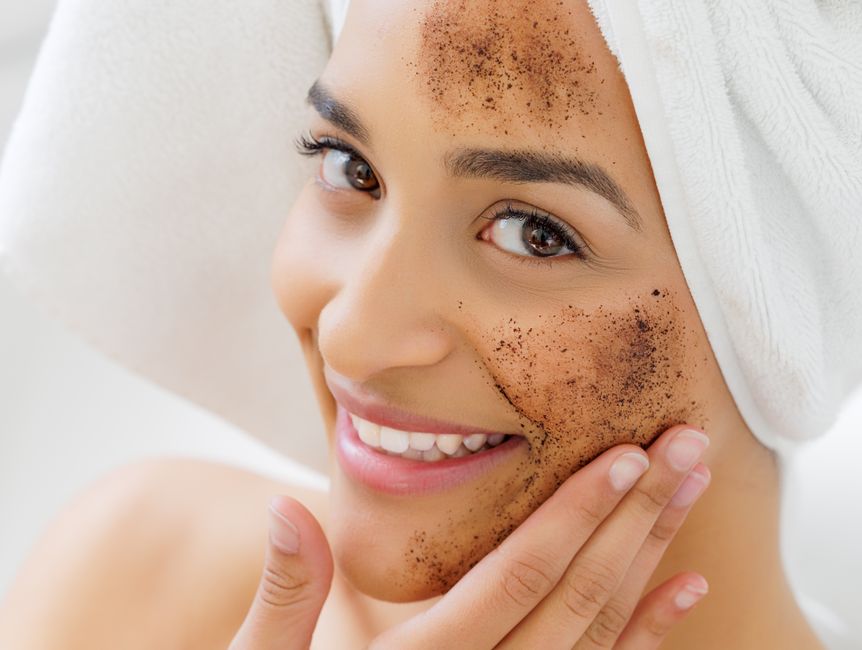
Exfoliation removes dead skin cells that naturally accumulate on the skin’s surface over time. When buildup becomes excessive, skin can feel rough, appear dull, and absorb moisturizers less effectively. Safe exfoliation helps improve texture, supports smoother-looking skin, and can enhance hydration routines when done correctly.
What Are Dead Skin Cells and Why Do They Build Up?
Your skin constantly renews itself through a process called cell turnover. Old cells gradually move to the outermost layer before shedding naturally. However, age, dry weather, dehydration, harsh cleansers, and slower skin renewal can cause dead skin cells to remain on the surface longer.
This buildup can contribute to:
- Dry or flaky texture
- Uneven skin tone
- Clogged pores
- Rough patches on elbows, knees, and heels
- Reduced absorption of moisturizers
- Dull-looking skin
Home exfoliation routines help encourage smoother texture by removing some of these accumulated cells in a controlled and gentle way.
The Difference Between Healthy Exfoliation and Over-Exfoliation
Healthy exfoliation improves smoothness without leaving the skin irritated or tight. Over-exfoliation happens when the skin barrier becomes damaged due to excessive scrubbing, overly strong acids, or exfoliating too frequently.
| Healthy Exfoliation | Over-Exfoliation |
| Smooth texture | Burning sensation |
| Improved glow | Redness and inflammation |
| Better moisturizer absorption | Tight, dry skin |
| Balanced skin appearance | Flaking and peeling |
| Soft, comfortable feel | Increased sensitivity |
Beginners often think harder scrubbing means better results, but aggressive exfoliation can weaken the protective skin barrier and increase dryness.
How Exfoliation Supports Smoothness, Glow, and Moisture Absorption
When dead skin buildup is reduced, moisturizers and hydrating serums can absorb more evenly into the outer layers of the skin. This often helps skin feel softer and more comfortable after exfoliation when paired with ceramides, hyaluronic acid, and nourishing creams.
Many home spa enthusiasts also combine exfoliation with routines from the Body Care and Health Devices collection to support relaxation and consistent skincare habits.
Physical vs Chemical Exfoliation: Which Method Is Safest for Beginners?
One of the biggest beginner questions is whether physical exfoliation or chemical exfoliation is better. Both methods can work safely when used correctly, but each suits different skin types and comfort levels.
What Is Physical Exfoliation?
Physical exfoliation removes dead skin manually using textured tools or particles. Common examples include exfoliating shower gloves, body brushes, washcloths, sugar scrubs, and soft sponges.
A beginner-friendly example is the KentDO™ Exfoliating Shower Glove – Smooth & Renew Skin, which is designed to gently remove buildup while supporting smoother skin texture.

Benefits of physical exfoliation include:
- Immediate smoothness
- Easy beginner control
- Works well for rough body areas
- Pairs naturally with shower routines
- Can improve the appearance of flaky skin
However, harsh pressure or rough materials can irritate sensitive skin if used too aggressively.
What Is Chemical Exfoliation?
Chemical exfoliation uses acids or enzymes to dissolve dead skin buildup instead of physically scrubbing it away. Common exfoliating ingredients include:
- AHAs such as glycolic acid and lactic acid
- BHAs such as salicylic acid
- Fruit enzymes
- PHA exfoliants for sensitive skin
Chemical exfoliation may help:
- Improve uneven texture
- Reduce clogged pores
- Support smoother-looking skin
- Improve brightness
- Address rough patches gradually
Beginners should start slowly with low concentrations to avoid irritation.
Best Exfoliation Method by Skin Type
| Skin Type | Best Beginner Method |
| Dry Skin | Gentle physical exfoliation with rich moisturizer afterward |
| Oily Skin | Mild chemical exfoliation with salicylic acid |
| Sensitive Skin | Soft sponge or PHA exfoliants once weekly |
| Combination Skin | Alternating gentle physical and chemical exfoliation |
| Mature Skin | Lactic acid or enzyme exfoliation with hydration focus |
When to Avoid Aggressive Exfoliation
You should reduce or avoid exfoliation temporarily if you have:
- Sunburned skin
- Active eczema flare-ups
- Open cuts or wounds
- Severe irritation
- Recently over-exfoliated skin
- Skin recovering from strong treatments
Barrier recovery is often more important than exfoliation itself when the skin is inflamed.
How Often Should You Exfoliate Your Skin at Home?
Frequency matters more than intensity. The safest exfoliation routines focus on consistency while allowing the skin barrier enough time to recover between sessions.
Beginner-Safe Weekly Exfoliation Schedule
| Skin Type | Recommended Frequency |
| Sensitive Skin | 1 time weekly |
| Dry Skin | 1–2 times weekly |
| Combination Skin | 2 times weekly |
| Oily Skin | 2–3 times weekly |
| Rough Body Areas | 2–3 times weekly |
Most beginners benefit from starting with one session weekly before increasing frequency gradually.
Signs You Are Exfoliating Too Often
Warning signs include:
- Stinging after skincare products
- Persistent redness
- Tightness after washing
- Dry patches getting worse
- Shiny but dehydrated skin
- Increased sensitivity
If these symptoms appear, pause exfoliation and focus on hydration recovery.
How Climate and Seasons Affect Exfoliation Frequency
Winter weather and dry indoor heating can weaken the skin barrier and increase moisture loss. During colder months, many people reduce exfoliation frequency and use richer moisturizers afterward.
Hydration-focused routines from the Skincare & Hydration collection can help support recovery during seasonal dryness.
Should Your Face and Body Follow Different Schedules?
Yes. Facial skin is thinner and usually requires gentler exfoliation than areas like elbows, knees, feet, or legs. Body exfoliation can often tolerate slightly more frequent routines, while facial exfoliation benefits from caution and lighter pressure.
Step-by-Step: How to Exfoliate Skin Properly at Home
A proper exfoliation routine should leave your skin smoother and more comfortable, not stripped or irritated. Following a structured routine helps beginners avoid common mistakes.
Step 1: Prep the Skin with Warm Water or Steam
Warm water softens the outer layer of the skin and loosens buildup, making exfoliation gentler and more effective. Avoid extremely hot water because it can increase dryness and sensitivity.
Many people enjoy turning this step into a calming home spa ritual with aromatherapy, warm towels, or relaxing bath routines from the Lifestyle collection.
Step 2: Choose the Right Exfoliation Tool or Product
Choose tools based on your skin sensitivity and comfort level. Soft shower gloves, gentle bath sponges, and natural body brushes are usually easier for beginners than harsh granular scrubs.
The KentDO™ Soft Bath Sponge – Exfoliating & Skin Renewal is often preferred by beginners looking for gentler daily exfoliation support during showers.

Step 3: Use Gentle Circular Motions Without Scrubbing Hard
Apply light pressure using slow circular motions. Scrubbing aggressively can create micro-irritation and damage the skin barrier.
Focus on:
- Elbows
- Knees
- Heels
- Upper arms
- Areas with rough texture
Avoid overworking sensitive areas like the chest and neck.
Step 4: Rinse Thoroughly and Avoid Hot Water
After exfoliating, rinse thoroughly with lukewarm water to remove residue and prevent lingering irritation. Hot water may increase dryness and weaken moisture retention.
Step 5: Apply Moisturizer Immediately After Exfoliating
This step is essential. Moisturizer helps lock in hydration and support barrier recovery after exfoliation.
Look for ingredients such as:
- Ceramides
- Hyaluronic acid
- Shea butter
- Glycerin
- Squalane
Many beginners pair exfoliation with hydration products found in the Skin and Beauty Care Devices collection to create a more balanced skincare workflow.
Explore more body care tools and wellness routines that support gentle home spa exfoliation habits.
Best Home Exfoliation Tools and Products for Smooth Skin

Different exfoliation tools support different skincare goals. Beginners should prioritize gentleness, consistency, and comfort rather than intensity.
Body Scrubs for Beginners
Gentle body scrubs with fine particles and moisturizing ingredients are often easier for beginners than coarse salt scrubs. Look for formulas that contain oils or hydrating ingredients to reduce dryness after exfoliation.
Beginner-friendly scrubs often include:
- Oatmeal
- Fine sugar
- Coconut oil
- Milk-based exfoliants
- Rice powder
Are Exfoliating Shower Gloves Worth It?
Exfoliating shower gloves are popular because they are easy to use, reusable, and effective for removing surface buildup. They also provide more control than some rough body scrubs.
Benefits include:
- Quick shower integration
- Improved smoothness
- Better cleanser lathering
- Reduced flaky texture
- Convenient weekly exfoliation
People building a complete self-care routine often combine exfoliation with accessories from the Foot & Body Comfort collection for post-shower relaxation and recovery.
How Dry Brushing Fits into a Home Spa Routine
Dry brushing uses a soft body brush on dry skin before showering. Supporters use it to encourage smoother texture and create a relaxing spa-like ritual.
The KentDO™ Wooden Body Brush – Soft Bristle Exfoliation is an example of a gentle dry brushing tool designed for beginner-friendly body care routines.

Dry brushing should always be gentle. Excessive pressure can irritate the skin instead of improving texture.
The Best Moisturizing Ingredients to Use After Exfoliating
Barrier-supporting moisturizers are especially important after exfoliation because freshly exfoliated skin can lose water more quickly.
| Ingredient | Main Benefit |
| Ceramides | Supports skin barrier recovery |
| Hyaluronic Acid | Attracts hydration |
| Glycerin | Improves moisture retention |
| Shea Butter | Softens dry skin |
| Squalane | Supports smoothness without heaviness |
See hydration-focused skincare essentials that pair well with exfoliation recovery routines.
The Safest Exfoliation Routine for Sensitive and Dry Skin

Sensitive and dry skin require a slower, barrier-first approach to exfoliation. Gentle methods usually deliver better long-term results than aggressive scrubbing.
Why Sensitive Skin Needs a Slower Exfoliation Schedule
Sensitive skin has a lower tolerance for friction and active ingredients. Exfoliating too often can increase redness, itching, and dehydration.
Most sensitive skin types benefit from:
- Once-weekly exfoliation
- Shorter exfoliation sessions
- Soft textures only
- Hydration-focused recovery
- Fragrance-free moisturizers
Ingredients and Tools Sensitive Skin Should Avoid
Beginners with sensitive skin should avoid:
- Harsh walnut scrubs
- Sharp exfoliating particles
- High-percentage acids
- Overly stiff brushes
- Daily exfoliation
- Alcohol-heavy products
Gentle routines are more sustainable and reduce the risk of barrier damage.
Natural Exfoliation Methods for Dry Skin
Natural exfoliation methods often work well for dry skin when combined with moisturizing support.
Examples include:
- Soft washcloth exfoliation
- Oatmeal-based scrubs
- Milk enzyme exfoliation
- Gentle dry brushing
- Hydrating sugar scrubs
People exploring natural skincare routines often browse the Body & Face Blog and Hair, Skin & Nail Blog for additional wellness and hydration guidance.
How to Repair the Skin Barrier After Over-Exfoliating
If your skin feels tight, inflamed, or unusually sensitive, pause exfoliation for several days and prioritize barrier recovery.
Recovery steps include:
- Using gentle cleansers
- Applying ceramide-rich moisturizers
- Avoiding strong acids temporarily
- Reducing hot showers
- Focusing on hydration
- Using fragrance-free skincare
“Healthy exfoliation should improve comfort and texture over time. If skin becomes increasingly irritated, the barrier likely needs recovery instead of more exfoliation.”
Common Exfoliation Mistakes Beginners Should Avoid

Many exfoliation problems happen because beginners use too much pressure, exfoliate too frequently, or skip hydration afterward.
Using Harsh Scrubs Too Frequently
Overusing rough scrubs can create inflammation and worsen dryness instead of improving texture. More exfoliation does not necessarily mean smoother skin.
Skipping Moisturizer After Exfoliating
Without moisturizer, exfoliated skin can lose hydration quickly. This often leads to tightness and flaking shortly after exfoliation.
Exfoliating Irritated or Sunburned Skin
Damaged or inflamed skin needs healing support rather than exfoliation. Scrubbing irritated skin can worsen redness and delay recovery.
Combining Too Many Active Ingredients at Once
Using retinoids, strong acids, exfoliating scrubs, and harsh cleansers together can overwhelm the skin barrier.
Beginners should simplify routines and introduce new exfoliation methods gradually.
How to Build a Relaxing Weekly Home Spa Exfoliation Routine

Exfoliation can become part of a calming self-care ritual instead of a rushed skincare task. Structured spa-style routines often improve consistency and encourage better hydration habits.
Pre-Shower Dry Brushing Routine
Before showering, gently dry brush the skin using upward circular motions for several minutes. Focus on arms, legs, and rough areas while avoiding irritated skin.
Dry brushing is commonly paired with wellness routines from the Wellness & Relaxation collection to create a calming self-care environment.
Body Scrub and Shower Workflow
- Start with warm water
- Apply a gentle cleanser
- Use light circular exfoliation motions
- Rinse thoroughly
- Pat skin dry instead of rubbing
- Apply moisturizer immediately
This workflow supports smoother skin while minimizing unnecessary irritation.
Post-Exfoliation Hydration and Recovery
Hydration is one of the most important parts of a successful exfoliation routine. Applying moisturizer within a few minutes after showering helps lock in water and support softness.
Many people also use warming accessories from the Warmth & Heat Therapy collection to make post-shower relaxation more comfortable during colder seasons.
Simple 20-Minute Beginner Home Spa Routine
| Time | Routine Step |
| 3 Minutes | Warm shower preparation |
| 5 Minutes | Gentle exfoliation |
| 2 Minutes | Rinse and cool water finish |
| 5 Minutes | Moisturizer application |
| 5 Minutes | Relaxation and hydration |
Explore more self-care and wellness routines that complement home spa exfoliation habits.
Exfoliating Different Areas of the Body Safely
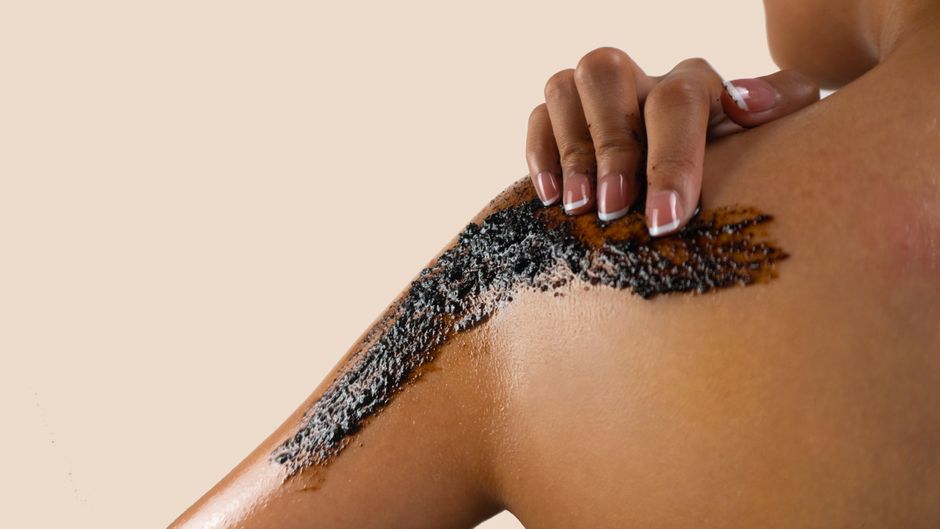
Different body areas require different exfoliation techniques. Areas with thicker skin can usually tolerate more exfoliation than delicate zones.
How to Exfoliate Legs Without Irritation
Use gentle circular motions and avoid shaving immediately after aggressive exfoliation. Applying moisturizer afterward helps reduce dryness and irritation.
People prone to “strawberry legs” often benefit from gentle consistency rather than intense scrubbing.
Safe Back and Shoulder Exfoliation
Back and shoulder areas often accumulate sweat, oil, and buildup. Soft exfoliating tools with handles or shower gloves can help reach these areas safely.
Can You Exfoliate the Scalp?
Yes, scalp exfoliation can help reduce buildup from oils, styling products, and dry flakes when done gently.
Safe scalp exfoliation methods include:
- Gentle scalp massage brushes
- Clarifying shampoos
- Scalp scrubs used occasionally
- Soft massage techniques
Hair wellness routines are commonly paired with products from the Hair Care and Styling Devices collection for complete self-care support.
Areas You Should Exfoliate Carefully
Some areas are more delicate and require lighter pressure:
- Chest
- Neck
- Under-eye area
- Inner arms
- Sensitive facial skin
Gentle techniques and lower frequency are safer for these zones.
Frequently Asked Questions
How often should you exfoliate your skin at home?
Most beginners should exfoliate one to two times weekly depending on skin sensitivity, dryness, and climate conditions.
What is the safest way to exfoliate dry skin naturally?
Gentle physical exfoliation with soft tools and immediate moisturizer application is often the safest approach for dry skin.
Are exfoliating shower gloves good for sensitive skin?
Soft-textured exfoliating gloves can work for sensitive skin when used gently and only once weekly.
Should you moisturize after exfoliating your body?
Yes. Moisturizing immediately after exfoliation helps protect the skin barrier and improve hydration retention.
What mistakes should beginners avoid when exfoliating at home?
Common mistakes include scrubbing too hard, exfoliating too frequently, using overly harsh products, and skipping moisturizer afterward.
Can over-exfoliating damage the skin barrier?
Yes. Excessive exfoliation can lead to redness, dryness, inflammation, and increased skin sensitivity.
What should you apply after exfoliating sensitive skin?
Barrier-supporting moisturizers containing ceramides, glycerin, and hyaluronic acid are often recommended after exfoliation.
Is dry brushing better than body scrubs?
Neither method is universally better. Dry brushing supports spa-style body care routines, while body scrubs may provide more direct smoothing benefits.
Can you exfoliate your skin every day?
Daily exfoliation is usually too aggressive for most skin types unless using extremely gentle methods recommended for frequent use.
What ingredients help repair skin after exfoliation?
Ceramides, hyaluronic acid, glycerin, squalane, and shea butter commonly help support post-exfoliation hydration and barrier recovery.
Conclusion
Learning how to exfoliate skin at home safely is less about aggressive scrubbing and more about consistency, hydration, and respecting the skin barrier. Gentle exfoliation routines can improve texture, support smoother-looking skin, and enhance moisturizer absorption when done properly.
Beginners usually see the best results by starting slowly, choosing softer tools, avoiding over-exfoliation, and pairing exfoliation with hydration-focused recovery habits. Seasonal adjustments, skin-type awareness, and consistent moisturizing all play important roles in maintaining healthy-looking skin.
Whether you prefer shower gloves, dry brushing, soft bath sponges, or spa-inspired skincare rituals, a balanced routine can help transform exfoliation into a relaxing and sustainable part of your weekly self-care habits.
Discover more skincare and beauty care essentials designed to support relaxing at-home wellness and exfoliation routines.
Pillar Article: Spa Products for Home: Build the Ultimate Self-Care Routine













