

How to Relieve Dry Eyes in 2026: Hydration, Sleep, and Screen Relief Guide
Dry, irritated, or burning eyes have become one of the most common modern discomforts in the digital era. With increased screen exposure, reduced blink rates, long office hours, and indoor air conditioning, the natural tear film that protects your eyes often becomes unstable. The result is what many people describe as “tired eyes,” but medically it’s often part of dry eye syndrome and digital eye strain.
The good news is that most mild to moderate dry eye symptoms can be improved through consistent lifestyle changes, hydration strategies, screen habits, and targeted eye care routines. This guide breaks everything down into a practical system that fits into modern daily life—no complicated medical jargon, just clear and actionable steps you can start today.
If your eyes feel dry even after drinking enough water, or you frequently experience burning, blurry vision, or fatigue after screen use, this guide will help you understand why it’s happening—and what actually works to relieve it naturally.
Understanding Dry Eye Syndrome in the Digital Age

Dry eye syndrome happens when your eyes don’t produce enough tears or when tears evaporate too quickly. In today’s digital lifestyle, this imbalance is often triggered by prolonged screen use, environmental dryness, and reduced blinking.
Your tear film is not just “water.” It is a carefully balanced protective layer made of oil, water, and mucus. When any part of this system becomes unstable, symptoms like dryness, irritation, or burning appear.
What happens in the tear film system
The tear film has three layers: the oily layer (prevents evaporation), the watery layer (hydration), and the mucus layer (spreads tears evenly). If the oily layer is disrupted, tears evaporate too quickly, leading to dryness even if tear production seems normal.
Role of Meibomian glands in eye hydration
Meibomian glands along the eyelids produce the oil layer of tears. When these glands become blocked—often due to screen fatigue, aging, or poor eye hygiene—dry eye symptoms worsen significantly.
Why Your Eyes Feel Dry Even If You Drink Enough Water

Many people assume dry eyes are caused by dehydration alone, but hydration is only one part of the equation. Eye surface moisture depends more on tear stability and blinking patterns than water intake.
Blink rate reduction during screen use (Digital Eye Strain)
When focusing on screens, blink rate can drop by up to 60%. This reduces tear distribution across the eye surface, leading to rapid evaporation and irritation.
Blue light exposure and visual fatigue connection
Blue light itself does not directly dry the eyes, but prolonged exposure increases visual fatigue, making people blink less frequently and strain more intensely.
Core Causes of Dry Eyes in 2026 Lifestyles
Digital Eye Strain and prolonged screen exposure
Extended laptop, phone, and tablet use forces constant near-focus vision. This sustained focus reduces blinking efficiency and stresses the tear film.
Sleep quality and tear regeneration cycle
During sleep, your eyes regenerate moisture and repair surface inflammation. Poor sleep disrupts this cycle, leading to chronic dryness and morning irritation.
Indoor humidity and air conditioning effects
Air-conditioned environments reduce humidity levels, accelerating tear evaporation. Office workers and students are especially affected.
Fast Natural Relief Methods You Can Do at Home

Warm compress therapy for oil gland activation
Applying gentle heat helps soften blockages in Meibomian glands, improving oil flow and stabilizing the tear film.
This can be done using a warm compress or a structured eye mask routine:

KentDO™ Aloe Collagen Eye Mask provides soothing hydration and cooling relief that helps reduce puffiness and support eye surface comfort after long screen exposure.
Pros and Cons of Warm Eye Therapy
| Pros | Cons |
| Improves oil gland function | Requires consistent use |
| Reduces irritation quickly | Temporary relief if habits remain unchanged |
| Supports tear stability | Not a standalone cure |
Blink training exercises for tear distribution
Intentional blinking every 20 minutes helps redistribute tears evenly across the eye surface, reducing dryness during screen work.
Hydration timing vs overhydration myths
Drinking water supports overall health, but spreading hydration evenly throughout the day is more effective than large, infrequent intake.
Best Eye Hydration Habits for Long-Term Relief
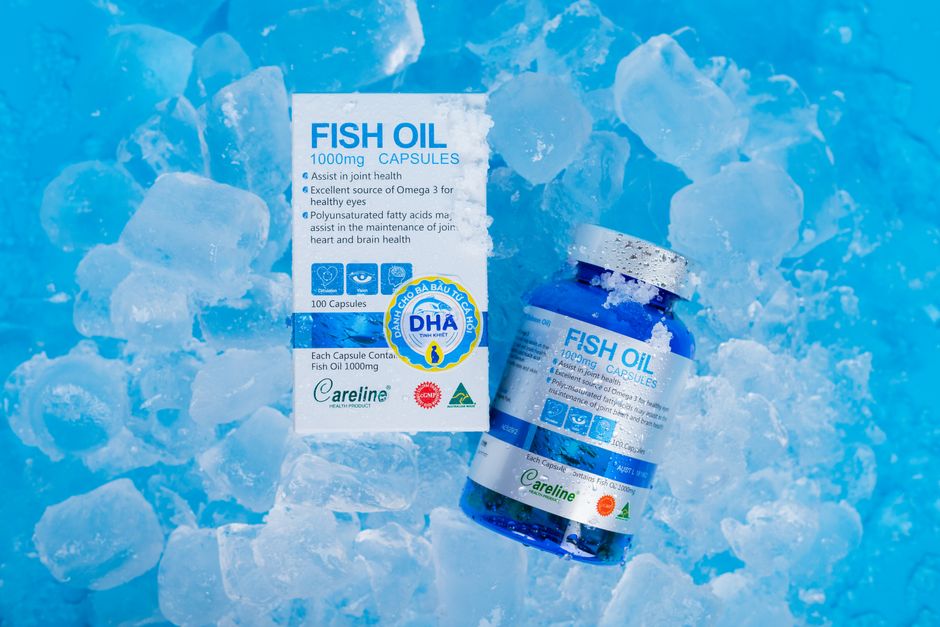
Long-term dry eye relief depends on building stable hydration patterns and supporting tear production through nutrition and routine consistency.
Incorporating eye-friendly nutrients and lifestyle habits can be reinforced by exploring the Skincare & Hydration collection, which supports overall moisture balance and skin barrier health around the eyes.
- Maintain steady water intake throughout the day
- Include omega-3 rich foods to support tear oil production
- Avoid excessive caffeine which may contribute to dryness
- Take micro-breaks during long visual tasks
Screen Time Management to Reduce Eye Fatigue
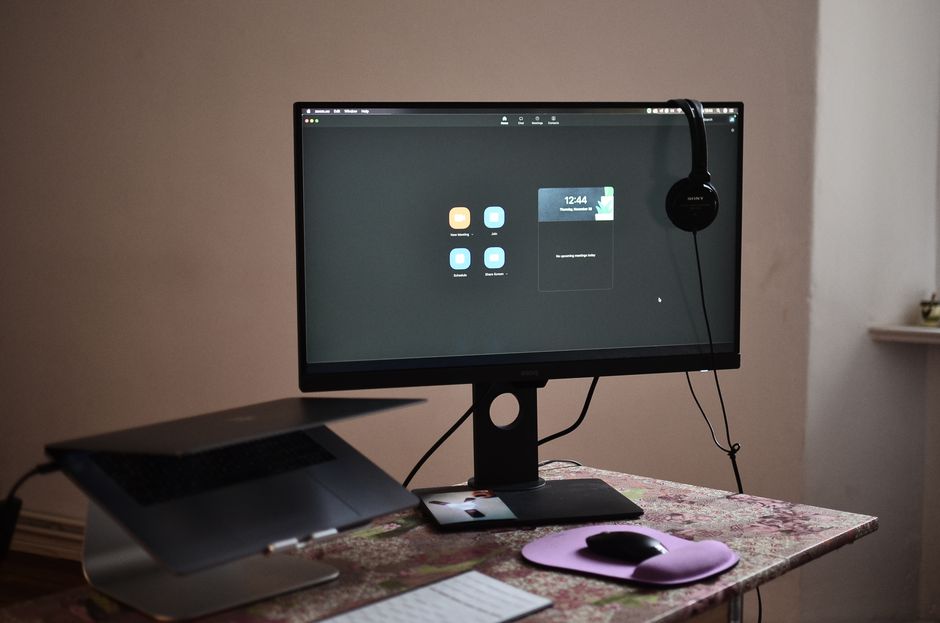
Managing screen exposure is one of the most effective ways to reduce dry eye symptoms. Simple behavioral changes can significantly improve comfort.
Using tools from the Eye Care Devices collection can support better visual ergonomics and reduce fatigue during long work sessions.
20-20-20 rule and blink rate correction
Every 20 minutes, look at something 20 feet away for 20 seconds. This relaxes focusing muscles and restores blinking patterns.
Blue light exposure reduction strategies
Reducing screen brightness and using night mode settings can help reduce visual strain and improve comfort in low-light environments.
“Dry eye is rarely just a tear problem—it is often a lifestyle pattern involving screen exposure, sleep disruption, and environmental stressors working together.” — Clinical Eye Health Specialist
Sleep Quality and Eye Recovery Connection
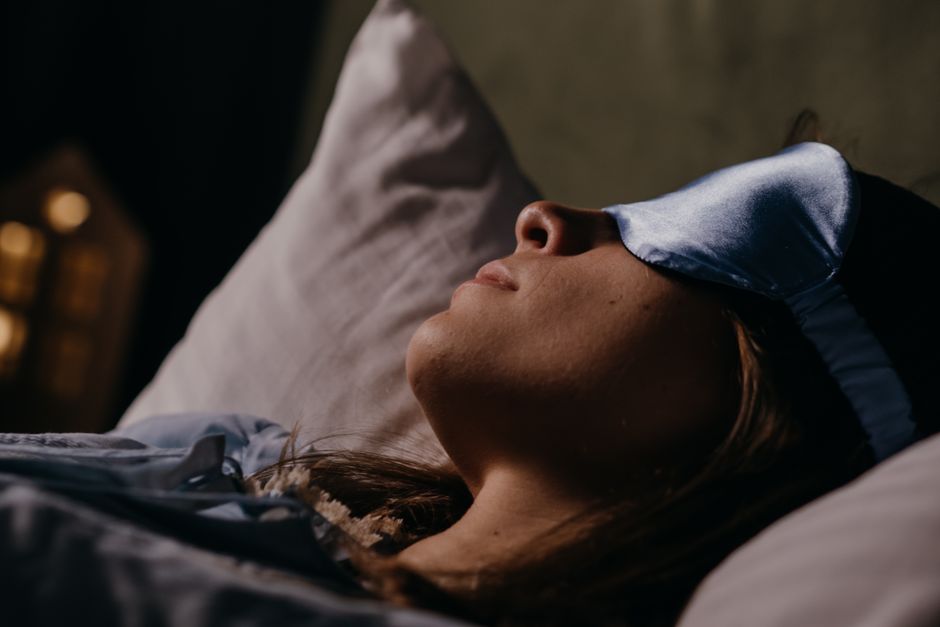
Sleep plays a critical role in restoring tear film balance. During deep sleep, inflammation decreases and tear glands reset their production cycle.
Poor sleep can lead to morning dryness, redness, and irritation due to incomplete tear regeneration.
Environmental Optimization for Dry Eye Relief

Environmental factors often worsen dry eyes without being noticed. Simple adjustments at home and in the office can significantly improve symptoms.
Improving airflow and humidity can be supported by wellness-focused solutions found in the Wellness & Relaxation collection.
- Use a humidifier in dry environments
- Avoid direct airflow from fans or AC units
- Position screens slightly below eye level
Warm Compress Therapy and Heated Eye Masks

Heat therapy is widely recommended for relieving dry eye symptoms caused by blocked oil glands. It improves circulation and helps restore tear film balance.
For enhanced comfort, structured eye care tools can be used:

KentDO™ 24K Gold Eye Mask helps soothe tired eye areas while supporting hydration and relaxation after long screen exposure.
How heat improves oil secretion in tear film
Heat melts thickened oils in Meibomian glands, allowing smoother tear distribution and reducing evaporation.
When to use heated eye masks vs manual compress
- Use heated masks for consistent daily care
- Use manual compress for quick relief
- Combine both for chronic dryness management
Artificial Tears and Moisturizing Support Options
Artificial tears can provide temporary relief when natural tear production is insufficient. They help lubricate the eye surface and reduce irritation.
Supportive hydration products are often used alongside routines from the Eye Care Devices collection for better long-term comfort.
Preservative-free vs regular artificial tears
- Preservative-free: safer for frequent use
- Regular drops:
Beginner-Friendly Daily Eye Care Routine Framework

Morning activation routine
Start the day with gentle blinking exercises and hydration to prepare tear glands for screen exposure.
Workday screen protection routine
Follow the 20-20-20 rule, adjust screen brightness, and maintain proper posture to reduce strain.
Night recovery routine
Reduce screen exposure before bed and support eye relaxation with calming routines and hydration balance.
Frequently Asked Questions
Why are my eyes always dry even when I drink water?
Because dry eyes are more related to tear film instability and blinking behavior than hydration alone.
How can I relieve dry eyes naturally at home?
Use warm compress therapy, improve blinking habits, reduce screen strain, and maintain consistent hydration.
What are the best overnight remedies for dry irritated eyes?
Cold or warm compresses, sleep optimization, and avoiding screens before bed help reduce morning dryness.
Can too much screen time cause dry and itchy eyes?
Yes. Reduced blinking during screen use is one of the primary causes of modern dry eye symptoms.
When should dry eye symptoms be evaluated by a doctor?
If symptoms persist for weeks, include pain, or significantly affect vision, medical evaluation is recommended.
Conclusion
Relieving dry eyes is not about a single solution—it is about building a consistent lifestyle system that supports tear film health. By combining hydration habits, screen management, sleep quality, environmental control, and gentle eye care routines, most people can significantly reduce dryness and improve long-term comfort.
Small daily adjustments often lead to the biggest improvements. Start with one habit, then build gradually into a full routine that fits your lifestyle and digital environment.
Pillar Article: How to Prevent Eye Strain: A Complete Digital Screen Protection System













